Helen Roche – författare
Visar alla böcker från författaren Helen Roche. Handla med fri frakt och snabb leverans.
16 produkter
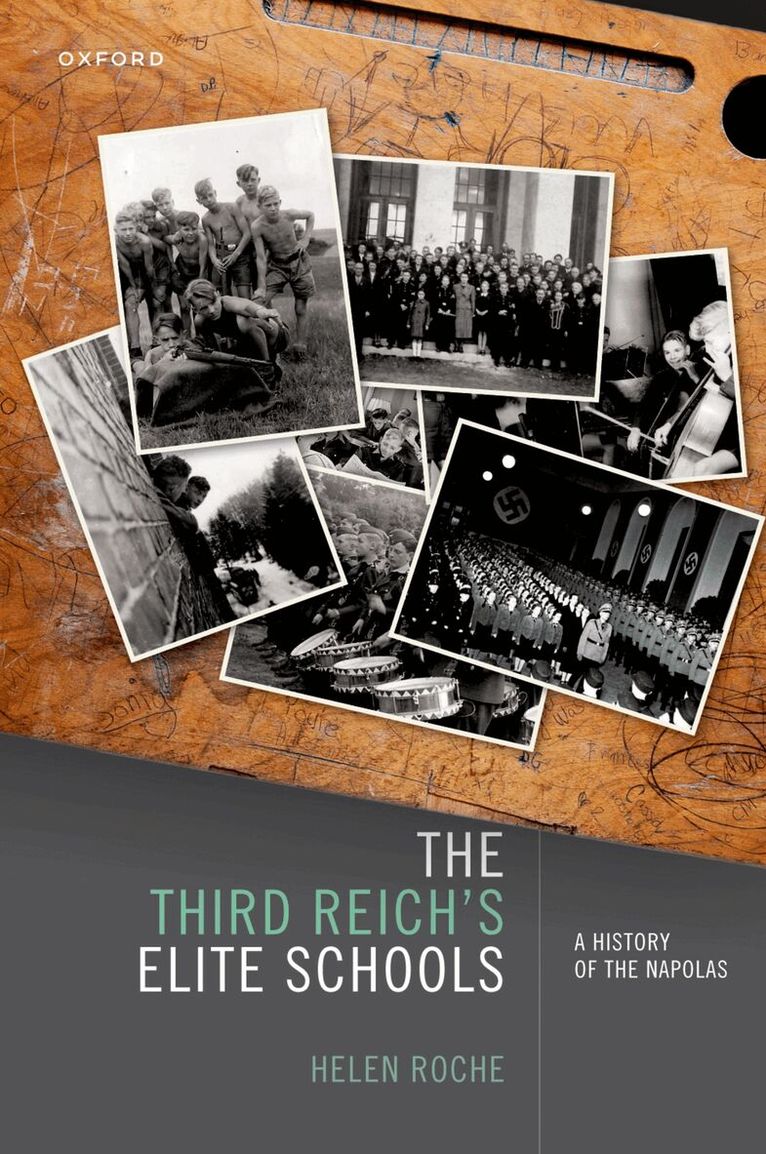
The Third Reich's Elite Schools
A History of the Napolas
Av Helen Roche
Häftad, 2023
330 kr
Lägg i varukorg
Drawing on material from eighty archives in six different countries worldwide, as well as eyewitness testimonies from over 100 former pupils, Helen Roche presents the first comprehensive history of the Third Reich's most prominent elite schools, the National Political Education Institutes (Napolas …
Third Reich's Elite Schools
A History of the Napolas
Av Helen Roche
E-bok, 2021
1397 kr
Lägg i varukorg
Drawing on material from eighty archives in six different countries worldwide, as well as eyewitness testimonies from over 100 former pupils, Helen Roche presents the first comprehensive history of the Third Reich''s most prominent elite schools, the National Political Education Institutes (Napolas …
The Third Reich's Elite Schools
A History of the Napolas
Av Helen Roche
Inbunden, 2021
1826 kr
Lägg i varukorg
Drawing on material from eighty archives in six different countries worldwide, as well as eyewitness testimonies from over 100 former pupils, Helen Roche presents the first comprehensive history of the Third Reich's most prominent elite schools, the National Political Education Institutes (Napolas …
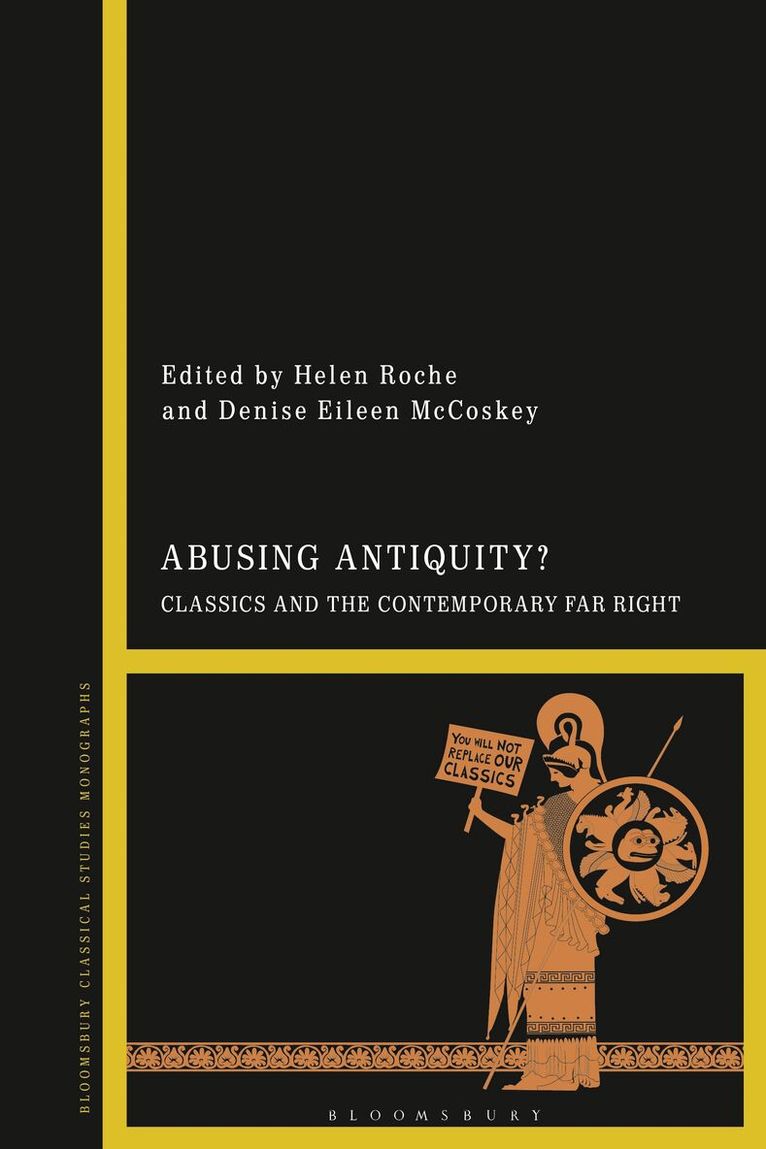
Abusing Antiquity?
Classics and the Contemporary Far Right
Av Helen Roche, Denise Eileen McCoskey
Inbunden, 2026
1372 kr
Kommande
The first ever collection of essays to explore the contemporary far right’s fascination with the classical past, Abusing Antiquity? sheds new light on the ways in which ancient Greece and Rome are being used to legitimize political agendas in the present. Through analyses from contemporary Europe …
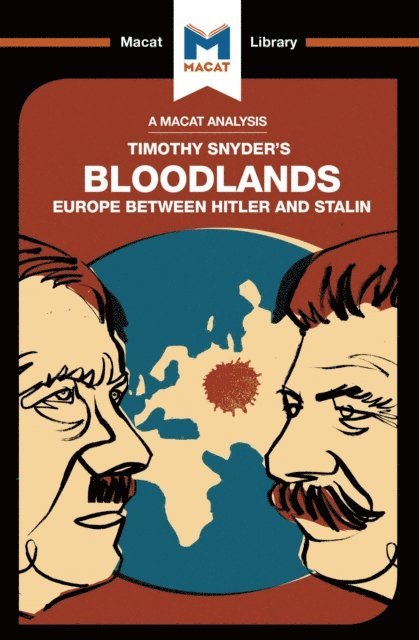
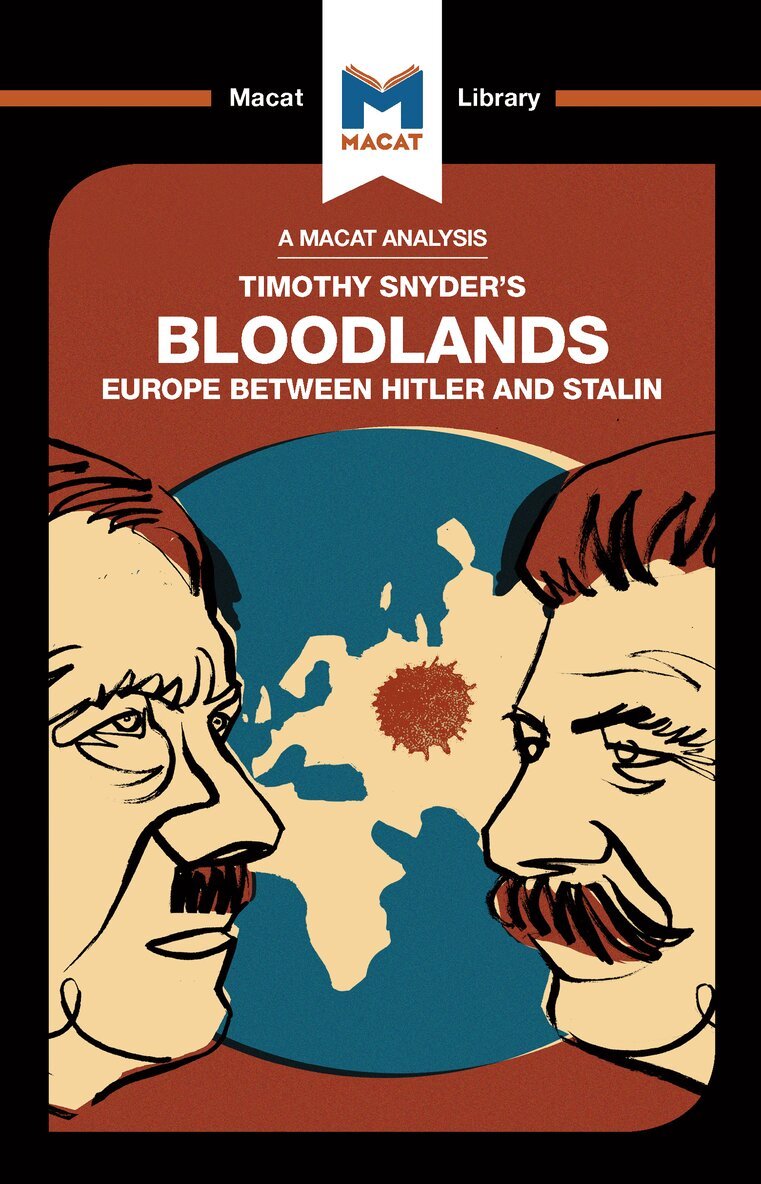
Analysis of Timothy Snyder's Bloodlands
Europe Between Hitler and Stalin
Av Helen Roche
E-bok, 2017
122 kr
Lägg i varukorg
A flagbearer for the increasingly fashionable genre of "transnational history," Timothy Snyder''s Bloodlands is, first and foremost, a stunning example of the critical thinking skill of evaluation. Snyder''s linguistic precocity allows him to cite evidence in 10 languages, putting fresh twists on …
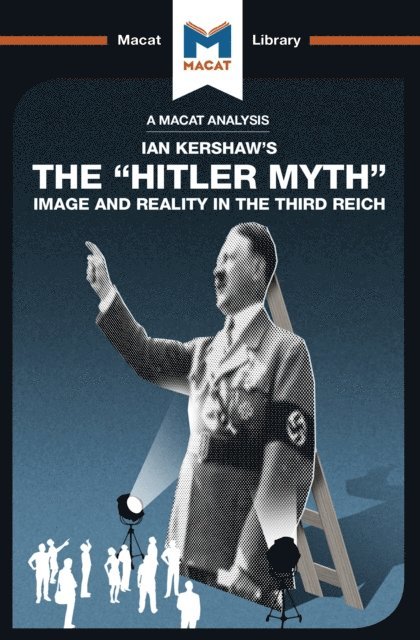
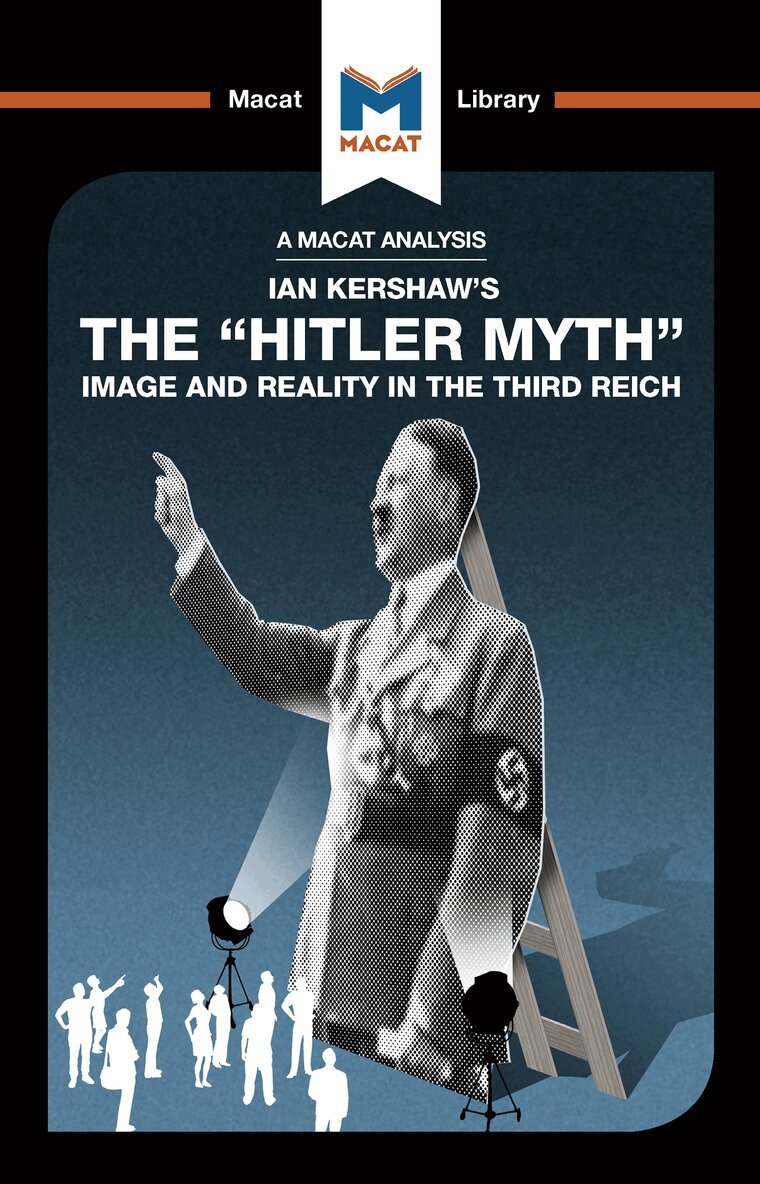
Analysis of Ian Kershaw's The "e;Hitler Myth"e;
Image and Reality in the Third Reich
Av Helen Roche
E-bok, 2017
122 kr
Lägg i varukorg
Few historical problems are more baffling in retrospect than the conundrum of how Hitler was able to rise to power in Germany and then command the German people – many of whom had only marginal interest in or affiliation to Nazism – and the Nazi state. It took Ian Kershaw – author of the standard …
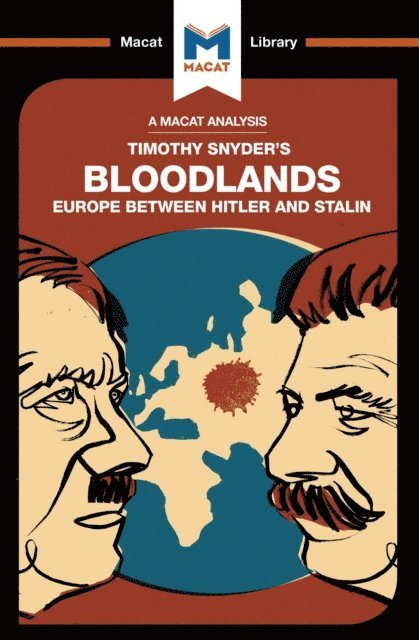
Analysis of Timothy Snyder's Bloodlands
Europe Between Hitler and Stalin
Av Helen Roche
E-bok, 2017
122 kr
Lägg i varukorg
A flagbearer for the increasingly fashionable genre of "transnational history," Timothy Snyder''s Bloodlands is, first and foremost, a stunning example of the critical thinking skill of evaluation. Snyder''s linguistic precocity allows him to cite evidence in 10 languages, putting fresh twists on …
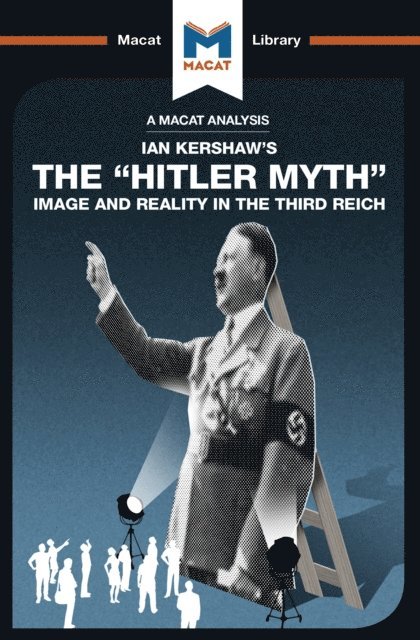
Analysis of Ian Kershaw's The "e;Hitler Myth"e;
Image and Reality in the Third Reich
Av Helen Roche
E-bok, 2017
458 kr
Lägg i varukorg
Few historical problems are more baffling in retrospect than the conundrum of how Hitler was able to rise to power in Germany and then command the German people – many of whom had only marginal interest in or affiliation to Nazism – and the Nazi state. It took Ian Kershaw – author of the standard …
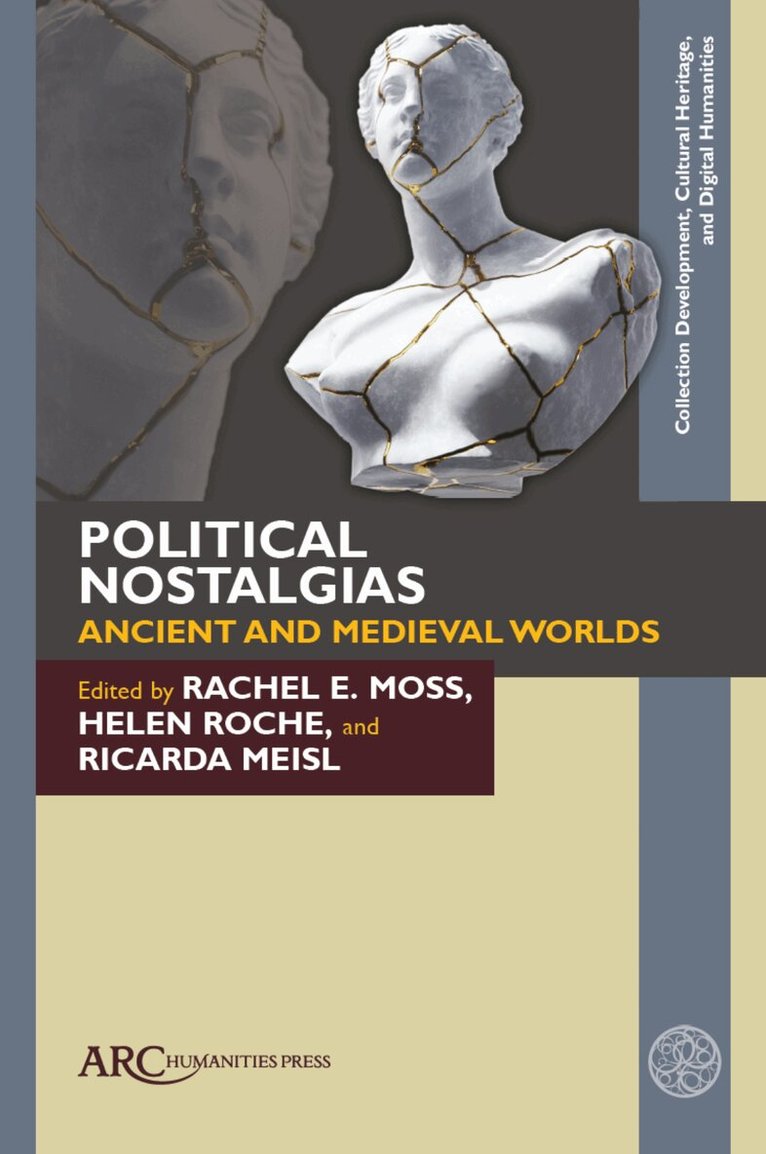
Political Nostalgias—Ancient and Medieval Worlds
Av Rachel E. Moss, Helen Roche m. fl.
Inbunden, 2026
2235 kr
Lägg i varukorg
This volume is the first in a sub-series entitled Political Nostalgias. This book considers nostalgia as it was understood in ancient and medieval worlds and explores how nostalgia for those lost civilizations plays a role in the politics of later periods.Defined most simply as a wistful or …
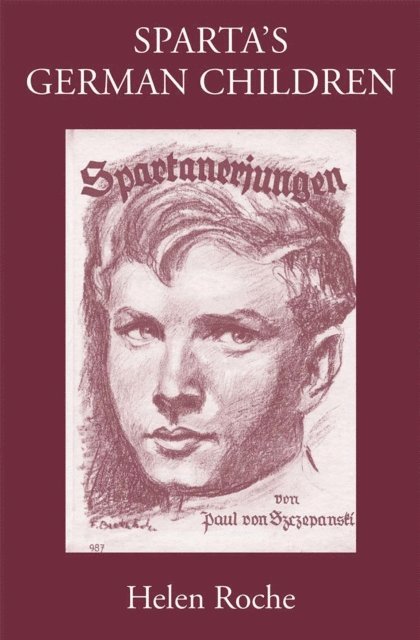
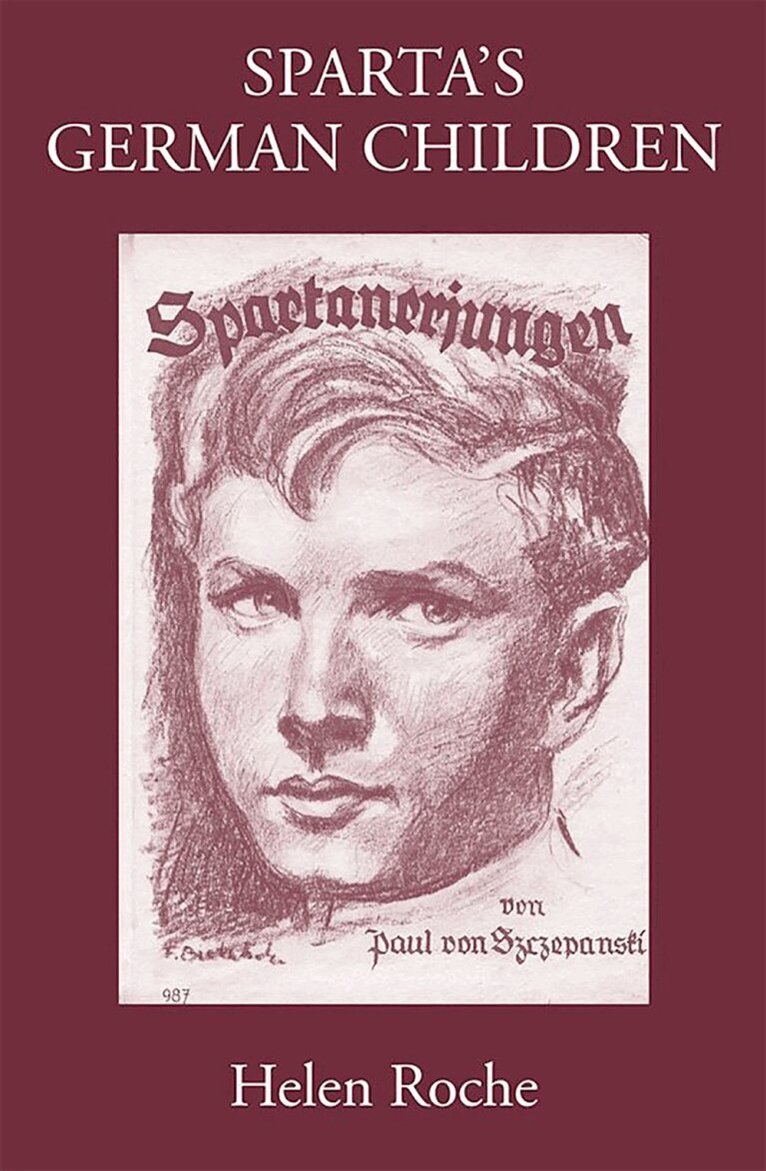
Sparta's German Children
The ideal of ancient Sparta in the Royal Prussian Cadet-Corps, 1818-1920, and in National-Socialist elite schools (the Napolas), 1933-1945
Av Helen Roche
E-bok, 2013
1427 kr
Lägg i varukorg
From the eighteenth century until 1945, German children were taught to model themselves on the young of an Ancient Greek city-state: Sparta. From older children, from teachers in the classroom, and from higher authority first in Prussia, then in Imperial and National Socialist Germany, came images …
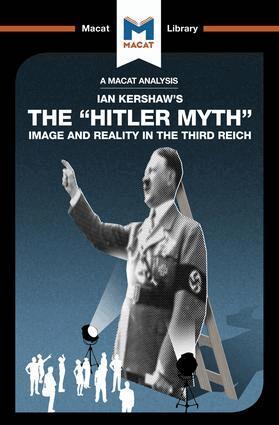
Analysis of Ian Kershaw's The "Hitler Myth"
Image and Reality in the Third Reich
Av Helen Roche
Häftad, 2017
101 kr
Lägg i varukorg
Few historical problems are more baffling in retrospect than the conundrum of how Hitler was able to rise to power in Germany and then command the German people – many of whom had only marginal interest in or affiliation to Nazism – and the Nazi state. It took Ian Kershaw – author of the standard …
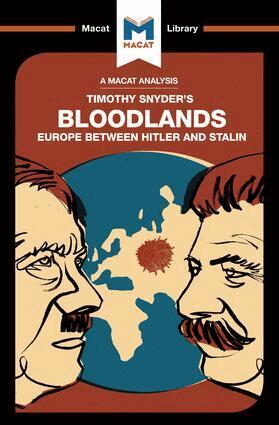
Analysis of Timothy Snyder's Bloodlands
Europe Between Hitler and Stalin
Av Helen Roche
Häftad, 2017
100 kr
Lägg i varukorg
A flagbearer for the increasingly fashionable genre of "transnational history," Timothy Snyder's Bloodlands is, first and foremost, a stunning example of the critical thinking skill of evaluation. Snyder's linguistic precocity allows him to cite evidence in 10 languages, putting fresh twists on the …
Analysis of Ian Kershaw's The "Hitler Myth"
Image and Reality in the Third Reich
Av Helen Roche
Inbunden, 2017
297 kr
Lägg i varukorg
Few historical problems are more baffling in retrospect than the conundrum of how Hitler was able to rise to power in Germany and then command the German people – many of whom had only marginal interest in or affiliation to Nazism – and the Nazi state. It took Ian Kershaw – author of the standard …
Bloodlands
Europe Between Hitler and Stalin
Av Helen Roche
Inbunden, 2017
297 kr
Lägg i varukorg
A flagbearer for the increasingly fashionable genre of "transnational history," Timothy Snyder's Bloodlands is, first and foremost, a stunning example of the critical thinking skill of evaluation. Snyder's linguistic precocity allows him to cite evidence in 10 languages, putting fresh twists on the …
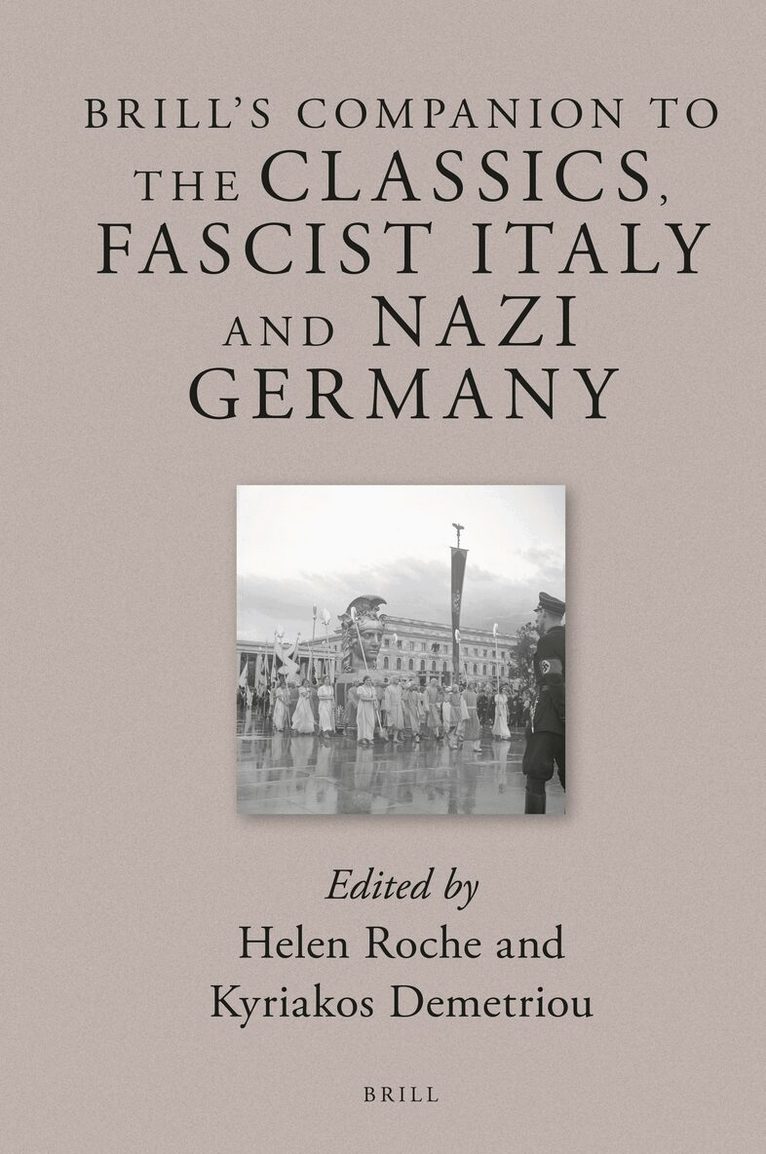
Brill’s Companion to the Classics, Fascist Italy and Nazi Germany
Av Helen Roche, Kyriakos N. Demetriou
Inbunden, 2017
3398 kr
Lägg i varukorg
The first ever guide to the manifold uses and reinterpretations of the classical tradition in Mussolini’s Italy and Hitler’s Germany, Brill’s Companion to the Classics, Fascist Italy and Nazi Germany explores how political propaganda manipulated and reinvented the legacy of ancient Greece and Rome …
Sparta's German Children
The Ideal of Ancient Sparta in the Royal Prussian Cadet-Corps, 1818-1920, and in National-socialist Elite Schools (the Napolas), 1933-1945
Av Helen Roche
Inbunden, 2013
941 kr
Tillfälligt slut
From the eighteenth century until 1945, German children were taught to model themselves on the young of an Ancient Greek city-state: Sparta. Helen Roche is the first to examine this still sensitive topic systematically and in depth. She collects and analyses official and published German evocations …