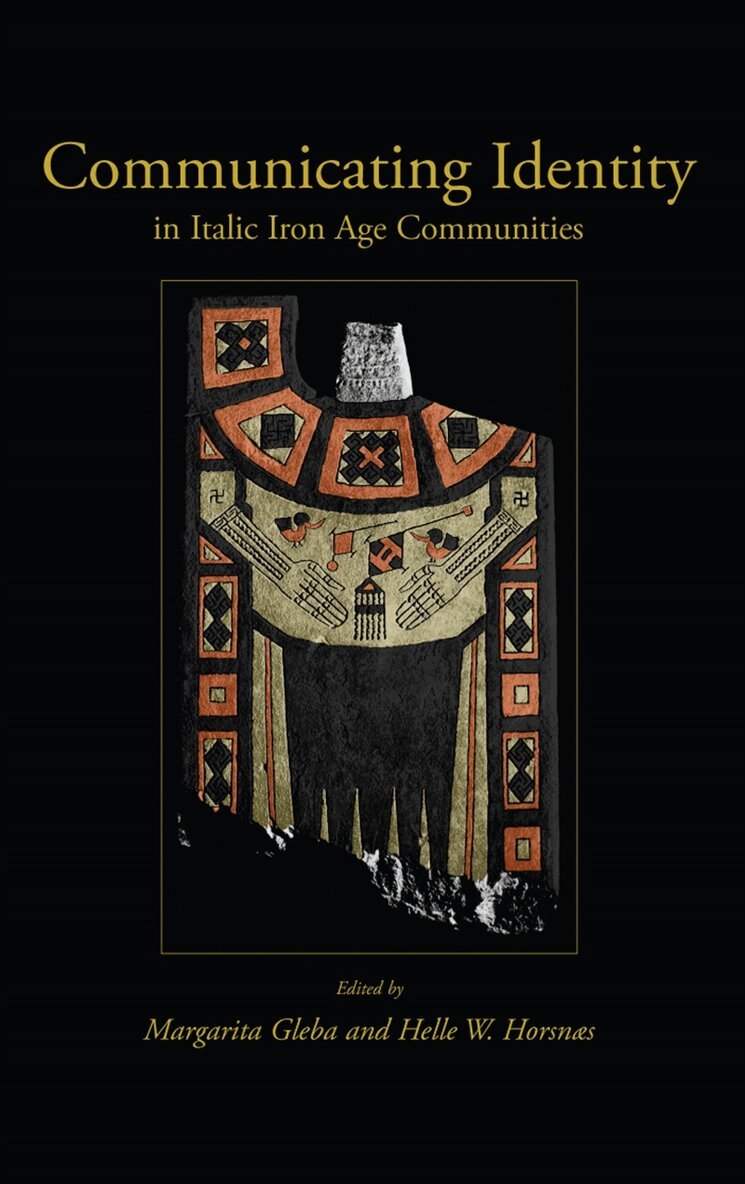
Recent archaeological work has shown that South Italy was densely occupied at least from the Late Bronze Age, with a marked process of the development of proto-urban centres, accompanied by important technological transformations. The archaeological exploration of indigenous South Italy is a relatively recent phenomenon, thanks to the bias towards the study of Greek colonies. Therefore an assessment of processes taking place in Italic Iron Age communities is well overdue. Communicating Identity explores the many and much varied identities of the Italic peoples of the Iron Age, and how specific objects, places and ideas might have been involved in generating, mediating and communicating these identities. The term identity here covers both the personal identities of the individuals as well and the identities of groups on various levels (political, social, gender, ethnic or religious). A wide range of evidence is discussed including funerary iconography, grave offerings, pottery, vase-painting, coins, spindles and distaffs and the excavation of settlements. The methodologies used here have wider implications. The situation in the northern Black Sea region in particular has often been compared to that of southern Italy and several of the contributions compare and contrast the archaeological evidence of the two regions.
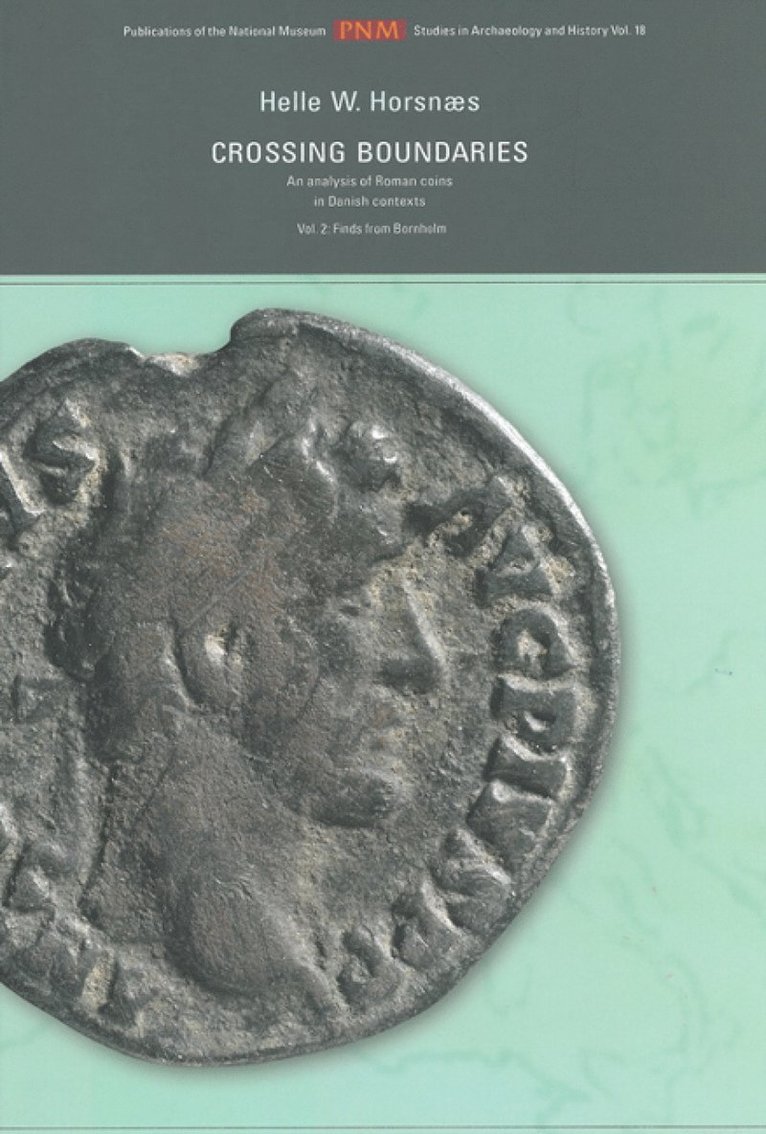
The life cycle of a coin is long - one might even argue that its existence as a coin is only a minor part of the recycling of metal. The present investigation covers the later part of the Roman coin's existence: its arrival in Bornholm, its use there, and its deposition in and recovery from the soil. Coin finds are evidence of connections between human beings. The coins were brought from one place to another by someone, and there was a reason to do so. Any object acquires new properties when moved from one cultural context to another, and the meaning of the Roman coin in the Danish Iron Age context no doubt differed greatly from its original significance. The Roman denarius was meant to be used as a coin in a monetary economy. Having left the area where the denarius was recognised as coin, it assumed new meanings. But: what were those new meanings? How was the denarius perceived in non-Roman communities? Which purposes did the coin serve?
The Roman coins found within the area of modern Denmark form the empirical basis of the present study. It is my intention to present and discuss the coins as archaeological artefacts. The provenance and context of the individual coin are regarded as parameters of equal importance for the interpretation of the find as the numismatic evidence inherent in the coin. Initially more weight is put on answering the "how, when and why" regarding the Roman coins in the local context and the import of the Roman coins into the Danish Iron Age cultures, than the how, when and why regarding the export of the coins from the Roman Empire. The latter questions will mostly be touched on in the last part of the book, where I will attempt to compare the evidence from Denmark with finds from other parts of Barbaricum.
Recent archaeological work has shown that South Italy was densely occupied at least from the Late Bronze Age, with a marked process of the development of proto-urban centres, accompanied by important technological transformations. The archaeological exploration of indigenous South Italy is a relatively recent phenomenon, thanks to the bias towards the study of Greek colonies. Therefore an assessment of processes taking place in Italic Iron Age communities is well overdue. Communicating Identity explores the many and much varied identities of the Italic peoples of the Iron Age, and how specific objects, places and ideas might have been involved in generating, mediating and communicating these identities. The term identity here covers both the personal identities of the individuals as well and the identities of groups on various levels (political, social, gender, ethnic or religious). A wide range of evidence is discussed including funerary iconography, grave offerings, pottery, vase-painting, coins, spindles and distaffs and the excavation of settlements. The methodologies used here have wider implications. The situation in the northern Black Sea region in particular has often been compared to that of southern Italy and several of the contributions compare and contrast the archaeological evidence of the two regions.
The life cycle of a coin is long - one might even argue that its existence as a coin is only a minor part of the recycling of metal. The present investigation covers the later part of the Roman coin's existence: its arrival in Bornholm, its use there, and its deposition in and recovery from the soil. Coin finds are evidence of connections between human beings. The coins were brought from one place to another by someone, and there was a reason to do so. Any object acquires new properties when moved from one cultural context to another, and the meaning of the Roman coin in the Danish Iron Age context no doubt differed greatly from its original significance. The Roman denarius was meant to be used as a coin in a monetary economy. Having left the area where the denarius was recognised as coin, it assumed new meanings. But: what were those new meanings? How was the denarius perceived in non-Roman communities? Which purposes did the coin serve?
The Roman coins found within the area of modern Denmark form the empirical basis of the present study. It is my intention to present and discuss the coins as archaeological artefacts. The provenance and context of the individual coin are regarded as parameters of equal importance for the interpretation of the find as the numismatic evidence inherent in the coin. Initially more weight is put on answering the "how, when and why" regarding the Roman coins in the local context and the import of the Roman coins into the Danish Iron Age cultures, than the how, when and why regarding the export of the coins from the Roman Empire. The latter questions will mostly be touched on in the last part of the book, where I will attempt to compare the evidence from Denmark with finds from other parts of Barbaricum.