Margarita Gleba – författare
Visar alla böcker från författaren Margarita Gleba. Handla med fri frakt och snabb leverans.
11 produkter
11 produkter
E-bok
Engelska, 2021123 kr
Läs direkt efter köp
The NESAT symposium has grown from the first meeting in 1981 which was attended by 23 scholars, to over 100 at the tenth meeting that took place in Copenhagen in 2008, with virtually all areas of Europe represented. The 50 papers from the conference presented here show the vibrance of the study of archaeological textiles today. Examples studied come from the Bronze Age, Neolithic, the Iron Age, Roman, Viking, the Middle Ages and post-Medieval, and from a wide range of countries including Norway, Czech Republic, Poland, Greece, Germany, Lithuania, Estonia and the Netherlands. Modern techniques of analysis and examination are also discussed.
E-bok
Engelska, 2021123 kr
Läs direkt efter köp
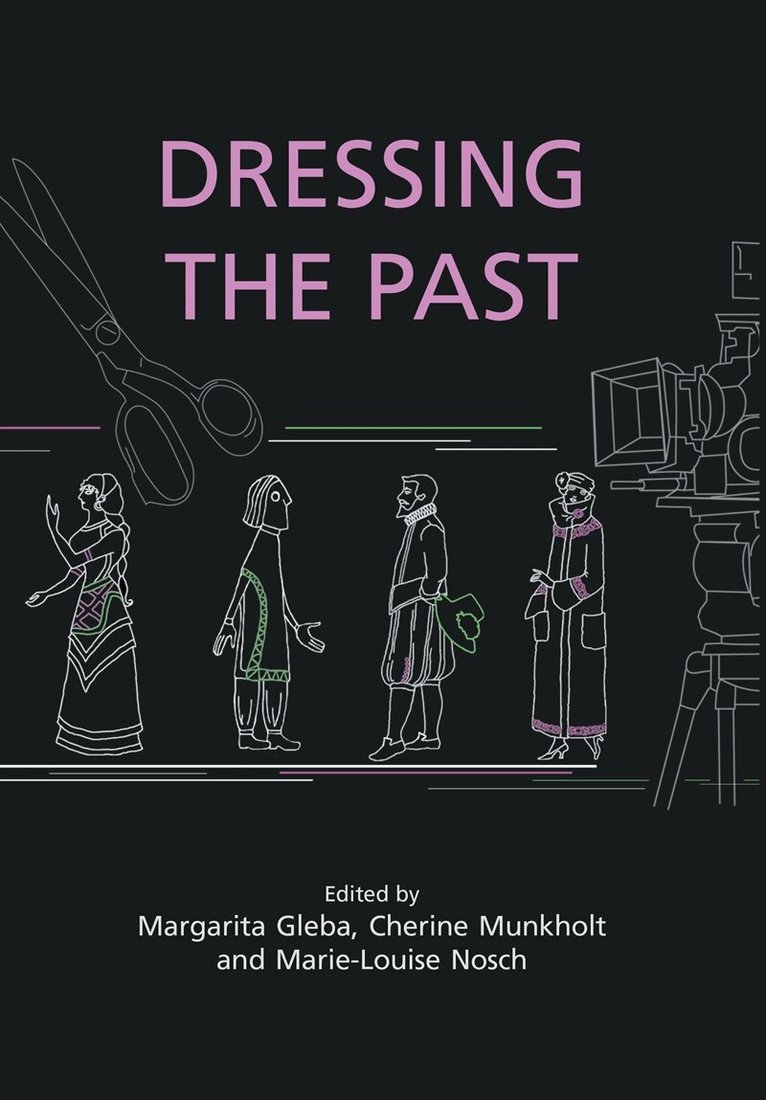
Minoan ladies, Scythian warriors, Roman and Sarmatian merchants, prehistoric weavers, gold sheet figures, Vikings, Medieval saints and sinners, Renaissance noblemen, Danish peasants, dressmakers and Hollywood stars appear in the pages of this anthology. This is not necessarily how they dressed in the past, but how the authors of this book think they dressed in the past, and why they think so. No reader of this book will ever look at a reconstructed costume in a museum or at a historical festival, or watch a film with a historic theme again without a heightened awareness of how, why, and from what sources, the costumes were reconstructed. The seventeen contributors come from a variety of disciplines: archaeologists, historians, curators with ethnological and anthropological backgrounds, designers, a weaver, a conservator and a scholar of fashion in cinema, are all specialists interested in ancient or historical dress who wish to share their knowledge and expertise with students, hobby enthusiasts and the general reader. The anthology is also recommended for use in teaching students at design schools.
E-bok
Engelska, 2021123 kr
Läs direkt efter köp
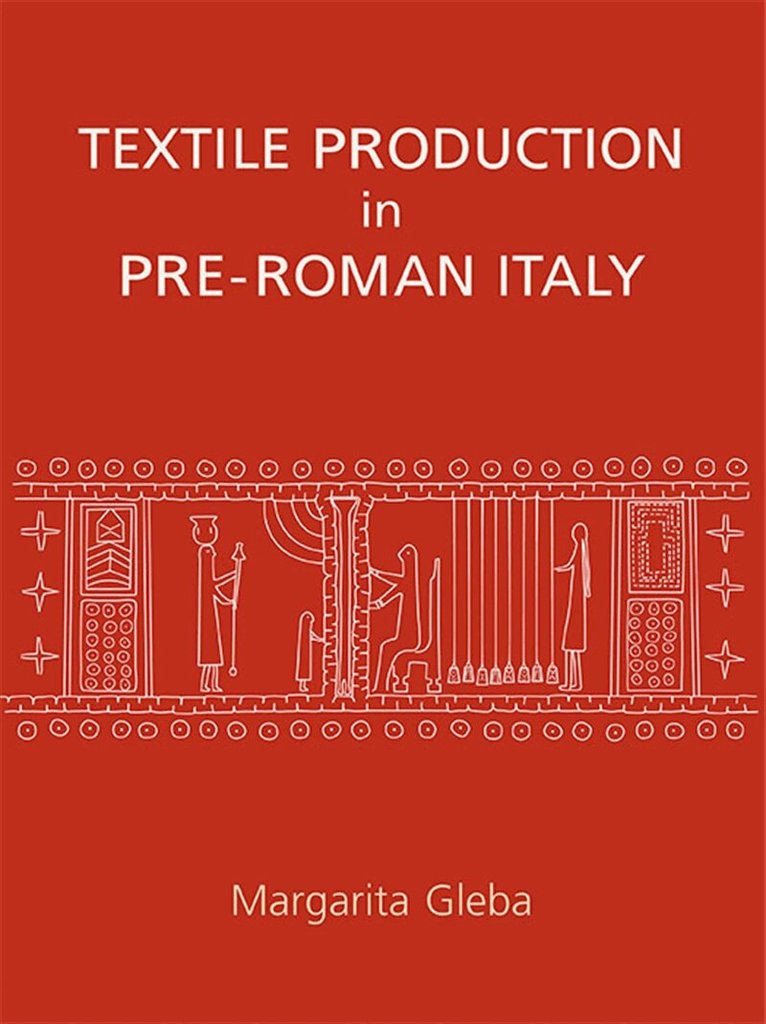
Older than both ceramics and metallurgy, textile production is a technology which reveals much about prehistoric social and economic development. This book examines the archaeological evidence for textile production in Italy from the transition between the Bronze Age and Early Iron Ages until the Roman expansion (1000-400 BCE), and sheds light on both the process of technological development and the emergence of large urban centres with specialised crafts. Margarita Gleba begins with an overview of the prehistoric Appennine peninsula, which featured cultures such as the Villanovans and the Etruscans, and was connected through colonisation and trade with the other parts of the Mediterranean. She then focuses on the textiles themselves: their appearance in written and iconographic sources, the fibres and dyes employed, how they were produced and what they were used for: we learn, for instance, of the linen used in sails and rigging on Etruscan ships, and of the complex looms needed to produce twill. Featuring a comprehensive analysis of textiles remains and textile tools from the period, the book recovers information about funerary ritual, the sexual differentiation of labour (the spinners and weavers were usually women) and the important role the exchange of luxury textiles played in the emergence of an elite. Textile production played a part in ancient Italian society's change from an egalitarian to an aristocratic social structure, and in the emergence of complex urban communities.
Häftad, Engelska, 2022
488 kr
Skickas
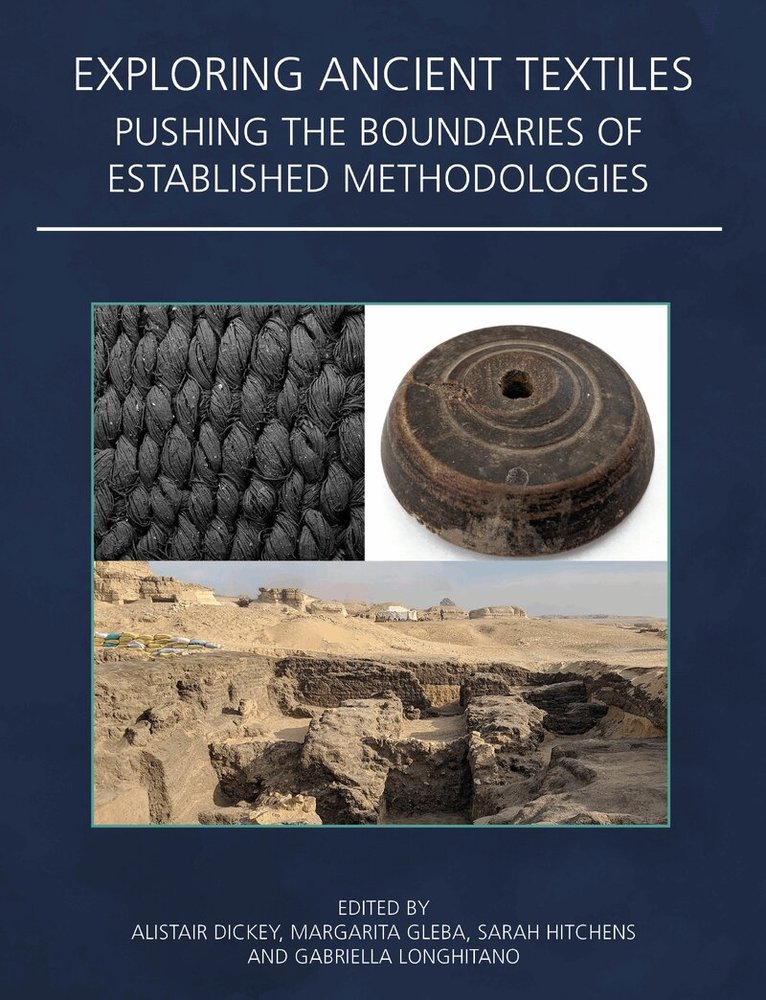
Over the past 30 years, research on archaeological textiles has developed into an important field of scientific study. It has greatly benefitted from interdisciplinary approaches, which combine the application of advanced technological knowledge to ethnographic, textual and experimental investigations. In exploring textiles and textile processing (such as production and exchange) in ancient societies, archaeologists with different types and quality of data have shared their knowledge, thus contributing to well-established methodology. In this book, the papers highlight how researchers have been challenged to adapt or modify these traditional and more recently developed analytical methods to enable extraction of comparable data from often recalcitrant assemblages. Furthermore, they have applied new perspectives and approaches to extend the focus on less investigated aspects and artefacts. The chapters embrace a broad geographical and chronological area, ranging from South America and Europe to Africa, and from the 11th millennium BC to the 1st millennium AD. Methodological considerations are explored through the medium of three different themes focusing on tools, textiles and fibres, and culture and identity. This volume constitutes a reflection on the status of current methodology and its applicability within the wider textile field. Moreover, it drives forward the methodological debates around textile research to generate new and stimulating conversations about the future of textile archaeology.
E-bok
Engelska, 2021123 kr
Läs direkt efter köp
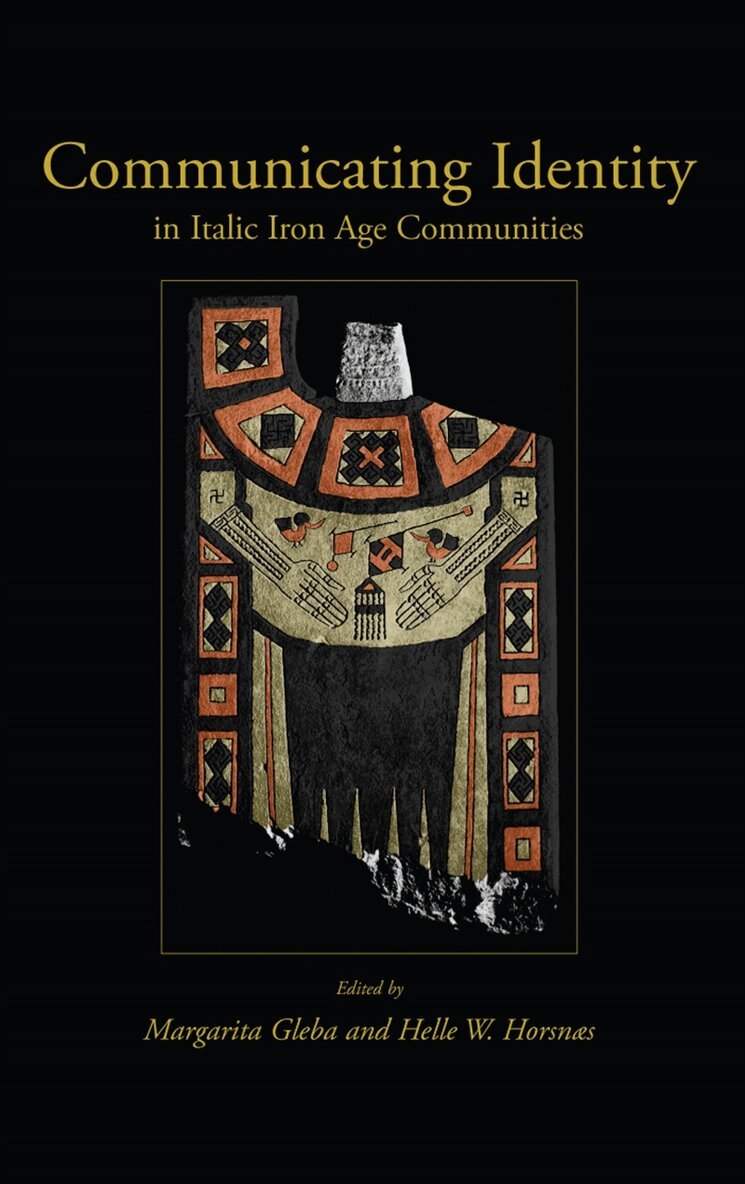
Recent archaeological work has shown that South Italy was densely occupied at least from the Late Bronze Age, with a marked process of the development of proto-urban centres, accompanied by important technological transformations. The archaeological exploration of indigenous South Italy is a relatively recent phenomenon, thanks to the bias towards the study of Greek colonies. Therefore an assessment of processes taking place in Italic Iron Age communities is well overdue. Communicating Identity explores the many and much varied identities of the Italic peoples of the Iron Age, and how specific objects, places and ideas might have been involved in generating, mediating and communicating these identities. The term identity here covers both the personal identities of the individuals as well and the identities of groups on various levels (political, social, gender, ethnic or religious). A wide range of evidence is discussed including funerary iconography, grave offerings, pottery, vase-painting, coins, spindles and distaffs and the excavation of settlements. The methodologies used here have wider implications. The situation in the northern Black Sea region in particular has often been compared to that of southern Italy and several of the contributions compare and contrast the archaeological evidence of the two regions.
E-bok
Engelska, 2021123 kr
Läs direkt efter köp
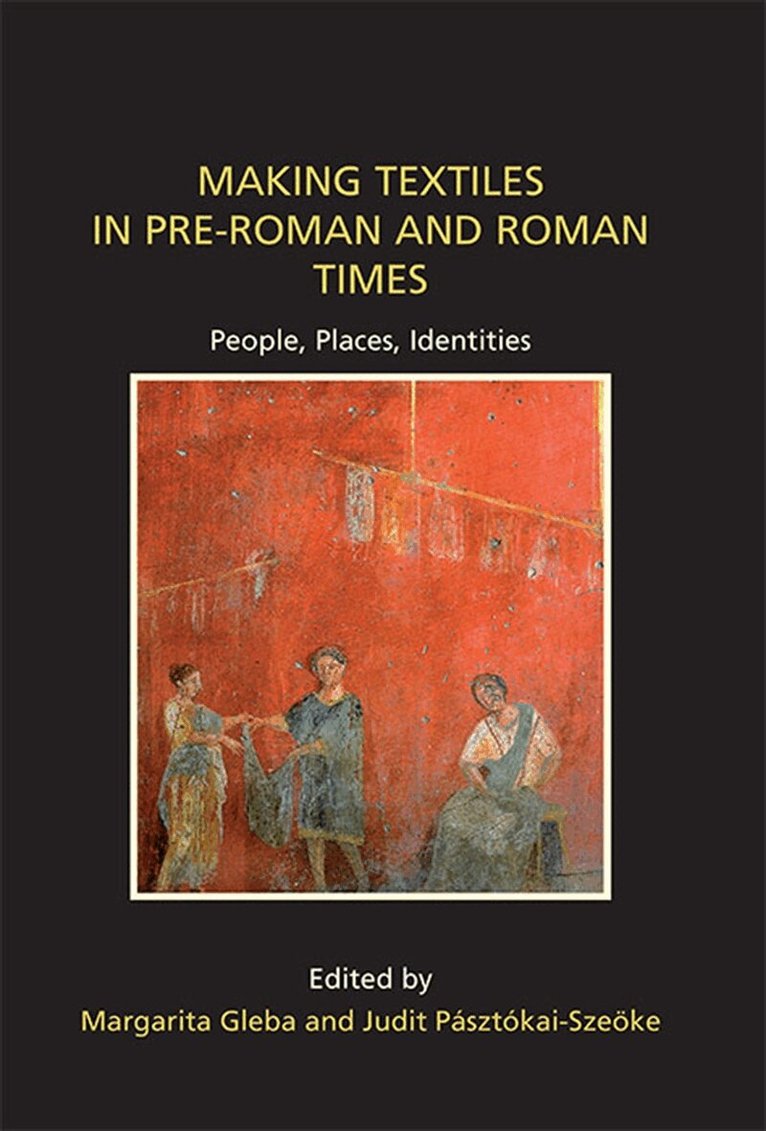
Textile production is an economic necessity that has confronted all societies in the past. While most textiles were manufactured at a household level, valued textiles were traded over long distances and these trade networks were influenced by raw material supply, labour skills, costs, as well as by regional traditions. This was true in the Mediterranean regions and Making Textiles in pre-Roman and Roman times explores the abundant archaeological and written evidence to understand the typological and geographical diversity of textile commodities. Beginning in the Iron Age, the volume examines the foundations of the textile trade in Italy and the emergence of specialist textile production in Austria, the impact of new Roman markets on regional traditions and the role that gender played in the production of textiles. Trade networks from far beyond the frontiers of the Empire are traced, whilst the role of specialized merchants dealing in particular types of garment and the influence of Roman collegia on how textiles were produced and distributed are explored. Of these collegia, that of the fullers appears to have been particularly influential at a local level and how cloth was cleaned and treated is examined in detail, using archaeological evidence from Pompeii and provincial contexts to understand the processes behind this area of the textile trade.
354 kr
Läs direkt efter köp
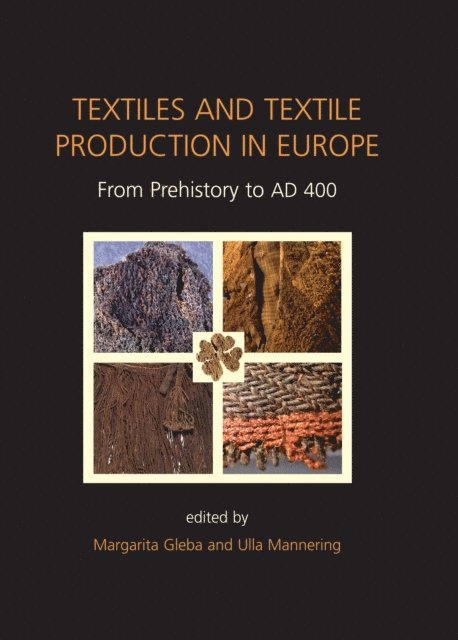
There is evidence that ever since early prehistory, textiles have always had more than simply a utilitarian function. Textiles express who we are - our gender, age, family affiliation, occupation, religion, ethnicity and social, political, economic and legal status. Besides expressing our identity, textiles protect us from the harsh conditions of the environment, whether as clothes or shelter. We use them at birth for swaddling, in illness as bandages and at death as shrouds. We use them to carry and contain people and things. We use them for subsistence to catch fish and animals and for transport as sails. In fact, textiles represent one of the earliest human craft technologies and they have always been a fundamental part of subsistence, economy and exchange. Textiles have an enormous potential in archaeological research to inform us of social, chronological and cultural aspects of ancient societies. In archaeology, the study of textiles is often relegated to the marginalised zone of specialist and specialised subject and lack of dialogue between textile researchers and scholars in other fields means that as a resource, textiles are not used to their full potential or integrated into the overall interpretation of a particular site or broader aspects of human activity. Textiles and Textile Production in Europe is a major new survey that aims to redress this. Twenty-three chapters collect and systematise essential information on textiles and textile production from sixteen European countries, resulting in an up-to-date and detailed sourcebook and an easily accessible overview of the development of European textile technology and economy from prehistory to AD 400. All chapters have an introduction, give the chronological and cultural background and an overview of the material in question organised chronologically and thematically. The sources of information used by the authors are primarily textiles and textile tools recovered from archaeological contexts. In addition, other evidence for the study of ancient textile production, ranging from iconography to written sources to palaeobotanical and archaeozoological remains are included. The introduction gives a summary on textile preservation, analytical techniques and production sequence that provides a background for the terminology and issues discussed in the various chapters. Extensively illustrated, with over 200 colour illustrations, maps, chronologies and index, this will be an essential sourcebook not just for textile researchers but also the wider archaeological community.
354 kr
Läs direkt efter köp
There is evidence that ever since early prehistory, textiles have always had more than simply a utilitarian function. Textiles express who we are - our gender, age, family affiliation, occupation, religion, ethnicity and social, political, economic and legal status. Besides expressing our identity, textiles protect us from the harsh conditions of the environment, whether as clothes or shelter. We use them at birth for swaddling, in illness as bandages and at death as shrouds. We use them to carry and contain people and things. We use them for subsistence to catch fish and animals and for transport as sails. In fact, textiles represent one of the earliest human craft technologies and they have always been a fundamental part of subsistence, economy and exchange. Textiles have an enormous potential in archaeological research to inform us of social, chronological and cultural aspects of ancient societies. In archaeology, the study of textiles is often relegated to the marginalised zone of specialist and specialised subject and lack of dialogue between textile researchers and scholars in other fields means that as a resource, textiles are not used to their full potential or integrated into the overall interpretation of a particular site or broader aspects of human activity. Textiles and Textile Production in Europe is a major new survey that aims to redress this. Twenty-three chapters collect and systematise essential information on textiles and textile production from sixteen European countries, resulting in an up-to-date and detailed sourcebook and an easily accessible overview of the development of European textile technology and economy from prehistory to AD 400. All chapters have an introduction, give the chronological and cultural background and an overview of the material in question organised chronologically and thematically. The sources of information used by the authors are primarily textiles and textile tools recovered from archaeological contexts. In addition, other evidence for the study of ancient textile production, ranging from iconography to written sources to palaeobotanical and archaeozoological remains are included. The introduction gives a summary on textile preservation, analytical techniques and production sequence that provides a background for the terminology and issues discussed in the various chapters. Extensively illustrated, with over 200 colour illustrations, maps, chronologies and index, this will be an essential sourcebook not just for textile researchers but also the wider archaeological community.
Del 166 - Religions in the Graeco-Roman World
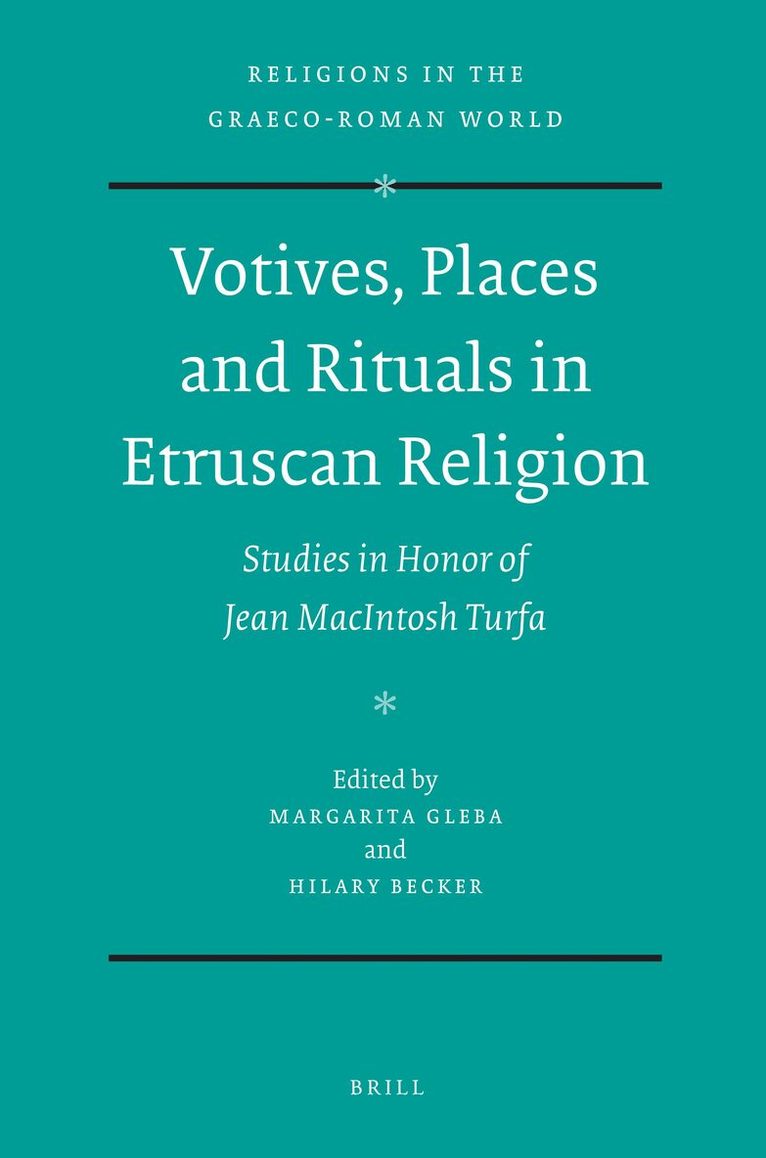
Votives, Places and Rituals in Etruscan Religion
Studies in Honor of Jean MacIntosh Turfa
Inbunden, Engelska, 2008
2 808 kr
Skickas inom 5-8 vardagar
Etruscans were deemed “the most religious of men” by their Roman successors and it is hardly surprising that the topic of Etruscan religion has been explored for some time now. This volume offers a contribution to the continued study of Etruscan religion and daily life, by focusing on the less explored issue of ritual. Ritual is approached through fourteen case studies, considering mortuary customs, votive rituals and other religious and daily life practices. The book gathers new material, interpretations and approaches to the less emphasized areas of Etruscan religion, especially its votive aspects, based on archaeological and epigraphic sources.
E-bok
PDF, Engelska, 20082 565 kr
Läs direkt efter köp
Etruscans were deemed "e;the most religious of men"e; by their Roman successors and it is hardly surprising that the topic of Etruscan religion has been explored for some time now. This volume offers a contribution to the continued study of Etruscan religion and daily life, by focusing on the less explored issue of ritual. Ritual is approached through fourteen case studies, considering mortuary customs, votive rituals and other religious and daily life practices. The book gathers new material, interpretations and approaches to the less emphasized areas of Etruscan religion, especially its votive aspects, based on archaeological and epigraphic sources.
Häftad, Engelska, 2015
515 kr
Tillfälligt slut
The NESAT symposium has grown from the first meeting in 1981 which was attended by 23 scholars, to over 100 at the tenth meeting that took place in Copenhagen in 2008, with virtually all areas of Europe represented. The 50 papers from the conference presented here show the vibrance of the study of archaeological textiles today. Examples studied come from the Bronze Age, Neolithic, the Iron Age, Roman, Viking, the Middle Ages and post-Medieval, and from a wide range of countries including Norway, Czech Republic, Poland, Greece, Germany, Lithuania, Estonia and the Netherlands. Modern techniques of analysis and examination are also discussed.