Henri Hakala – författare
Visar alla böcker från författaren Henri Hakala. Handla med fri frakt och snabb leverans.
6 produkter
Tools for Strategy
A Starter Kit for Academics and Practitioners
Av Henri Hakala, Tero Vuorinen
Häftad, 2020
317 kr
Lägg i varukorg
This Element discusses the concept and applications of strategy tools. Strategy tools are frameworks, techniques, and methods that help individuals and organizations to create their strategies. After a brief overview of different ideas on strategy and strategic thinking, we move on to define and …
Tools for Strategy
A Starter Kit for Academics and Practitioners
Av Tero Vuorinen, Henri Hakala
E-bok, 2020
296 kr
Lägg i varukorg
This Element discusses the concept and applications of strategy tools. Strategy tools are frameworks, techniques, and methods that help individuals and organizations to create their strategies. After a brief overview of different ideas on strategy and strategic thinking, we move on to define and …
Tools for Strategy
A Starter Kit for Academics and Practitioners
Av Tero Vuorinen, Henri Hakala
E-bok, 2020
303 kr
Lägg i varukorg
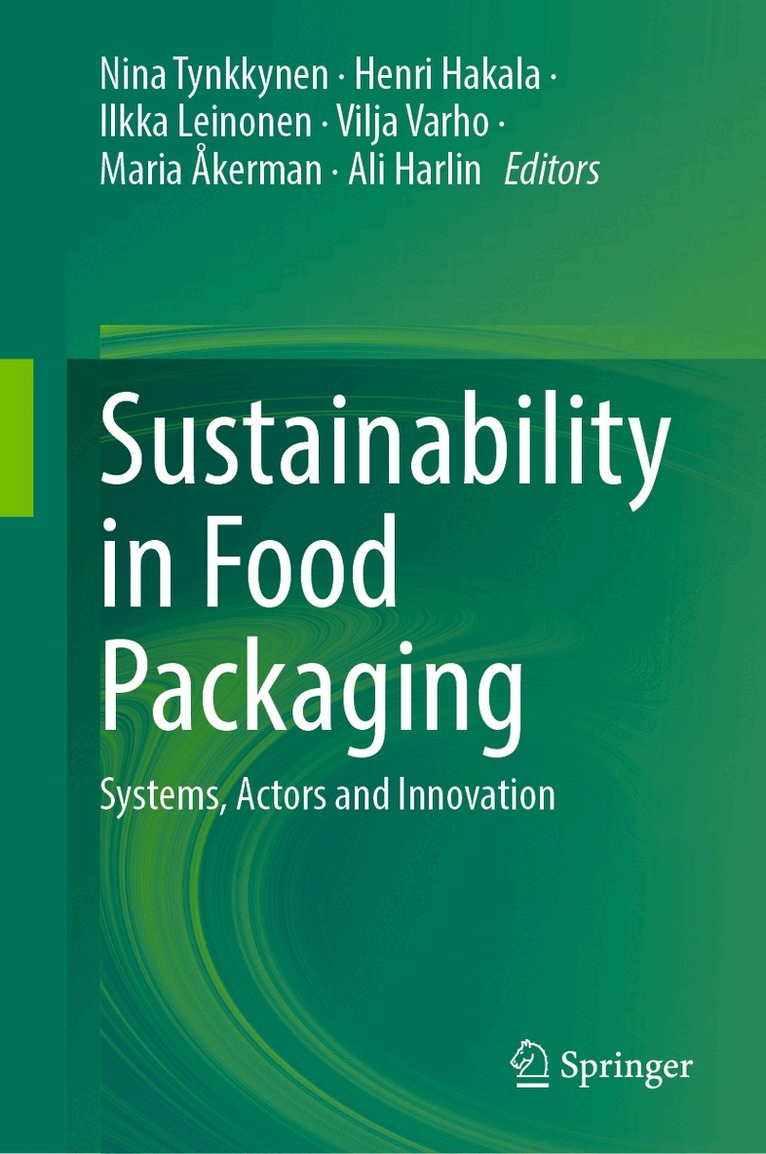
Sustainability in Food Packaging
Systems, Actors and Innovation
Av Nina Tynkkynen, Henri Hakala m. fl.
Inbunden, 2025
1965 kr
Lägg i varukorg
The sustainability of food packaging is a key priority in the food industry, as plastic waste and littering have become global concerns. Packaging waste accounts for over half of total global waste, predominantly from single-use plastic food packaging. Production of packaging consumes significant …
Sustainability in Food Packaging
Systems, Actors and Innovation
Av Ali Harlin, Maria Akerman m. fl.
E-bok, 2025
2599 kr
Lägg i varukorg
The sustainability of food packaging is a key priority in the food industry, as plastic waste and littering have become global concerns. Packaging waste accounts for over half of total global waste, predominantly from single-use plastic food packaging. Production of packaging consumes significant …
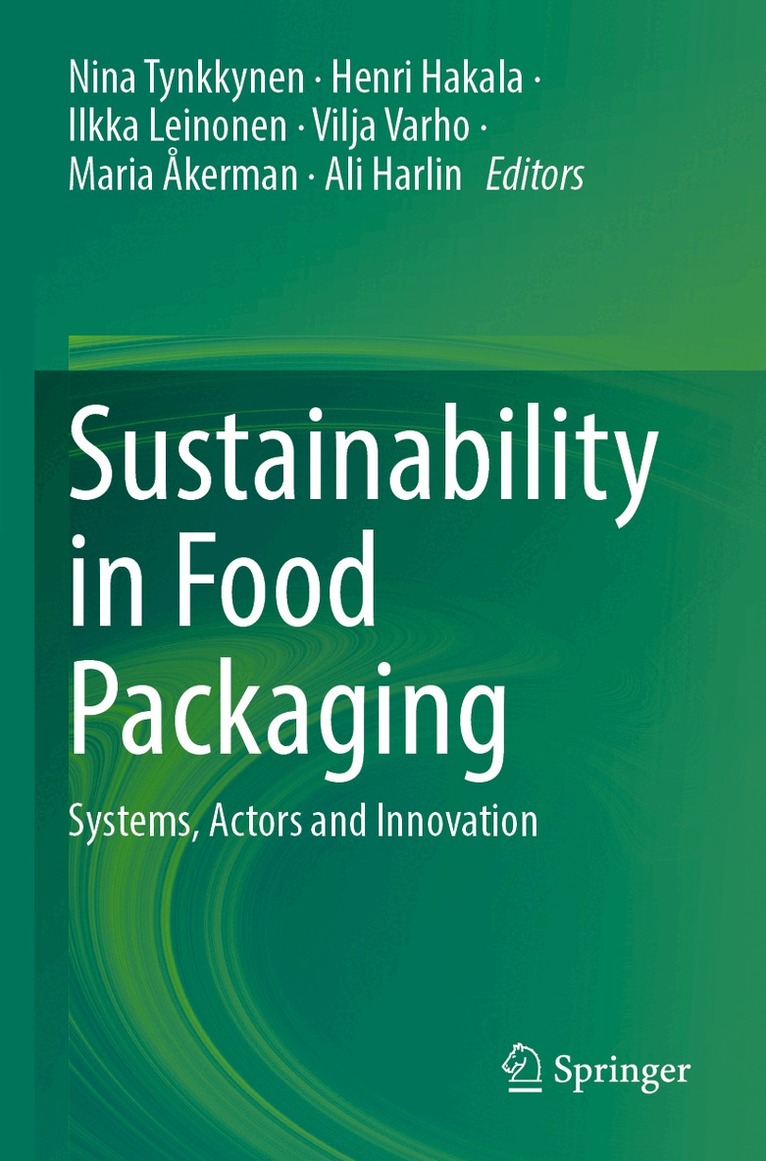
Sustainability in Food Packaging
Systems, Actors and Innovation
Av Nina Tynkkynen, Henri Hakala m. fl.
Häftad, 2026
1965 kr
Lägg i varukorg
The sustainability of food packaging is a key priority in the food industry, as plastic waste and littering have become global concerns. Packaging waste accounts for over half of total global waste, predominantly from single-use plastic food packaging. Production of packaging consumes significant …