Henri Savall – författare
Visar alla böcker från författaren Henri Savall. Handla med fri frakt och snabb leverans.
65 produkter
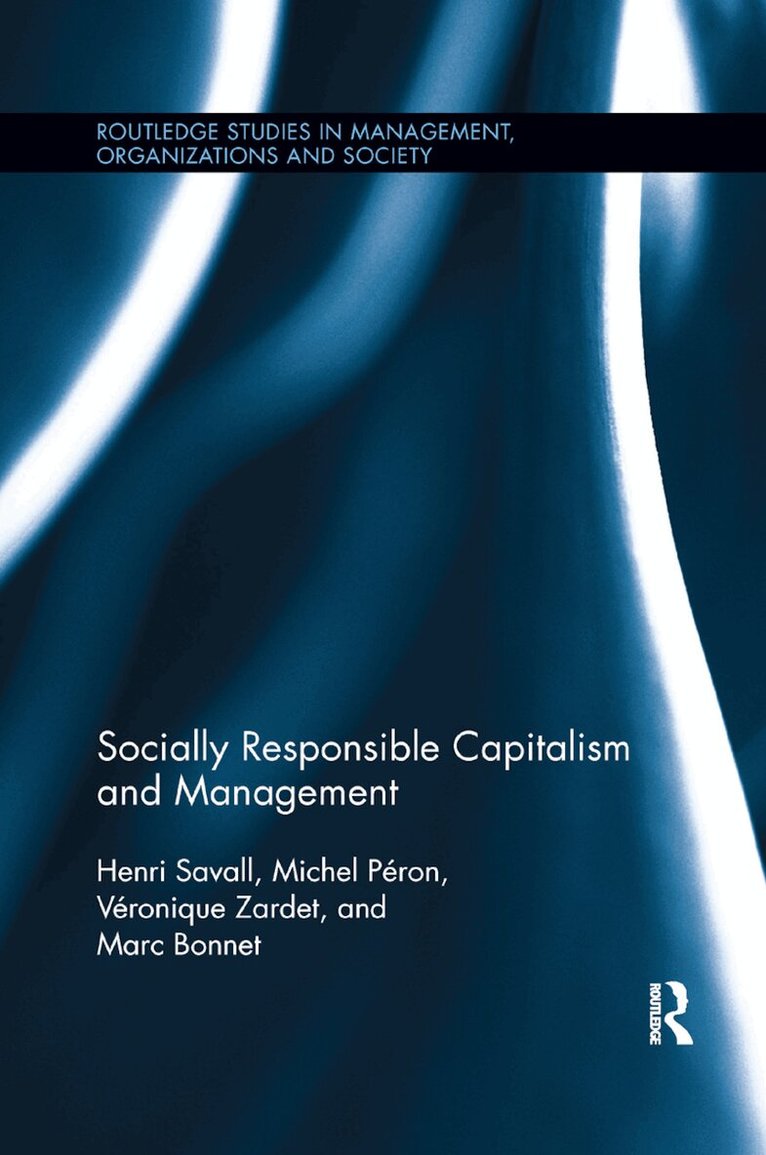
Socially Responsible Capitalism and Management
Av Henri Savall, Michel Péron m. fl.
Häftad, 2019
713 kr
Lägg i varukorg
In the current crisis context, capitalism is questioned by its detractors or defended by its partisans. The concept of Socially Responsible Capitalism (SRC) is based on the entrepreneurial spirit. It encourages exemplary behaviors, such as effective, efficient and ethical behaviors, by stimulating …
Socially Responsible Capitalism and Management
Av Henri Savall, Michel Péron m. fl.
Inbunden, 2017
2831 kr
Lägg i varukorg
In the current crisis context, capitalism is questioned by its detractors or defended by its partisans. The concept of Socially Responsible Capitalism (SRC) is based on the entrepreneurial spirit. It encourages exemplary behaviors, such as effective, efficient and ethical behaviors, by stimulating …
Socially Responsible Capitalism and Management
Av Marc Bonnet, Veronique Zardet m. fl.
E-bok, 2017
820 kr
Lägg i varukorg
In the current crisis context, capitalism is questioned by its detractors or defended by its partisans. The concept of Socially Responsible Capitalism (SRC) is based on the entrepreneurial spirit. It encourages exemplary behaviors, such as effective, efficient and ethical behaviors, by stimulating …
Socially Responsible Capitalism and Management
Av Marc Bonnet, Veronique Zardet m. fl.
E-bok, 2017
838 kr
Lägg i varukorg
In the current crisis context, capitalism is questioned by its detractors or defended by its partisans. The concept of Socially Responsible Capitalism (SRC) is based on the entrepreneurial spirit. It encourages exemplary behaviors, such as effective, efficient and ethical behaviors, by stimulating …
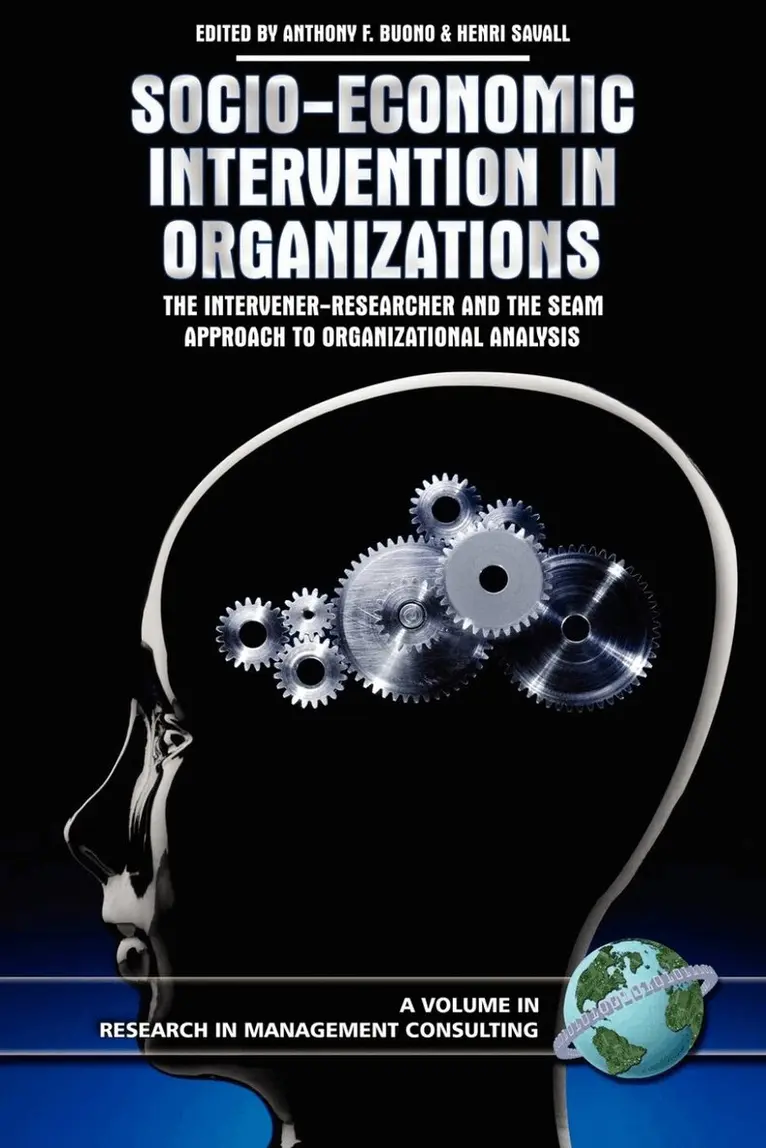
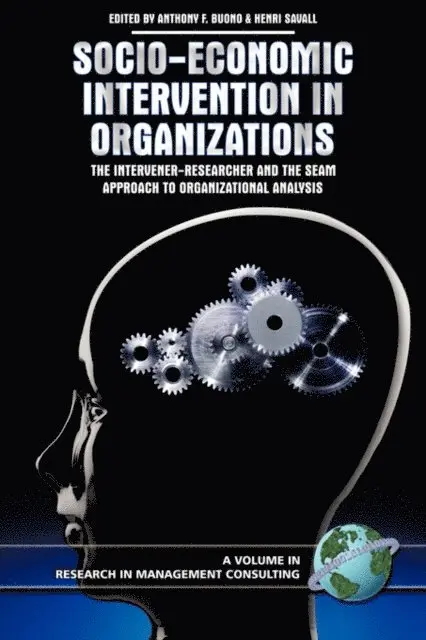
Socio-Economic Intervention in Organizations
The Intervener-Researcher and the Seam Approach to Organizational Analysis
Av Anthony F. Buono, Henri Savall
Häftad, 2007
729 kr
Lägg i varukorg
The volume begins with a chapter by Henri Savall, founder and director of the ISEOR Institute and creator of the SEAM methodology, that presents an overview of the development of the socio-economic approach to management, and its guiding frameworks and methodology. The chapter s detailed …
Socio-Economic Intervention in Organizations
The Intervener-Researcher and the Seam Approach to Organizational Analysis
Av Anthony F. Buono, Henri Savall
Inbunden, 2007
1234 kr
Lägg i varukorg
The volume begins with a chapter by Henri Savall, founder and director of the ISEOR Institute and creator of the SEAM methodology, that presents an overview of the development of the socio-economic approach to management, and its guiding frameworks and methodology. The chapter s detailed …
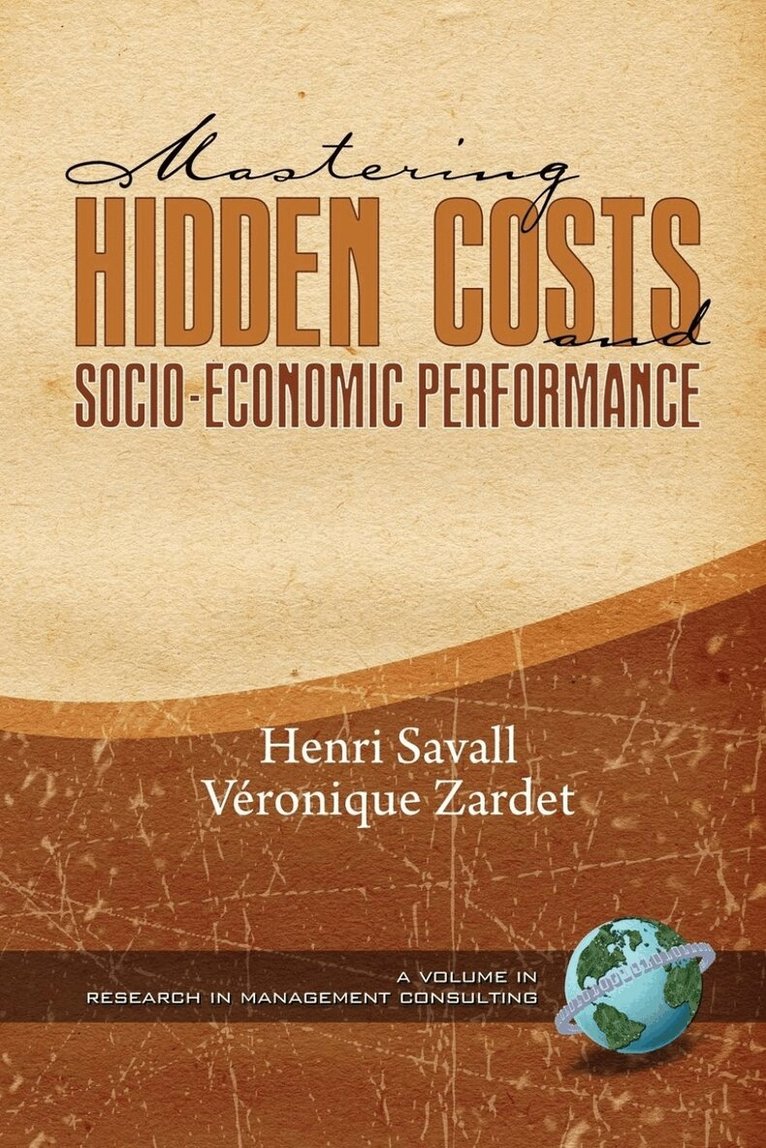
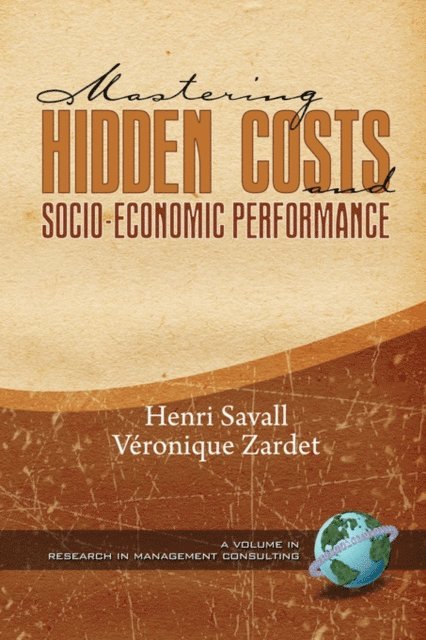
Mastering Hidden Costs and Socio-Economic Performance
Av Henri Savall, Vronique Zardet m. fl.
Häftad, 2008
729 kr
Lägg i varukorg
This volume is a first for the Research in Management Consulting series. As research and theory building in management consulting have grown rapidly during the past several years, the series is dedicated to capturing the latest thinking from applied scholars and scholarly practitioners in this …
Mastering Hidden Costs and Socio-Economic Performance
Av Henri Savall, Vronique Zardet m. fl.
Inbunden, 2008
1234 kr
Lägg i varukorg
This volume is a first for the Research in Management Consulting series. As research and theory building in management consulting have grown rapidly during the past several years, the series is dedicated to capturing the latest thinking from applied scholars and scholarly practitioners in this …
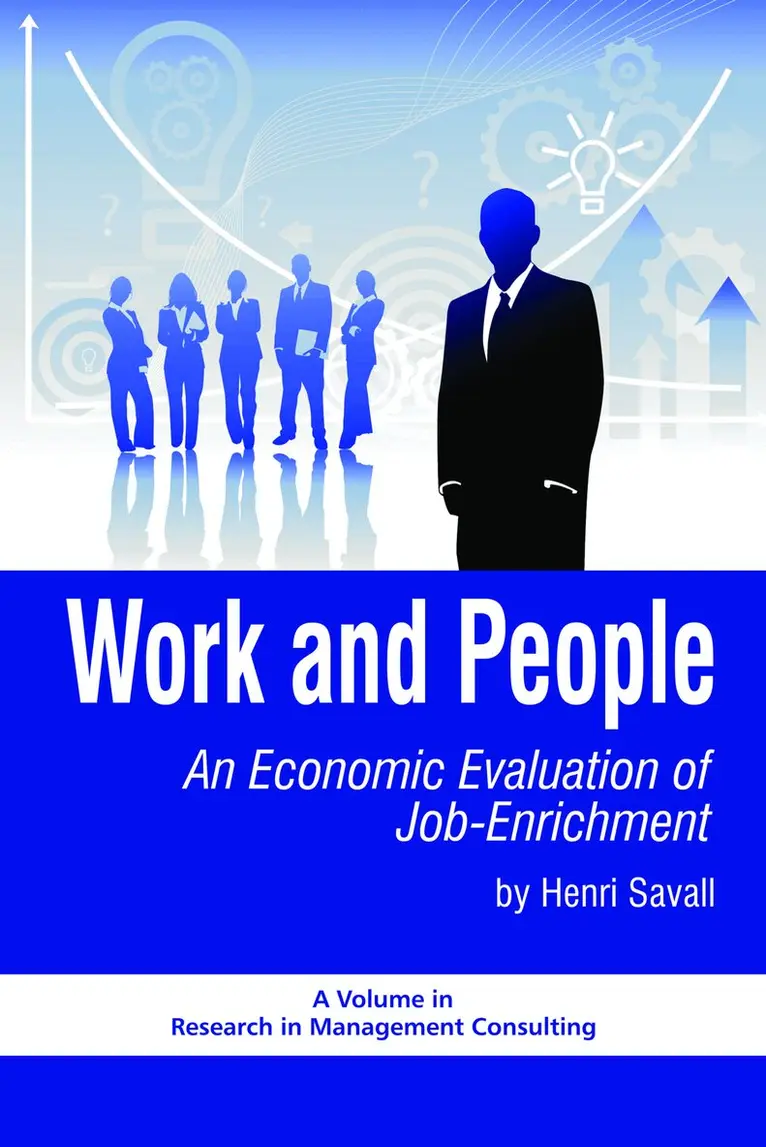
Work and People
An Economic Evaluation of Job Enrichment
Av Henri Savall
Häftad, 2010
657 kr
Lägg i varukorg
The reprint of Henri Savall’s classic Work and People, originally published in French in 1974, is part of the Research in Management Consulting series effort to look backward as well as forward in examining trends, perspectives, and insights – especially from different countries and cultures – into …
Work and People
An Economic Evaluation of Job Enrichment
Av Henri Savall
Inbunden, 2010
1162 kr
Lägg i varukorg
The reprint of Henri Savall’s classic Work and People, originally published in French in 1974, is part of the Research in Management Consulting series effort to look backward as well as forward in examining trends, perspectives, and insights – especially from different countries and cultures – into …
Work and People
An Economic Evaluation of Job Enrichment
Av Henri Savall
E-bok, 2010
472 kr
Lägg i varukorg
The reprint of Henri Savall’s classic Work and People, originally published in French in 1974, is part of the Research in Management Consulting series effort to look backward as well as forward in examining trends, perspectives, and insights – especially from different countries and cultures – into …
Socio-Economic Intervention in Organizations
The Intervener-Researcher and the Seam Approach to Organizational Analysis
Av Henri Savall, Anthony F. Buono
E-bok, 2007
525 kr
Lägg i varukorg
The volume begins with a chapter by Henri Savall, founder and director of the ISEOR Institute and creator of the SEAM methodology, that presents an overview of the development of the socio-economic approach to management, and its guiding frameworks and methodology. The chapter s detailed …
Mastering Hidden Costs and Socio-Economic Performance
Av Veronique Zardet, Henri Savall
E-bok, 2008
514 kr
Lägg i varukorg
This volume is a first for the Research in Management Consulting series. As research and theory building in management consulting have grown rapidly during the past several years, the series is dedicated to capturing the latest thinking from applied scholars and scholarly practitioners in this …
Towards More Humane Work
Av Henri Savall
Häftad, 2011
527 kr
Lägg i varukorg
Savall's insights into the complexity of organizational life were groundbreaking, articulating the need to examine both economic and social factors as part of the same analysis, assessing technical and behavioral patterns through the lens of an integrated framework. As he has argued, there is a …
Towards More Humane Work
Av Henri Savall
E-bok, 2011
378 kr
Lägg i varukorg
Savall''s insights into the complexity of organizational life were groundbreaking, articulating the need to examine both economic and social factors as part of the same analysis, assessing technical and behavioral patterns through the lens of an integrated framework. As he has argued, there is a …
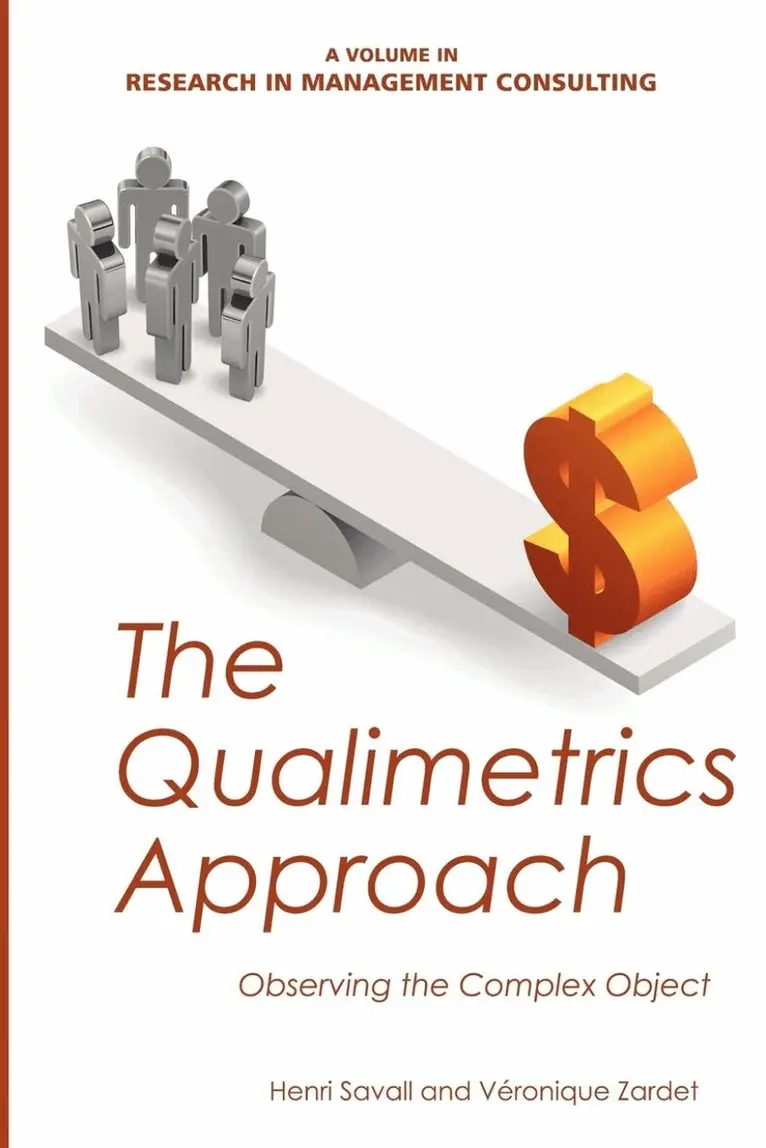
Qualimetrics Approach
Observing the Complex Object
Av Henri Savall, Véronique Zardet
Häftad, 2011
729 kr
Lägg i varukorg
The impetus for this work emerged from Savall’s belief that there is a doubleloop interaction between social and economic factors in organizations, between behaviors and structures, and between the quality of life in organizations and their economic performance. When managers underestimate this …
Qualimetrics Approach
Observing the Complex Object
Av Henri Savall, Véronique Zardet
Inbunden, 2011
1234 kr
Lägg i varukorg
The impetus for this work emerged from Savall’s belief that there is a doubleloop interaction between social and economic factors in organizations, between behaviors and structures, and between the quality of life in organizations and their economic performance. When managers underestimate this …
Qualimetrics Approach
Observing the Complex Object
Av Veronique Zardet, Henri Savall
E-bok, 2011
525 kr
Lägg i varukorg
The impetus for this work emerged from Savall’s belief that there is a doubleloop interaction between social and economic factors in organizations, between behaviors and structures, and between the quality of life in organizations and their economic performance. When managers underestimate this …
The Fundamental Origin of Economic Crises
Germán Bernácer, visionary pioneer
Av Henri Savall
Häftad, 2012
729 kr
Lägg i varukorg
This book is written in the french language. Henri Savall gives his insight on the economic crises in organizations.
The Fundamental Origin of Economic Crises
Germán Bernácer, visionary pioneer
Av Henri Savall
Inbunden, 2012
1090 kr
Lägg i varukorg
This book is written in the french language. Henri Savall gives his insight on the economic crises in organizations.
The Fundamental Origin of Economic Crises
Germán Bernácer, visionary pioneer
Av Henri Savall
E-bok, 2012
514 kr
Lägg i varukorg
This book is written in the french language. Henri Savall gives his insight on the economic crises in organizations.
Dynamics and Challenges of Tetranormalization
Av Henri Savall, Véronique Zardet
Häftad, 2013
585 kr
Lägg i varukorg
This volume continues the collaboration between the RMC book series and the French management research think tank ISEOR (Socio-Economic Institute for Firms and Organizations). Those familiar with Henri Savall’s and his colleague Véronique Zardet’s earlier work on the socio-economic theory of …
Dynamics and Challenges of Tetranormalization
Av Henri Savall, Veronique Zardet m. fl.
Inbunden, 2013
1090 kr
Lägg i varukorg
This volume continues the collaboration between the RMC book series and the French management research think tank ISEOR (Socio-Economic Institute for Firms and Organizations). Those familiar with Henri Savall’s and his colleague Véronique Zardet’s earlier work on the socio-economic theory of …
Dynamics and Challenges of Tetranormalization
Av Veronique Zardet, Henri Savall
E-bok, 2013
420 kr
Lägg i varukorg
This volume continues the collaboration between the RMC book series and the French management research think tank ISEOR (Socio-Economic Institute for Firms and Organizations). Those familiar with Henri Savall’s and his colleague Véronique Zardet’s earlier work on the socio-economic theory of …
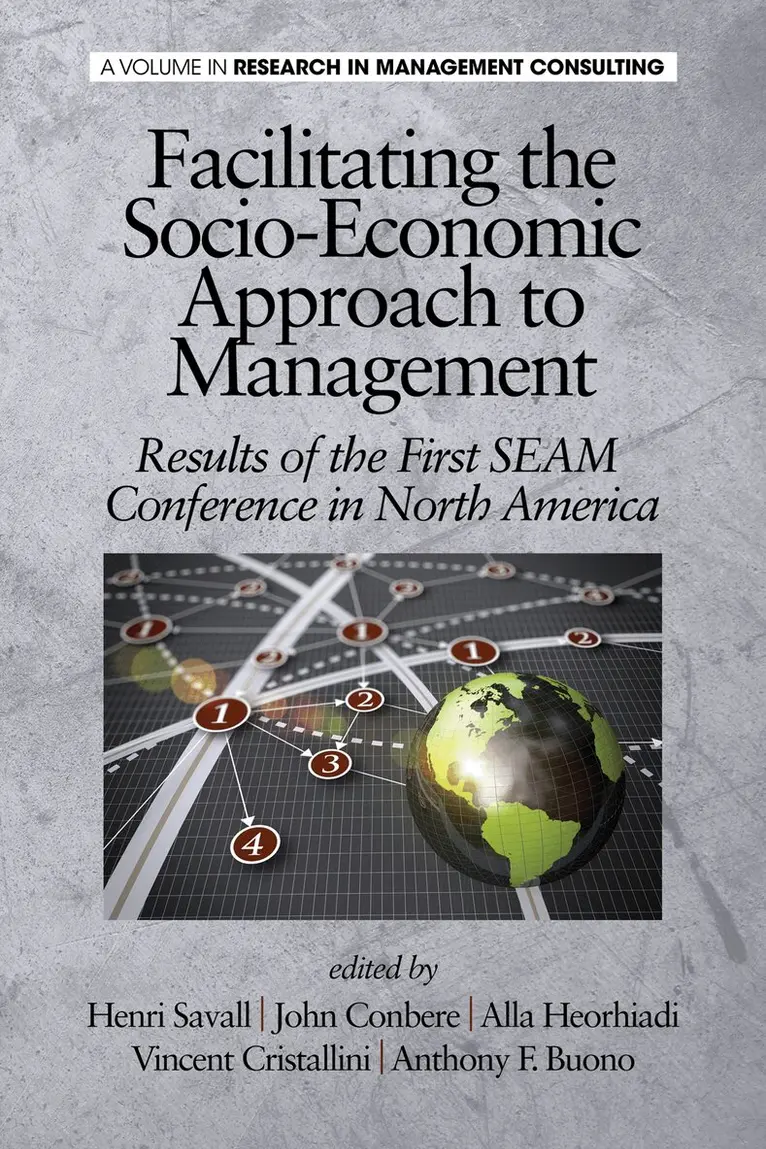
Facilitating the Socio-Economic Approach to Management
Results of the First Seam Conference in North America
Av Henri Savall, John Conbere m. fl.
Häftad, 2014
657 kr
Lägg i varukorg
This book is the 20th volume in the Research in Management Consulting series and the sixth major collaboration with Henri Savall, Véronique Zardet, and their team of intervenerresearchers from the Socio-Economic Institute for Firms and Organizations (ISEOR) in LyonÉcully, France. In 2013, for the …
Facilitating the Socio-Economic Approach to Management
Results of the First Seam Conference in North America
Av Henri Savall, John Conbere m. fl.
Inbunden, 2014
1162 kr
Lägg i varukorg
This book is the 20th volume in the Research in Management Consulting series and the sixth major collaboration with Henri Savall, Véronique Zardet, and their team of intervenerresearchers from the Socio-Economic Institute for Firms and Organizations (ISEOR) in LyonÉcully, France. In 2013, for the …
Facilitating the Socio-Economic Approach to Management
Results of the First Seam Conference in North America
Av Anthony F. Buono, Vincent Cristallini m. fl.
E-bok, 2014
472 kr
Lägg i varukorg
This book is the 20th volume in the Research in Management Consulting series and the sixth major collaboration with Henri Savall, Véronique Zardet, and their team of intervenerresearchers from the Socio-Economic Institute for Firms and Organizations (ISEOR) in LyonÉcully, France. In 2013, for the …
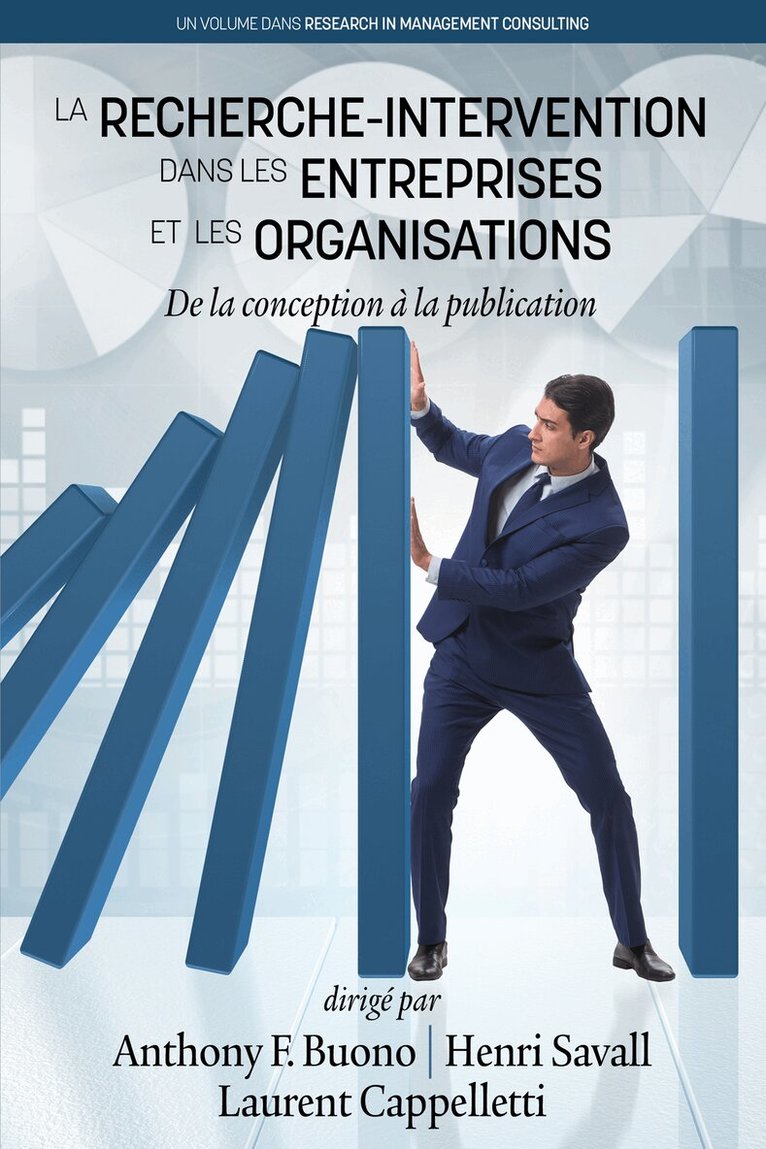
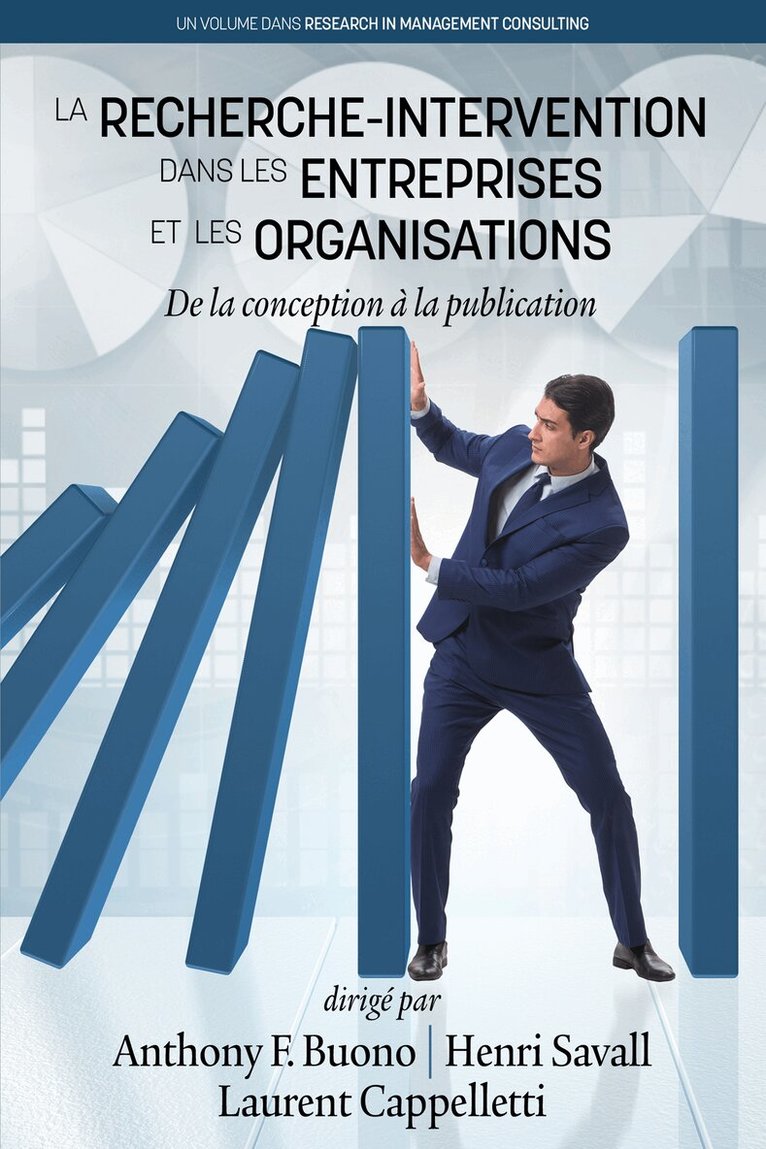
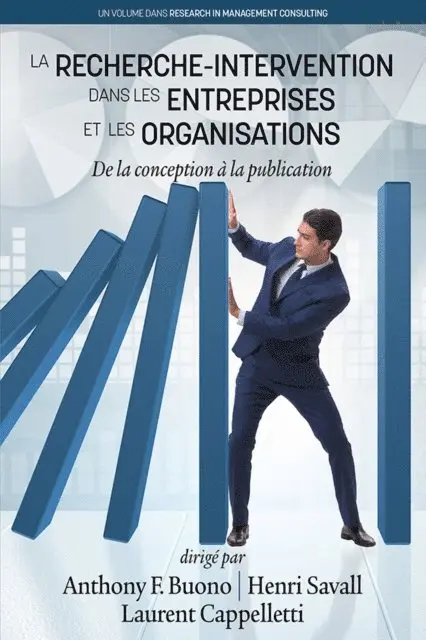
Action Research in Businesses and Organisations
From Conception to Publication
Av Anthony F. Buono, Henri Savall m. fl.
Häftad, 2018
657 kr
Lägg i varukorg
This volume continues to build on the relationship between the Research in Management Consulting series and the intervener-researchers at the Socio-Economic Institute for Firms and Organizations (ISEOR) in Ecully, France, extending that partnership to our recent work with the French Foundation for …
Action Research in Businesses and Organisations
From Conception to Publication
Av Anthony F. Buono, Henri Savall m. fl.
Inbunden, 2018
1162 kr
Lägg i varukorg
This volume continues to build on the relationship between the Research in Management Consulting series and the intervener-researchers at the Socio-Economic Institute for Firms and Organizations (ISEOR) in Ecully, France, extending that partnership to our recent work with the French Foundation for …
Action Research in Businesses and Organisations
From Conception to Publication
Av Laurent Cappelletti, Henri Savall m. fl.
E-bok, 2018
472 kr
Lägg i varukorg
This volume continues to build on the relationship between the Research in Management Consulting series and the intervener-researchers at the Socio-Economic Institute for Firms and Organizations (ISEOR) in Ecully, France, extending that partnership to our recent work with the French Foundation for …