Henriette Dahan Kalev – författare
Visar alla böcker från författaren Henriette Dahan Kalev. Handla med fri frakt och snabb leverans.
2 produkter
2 produkter
1 209 kr
Skickas inom 10-15 vardagar
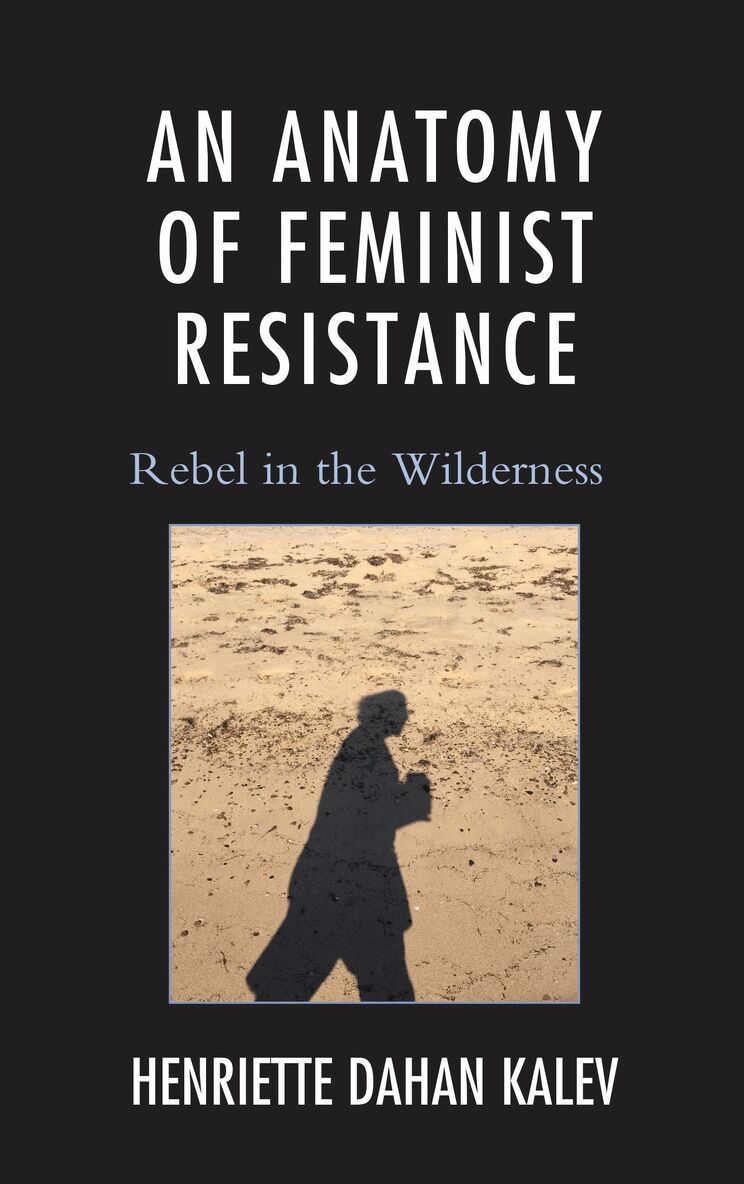
The book explores the story of two women living in remote town Mitzpe Ramon, in the Negev Desert in south Israel. These women lived in poverty and worked under oppressive conditions for all their lives until one day they began to resist. Standing for the rights of working women and mothers, they led protests and strikes that shook the entire country for weeks. In An Anatomy of Feminist Resistance: Rebel in the Wilderness, Dahan Kalev’s innovative perspective examines both the public and private spheres of these woman’s lives and reveals the existence of a third sphere in which women are able to find their voices. This study deciphers what causes women to accept conditions of oppression, under what circumstances will women begin to resist, and what are the political transformations rebellious women undergo while fighting oppression.
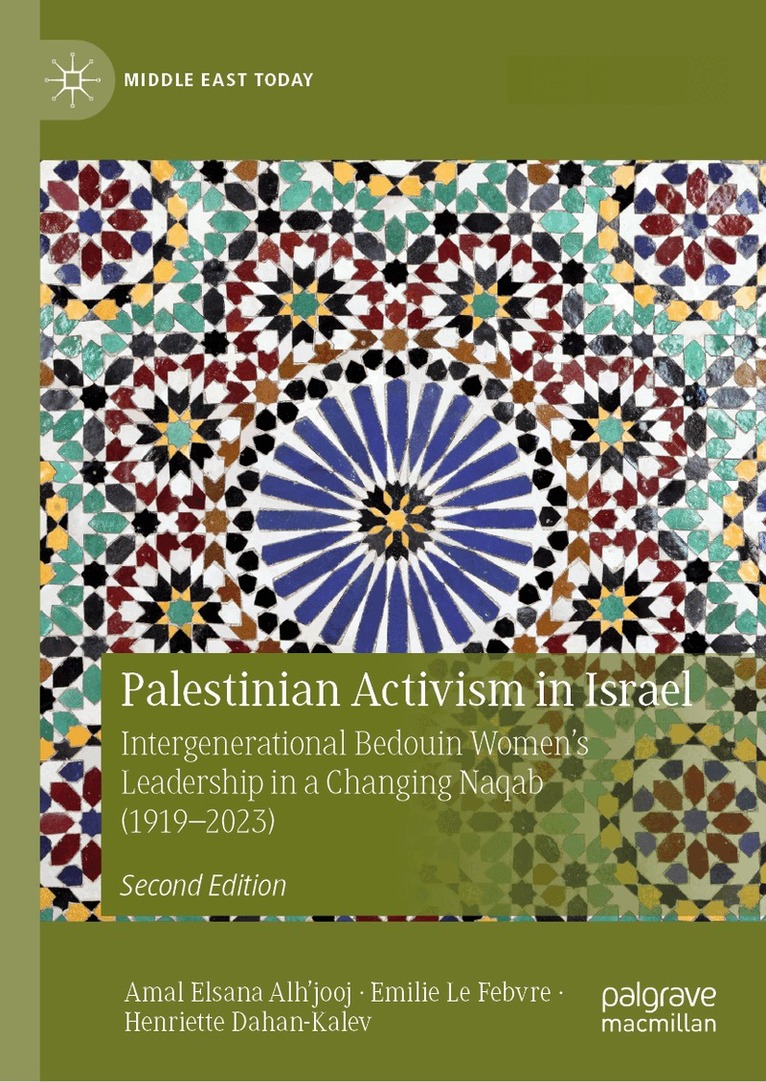
Palestinian Activism in Israel
Intergenerational Bedouin Women’s Leadership in a Changing Naqab (1919–2023)
Inbunden, Engelska, 2026
1 510 kr
Skickas inom 10-15 vardagar
This second edition of Palestinian Activism in Israel deepens the exploration of Bedouin women’s leadership in the Naqab through the intergenerational activist biographies of three women from the Al-Sana lineage. Building on the first edition’s focus on Amal Al-Sana Alh’jooj, a pioneering Palestinian Bedouin activist, this volume weaves together the narratives of her mother, Hajar Al-Sana, and grandmother, Rukiya Al-Sana, to examine the everyday practices of female political agency in this Bedouin society. It traces how three generations of women navigated patriarchy and colonialism during the Nakba and the Siyag Reservation to the Intifadas and the aftermath of the Prawer Plan. Situated amid gender, identity, community, and tribal belonging, the book describes the lived experiences of Naqab Bedouin women’s steadfastness (sumud) and survival. Through empirical research and anthropological description, it highlights the intersectionalities and complexity of their activism(s) and calls for rethinking the multigenerational experiences of Palestinian women in the Middle East through the perspectives of the activists themselves.