Henrik Stenius – författare
Visar alla böcker från författaren . Handla med fri frakt och snabb leverans.
3 produkter
3 produkter
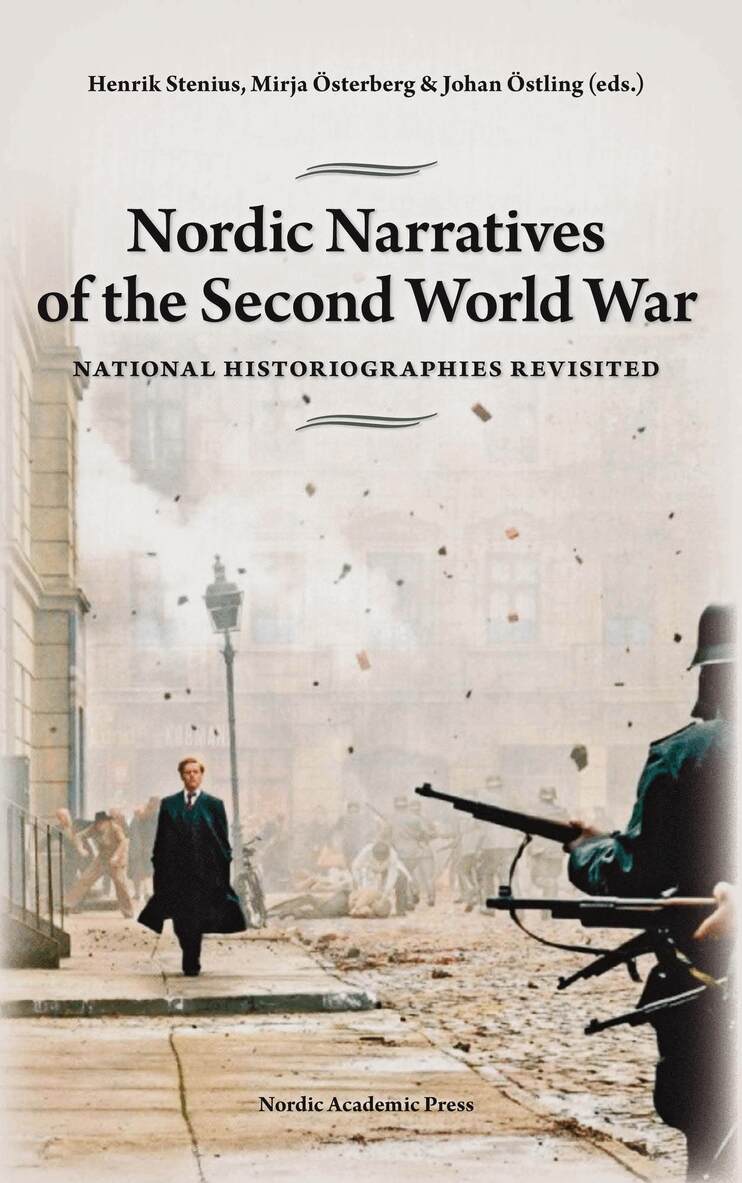
Inbunden, Engelska, 2011
222 kr
»Sammantaget är Nordic Narratives of the Second World War en viktig bok, som en introduktion till de nordiska ländernas historiska berättelser om andra världskriget. Boken inbjuder till en stimulerande diskussion.« H-Soz-u-Kult»Nordic Narratives of the Second World War is a solid starting point for those outside the Scandinavian field looking to include Nordic perspectives on World War II, national narratives, and memory construction. The book raises larger questions about nation-states and twentieth-century national myths, and individual essays to varying degrees seek to push historical interpretations to larger questions of the role of national histories in current historical writing. Given the ongoing concerns about the threat to professional historians' authority in an age when access to archival and historical texts is expanding with digitization and Internet access, readers may find the underlying question of who has the authority to present and interpret the past as another way to engage with this text.« H-Net, Humanities & Social Sciences OnlineHow have the dramatic events of the Second World War been viewed in the Nordic countries? In Nordic Narratives of the Second World War, leading Nordic historians analyse post-war memory and historiography. They explore the relationship between scholarly and public understandings of the war. How have national interpretations been shaped by official security-policy doctrines? And in what way has the end of the Cold War affected the Nordic narratives? The authors not only present the overarching themes that set the Nordic experience of the Second World War apart from other European narratives, but also describe the distinctive postwar characteristics of Denmark, Norway, Finland, Iceland, and Sweden. Key concepts such as national identity, memory culture, and the moral turn are placed in their Nordic context.Bringing new nuance to the post-war history of Europe, this is the first work to focus on Nordic narratives of the war, and is valuable reading for students, academics, and all who have an interest in the historiography of the Second World War or modern European history.
E-bok
Engelska, 2015169 kr
Läs direkt efter köp
»Sammantaget är Nordic Narratives of the Second World War en viktig bok, som en introduktion till de nordiska ländernas historiska berättelser om andra världskriget. Boken inbjuder till en stimulerande diskussion.« H-Soz-u-Kult »Nordic Narratives of the Second World War is a solid starting point for those outside the Scandinavian field looking to include Nordic perspectives on World War II, national narratives, and memory construction. The book raises larger questions about nation-states and twentieth-century national myths, and individual essays to varying degrees seek to push historical interpretations to larger questions of the role of national histories in current historical writing. Given the ongoing concerns about the threat to professional historians' authority in an age when access to archival and historical texts is expanding with digitization and Internet access, readers may find the underlying question of who has the authority to present and interpret the past as another way to engage with this text.« H-Net, Humanities & Social Sciences Online How have the dramatic events of the Second World War been viewed in the Nordic countries? In Nordic Narratives of the Second World War, leading Nordic historians analyse post-war memory and historiography. They explore the relationship between scholarly and public understandings of the war. How have national interpretations been shaped by official security-policy doctrines? And in what way has the end of the Cold War affected the Nordic narratives? The authors not only present the overarching themes that set the Nordic experience of the Second World War apart from other European narratives, but also describe the distinctive postwar characteristics of Denmark, Norway, Finland, Iceland, and Sweden. Key concepts such as national identity, memory culture, and the moral turn are placed in their Nordic context. Bringing new nuance to the post-war history of Europe, this is the first work to focus on Nordic narratives of the war, and is valuable reading for students, academics, and all who have an interest in the historiography of the Second World War or modern European history.
E-bok
Finska, 2025528 kr
Läs direkt efter köp
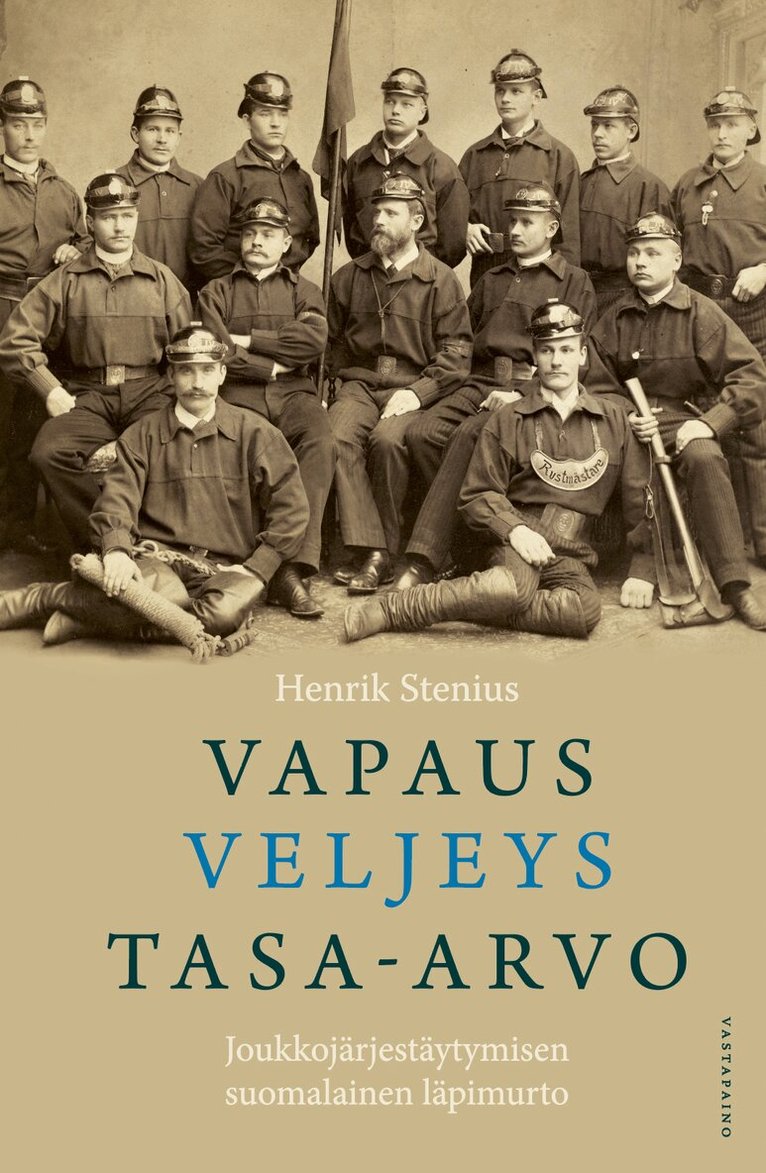
"Vapaus, veljeys, tasa-arvo" on moderni klassikko. Historioitsija Henrik Steniuksen teos tarkastelee Suomen kansansivistyksen historiaa ja syntyä."Vapaus, veljeys, tasa-arvo" piirtää kokonaiskuvan yhdistystoiminnan ja joukkojärjestäytymis-periaatteen läpimurrosta Suomessa 1700-luvun lopulta 1900-luvun alkuun. Samalla teos on kuvaus suomalaisen yhteiskunnan ja politiikan katkoksista ja murroksista, kun uudet väestöryhmät alkavat vaatia itselleen vaikuttamismahdollisuuksia ja kamppailevat oikeuksistaan täysivaltaisina kansalaisina.Stenius tarkastelee joukkojärjestäytymisen läpimurtoa vertailevasta perspektiivistä, osana modernin kansakunnan ja valtion muodostusta. Tulkinnalla on erityistä painoarvoa tänään, kun julkisen keskustelun keskiössä on yhä useammin suomalaisen ja eurooppalaisen politiikan suhde.Steniuksen tutkimus avaa tähän keskusteluun näköalan yli helppojen etnisten vastakkainasettelujen. Hän on kirjoittanut uudenlaisen suomalaisen, ruotsalaisen ja eurooppalaisen historian siitä, miten alamaisista tuli kansalaisia ja suomalaisista suomalaisia.Kirja on julkaistu vuonna 1987 väitöskirjana "Frivilligt, jämlikt, samfällt. Föreningsväsendets utveckling i Finland fram till 1900-talets början med speciell hänsyn till massorganisationsprincipens genombrott".