Henry K. Miller – författare
Visar alla böcker från författaren Henry K. Miller. Handla med fri frakt och snabb leverans.
10 produkter
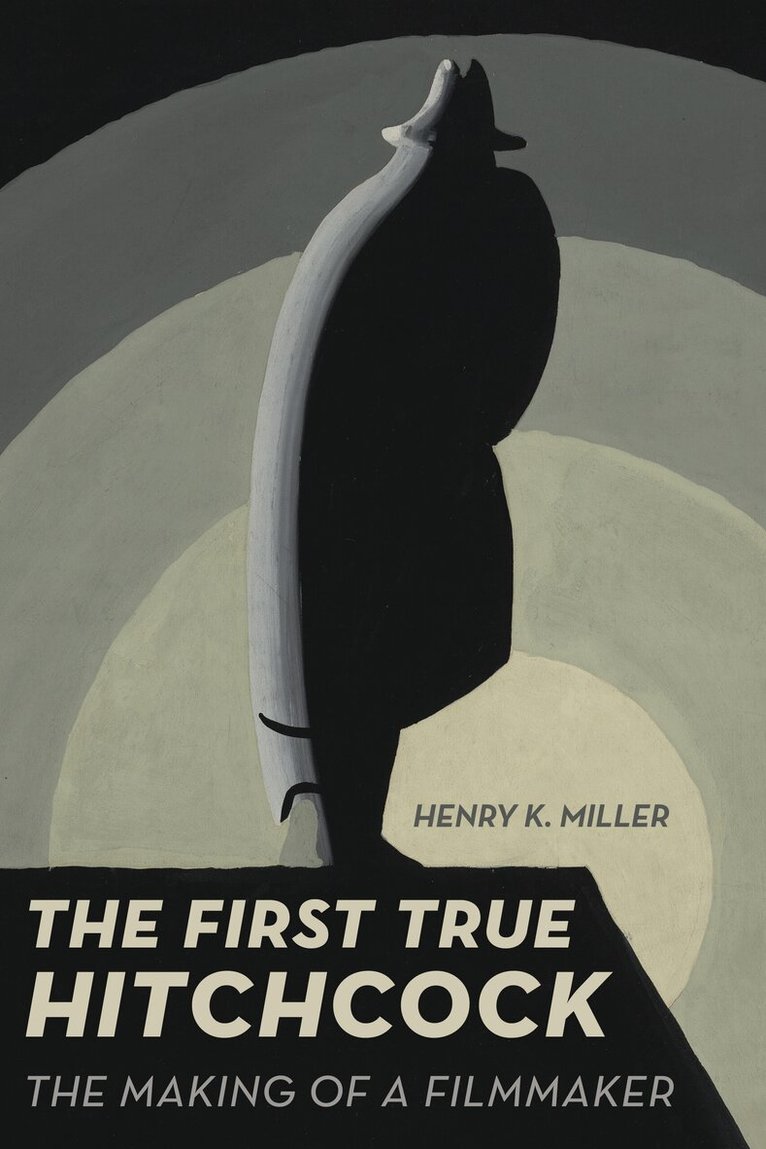
First True Hitchcock
The Making of a Filmmaker
Inbunden, 2022
873 kr
Lägg i varukorg
Hitchcock’s previously untold origin story.Alfred Hitchcock called The Lodger "the first true Hitchcock movie," the one that anticipated all the others. And yet the story of how The Lodger came to be made is shrouded in myth, often repeated and much embellished, even by Hitchcock himself. The First …
First True Hitchcock
The Making of a Filmmaker
Häftad, 2022
253 kr
Lägg i varukorg
Hitchcock’s previously untold origin story.Alfred Hitchcock called The Lodger "the first true Hitchcock movie," the one that anticipated all the others. And yet the story of how The Lodger came to be made is shrouded in myth, often repeated and much embellished, even by Hitchcock himself. The First …
History of the Japan Mission of the Reformed Church in the United States, 1879-1904
Av Henry K Miller, Board of Foreign Missions Reformed Ch
Inbunden, 2022
356 kr
Lägg i varukorg
History of the Japan Mission of the Reformed Church in the United States, 1879-1904
Av Henry K Miller, Board of Foreign Missions Reformed Ch
Häftad, 2022
196 kr
Lägg i varukorg
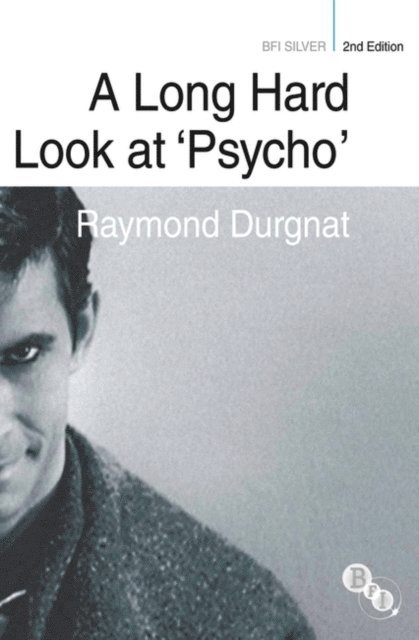
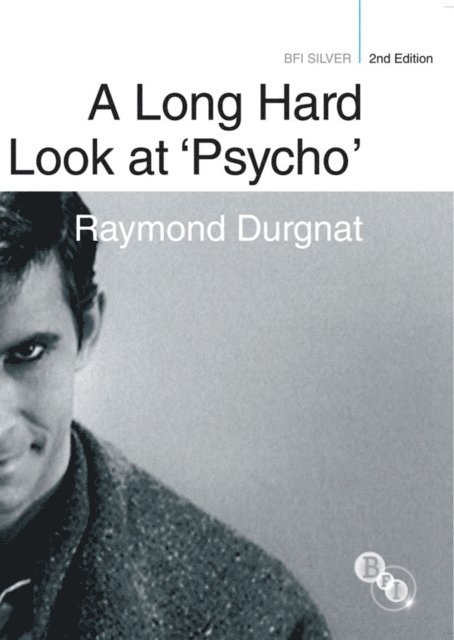
Long Hard Look at 'Psycho'
Av Raymond Durgnat, Henry K. Miller
E-bok, 2019
433 kr
Lägg i varukorg
Upon its release in 1960, Alfred Hitchcock''s Psycho divided critical opinion, with several leading film critics condemning Hitchcock''s apparent encouragement of the audience''s identification with the gruesome murder that lies at the heart of the film. Such antipathy did little to harm Psycho''s …
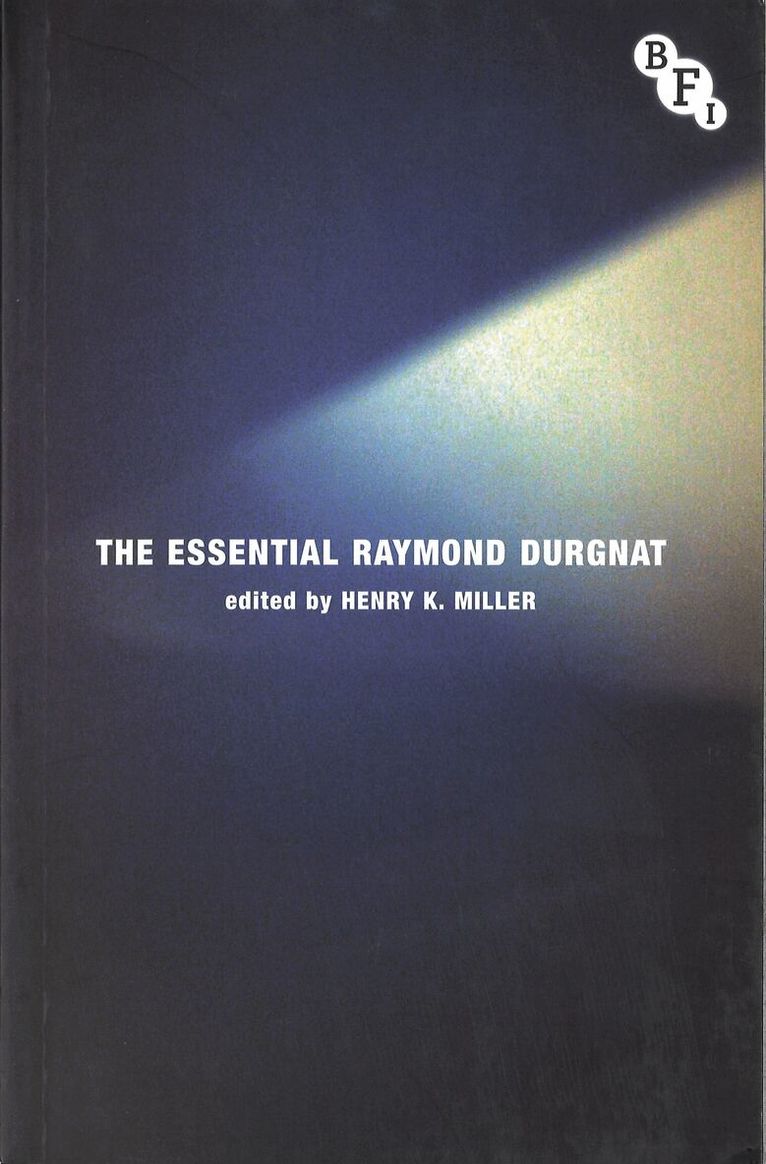
Essential Raymond Durgnat
E-bok, 2019
596 kr
Lägg i varukorg
Raymond Durgnat was a maverick voice during the golden age of film criticism. From the French New Wave and the rise of auteurism, through the late 1960s counter-culture, to the rejuvenated Hollywood of the 1970s, his work appeared in dozens of publications in Britain, France and the USA. At once …
Essential Raymond Durgnat
E-bok, 2019
596 kr
Lägg i varukorg
Raymond Durgnat was a maverick voice during the golden age of film criticism. From the French New Wave and the rise of auteurism, through the late 1960s counter-culture, to the rejuvenated Hollywood of the 1970s, his work appeared in dozens of publications in Britain, France and the USA. At once …
Long Hard Look at 'Psycho'
Av Raymond Durgnat, Henry K. Miller
Häftad, 2010
407 kr
Lägg i varukorg
Upon its release in 1960, Alfred Hitchcock's Psycho divided critical opinion, with several leading film critics condemning Hitchcock's apparent encouragement of the audience's identification with the gruesome murder that lies at the heart of the film. Such antipathy did little to harm Psycho's …
Essential Raymond Durgnat
Av Henry K Miller, Henry K. Miller
Häftad, 2014
546 kr
Lägg i varukorg
Raymond Durgnat was a maverick voice during the golden age of film criticism. From the French New Wave and the rise of auteurism, through the late 1960s counter-culture, to the rejuvenated Hollywood of the 1970s, his work appeared in dozens of publications in Britain, France and the USA.At once …
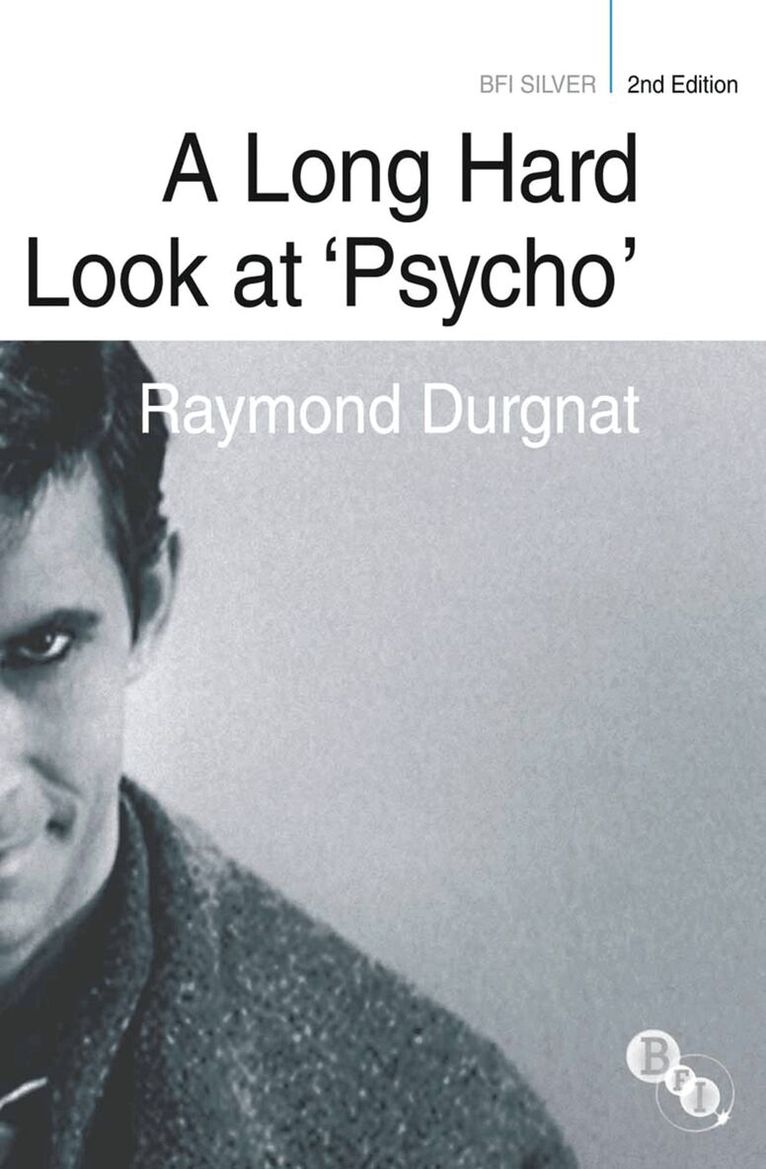
Long Hard Look at 'Psycho'
Av Raymond Durgnat, Henry K. Miller
E-bok, 2017
437 kr
Lägg i varukorg
U?pon its release in 1960, Alfred Hitchcock''s Psycho divided critical opinion, with several leading film critics condemning Hitchcock''s apparent encouragement of the audience''s identification with the gruesome murder that lies at the heart of the film. Such antipathy did little to harm Psycho …