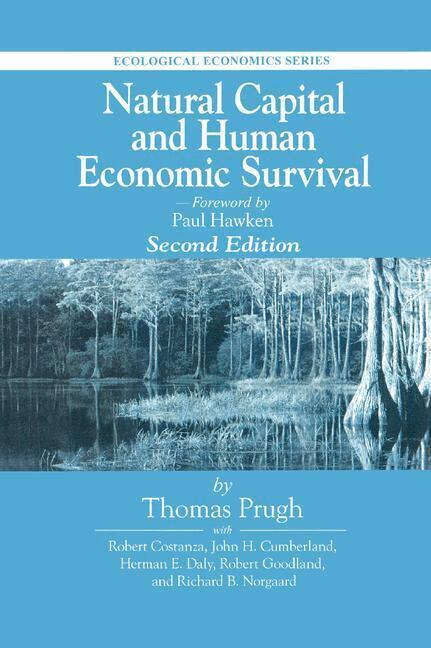
Most people love nature and consider themselves environmentalists, but nature isn't just pretty and lovable, it is indispensable to our survival and economic activity. That is the most compelling reason for environmental protection.The conventional economic wisdom views land (natural capital) as a small part of the economy, along with capital, labor, technology and so on. The authors argue that this is backwards: that the economy nests within the environment (land) and not the other way around.The authors give a brief history of the origins of conventional economic wisdom and critique it from a the standpoint of ecological economics. They explain what natural capital -our life support system - is and does, and describe the severe strains that have been put on it. They conclude with some policy options, such as green taxes and suggestions for personal action that would conserve natural capital and thus make conserve resources for present and future generations.Natural Capital and Human Economic Survival is written for environmentalists, environmental studies majors and anyone concerned about the flaws of mainstream economics - how it has led us into unsustainable ways of living - and who would like to learn about alternatives that are more sustainable.
This completely revised and updated second edition integrates the study and management of humans and the rest of nature. It provides a unified understanding of natural and human-dominated ecosystems and reintegrates the market economy within society and the rest of nature. The new edition adds a series of boxes to expand and update information in the current text and addresses such topical issues common asset trusts, payment for ecosystem services, and alternatives to GDP.
Most people love nature and consider themselves environmentalists, but nature isn't just pretty and lovable, it is indispensable to our survival and economic activity. That is the most compelling reason for environmental protection.The conventional economic wisdom views land (natural capital) as a small part of the economy, along with capital, labor, technology and so on. The authors argue that this is backwards: that the economy nests within the environment (land) and not the other way around.The authors give a brief history of the origins of conventional economic wisdom and critique it from a the standpoint of ecological economics. They explain what natural capital -our life support system - is and does, and describe the severe strains that have been put on it. They conclude with some policy options, such as green taxes and suggestions for personal action that would conserve natural capital and thus make conserve resources for present and future generations.Natural Capital and Human Economic Survival is written for environmentalists, environmental studies majors and anyone concerned about the flaws of mainstream economics - how it has led us into unsustainable ways of living - and who would like to learn about alternatives that are more sustainable.
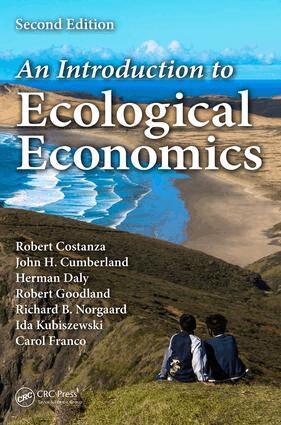
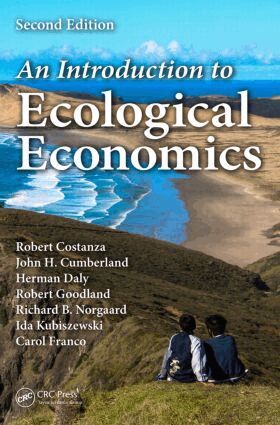
From Empty-World Economics to Full-World EconomicsEcological economics explores new ways of thinking about how we manage our lives and our planet to achieve a sustainable, equitable, and prosperous future. Ecological economics extends and integrates the study and management of both "nature's household" and "humankind's household"—An Introduction to Ecological Economics, Second Edition, the first update and expansion of this classic text in 15 years, describes new approaches to achieving a sustainable and desirable human presence on Earth. Written by the top experts in the field, it addresses the necessity for an innovative approach to integrated environmental, social, and economic analysis and management, and describes policies aimed at achieving our shared goals. Demands a Departure from Business as UsualThe book begins with a description of prevailing interdependent environmental, economic, and social issues and their underlying causes, and offers guidance on designing policies and instruments capable of adequately coping with these problems. It documents the historical development of the disciplines of economics and ecology, and explores how they have evolved so differently from a shared conceptual base. Structured into four sections, it also presents various ideas and models in their proper chronological context, details the fundamental principles of ecological economics, and outlines prospects for the future. What’s New in the Second Edition:Includes several new pieces and updates in each sectionAdds a series of independently authored "boxes" to expand and update information in the current textAddresses the historical development of economics and ecology and the recent progress in integrating the study of humans and the rest of natureCovers the basic concepts and applications of ecological economics in language accessible to a broad audience An Introduction to Ecological Economics, Second Editioncan be used in an introductory undergraduate or graduate course; requires no prior knowledge of mathematics, economics, or ecology; provides a unified understanding of natural and human-dominated ecosystems; and reintegrates the market economy within society and the rest of nature.
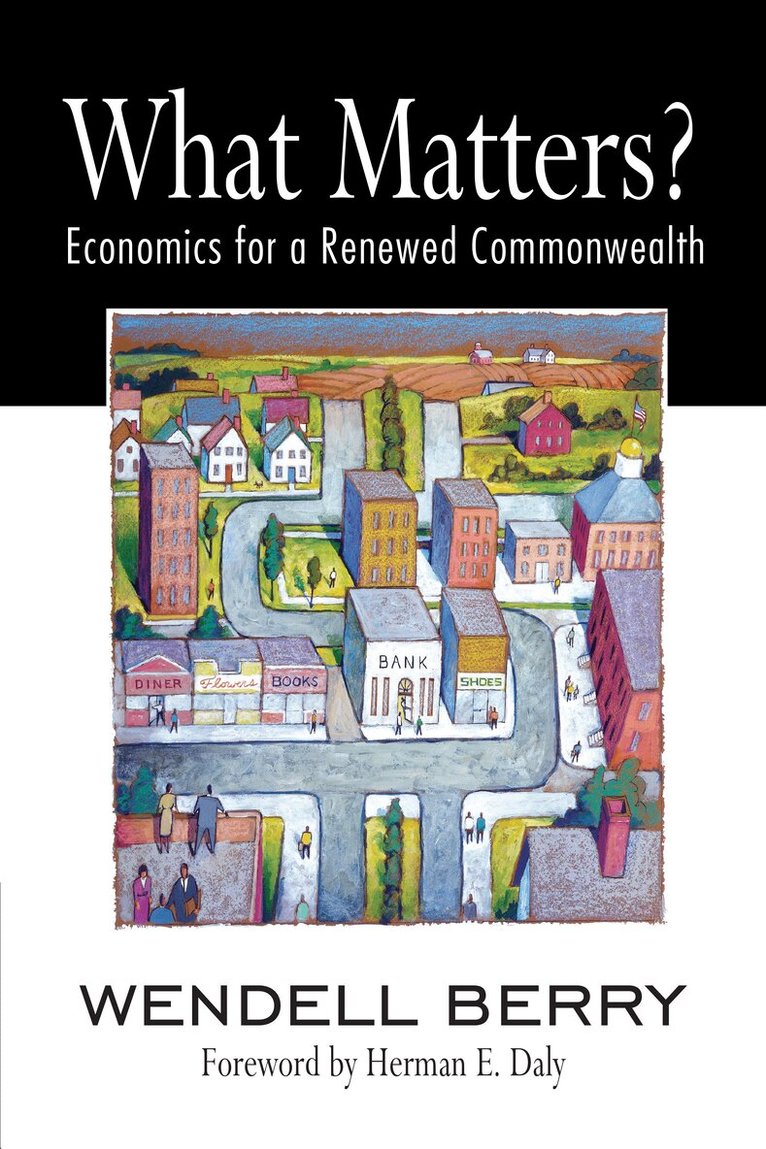
"The reasoned and insistent exhortations of a man with a cause who, rather than mellowing with age and wisdom, continues to grow in forcefulness and vision." —BooklistOver the years, Wendell Berry has sought to understand and confront the financial structure of modern society and the impact of developing late capitalism on American culture. There is perhaps no more demanding or important critique available to contemporary citizens than Berry's writings—just as there is no vocabulary more given to obfuscation than that of economics as practiced by professionals and academics. Berry has called upon us to return to the basics. He has traced how the clarity of our economic approach has eroded over time, as the financial asylum was overtaken by the inmates, and citizens were turned from consumers—entertained and distracted—to victims, threatened by a future of despair and disillusion.For this collection, Berry offers essays from the last twenty–five years, alongside new essays about the recent economic collapse, including “Money Versus Goods” and “Faustian Economics,” treatises of great alarm and courage. He offers advice and perspective as our society attempts to steer from its present chaos and recession to a future of hope and opportunity. With urgency and clarity, Berry asks us to look toward a true sustainable commonwealth, grounded in realistic Jeffersonian principles applied to our present day.