2 275 kr
Skickas inom 10-15 vardagar
2 275 kr
Skickas inom 10-15 vardagar
2 473 kr
Skickas inom 10-15 vardagar
729 kr
Läs direkt efter köp
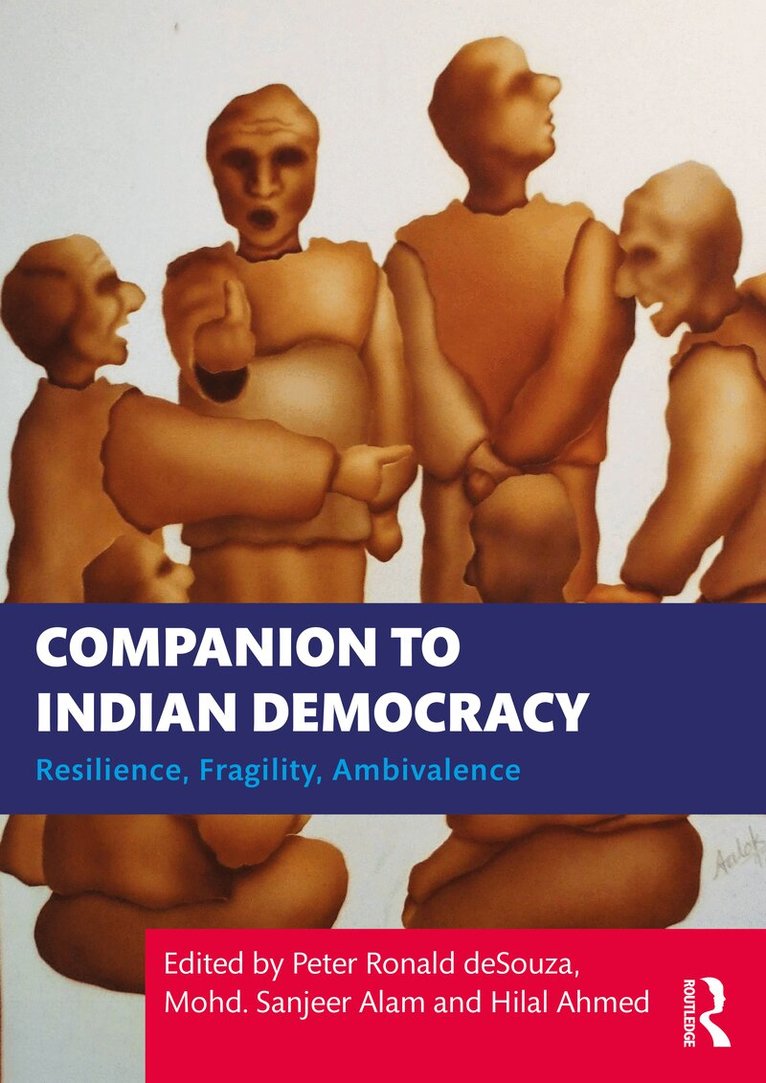
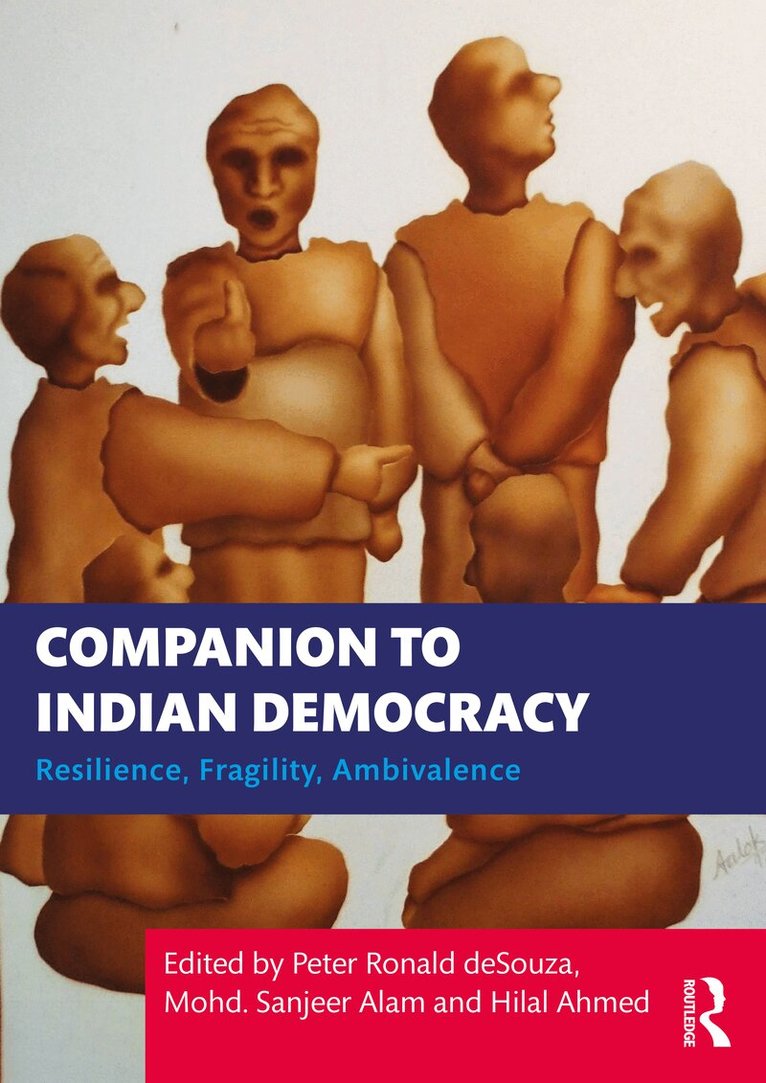
This book presents a comprehensive overview of the contemporary experiences of democracy in India. It explores the modes by which democracy as an idea, and as a practice, is interpreted, enforced, and lived in India’s current political climate.
The book employs ‘case studies’ as a methodological vantage point to evolve an innovative conceptual framework for the study of democracy in India. The chapters unpack a diverse range of themes such as democracy and Dalits; agriculture, new sociality and communal violence in rural areas; changing nature of political communication in India; role of anti-nuclear movements in democracies; issues of subaltern citizen’s voice, impaired governance and the development paradigm; free speech and segregation in the public sphere; and, the surveillance state and Indian democracy. These thematic explorations are arranged in an engaging sequence to offer a multifaceted narrative of Indian democracy especially in relation to the recent debates on citizenship and constitutionalism.
A key critical intervention on contemporary politics in South Asia, this book will be essential reading for scholars and researchers of political studies, political science, political sociology, comparative government and politics, sociology, social anthropology, public administration, public policy, and South Asia studies. It will also be of immense interest to policymakers, journalists, think tanks, bureaucrats, and organizations working in the area.
729 kr
Läs direkt efter köp
This book presents a comprehensive overview of the contemporary experiences of democracy in India. It explores the modes by which democracy as an idea, and as a practice, is interpreted, enforced, and lived in India’s current political climate.
The book employs ‘case studies’ as a methodological vantage point to evolve an innovative conceptual framework for the study of democracy in India. The chapters unpack a diverse range of themes such as democracy and Dalits; agriculture, new sociality and communal violence in rural areas; changing nature of political communication in India; role of anti-nuclear movements in democracies; issues of subaltern citizen’s voice, impaired governance and the development paradigm; free speech and segregation in the public sphere; and, the surveillance state and Indian democracy. These thematic explorations are arranged in an engaging sequence to offer a multifaceted narrative of Indian democracy especially in relation to the recent debates on citizenship and constitutionalism.
A key critical intervention on contemporary politics in South Asia, this book will be essential reading for scholars and researchers of political studies, political science, political sociology, comparative government and politics, sociology, social anthropology, public administration, public policy, and South Asia studies. It will also be of immense interest to policymakers, journalists, think tanks, bureaucrats, and organizations working in the area.
670 kr
Läs direkt efter köp
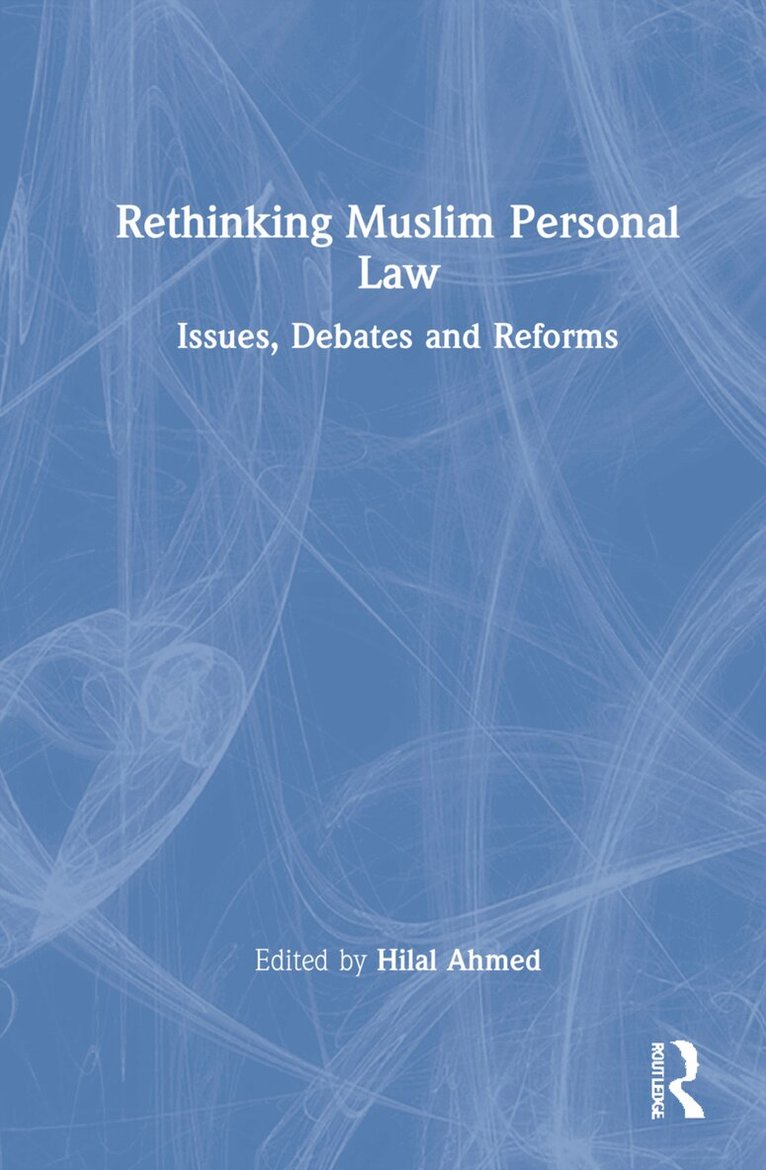
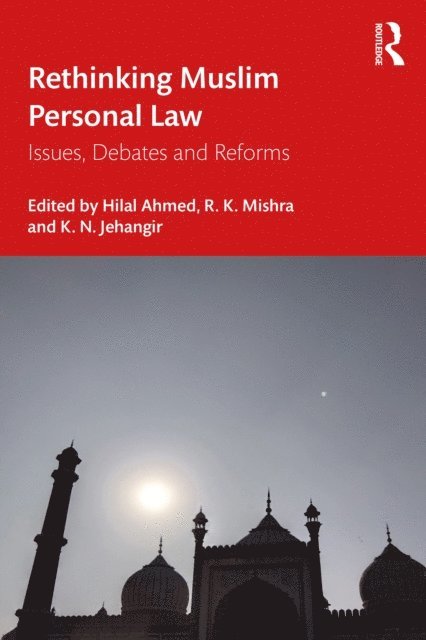
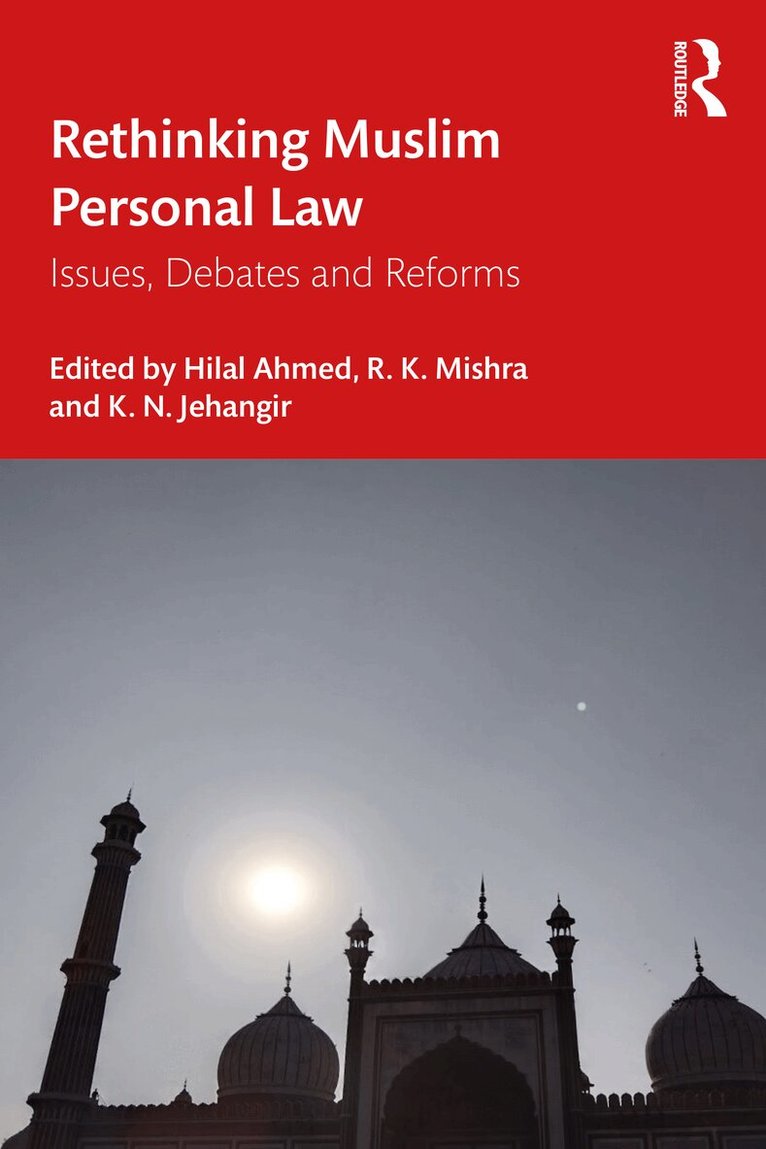
This volume critically analyses Muslim Personal Law (MPL) in India and offers an alternative perspective to look at MPL and the Uniform Civil Code (UCC) debate. Tracing the historical origins of this legal mechanism and its subsequent political manifestations, it highlights the complex nature of MPL as a sociological phenomenon, driven by context-specific social norms and cultural values. With expert contributions, it discusses wide-ranging themes and issues including MPL reforms and human rights; decoding of UCC in India; the contentious Triple Talaq bill and MPL; the Shah Bano case; Sharia (Islamic jurisprudence) in postcolonial India; women’s equality and family laws; and MPL in the media discourse in India. The volume highlights that although MPL is inextricably linked to Sharia, it does not necessarily determine the everyday customs and local practices of Muslim communities in India
This topical book will greatly interest scholars and researchers of law and jurisprudence, political studies, Islamic studies, Muslim Personal Law, history, multiculturalism, South Asian studies, sociology of religion, sociology of law and family law. It will also be useful to practitioners, policymakers, law professionals and journalists.
670 kr
Läs direkt efter köp
This volume critically analyses Muslim Personal Law (MPL) in India and offers an alternative perspective to look at MPL and the Uniform Civil Code (UCC) debate. Tracing the historical origins of this legal mechanism and its subsequent political manifestations, it highlights the complex nature of MPL as a sociological phenomenon, driven by context-specific social norms and cultural values. With expert contributions, it discusses wide-ranging themes and issues including MPL reforms and human rights; decoding of UCC in India; the contentious Triple Talaq bill and MPL; the Shah Bano case; Sharia (Islamic jurisprudence) in postcolonial India; women’s equality and family laws; and MPL in the media discourse in India. The volume highlights that although MPL is inextricably linked to Sharia, it does not necessarily determine the everyday customs and local practices of Muslim communities in India
This topical book will greatly interest scholars and researchers of law and jurisprudence, political studies, Islamic studies, Muslim Personal Law, history, multiculturalism, South Asian studies, sociology of religion, sociology of law and family law. It will also be useful to practitioners, policymakers, law professionals and journalists.
572 kr
Skickas inom 10-15 vardagar
622 kr
Skickas inom 10-15 vardagar
593 kr
Skickas inom 10-15 vardagar
2 466 kr
Skickas inom 10-15 vardagar
688 kr
Läs direkt efter köp
695 kr
Läs direkt efter köp
1 189 kr
Skickas inom 5-8 vardagar
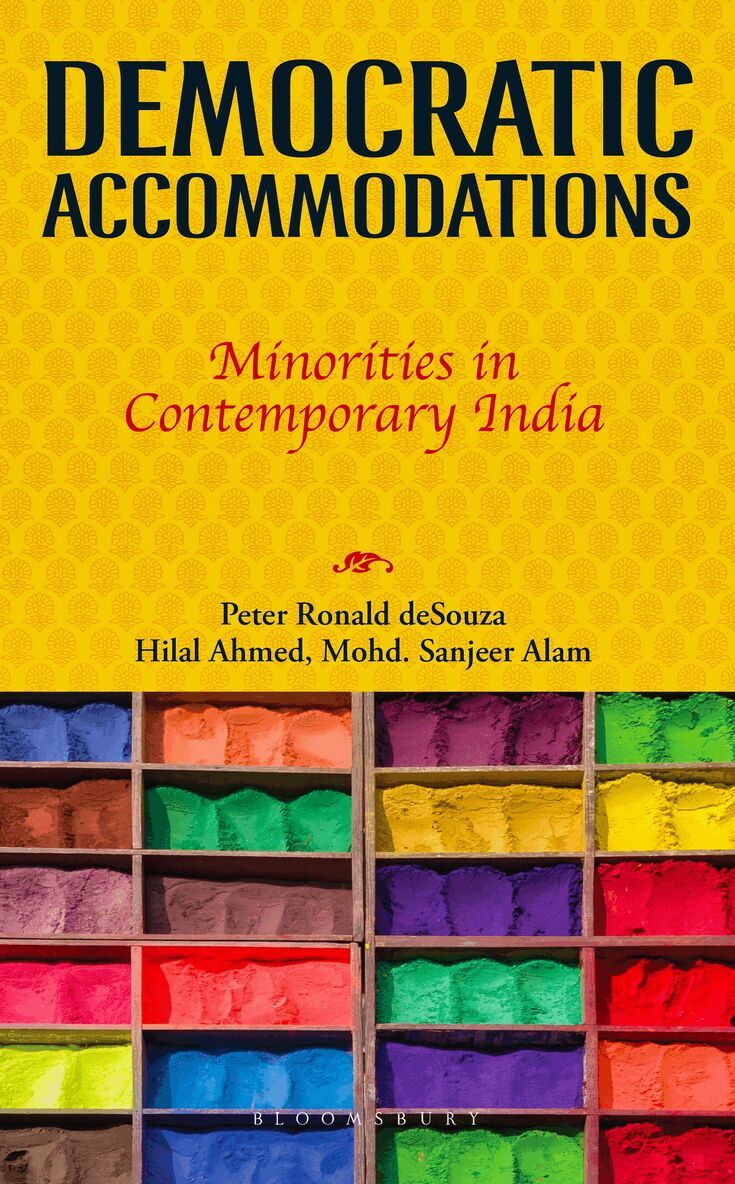
Democratic Accommodations: The Minority Question in India analyses the complex story of the accommodation of claims, interests and rights of minorities in India. It aims at what India—being one of the most ethnically and culturally diverse nations of the world—can offer to other nations, particularly to the countries of Europe that are confronted with ethnocultural and ethno-religious assertion. The authors have endorsed the argument that all plural democracies—and all democracies can only be plural in the present historical conjuncture despite the attempts by regimes to make them majoritarian—must work out their own strategies of accommodation by evolving a policy matrix that is suited to the dynamics of their own societies. The book is organised along four rubrics—laws, institutions, policies and political discourse—to understand Indian democracy’s distinct response to diversity. The rich and nuanced exploration of the Indian approach to the minority question presented in this book will advance the international debate on diversity and multiculturalism and help policymakers in pluralistic democracies to develop their own particular strategies to deal with minority claims.
1 296 kr
Läs direkt efter köp
1 296 kr
Läs direkt efter köp
1 591 kr
Tillfälligt slut
2 275 kr
Skickas inom 10-15 vardagar
2 473 kr
Skickas inom 10-15 vardagar
729 kr
Läs direkt efter köp
This book presents a comprehensive overview of the contemporary experiences of democracy in India. It explores the modes by which democracy as an idea, and as a practice, is interpreted, enforced, and lived in India’s current political climate.
The book employs ‘case studies’ as a methodological vantage point to evolve an innovative conceptual framework for the study of democracy in India. The chapters unpack a diverse range of themes such as democracy and Dalits; agriculture, new sociality and communal violence in rural areas; changing nature of political communication in India; role of anti-nuclear movements in democracies; issues of subaltern citizen’s voice, impaired governance and the development paradigm; free speech and segregation in the public sphere; and, the surveillance state and Indian democracy. These thematic explorations are arranged in an engaging sequence to offer a multifaceted narrative of Indian democracy especially in relation to the recent debates on citizenship and constitutionalism.
A key critical intervention on contemporary politics in South Asia, this book will be essential reading for scholars and researchers of political studies, political science, political sociology, comparative government and politics, sociology, social anthropology, public administration, public policy, and South Asia studies. It will also be of immense interest to policymakers, journalists, think tanks, bureaucrats, and organizations working in the area.
729 kr
Läs direkt efter köp
This book presents a comprehensive overview of the contemporary experiences of democracy in India. It explores the modes by which democracy as an idea, and as a practice, is interpreted, enforced, and lived in India’s current political climate.
The book employs ‘case studies’ as a methodological vantage point to evolve an innovative conceptual framework for the study of democracy in India. The chapters unpack a diverse range of themes such as democracy and Dalits; agriculture, new sociality and communal violence in rural areas; changing nature of political communication in India; role of anti-nuclear movements in democracies; issues of subaltern citizen’s voice, impaired governance and the development paradigm; free speech and segregation in the public sphere; and, the surveillance state and Indian democracy. These thematic explorations are arranged in an engaging sequence to offer a multifaceted narrative of Indian democracy especially in relation to the recent debates on citizenship and constitutionalism.
A key critical intervention on contemporary politics in South Asia, this book will be essential reading for scholars and researchers of political studies, political science, political sociology, comparative government and politics, sociology, social anthropology, public administration, public policy, and South Asia studies. It will also be of immense interest to policymakers, journalists, think tanks, bureaucrats, and organizations working in the area.
670 kr
Läs direkt efter köp
This volume critically analyses Muslim Personal Law (MPL) in India and offers an alternative perspective to look at MPL and the Uniform Civil Code (UCC) debate. Tracing the historical origins of this legal mechanism and its subsequent political manifestations, it highlights the complex nature of MPL as a sociological phenomenon, driven by context-specific social norms and cultural values. With expert contributions, it discusses wide-ranging themes and issues including MPL reforms and human rights; decoding of UCC in India; the contentious Triple Talaq bill and MPL; the Shah Bano case; Sharia (Islamic jurisprudence) in postcolonial India; women’s equality and family laws; and MPL in the media discourse in India. The volume highlights that although MPL is inextricably linked to Sharia, it does not necessarily determine the everyday customs and local practices of Muslim communities in India
This topical book will greatly interest scholars and researchers of law and jurisprudence, political studies, Islamic studies, Muslim Personal Law, history, multiculturalism, South Asian studies, sociology of religion, sociology of law and family law. It will also be useful to practitioners, policymakers, law professionals and journalists.
670 kr
Läs direkt efter köp
This volume critically analyses Muslim Personal Law (MPL) in India and offers an alternative perspective to look at MPL and the Uniform Civil Code (UCC) debate. Tracing the historical origins of this legal mechanism and its subsequent political manifestations, it highlights the complex nature of MPL as a sociological phenomenon, driven by context-specific social norms and cultural values. With expert contributions, it discusses wide-ranging themes and issues including MPL reforms and human rights; decoding of UCC in India; the contentious Triple Talaq bill and MPL; the Shah Bano case; Sharia (Islamic jurisprudence) in postcolonial India; women’s equality and family laws; and MPL in the media discourse in India. The volume highlights that although MPL is inextricably linked to Sharia, it does not necessarily determine the everyday customs and local practices of Muslim communities in India
This topical book will greatly interest scholars and researchers of law and jurisprudence, political studies, Islamic studies, Muslim Personal Law, history, multiculturalism, South Asian studies, sociology of religion, sociology of law and family law. It will also be useful to practitioners, policymakers, law professionals and journalists.
572 kr
Skickas inom 10-15 vardagar
622 kr
Skickas inom 10-15 vardagar
593 kr
Skickas inom 10-15 vardagar
2 466 kr
Skickas inom 10-15 vardagar
688 kr
Läs direkt efter köp
695 kr
Läs direkt efter köp
1 189 kr
Skickas inom 5-8 vardagar
Democratic Accommodations: The Minority Question in India analyses the complex story of the accommodation of claims, interests and rights of minorities in India. It aims at what India—being one of the most ethnically and culturally diverse nations of the world—can offer to other nations, particularly to the countries of Europe that are confronted with ethnocultural and ethno-religious assertion. The authors have endorsed the argument that all plural democracies—and all democracies can only be plural in the present historical conjuncture despite the attempts by regimes to make them majoritarian—must work out their own strategies of accommodation by evolving a policy matrix that is suited to the dynamics of their own societies. The book is organised along four rubrics—laws, institutions, policies and political discourse—to understand Indian democracy’s distinct response to diversity. The rich and nuanced exploration of the Indian approach to the minority question presented in this book will advance the international debate on diversity and multiculturalism and help policymakers in pluralistic democracies to develop their own particular strategies to deal with minority claims.
1 296 kr
Läs direkt efter köp
1 296 kr
Läs direkt efter köp
1 591 kr
Tillfälligt slut