Hirendra Banerjee – författare
Visar alla böcker från författaren Hirendra Banerjee. Handla med fri frakt och snabb leverans.
2 produkter
2 produkter
1 666 kr
Kommande
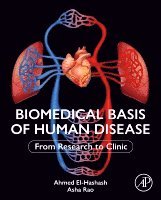
Biomedical Basis of Human Disease: From Research to Clinic provides information on pathophysiology/mechanisms of organ system disease and selected disorders and diseases that cause the most deaths worldwide, including but not limited to cardiovascular, respiratory, gastrointestinal and nervous systems. This information is placed within the structural context of tissue/organ, molecular and cellular biology, pathophysiology, diagnostic and treatment methods, and disease models in sections that also describe recent research examples, such as recently developed cutting-edge in vitro and in vivo biomedical science methods to bridge the bench and bedside. This text is suitable for students, researchers and practitioners in biomedicine and basic medicine.Provides rigorous, cutting-edge research to educate readers of the relation of biomedical science and significant human diseasesDelivers educational and teaching materials to students and instructors in biomedicine, bioscience and human disease coursesIncludes glossary of terms and end of chapter exercises with answers, textboxes, tables and case studies throughout
1 666 kr
Kommande
"Cancer, Volume 8" in the "Stem Cell Innovation in Health and Disease" series explores the rapidly evolving role of stem cells in cancer treatment. As cancer continues to impose a heavy global health burden, stem cell therapies are being recognized for their regenerative potential and ability to enhance recovery following aggressive therapies. Hematopoietic stem cell (HSC) transplantation is already a standard, FDA-approved treatment for hematologic cancers such as leukemia, myeloma, and lymphoma. These cells help regenerate healthy blood cells post-treatment. In addition, mesenchymal stem cells (MSCs) and neural stem cells (NSCs) are showing promise in preclinical models as therapeutic carriers, capable of homing to tumor sites and delivering anti-cancer agents such as nanoparticles, siRNAs, and small-molecule drugs. Recent clinical advancements include differentiation therapy, where stem cells are used to induce cancer cells to become non-cancerous. Two completed phase I clinical trials have demonstrated innovative applications: one using NSCs to convert a prodrug into a toxic compound within tumors, and another using MSCs engineered with viral enzymes to activate cytotoxic drugs directly at the tumor site. MSCs have also helped reduce graft-versus-host disease (GVHD), a major complication of stem cell transplants. This volume is divided into two main sections: understanding stem cell roles in cancer biology, and translating stem cell innovations into clinical practice. It features cutting-edge research, including organoid models, genetic editing, and iPSC technologies. Together, these insights offer a timely review of the field’s progress and its real-world potential to reshape cancer therapy.Provides cutting-edge research to understand stem cell functions used in the treatment of cancerDevelops processes to bring stem cells from bench to bedsideIncludes up to date references on stem cell biology and function in cancer treatment