Inbunden, Engelska, 2026
1 766 kr
Skickas inom 10-15 vardagar
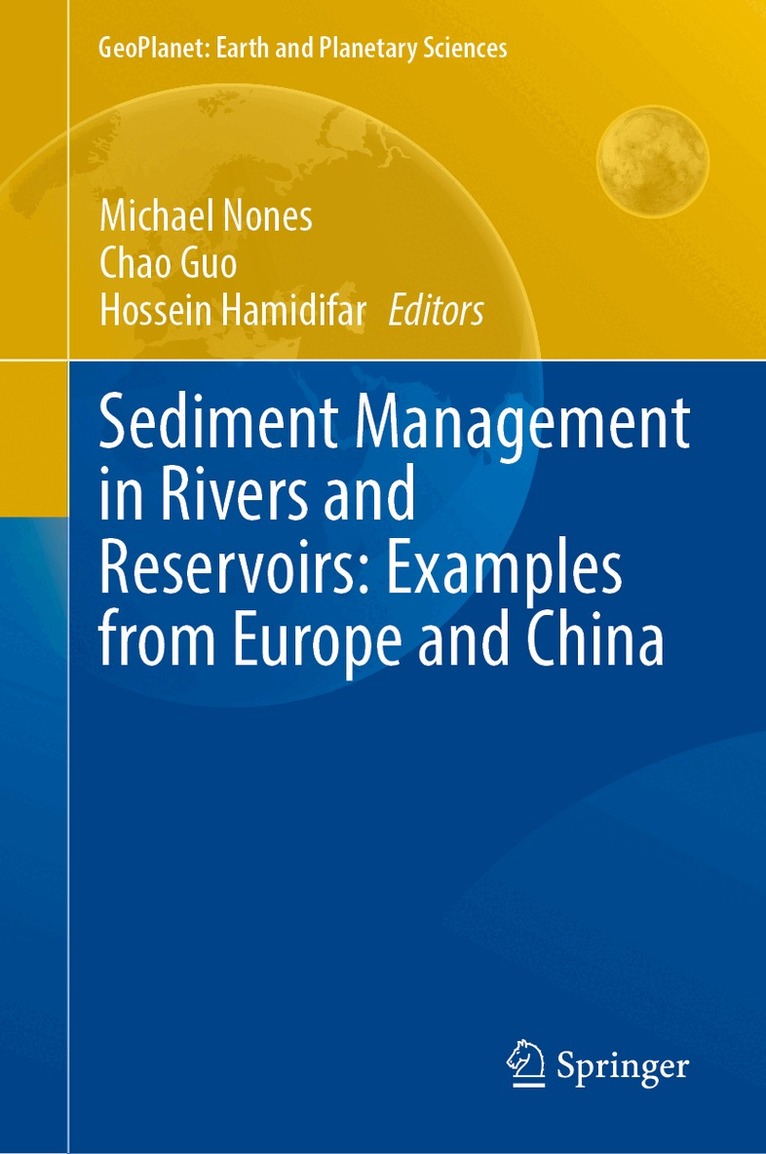
This book offers a comprehensive exploration of sediment management in reservoirs and regulated rivers in Europe and China, addressing critical issues at the intersection of water resource management, environmental conservation, and infrastructure sustainability. As the demand for water resources intensifies, understanding and effectively managing sediment, a crucial yet often overlooked aspect, becomes paramount.Exploring the intricate dynamics of sediment characteristics, transport processes, and the impacts of sedimentation on aquatic ecosystems, the book navigates readers through the challenges posed by reservoir sedimentation. Via a series of advanced case studies, it provides in-depth insights into various sediment management strategies, from reservoir dredging to watershed management and the implementation of sediment bypass systems.Featuring case studies and modeling approaches, the book equips researchers, engineers, and policymakers with practical tools to assess, model, and implement effective sediment management strategies. Through a lens of sustainability, the text explores the ecological and socio-economic implications of sediment management projects, offering a roadmap for balancing the needs of water storage, infrastructure maintenance, and environmental conservation.Challenges such as climate change impacts and emerging technologies are investigated, and the book provides recommendations for future research, with emphasis on the importance of integrated sediment management. With its interdisciplinary approach, this book serves as a valuable resource for professionals and academics in civil engineering, environmental science, and water resource management.