Hsin-I Sydney Yueh - Böcker
Visar alla böcker från författaren Hsin-I Sydney Yueh. Handla med fri frakt och snabb leverans.
3 produkter
3 produkter
1 209 kr
Skickas inom 10-15 vardagar
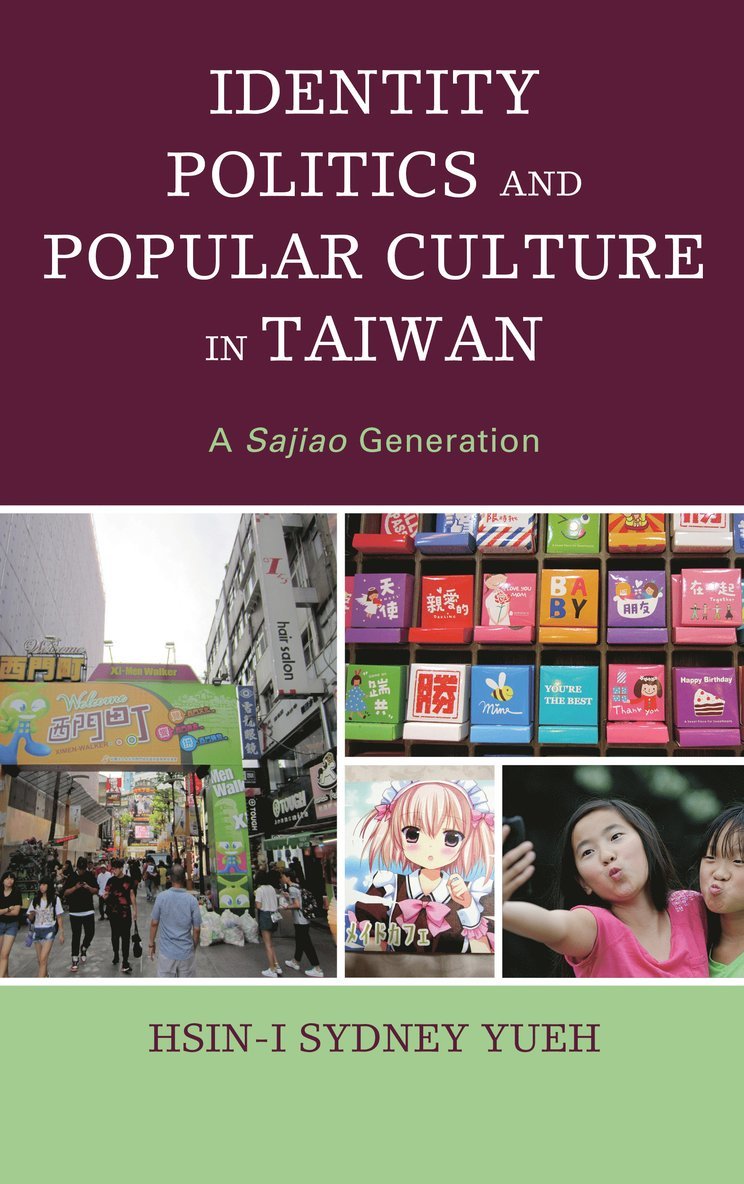
In the past two decades, a uniform representation of cutified femininity prevails in the Taiwanese media, evidenced by the shift of Taiwan’s popular cultural taste from a Chinese-centered tradition to a mixed absorption from neighboring cultural capitals in the global market. This book argues that the native term “sajiao” is the key to understand the phenomenon. Originally referring to a set of persuasive tactics through imitating a spoiled child’s gestures and ways of speaking to get attention or material goods, sajiao is commonly understood to be women’s weapon to manipulate men in the Mandarin-speaking communities. By re-interpreting sajiao as a “feminine” tactic, or the tactic of the weak, the book aims to propose a “feminine framework” in exploring identity politics in the following three aspects: the rising obsession with the immature female image in Taiwan’s popular culture, the adoption of the feminine communication style in native speakers’ everyday language and interactions, and the competing discourses between dominant/subordinate, central/peripheral, global/local, and Chinese/Taiwanese in shaping the identity politics in current Taiwanese society. The micro-analysis of everyday language politics leads the reader to examine layers of discourse about gender, identity, and communication, and finally to inquire how to situate or categorize “Taiwan” in area studies. The “feminine framework” is a useful theoretical tool that not only deconstructs everyday communication practice but also provides a bottom-up, alternative angle in analyzing Taiwan’s role in political, economic, and cultural flows in East Asia.The massive imports of popular cultural products in the late 80s, mainly from Japan, fermented the kawaii (Japanese cute) type of femininity in regulating everyday communication and the perception of gender roles in Taiwan. The popularity of the baby-like female image is concurrent with the simmering debate on Taiwanese identity. Taiwan offers a unique perspective for observing identity politics because it still holds an undetermined status in the international community. The collective uncertainty about the island’s future and the diminishing voice in the international society become the backdrop for the growth of defining, interpreting, and appropriating sajiao elements in the popular culture. This book offers an in-depth examination of the interplay among local historical contexts, cross-border capitalist exchange, and everyday communication that shapes the dialogism of Taiwanese identity.
541 kr
Skickas inom 10-15 vardagar
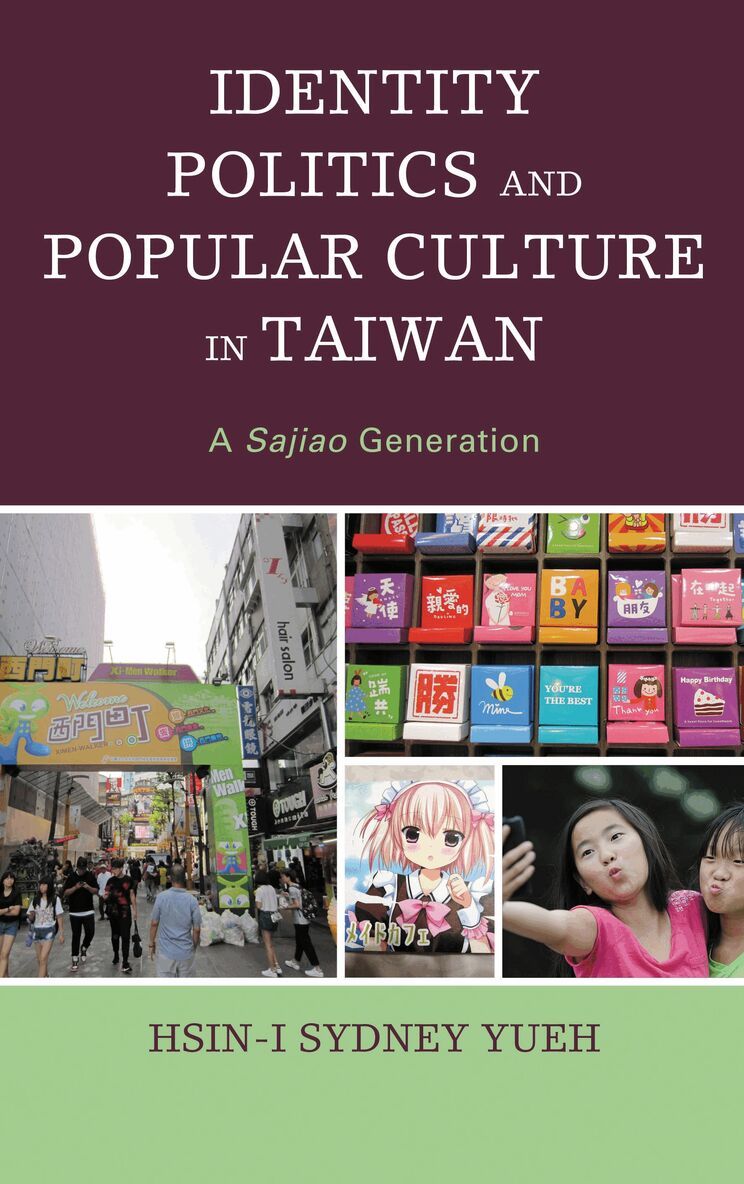
In the past two decades, a uniform representation of cutified femininity prevails in the Taiwanese media, evidenced by the shift of Taiwan’s popular cultural taste from a Chinese-centered tradition to a mixed absorption from neighboring cultural capitals in the global market. This book argues that the native term “sajiao” is the key to understand the phenomenon. Originally referring to a set of persuasive tactics through imitating a spoiled child’s gestures and ways of speaking to get attention or material goods, sajiao is commonly understood to be women’s weapon to manipulate men in the Mandarin-speaking communities. By re-interpreting sajiao as a “feminine” tactic, or the tactic of the weak, the book aims to propose a “feminine framework” in exploring identity politics in the following three aspects: the rising obsession with the immature female image in Taiwan’s popular culture, the adoption of the feminine communication style in native speakers’ everyday language and interactions, and the competing discourses between dominant/subordinate, central/peripheral, global/local, and Chinese/Taiwanese in shaping the identity politics in current Taiwanese society. The micro-analysis of everyday language politics leads the reader to examine layers of discourse about gender, identity, and communication, and finally to inquire how to situate or categorize “Taiwan” in area studies. The “feminine framework” is a useful theoretical tool that not only deconstructs everyday communication practice but also provides a bottom-up, alternative angle in analyzing Taiwan’s role in political, economic, and cultural flows in East Asia.The massive imports of popular cultural products in the late 80s, mainly from Japan, fermented the kawaii (Japanese cute) type of femininity in regulating everyday communication and the perception of gender roles in Taiwan. The popularity of the baby-like female image is concurrent with the simmering debate on Taiwanese identity. Taiwan offers a unique perspective for observing identity politics because it still holds an undetermined status in the international community. The collective uncertainty about the island’s future and the diminishing voice in the international society become the backdrop for the growth of defining, interpreting, and appropriating sajiao elements in the popular culture. This book offers an in-depth examination of the interplay among local historical contexts, cross-border capitalist exchange, and everyday communication that shapes the dialogism of Taiwanese identity.
Resistance in the Era of Nationalisms
Performing Identities in Taiwan and Hong Kong
Häftad, Engelska, 2023
713 kr
Skickas inom 7-10 vardagar
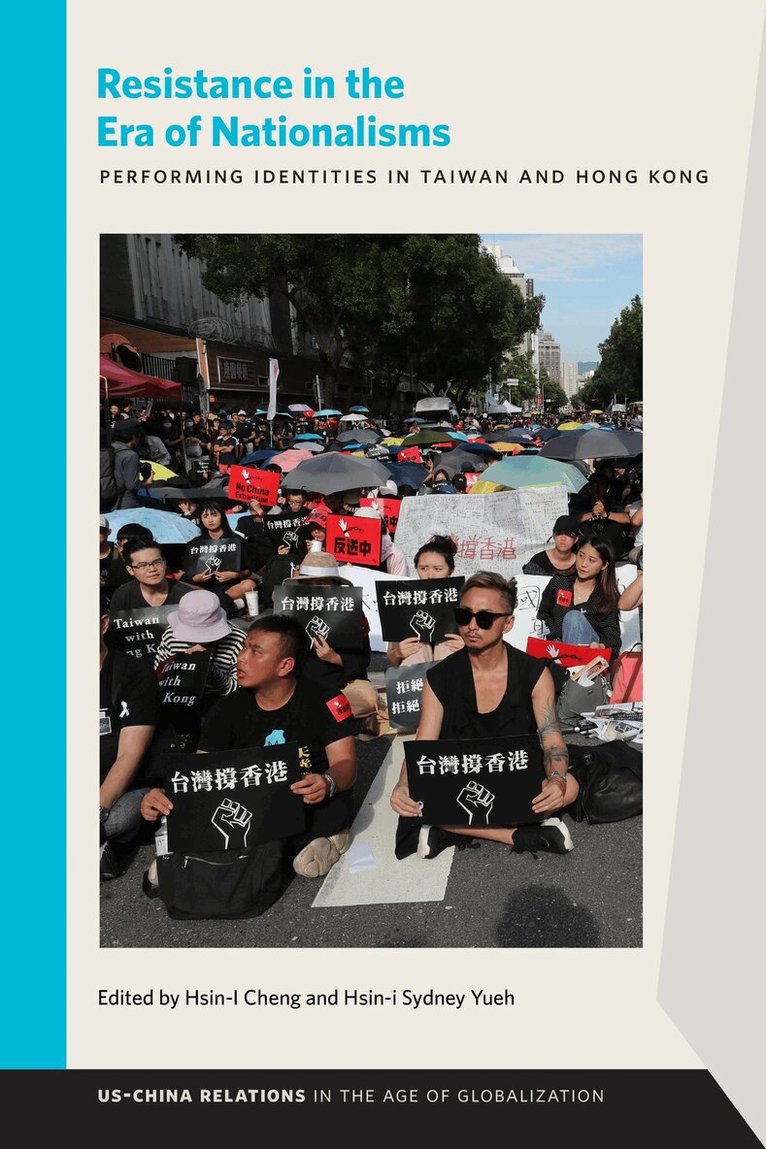
The desire of the people of Taiwan and Hong Kong to exercise democratic self-rule, fully embody their local identities, and become global citizens challenges the big-power politics between China and the United States. Occupying a critical stance on the margins, the local perspectives and international relations of these two cosmopolitan and postcolonial societies challenge both narratives centered on China and those focused on the U.S.–China power struggle. Taking a culture-centered approach to the communicative process of “glocalized resistance” in an era of rising nationalisms, the chapters in this volume address topics ranging from the rhetoric of political leaders and the language games of mass protesters on social media to resistant street performance. These chapters showcase the geocultural identity-in-the-making of the Taiwanese and Hong Kong people and offer insights into societies under imminent threat by an aggressive neighbor.