Hubert Faustmann – författare
Visar alla böcker från författaren Hubert Faustmann. Handla med fri frakt och snabb leverans.
11 produkter
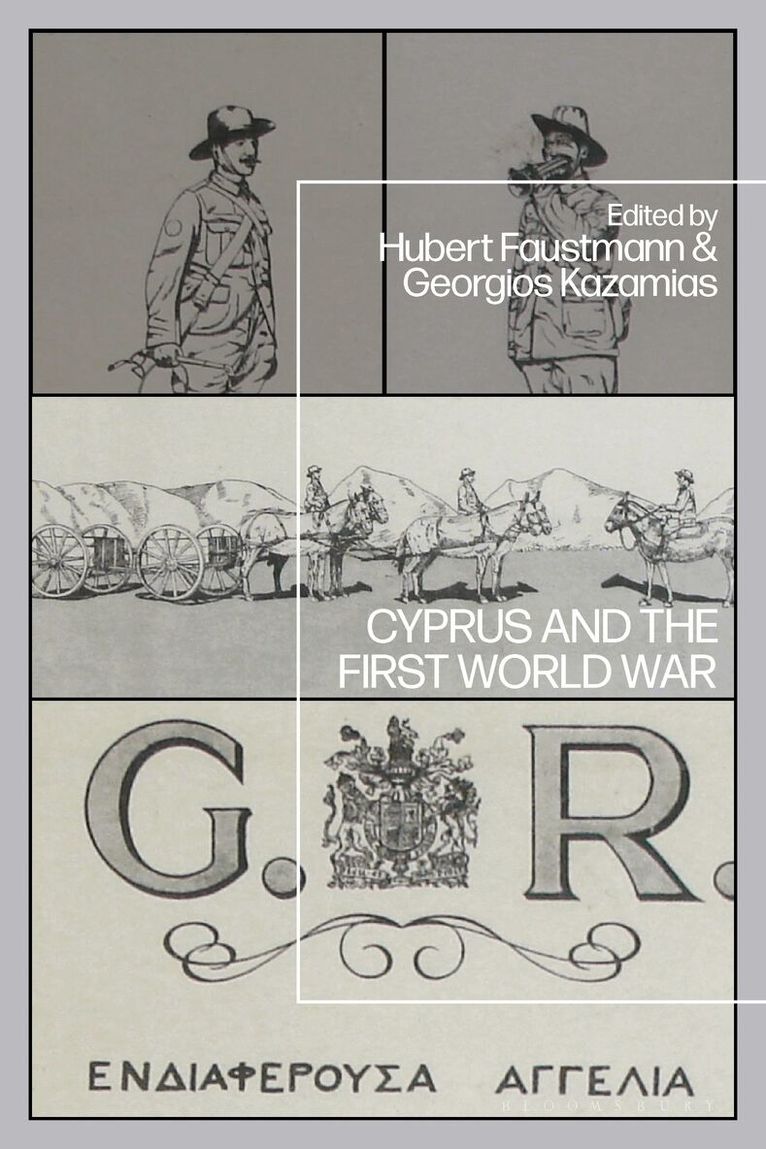
Cyprus and the First World War
Av Hubert Faustmann, Georgios Kazamias
Inbunden, 2025
1244 kr
Lägg i varukorg
Shedding light on a forgotten aspect of Cypriot history, this book explores the involvement of Cyprus during the Great War and the impact it left on British colonial rule. It examines the political, economic, social and military aspects of the war effort.Cyprus and the First World War reflects on …
Cyprus and the First World War
Av Hubert Faustmann, Georgios Kazamias
E-bok, 2025
1335 kr
Lägg i varukorg
Shedding light on a forgotten aspect of Cypriot history, this book explores the involvement of Cyprus during the Great War and the impact it left on British colonial rule. It examines the political, economic, social and military aspects of the war effort. Cyprus and the First World War reflects on …
Cyprus and the First World War
Av Hubert Faustmann, Georgios Kazamias
E-bok, 2025
1364 kr
Lägg i varukorg
Shedding light on a forgotten aspect of Cypriot history, this book explores the involvement of Cyprus during the Great War and the impact it left on British colonial rule. It examines the political, economic, social and military aspects of the war effort. Cyprus and the First World War reflects on …
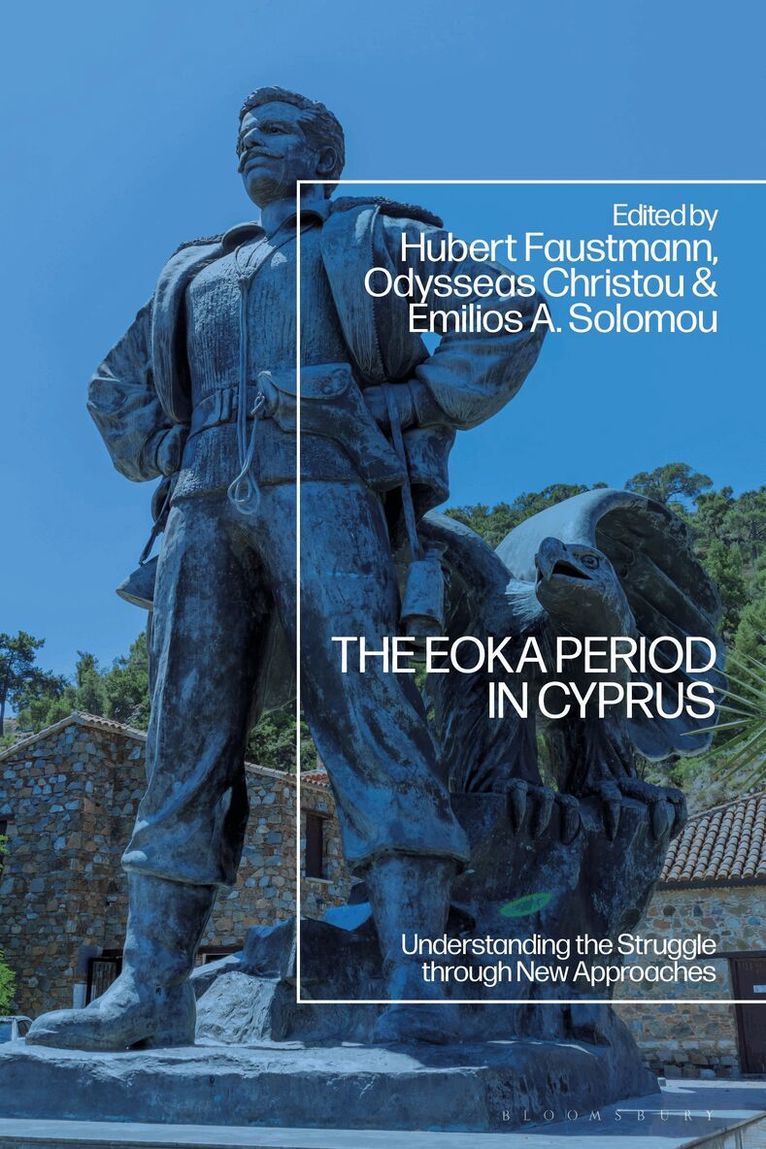
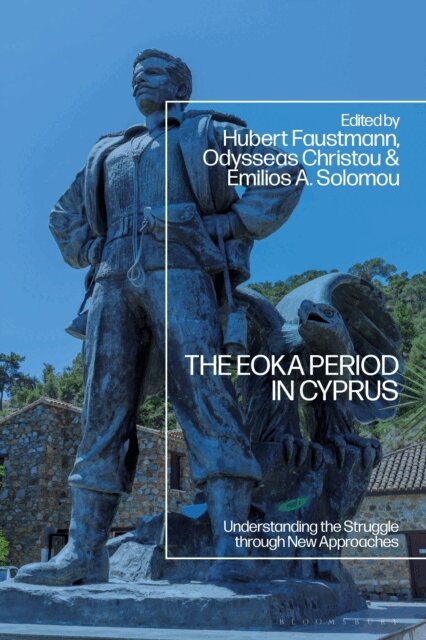
EOKA Period in Cyprus
Understanding the Struggle through New Approaches
Av Hubert Faustmann, Odysseas Christou m. fl.
Inbunden, 2026
1244 kr
Lägg i varukorg
In 1955, the Greek Cypriot organisation EOKA started an anti-colonial struggle against the British aiming at the unification of the island with Greece. This book sheds new light on the historical period of the struggle through the examination of various external and internal aspects of the …
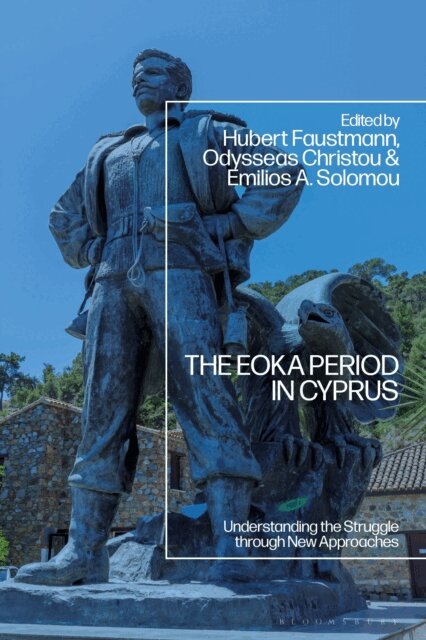
EOKA Period in Cyprus
Understanding the Struggle Through New Approaches
Av Hubert Faustmann, Odysseas Christou m. fl.
E-bok, 2026
1204 kr
Lägg i varukorg
In 1955, the Greek Cypriot organisation EOKA started an anti-colonial struggle against the British aiming at the unification of the island with Greece. This book sheds new light on the historical period of the struggle through the examination of various external and internal aspects of the …
EOKA Period in Cyprus
Understanding the Struggle Through New Approaches
Av Hubert Faustmann, Odysseas Christou m. fl.
E-bok, 2026
1178 kr
Lägg i varukorg
In 1955, the Greek Cypriot organisation EOKA started an anti-colonial struggle against the British aiming at the unification of the island with Greece. This book sheds new light on the historical period of the struggle through the examination of various external and internal aspects of the …
Reunifying Cyprus
The Annan Plan and Beyond
Av Andrekos Varnava, Hubert Faustmann
Inbunden, 2009
1991 kr
Lägg i varukorg
Spring 2008 witnessed the first positive signs of a thaw in relations between the two sides of the divided island of Cyprus since the dramatic failure of the Annan Plan in 2004. The historic meeting of the Greek and Turkish Cypriot leaders and the symbolic opening of the Ledra Street border …
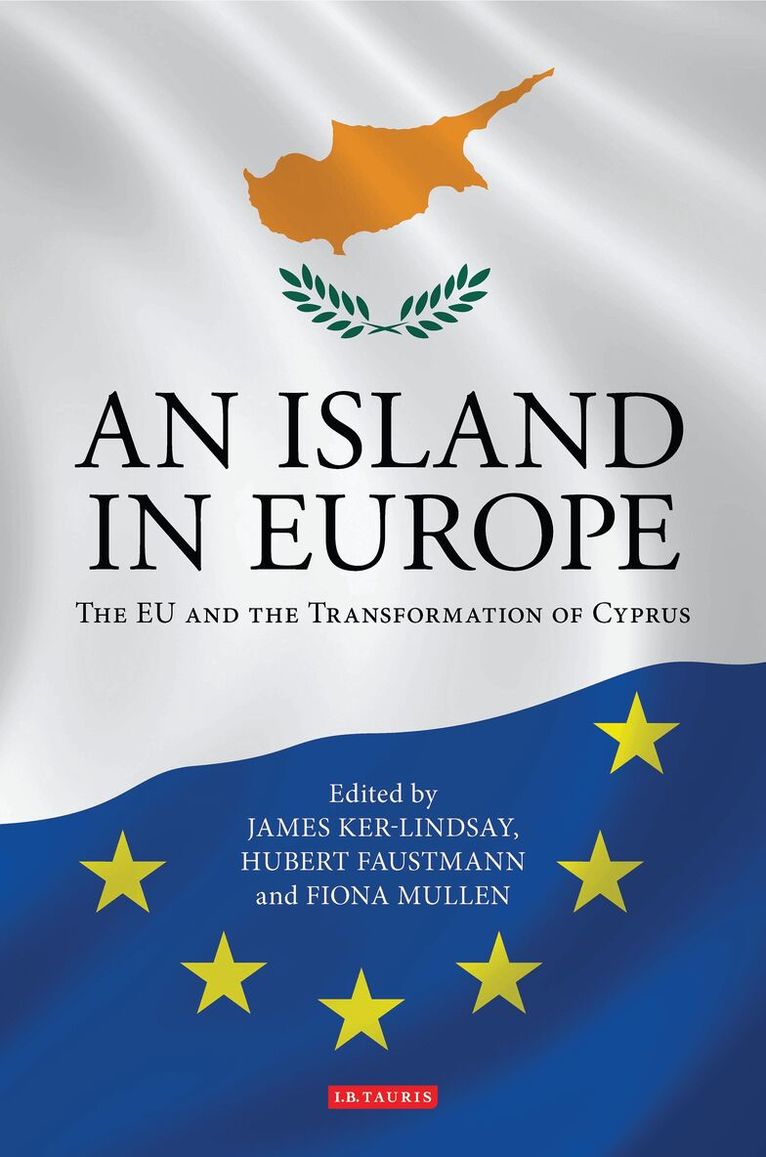
Island in Europe
The EU and the Transformation of Cyprus
Av James Ker-Lindsay, Fiona Mullen m. fl.
Inbunden, 2011
1844 kr
Lägg i varukorg
The celebrations which marked the accession of the Republic of Cyprus to the European Union on 1st May 2004 signalled the end of a fourteen year process since the island had first applied to join - and the end of six full years of complicated and intense negotiations. Upon joining the EU, Cyprus …
Reunifying Cyprus
The Annan Plan and Beyond
Av Andrekos Varnava, Hubert Faustmann
Häftad, 2011
374 kr
Lägg i varukorg
Spring 2008 witnessed the first positive signs of a thaw in relations between the two sides of the divided island of Cyprus since the dramatic failure of the Annan Plan in 2004. The historic meeting of the Greek and Turkish Cypriot leaders and the symbolic opening of the Ledra Street border …
Government and Politics of Cyprus
Häftad, 2008
904 kr
Lägg i varukorg
For nearly fifty years, Cyprus has attracted considerable international attention. However, while numerous volumes have been written on the causes and consequences of the conflict between the Greek and Turkish Cypriot communities and the many efforts to reunite the island, very little work has been …
Britain in Cyprus: Colonialism and Post-Colonialism 1878-2006
Av Hubert Faustmann, Nicos Peristianis
Inbunden
1188 kr
Lägg i varukorg