Hugh Belsey – författare
Visar alla böcker från författaren . Handla med fri frakt och snabb leverans.
3 produkter
3 produkter
Inbunden, Engelska, 2019
1 750 kr
Skickas inom 5-8 vardagar
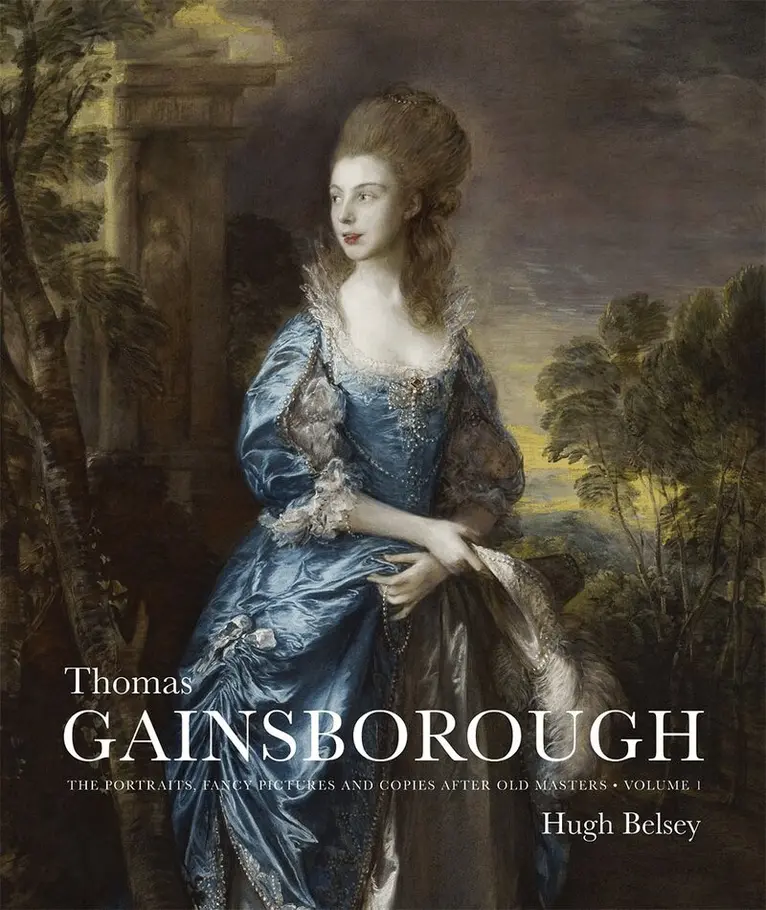
Scholars and enthusiasts alike will revel in this ambitious two-volume catalogue raisonné of Thomas Gainsborough’s portraits and copies of Old Master works. The catalogue contains approximately 1,100 paintings, including nearly 200 works newly attributed to the British master, as well as updated information about his subjects and specially commissioned photography. Each portrait entry includes the biography of the sitter—including several newly identified—the painting’s provenance, and exhibitions in which each work was shown. Gainsborough’s copies after Old Masters, painted in admiration and used to assimilate their style of painting into his own work, are documented here as well. Research includes in-depth analysis of newspaper archives and other printed material to establish the date of a painting’s production, chart the development of the artist’s style, and assess the impression the work made within the context of its time.Published in association with the Paul Mellon Centre for Studies in British Art
Häftad, Engelska, 2018
229 kr
Skickas inom 5-8 vardagar
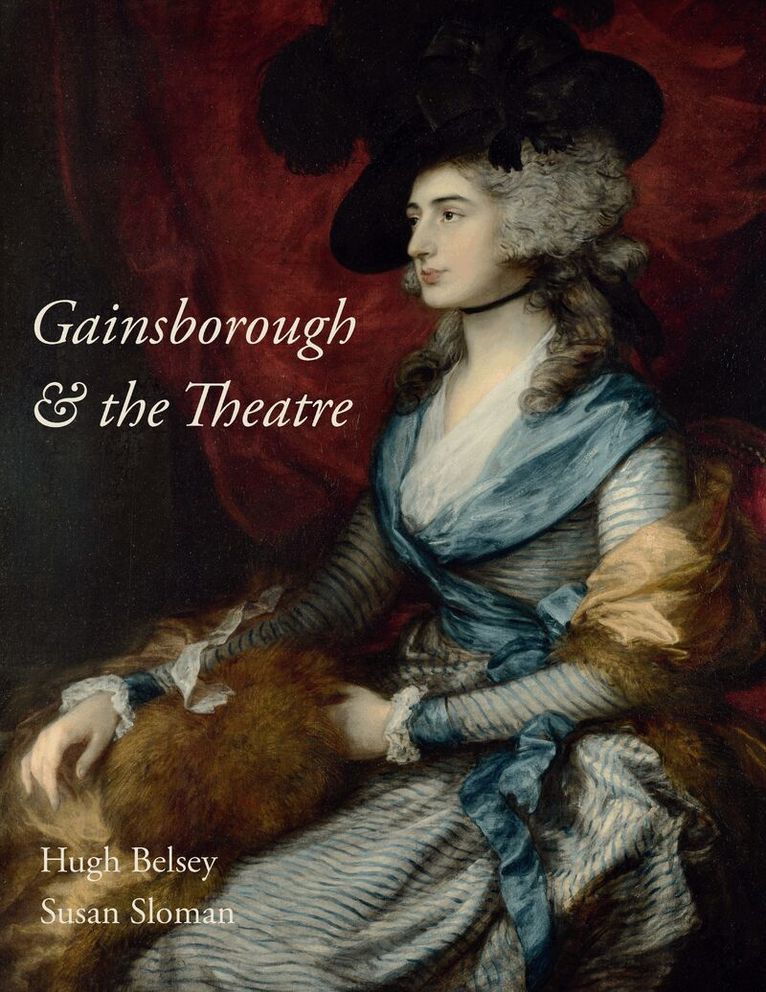
Based on new research, this profusely illustrated book draws together for the first time a group of works from public and private collections to examine the relationship that Thomas Gainsborough had with the theatrical world and the most celebrated stage artists of his day.Thomas Gainsborough (1727–88) was linked with the stage through personal friendships with James Quin, David Garrick and Sarah Siddons, the most renowned actors of the eighteenth century. He painted notable portraits of these and twenty others, including dramatists, dancers and composers.Not long after Gainsborough moved from Bath to London in 1774, the management of the Drury Lane theatre passed to the artist's friends Richard Brinsley and Thomas Linley. At this time, London's theatres were undergoing regular refurbishment to take account of technical innovations in lighting and stage machinery. At the King's Theatre in Haymarket in 1778, the 'elegant improvements' included frontispiece figures emblematic of Music and Dancing, and were painted in monochrome by Gainsborough.This publication firmly establishes the artist’s place within the theatrical worlds of Bath and London and shows why the art of ballet, and in particular Gainsborough’s sitters Gaetan Vestris, Auguste Vestris and Giovanna Baccelli, rose to prominence in 1780. It examines parallels between Gainsborough’s much admired painterly naturalism and the theatrical naturalism of David Garrick and Mrs Siddons, with whom he had personal friendships.
Häftad, Engelska, 2013
300 kr
Skickas inom 5-8 vardagar
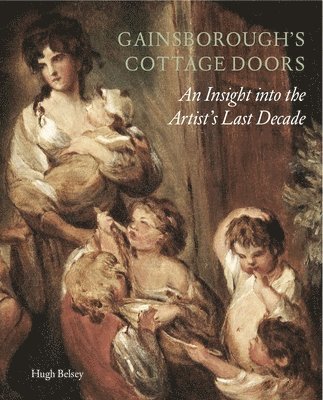
Inspired by the recent identification of a third autograph version of Gainsborough’s masterpiece The Cottage Door, this book examines the significance of the multiple versions of designs that the artist produced during the 1780s. It demonstrates that without the pressure of exhibiting his work annually at the Academy and without a string of sitters waiting for their finished portraits, Gainsborough’s work became more personal, more thoughtful. This study of the last phase of the artist’s work is a totally fresh interpretation of not only The Cottage Door but other key works such as Mrs Sheridan and Diana and Acteon. Gainsborough’s creative energies changed around 1780. He became restless and wanted to promote his landscape painting more effectively. He started to paint coastal scenes using an innovative painting technique to depict the water and he embarked on a series of ‘fancy’ pictures that he would position him as a descendant of an Old Master tradition. He was never happy with the constraints of the Royal Academy and he was at odds with the dictatorial opinions promoted by its president, Sir Joshua Reynolds. Removing himself from the Academy enabled him finally to do what he wanted. He began to turn to portrait compositions that he had developed and refined over a number of years. With subtle alterations they could be made suitable for a variety of sitters. The subtlety of his skilled observation was less easy to accommodate in standard-sized full-length canvases and in these portraits he sometimes resorted to rhetoric gesture that fought against the closely observed likenesses in his best portraits. The margin between ‘fancy’ pictures and portraits became blurred and the categorization of some of these paintings changed while they were on the easel. Always finding composition difficult, rather than begin something new he often revisited earlier designs that had pleased him. He would paint them again and make slight changes of tone and emphasis that would radically change the concept and intention of the design. The subject matter in some of his late paintings veers towards the autobiographical and shows a certain rift between him and his family.