Susan Sloman – författare
Visar alla böcker från författaren . Handla med fri frakt och snabb leverans.
3 produkter
3 produkter
Inbunden, Engelska, 2021
399 kr
Skickas inom 5-8 vardagar
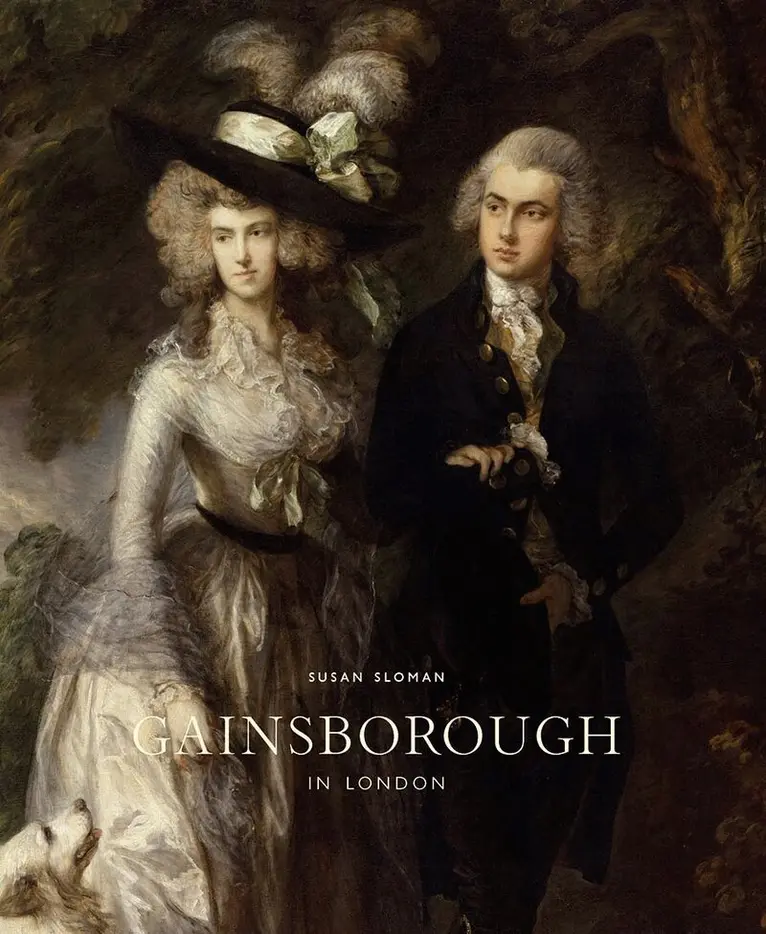
A fuller, richer picture of an artist at the height of his powersThomas Gainsborough’s (1727–88) London years, from 1774 to 1788, were the pinnacle and conclusion of his career. They coincided with the establishment of the Royal Academy, of which Gainsborough was a founding member, and the city’s ascendance as a center for the arts. This is a meticulously researched and readable account of how Gainsborough designed his home and studio and maintained a growing schedule of influential patrons, making a place for himself in the art world of late-18th-century London. New material about Gainsborough’s technique is based on examinations of his pictures and firsthand accounts by studio visitors. His fractious relationship with the Royal Academy and its exhibition culture is reexamined through the works he sent to its annual shows. The full range of Gainsborough’s art, from fashionable portraits to landscapes and fancy pictures, is addressed in this major contribution, not just to the study of a great artist, but to 18th-century studies in general.Distributed for Modern Art Press
Häftad, Engelska, 2018
229 kr
Skickas inom 5-8 vardagar
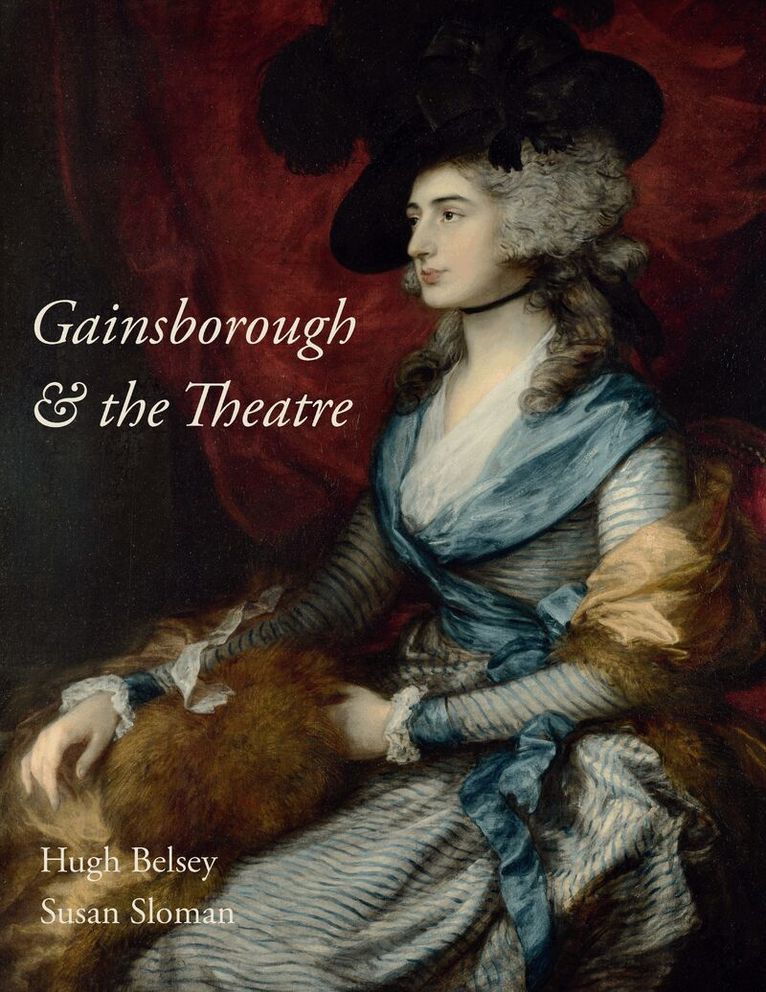
Based on new research, this profusely illustrated book draws together for the first time a group of works from public and private collections to examine the relationship that Thomas Gainsborough had with the theatrical world and the most celebrated stage artists of his day.Thomas Gainsborough (1727–88) was linked with the stage through personal friendships with James Quin, David Garrick and Sarah Siddons, the most renowned actors of the eighteenth century. He painted notable portraits of these and twenty others, including dramatists, dancers and composers.Not long after Gainsborough moved from Bath to London in 1774, the management of the Drury Lane theatre passed to the artist's friends Richard Brinsley and Thomas Linley. At this time, London's theatres were undergoing regular refurbishment to take account of technical innovations in lighting and stage machinery. At the King's Theatre in Haymarket in 1778, the 'elegant improvements' included frontispiece figures emblematic of Music and Dancing, and were painted in monochrome by Gainsborough.This publication firmly establishes the artist’s place within the theatrical worlds of Bath and London and shows why the art of ballet, and in particular Gainsborough’s sitters Gaetan Vestris, Auguste Vestris and Giovanna Baccelli, rose to prominence in 1780. It examines parallels between Gainsborough’s much admired painterly naturalism and the theatrical naturalism of David Garrick and Mrs Siddons, with whom he had personal friendships.
Inbunden, Engelska, 2024
958 kr
Skickas inom 5-8 vardagar
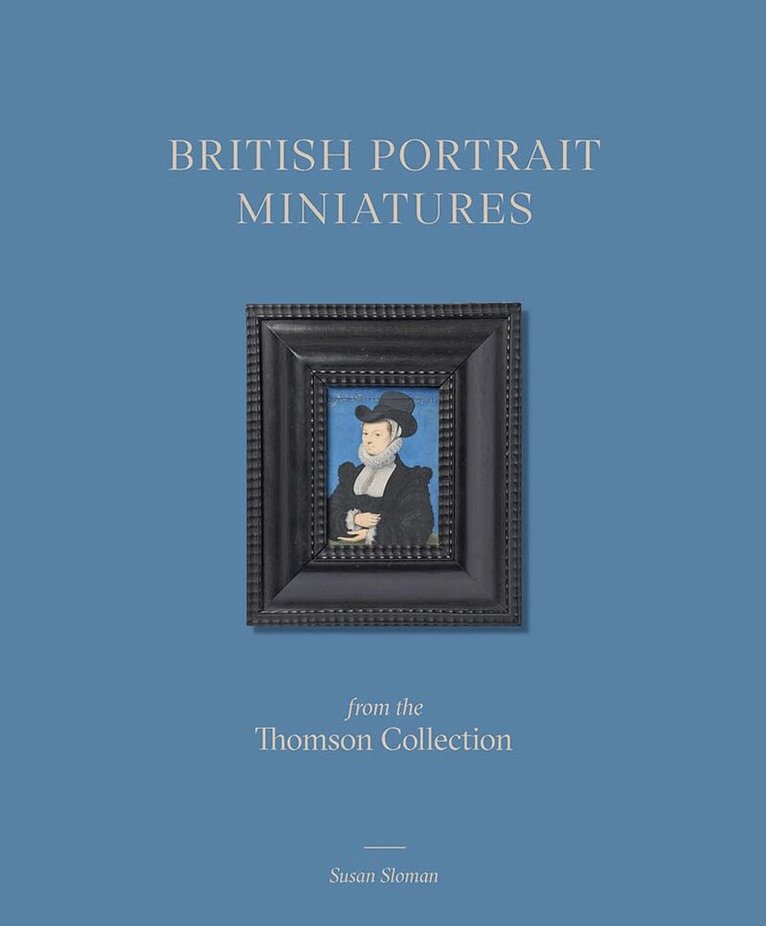
A selection of rare British portrait miniatures from a collection housed at the Art Gallery of Ontario. Portrait miniatures were highly prized in Europe for nearly four hundred years, with artists based in Britain as the acknowledged masters of this specialized field. Many of the best portrait painters are represented in British Portrait Miniatures from the Thomson Collection. Using the collection housed at the Art Gallery of Ontario as a case study, this book discusses the function of miniatures, their material presence, the circumstances in which they were made, and aspects of their later history. Part-likeness, part reliquary, and part-jewel, miniatures were frequently made as tokens of love or memorials of loved ones. Styles, techniques, and modes of presentation naturally evolved between 1560 (the date of the first miniature in the book) and around 1900. Some changes happened rapidly. In England, for example, the foundation of exhibiting societies in the 1760s created a demand for larger miniatures that could hang on the wall alongside full-sized portraits. The Thomson collection includes examples of the work of Nicholas Hilliard and John Smart, as well as portraits by less familiar names such as Jacob Van Doordt and James Scouler. It is apparent from the scope and character of his acquisitions that Ken Thomson never planned an encyclopedic collection; he developed a fondness over time for particular artists and had no qualms about omitting others altogether. The homes and studios of the most successful painters, as sumptuous as those occupied by oil painters, often passed from one generation to another: here, one key property in Covent Garden is described and illustrated. For the first time, several specialist artists' suppliers are also identified. The illicit practice within the late nineteenth and early twentieth-century art trade of duplicating old miniatures is addressed here as well. Miniatures are difficult to display in museums, but recently developed photographic methods are introducing a new audience to this multilayered subject. Eighteen years after Thomson's death, there could not be a more opportune moment to highlight his collection.