Huseyn Aliyev – författare
Visar alla böcker från författaren Huseyn Aliyev. Handla med fri frakt och snabb leverans.
14 produkter
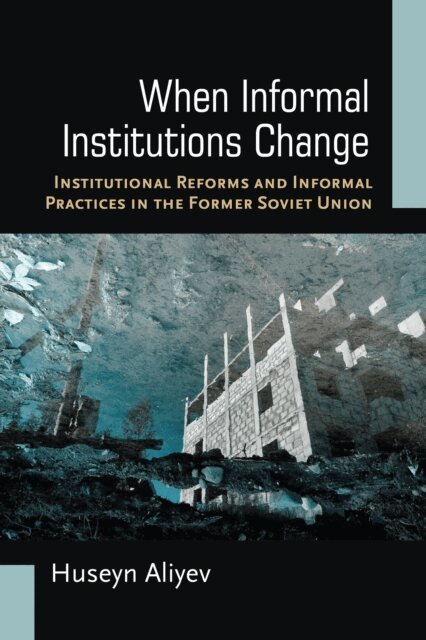
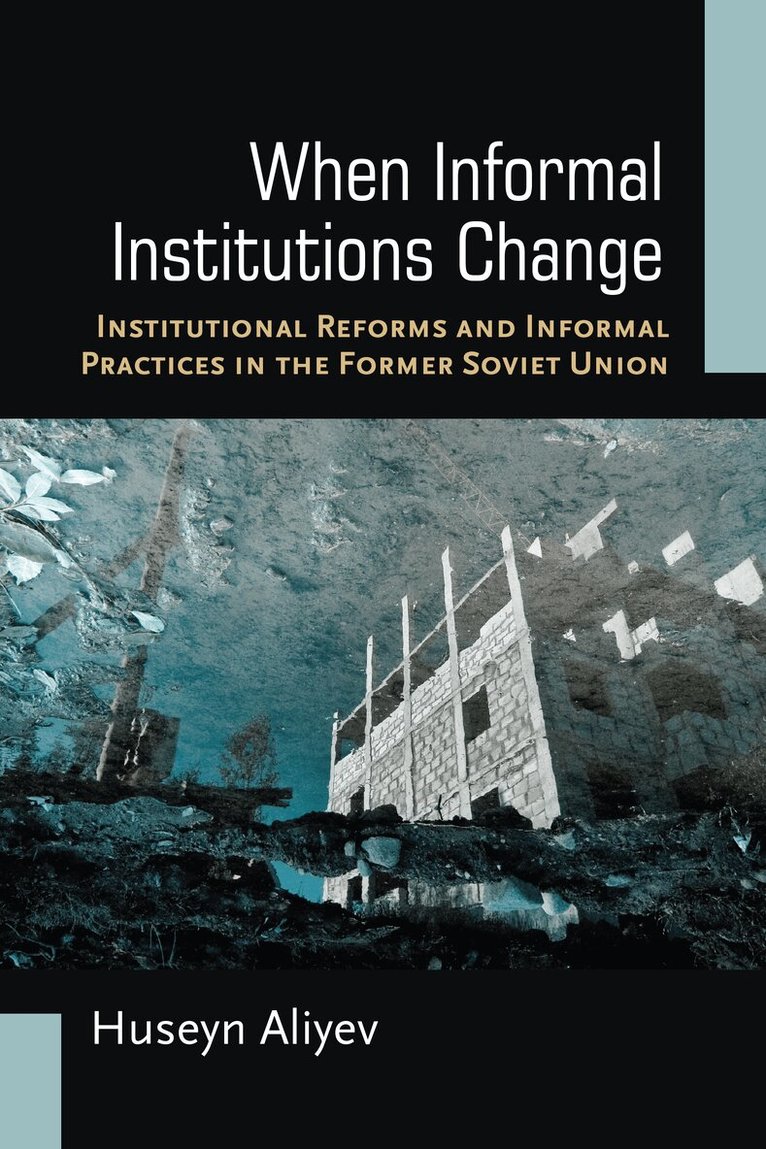
When Informal Institutions Change
Institutional Reforms and Informal Practices in the Former Soviet Union
E-bok, 2017
1325 kr
Lägg i varukorg
Huseyn Aliyev examines how, when, and under which conditions democratic institutional reforms affect informal institutions in hybrid regimes, or countries transitioning to democracy. He analyzes the impact of institutional changes on the use of informal practices and what happens when democratic …
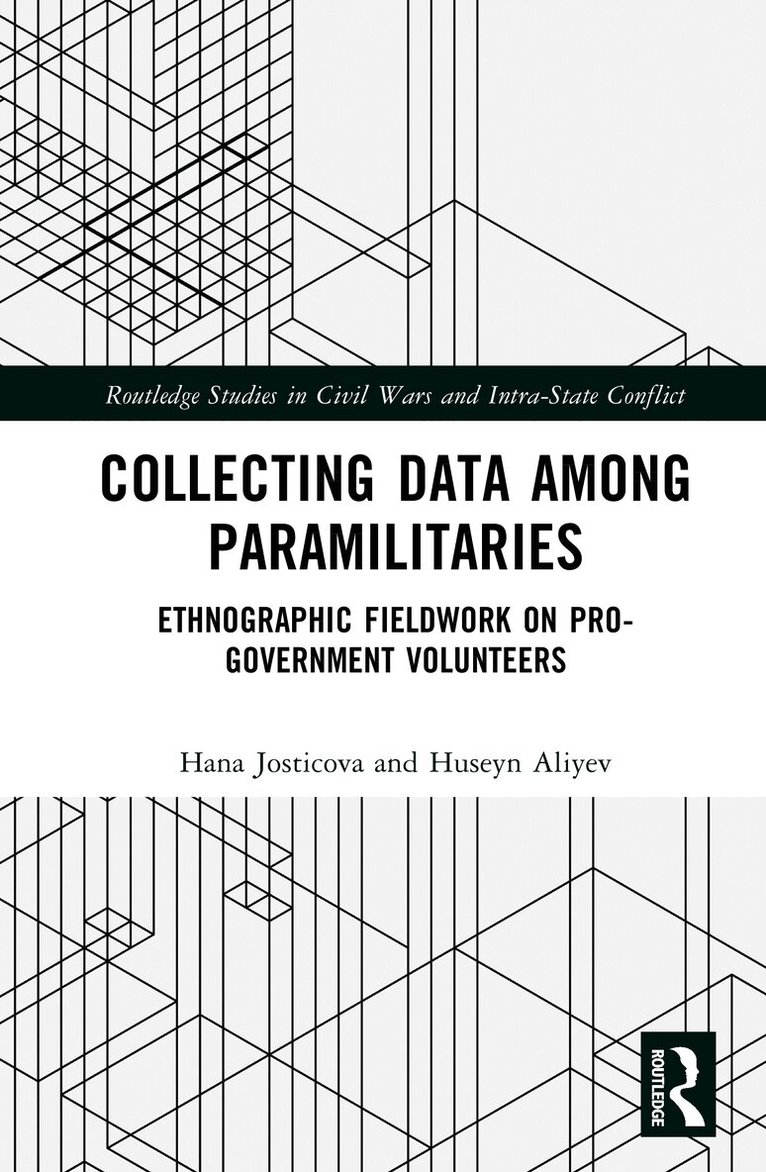
Collecting Data among Paramilitaries
Ethnographic Fieldwork on Pro-Government Volunteers
Av Hana Josticova, Huseyn Aliyev
Inbunden, 2026
2510 kr
Lägg i varukorg
This book offers the first practical guide to studying state-aligned fighters and volunteers through ethnographic research in war.Drawing on fieldwork carried out during the ongoing Russo-Ukrainian war, the book shows why understanding pro-government mobilization requires close, sustained …
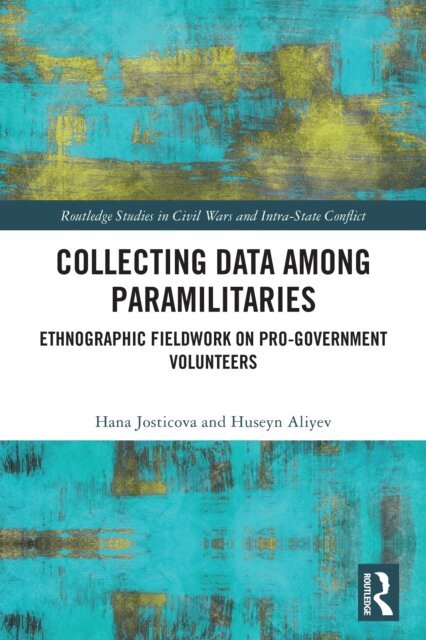
Collecting Data among Paramilitaries
Ethnographic Fieldwork on Pro-Government Volunteers
Av Huseyn Aliyev, Hana Josticova
E-bok, 2026
813 kr
Lägg i varukorg
This book offers the first practical guide to studying state-aligned fighters and volunteers through ethnographic research in war. Drawing on fieldwork carried out during the ongoing Russo-Ukrainian war, the book shows why understanding pro-government mobilization requires close, sustained …
Collecting Data among Paramilitaries
Ethnographic Fieldwork on Pro-Government Volunteers
Av Huseyn Aliyev, Hana Josticova
E-bok, 2026
831 kr
Lägg i varukorg
This book offers the first practical guide to studying state-aligned fighters and volunteers through ethnographic research in war. Drawing on fieldwork carried out during the ongoing Russo-Ukrainian war, the book shows why understanding pro-government mobilization requires close, sustained …
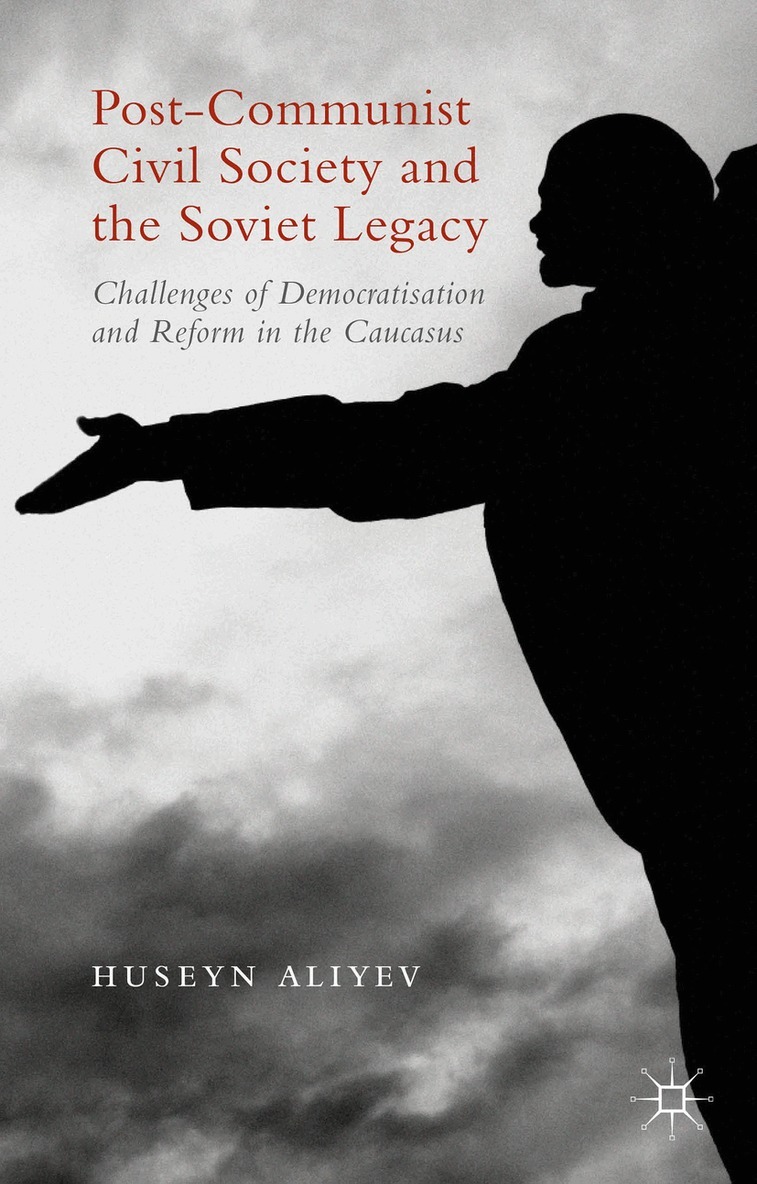
Post-Communist Civil Society and the Soviet Legacy
Challenges of Democratisation and Reform in the Caucasus
Inbunden, 2015
552 kr
Lägg i varukorg
This book argues that the weakness of civil society in the post-Soviet Caucasus is a result not only of post-communist political and economic problems, but also of the effects of historical legacies. These influence both formal and informal civil societies and weaken the countries' ability to …
Post-Communist Civil Society and the Soviet Legacy
Challenges of Democratisation and Reform in the Caucasus
E-bok, 2015
779 kr
Lägg i varukorg
This book argues that the weakness of civil society in the post-Soviet Caucasus is a result not only of post-communist political and economic problems, but also of the effects of historical legacies. These influence both formal and informal civil societies and weaken the countries'' ability to …
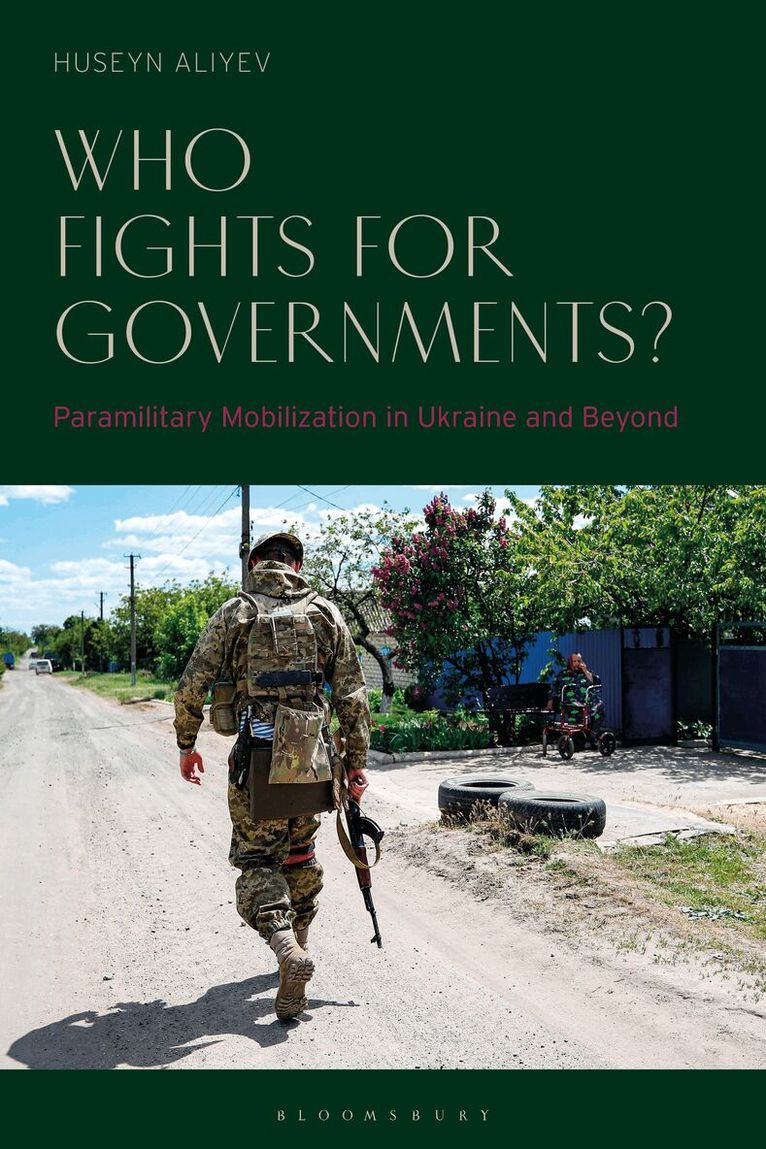
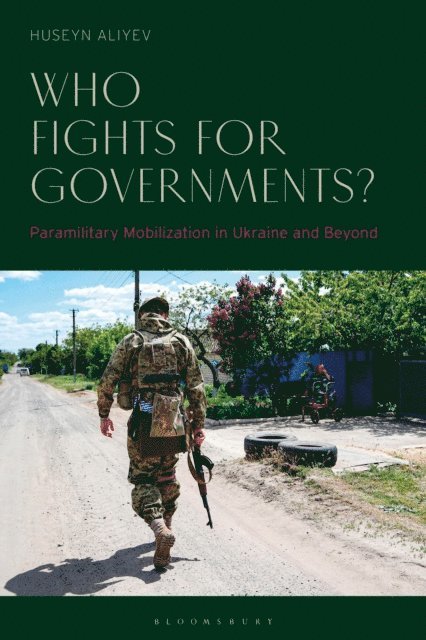
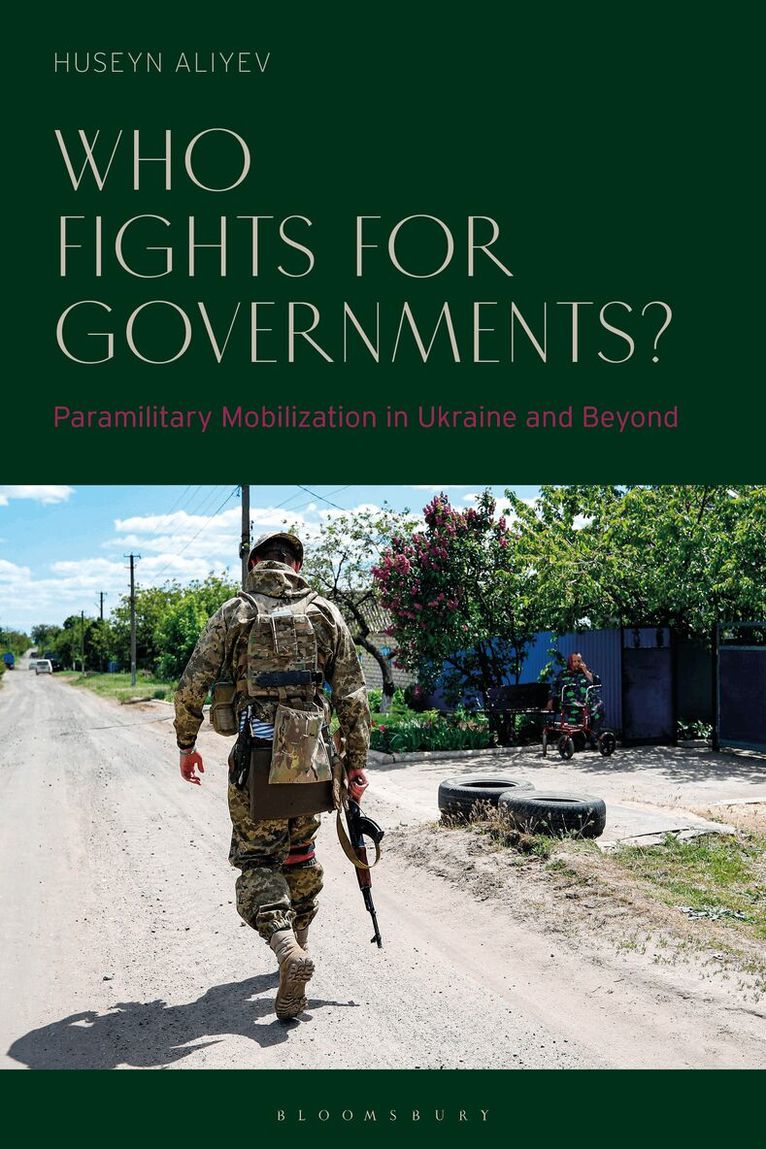
Who Fights for Governments?
Paramilitary Mobilization in Ukraine and Beyond
Inbunden, 2025
1243 kr
Lägg i varukorg
Exploring why, when and under which circumstances individuals decide to take up arms mobilizing for pro-government militias, Huseyn Aliyev draws on insights from long-standing ethnographic fieldwork among former and active members of Ukraine’s pro-government volunteer battalions, and an original …
Who Fights for Governments?
Paramilitary Mobilization in Ukraine and Beyond
E-bok, 2025
1364 kr
Lägg i varukorg
Exploring why, when and under which circumstances individuals decide to take up arms mobilizing for pro-government militias, Huseyn Aliyev draws on insights from long-standing ethnographic fieldwork among former and active members of Ukraine''s pro-government volunteer battalions, and an original …
Who Fights for Governments?
Paramilitary Mobilization in Ukraine and Beyond
E-bok, 2025
1364 kr
Lägg i varukorg
Exploring why, when and under which circumstances individuals decide to take up arms mobilizing for pro-government militias, Huseyn Aliyev draws on insights from long-standing ethnographic fieldwork among former and active members of Ukraine''s pro-government volunteer battalions, and an original …
Who Fights for Governments?
Paramilitary Mobilization in Ukraine and Beyond
Häftad, 2026
425 kr
Kommande
Exploring why, when and under which circumstances individuals decide to take up arms mobilizing for pro-government militias, Huseyn Aliyev draws on insights from long-standing ethnographic fieldwork among former and active members of Ukraine’s pro-government volunteer battalions, and an original …
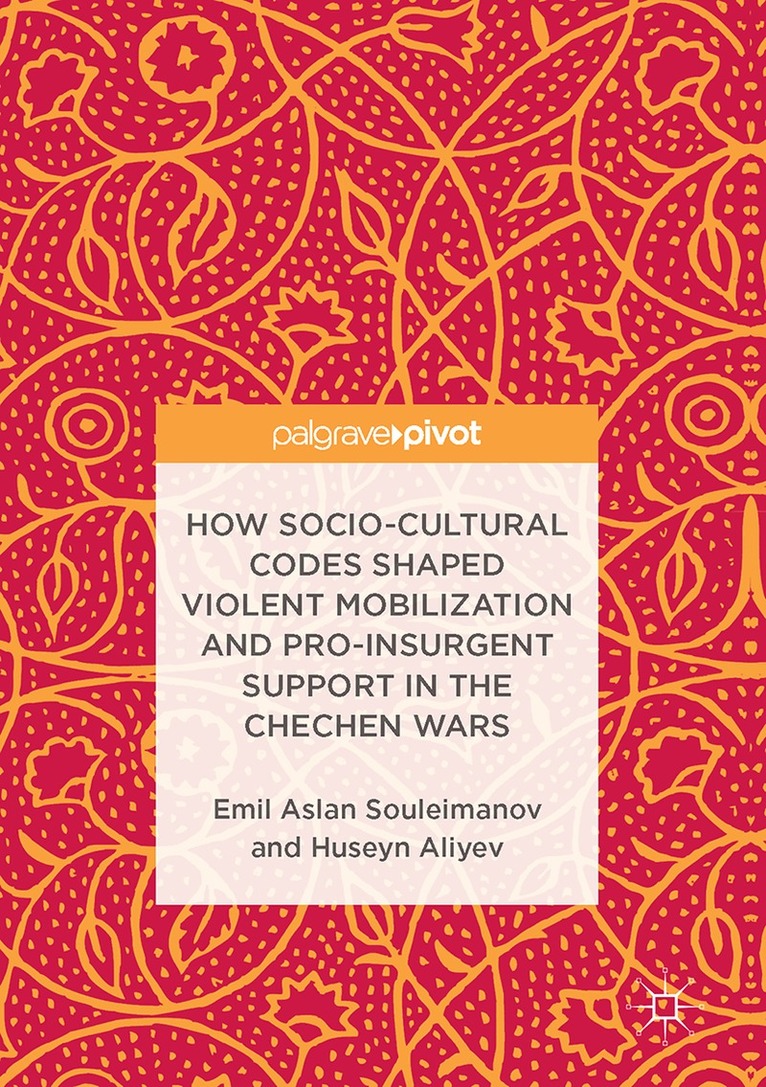
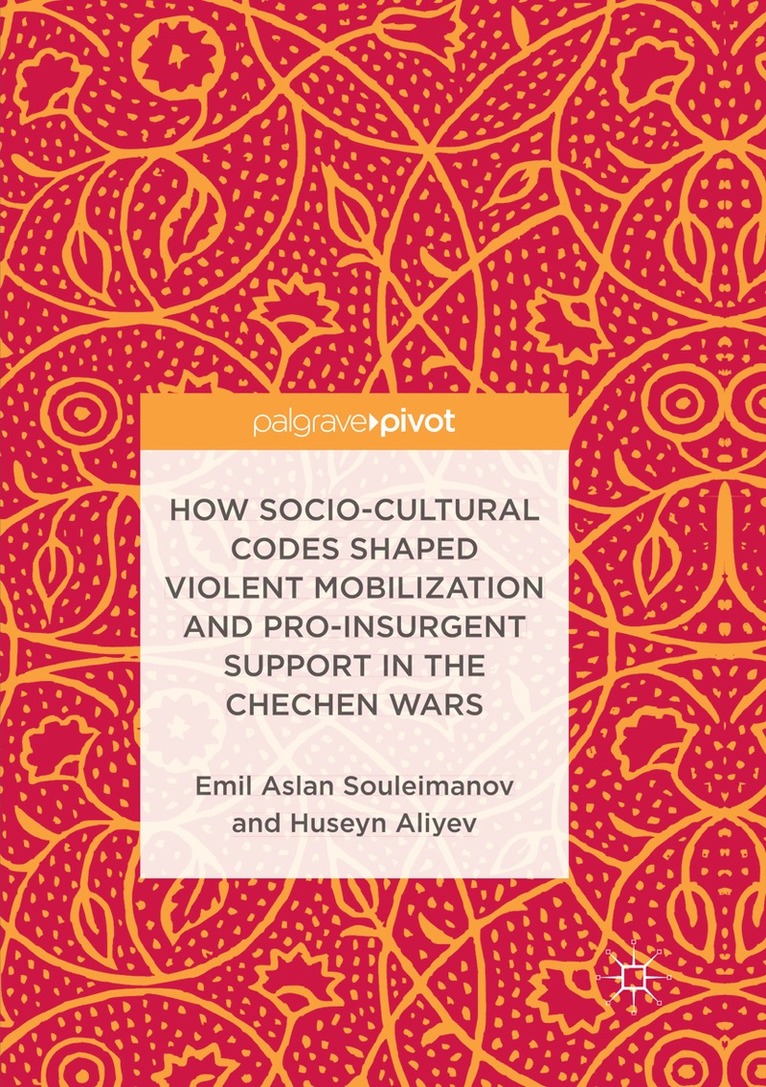
How Socio-Cultural Codes Shaped Violent Mobilization and Pro-Insurgent Support in the Chechen Wars
Av Emil Aslan Souleimanov, Huseyn Aliyev
Inbunden, 2017
605 kr
Lägg i varukorg
This book argues that the existing scholarship on asymmetric conflict has so far failed to take into account the role of socio-cultural disparities among belligerents. In order to remedy this deficiency, this study conceptualizes socio-cultural asymmetry under the term of asymmetry of values. It …
How Socio-Cultural Codes Shaped Violent Mobilization and Pro-Insurgent Support in the Chechen Wars
Av Huseyn Aliyev, Emil Aslan Souleimanov
E-bok, 2017
797 kr
Lägg i varukorg
This book argues that the existing scholarship on asymmetric conflict has so far failed to take into account the role of socio-cultural disparities among belligerents. In order to remedy this deficiency, this study conceptualizes socio-cultural asymmetry under the term of asymmetry of values. It …
How Socio-Cultural Codes Shaped Violent Mobilization and Pro-Insurgent Support in the Chechen Wars
Av Emil Aslan Souleimanov, Huseyn Aliyev
Häftad, 2018
605 kr
Lägg i varukorg
This book argues that the existing scholarship on asymmetric conflict has so far failed to take into account the role of socio-cultural disparities among belligerents. In order to remedy this deficiency, this study conceptualizes socio-cultural asymmetry under the term of asymmetry of values. It …
When Informal Institutions Change
Institutional Reforms and Informal Practices in the Former Soviet Union
Inbunden, 2017
1195 kr
Tillfälligt slut
Huseyn Aliyev examines how, when, and under which conditions democratic institutional reforms affect informal institutions in hybrid regimes, or countries transitioning to democracy. He analyzes the impact of institutional changes on the use of informal practices and what happens when democratic …