Ian Pool – författare
Visar alla böcker från författaren Ian Pool. Handla med fri frakt och snabb leverans.
6 produkter
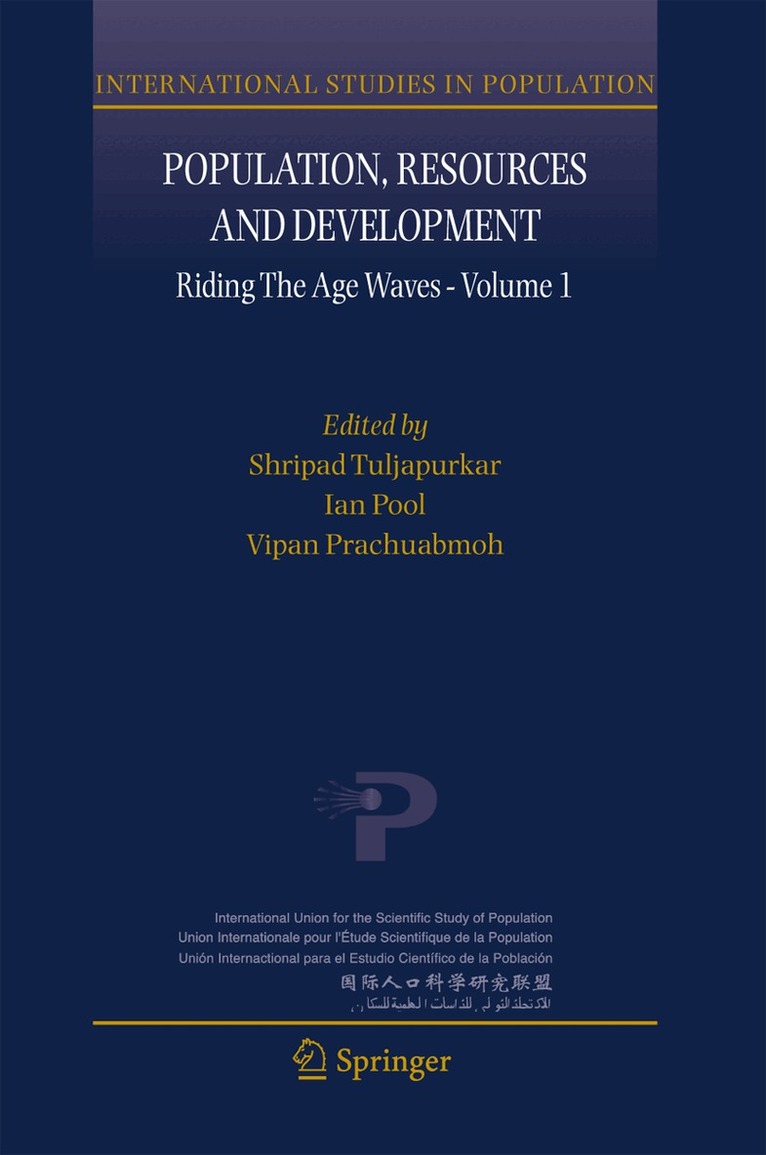
Population, Resources and Development
Riding the Age Waves - Volume 1
Av Shripad Tuljapurkar, Ian Pool m. fl.
Inbunden, 2005
1098 kr
Lägg i varukorg
In the 21st century, the populations of the world’s nations will display large and long-lived changes in age structure. Many of these began with fertility change and are amplified by declining mortality and by migration within and between nations. Demography will matter in this century not by force …
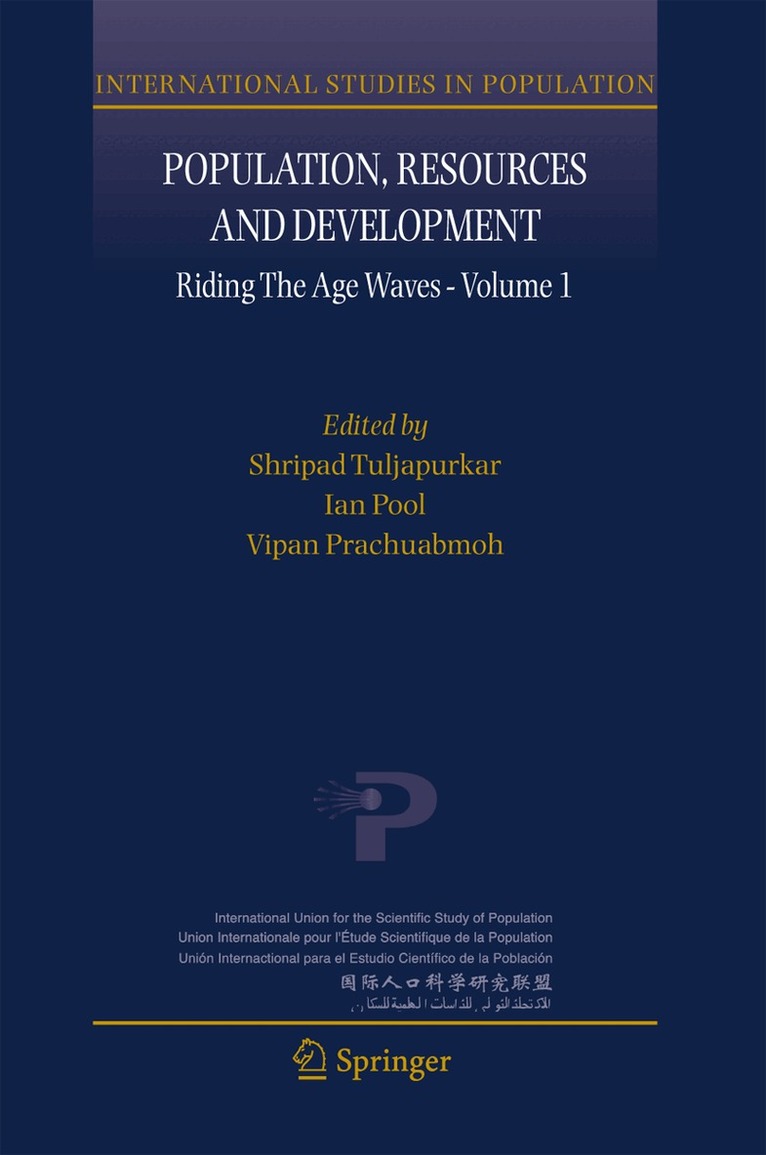
Population, Resources and Development
Riding the Age Waves - Volume 1
Av Vipan Prachuabmoh, Ian Pool m. fl.
E-bok, 2005
1427 kr
Lägg i varukorg
In the 21 st century, the populations of the world’s nations will display large and long-lived changes in age structure. Many of these began with fertility change and are amplified by declining mortality and by migration within and between nations. Demography will matter in this century not by …
Population, Resources and Development
Riding the Age Waves - Volume 1
Av Shripad Tuljapurkar, Ian Pool m. fl.
Häftad, 2006
1095 kr
Lägg i varukorg
In the 21st century, the populations of the world’s nations will display large and long-lived changes in age structure. Many of these began with fertility change and are amplified by declining mortality and by migration within and between nations. Demography will matter in this century not by force …
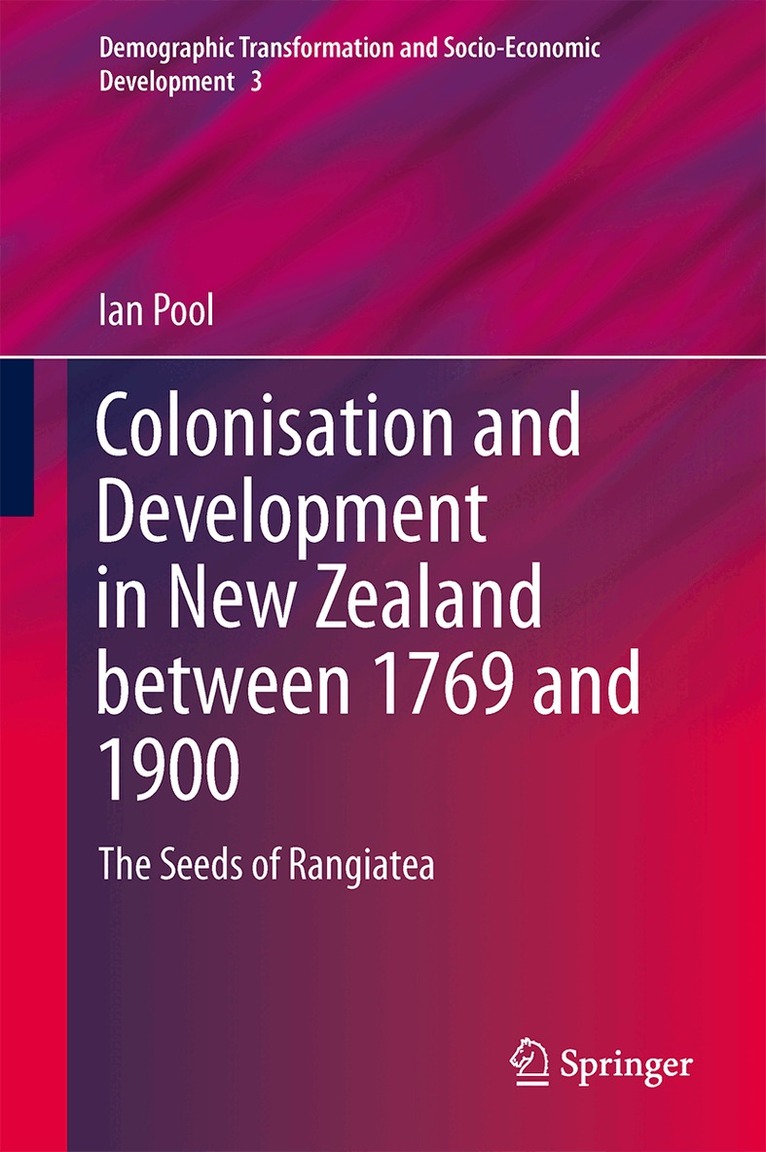
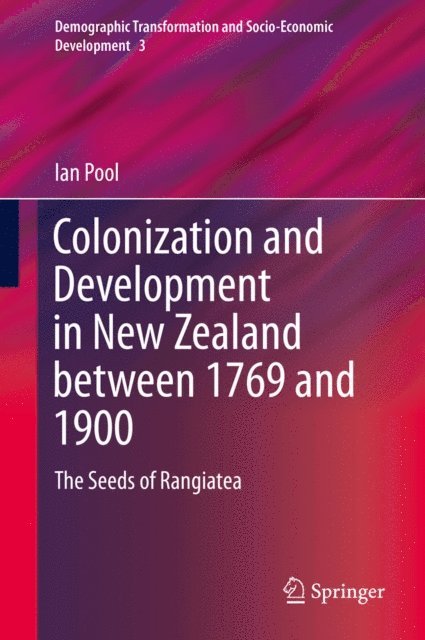
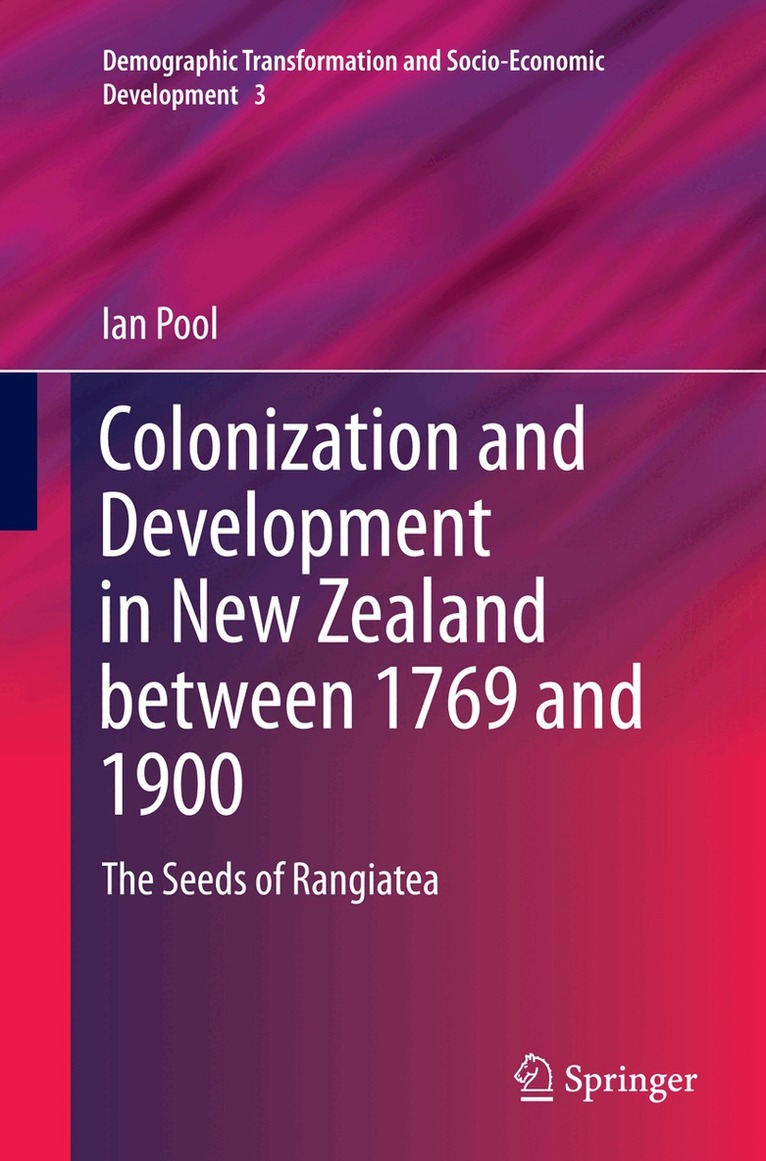
Colonization and Development in New Zealand between 1769 and 1900
The Seeds of Rangiatea
Av Ian Pool
Inbunden, 2015
1128 kr
Lägg i varukorg
This book details the interactions between the Seeds of Rangiatea, New Zealand’s Maori people of Polynesian origin, and Europe from 1769 to 1900. It provides a case-study of the way Imperial era contact and colonization negatively affected naturally evolving demographic/epidemiologic transitions …
Colonization and Development in New Zealand between 1769 and 1900
The Seeds of Rangiatea
Av Ian Pool
E-bok, 2015
1459 kr
Lägg i varukorg
This book details the interactions between the Seeds of Rangiatea, New Zealand’s Maori people of Polynesian origin, and Europe from 1769 to 1900. It provides a case-study of the way Imperial era contact and colonization negatively affected naturally evolving demographic/epidemiologic transitions …
Colonization and Development in New Zealand between 1769 and 1900
The Seeds of Rangiatea
Av Ian Pool
Häftad, 2016
1095 kr
Lägg i varukorg
This book details the interactions between the Seeds of Rangiatea, New Zealand’s Maori people of Polynesian origin, and Europe from 1769 to 1900. It provides a case-study of the way Imperial era contact and colonization negatively affected naturally evolving demographic/epidemiologic transitions …