Ian Westbury – författare
393 kr
Skickas inom 5-8 vardagar
2 320 kr
Skickas inom 10-15 vardagar
2 320 kr
Skickas inom 10-15 vardagar
577 kr
Läs direkt efter köp
850 kr
Läs direkt efter köp
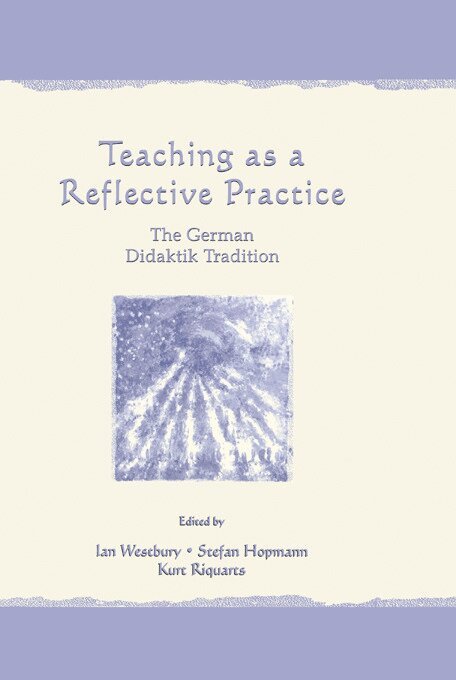
This volume presents a mix of translations of classical and modern papers from the German Didaktik tradition, newly prepared essays by German scholars and practitioners writing from within the tradition, and interpretive essays by U.S. scholars. It brings this tradition, which virtually dominated German curricular thought and teacher education until the 1960s when American curriculum theory entered Germany--and which is now experiencing a renaissance--to the English-speaking world, where it has been essentially unknown. The intent is to capture in one volume the core (at least) of the tradition of Didaktik and to communicate its potential relevance to English-language curricularists and teacher educators. It introduces a theoretical tradition which, although very different in almost every respect from those we know, offers a set of approaches that suggest ways of thinking about problems of reflection on curricular and teaching praxis (the core focus of the tradition) which the editors believe are accessible to North American readers--with appropriate "translation." These ways of thinking and related praxis are very relevant to notions such as reflective teaching and the discourse on teachers as professionals. By raising the possibility that the "new" tradition of Didaktik can be highly suggestive for thinking through issues related to a number of central ideas within contemporary discourse--and for exploring the implications of these ideas for both teacher education and for a curriculum theory appropriate to these new contexts for theorizing, this book opens up a gold mine of theoretical and practical possibilities.
850 kr
Läs direkt efter köp
This volume presents a mix of translations of classical and modern papers from the German Didaktik tradition, newly prepared essays by German scholars and practitioners writing from within the tradition, and interpretive essays by U.S. scholars. It brings this tradition, which virtually dominated German curricular thought and teacher education until the 1960s when American curriculum theory entered Germany--and which is now experiencing a renaissance--to the English-speaking world, where it has been essentially unknown. The intent is to capture in one volume the core (at least) of the tradition of Didaktik and to communicate its potential relevance to English-language curricularists and teacher educators. It introduces a theoretical tradition which, although very different in almost every respect from those we know, offers a set of approaches that suggest ways of thinking about problems of reflection on curricular and teaching praxis (the core focus of the tradition) which the editors believe are accessible to North American readers--with appropriate "translation." These ways of thinking and related praxis are very relevant to notions such as reflective teaching and the discourse on teachers as professionals. By raising the possibility that the "new" tradition of Didaktik can be highly suggestive for thinking through issues related to a number of central ideas within contemporary discourse--and for exploring the implications of these ideas for both teacher education and for a curriculum theory appropriate to these new contexts for theorizing, this book opens up a gold mine of theoretical and practical possibilities.
760 kr
Skickas inom 10-15 vardagar
746 kr
Skickas inom 10-15 vardagar
1 008 kr
Skickas inom 10-15 vardagar
584 kr
Skickas inom 10-15 vardagar
533 kr
Skickas inom 5-8 vardagar
993 kr
Skickas inom 5-8 vardagar
385 kr
Läs direkt efter köp
This book explores the negotiation of the ways that teachers are involved in the process of changing curriculum and pedagogies and also the realities of implimenting those changes in the classroom. How do teachers negotiate their place within changes in pedagogy and curriculum and how is that negotiation enacted in the space of a teacher''s own classroom? This question is explored by telling stories about the process of change and the ways that teachers were involved with science curricular and pedagogical reform efforts imposed in their particular school district.