Ibrahim Fraihat – författare
Visar alla böcker från författaren Ibrahim Fraihat. Handla med fri frakt och snabb leverans.
9 produkter
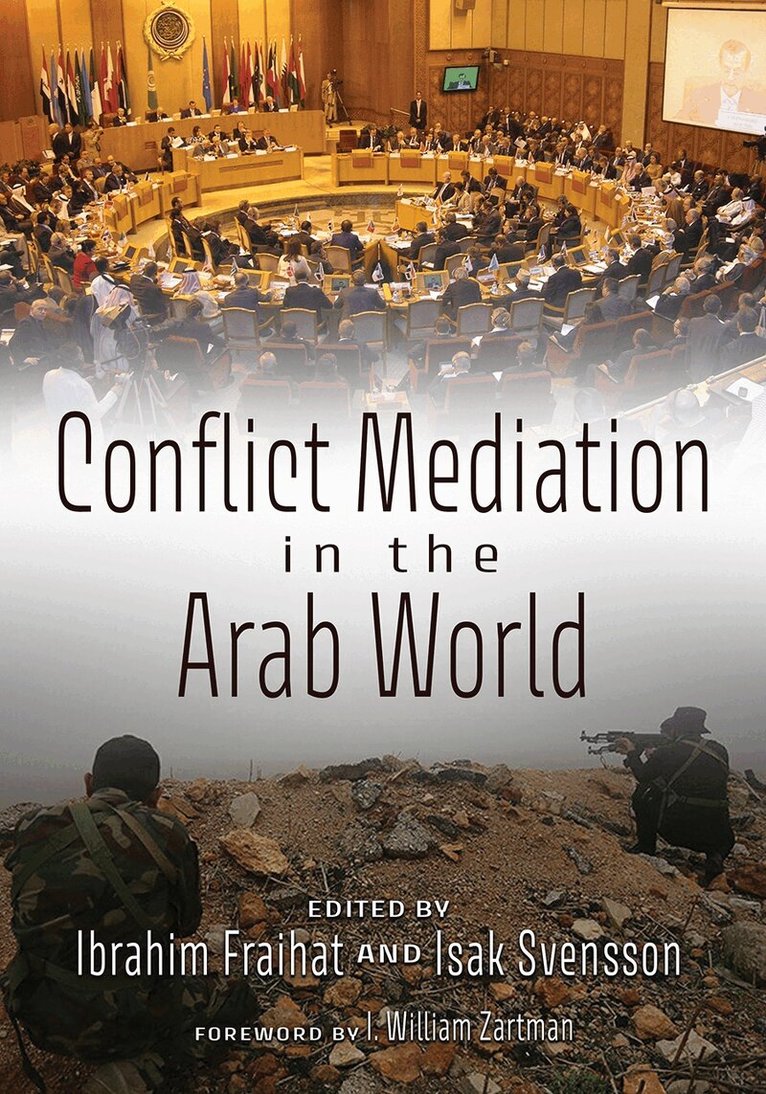
Conflict Mediation in the Arab World
Av Ibrahim Fraihat, Isak Svensson
Häftad, 2023
652 kr
Lägg i varukorg
The Middle East and North Africa region has been plagued with civil wars, international interventions, and increasing militarization, making it one of the most war-affected areas in the world today. Despite numerous mediation processes and initiatives for conflict resolution, most have failed to …
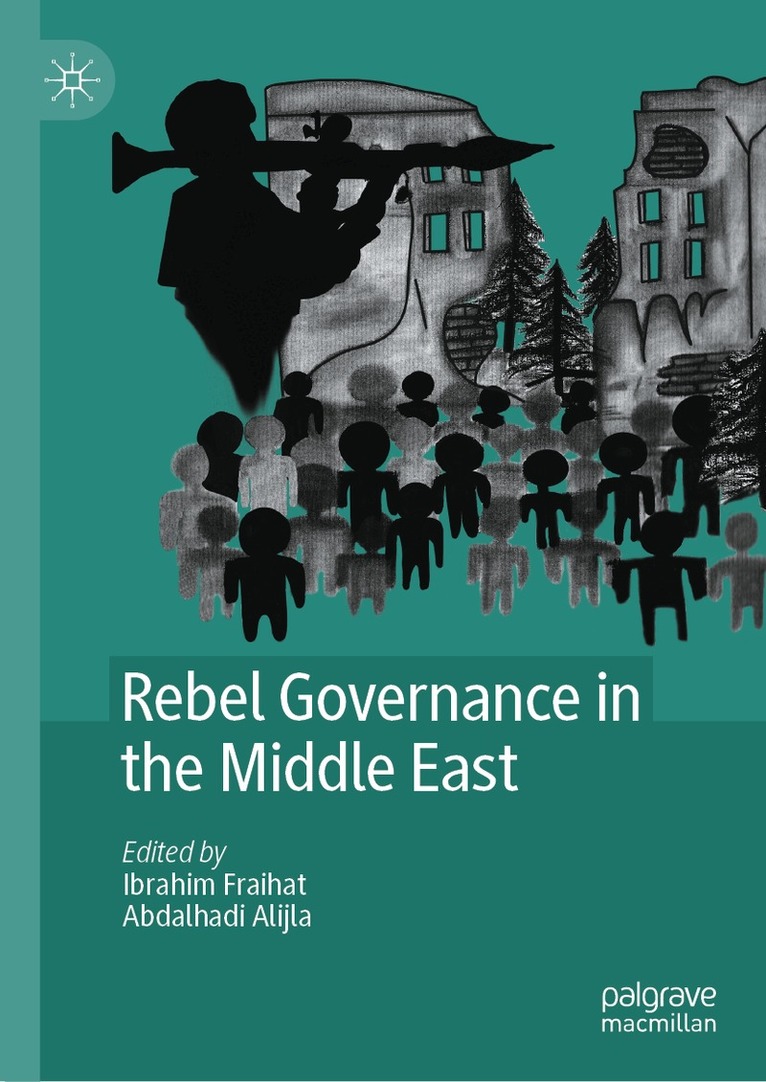
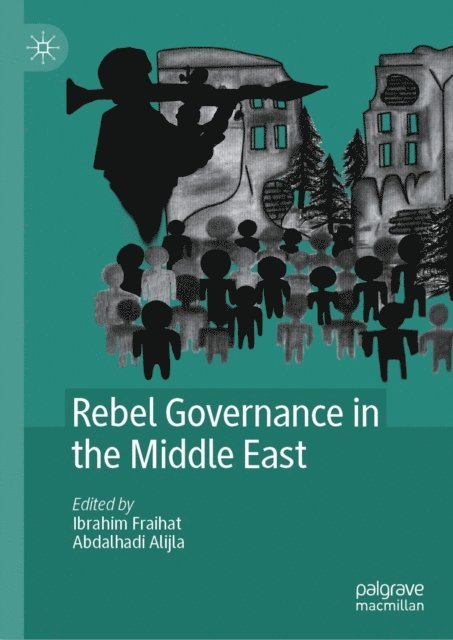
Rebel Governance in the Middle East
Av Ibrahim Fraihat, Abdalhadi Alijla
Inbunden, 2023
1631 kr
Lägg i varukorg
This book uses the cases of Syrian factions in rebel-held areas, Hamas in the Gaza Strip, Houthi in Yemen, rebels in Libya, Taliban in Afghanistan, In Iraq, and Somalia to explain the importance of examining genealogies tribalism, common local knowledge and social networks in understanding the …
Conflict Mediation in the Arab World
Av Ibrahim Fraihat, Isak Svensson
Inbunden, 2023
1252 kr
Lägg i varukorg
The Middle East and North Africa region has been plagued with civil wars, international interventions, and increasing militarization, making it one of the most war-affected areas in the world today. Despite numerous mediation processes and initiatives for conflict resolution, most have failed to …
Conflict Mediation in the Arab World
Av Isak Svensson, Ibrahim Fraihat
E-bok, 2023
779 kr
Lägg i varukorg
The Middle East and North Africa region has been plagued with civil wars, international interventions, and increasing militarization, making it one of the most war-affected areas in the world today. Despite numerous mediation processes and initiatives for conflict resolution, most have failed to …
Resolving the Rivalry Between Iran and Saudi Arabia
Inbunden, 2020
2243 kr
Lägg i varukorg
Hostile relations between Iran and Saudi Arabia are partially responsible for the political instability plaguing the Middle East. This book argues that rapprochement between Tehran and Riyadh is possible and it sets out a realistic agenda for managing their intractable conflict. Ibrahim Fraihat …
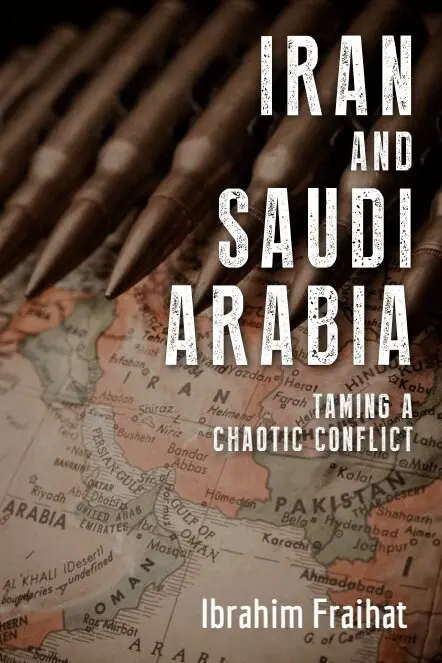
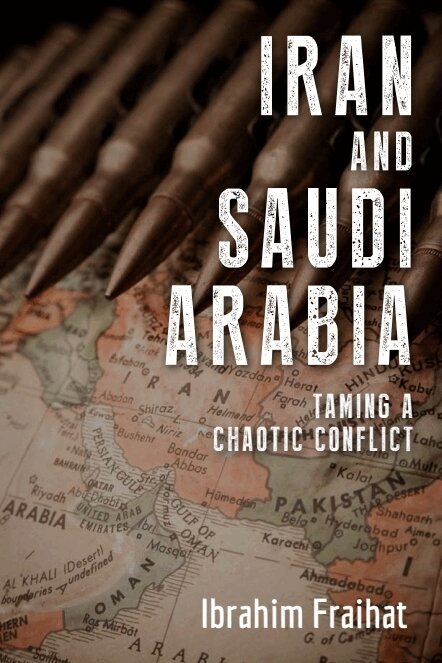
Iran and Saudi Arabia
Taming a Chaotic Conflict
Häftad, 2020
458 kr
Lägg i varukorg
Hostile relations between Iran and Saudi Arabia are partially responsible for the political instability plaguing the Middle East. This book argues that rapprochement between Tehran and Riyadh is possible and it sets out a realistic agenda for managing their intractable conflict. Ibrahim Fraihat …
Libya's Displacement Crisis
Uprooted by Revolution and Civil War
Av Megan Bradley, Ibrahim Fraihat m. fl.
Häftad, 2016
186 kr
Lägg i varukorg
Libya faces a bleak humanitarian crisis, the result of the country's descent into civil war in the summer of 2014 following the 2011 revolution. Hundreds of thousands of Libyan citizens are uprooted within the country and many more are sheltering in neighboring states, particularly Tunisia. Drawing …
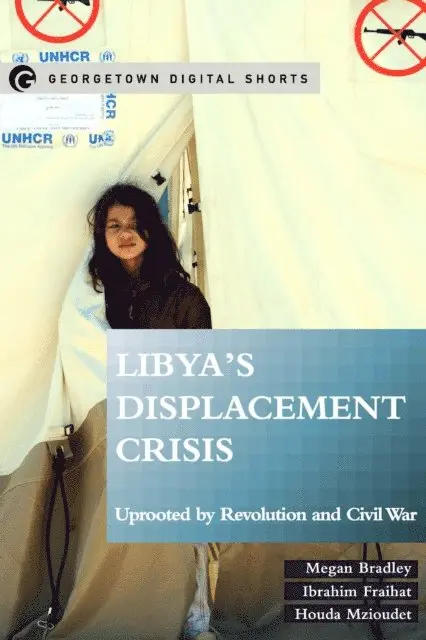
Libya's Displacement Crisis
Uprooted by Revolution and Civil War
Av Houda Mzioudet, Ibrahim Fraihat m. fl.
E-bok, 2016
90 kr
Lägg i varukorg
Libya faces a bleak humanitarian crisis, the result of the country’s descent into civil war in the summer of 2014 following the 2011 revolution. Hundreds of thousands of Libyan citizens are uprooted within the country and many more are sheltering in neighboring states, particularly Tunisia. Drawing …
Rebel Governance in the Middle East
Av Abdalhadi Alijla, Ibrahim Fraihat
E-bok, 2023
2111 kr
Lägg i varukorg
This book uses the cases of Syrian factions in rebel-held areas, Hamas in the Gaza Strip, Houthi in Yemen, rebels in Libya, Taliban in Afghanistan, In Iraq, and Somalia to explain the importance of examining genealogies tribalism, common local knowledge and social networks in understanding the …