Ignacio Sánchez-Cuenca – författare
Visar alla böcker från författaren Ignacio Sánchez-Cuenca. Handla med fri frakt och snabb leverans.
11 produkter
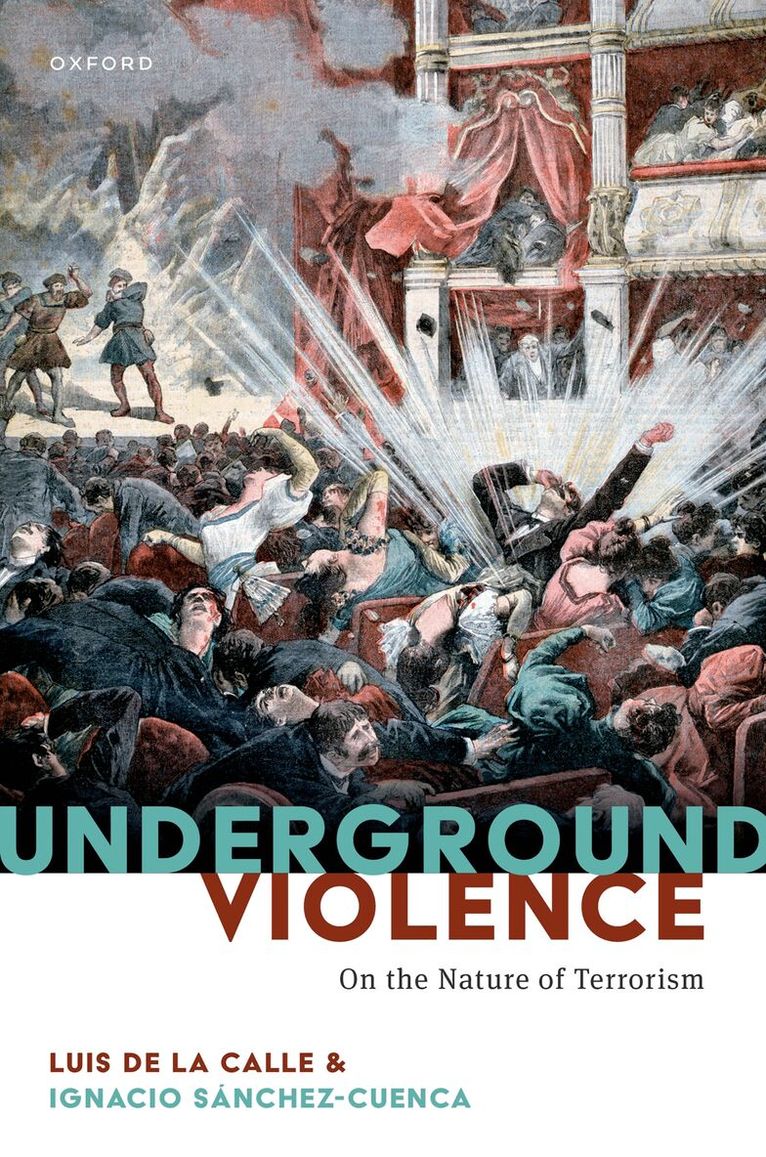
Underground Violence
On the Nature of Terrorism
Av Luis de la Calle, Ignacio Sánchez-Cuenca
Inbunden, 2024
1123 kr
Lägg i varukorg
What makes terrorism a unique form of political violence is its underground nature. According to the conceptualization of the phenomenon offered in this book, terrorism is the kind of violence carried out when the perpetrators lack territorial control. There is a strong link between terrorism and …
Underground Violence
On the Nature of Terrorism
Av Ignacio Sanchez-Cuenca, Luis de la Calle
E-bok, 2024
1155 kr
Lägg i varukorg
What makes terrorism a unique form of political violence is its underground nature. According to the conceptualization of the phenomenon offered in this book, terrorism is the kind of violence carried out when the perpetrators lack territorial control. There is a strong link between terrorism and …
Underground Violence
On the Nature of Terrorism
Av Ignacio Sanchez-Cuenca, Luis de la Calle
E-bok, 2024
1155 kr
Lägg i varukorg
What makes terrorism a unique form of political violence is its underground nature. According to the conceptualization of the phenomenon offered in this book, terrorism is the kind of violence carried out when the perpetrators lack territorial control. There is a strong link between terrorism and …
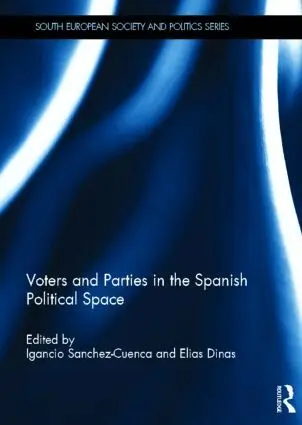
Voters and Parties in the Spanish Political Space
Av Ignacio Sánchez-Cuenca, Elias Dinas
Inbunden, 2013
764 kr
Lägg i varukorg
This book deals with the structure of Spanish politics: how citizens and parties locate themselves in political space, and how these actors make decisions based on their positions in the various dimensions this space consists of.The authors of this volume address the questions surrounding the …
Voters and Parties in the Spanish Political Space
Av Ignacio Sánchez-Cuenca, Elias Dinas
Häftad, 2024
648 kr
Lägg i varukorg
This book deals with the structure of Spanish politics: how citizens and parties locate themselves in political space, and how these actors make decisions based on their positions in the various dimensions this space consists of.The authors of this volume address the questions surrounding the …
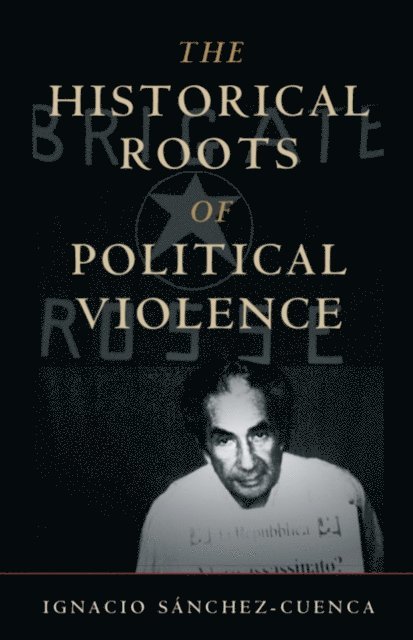
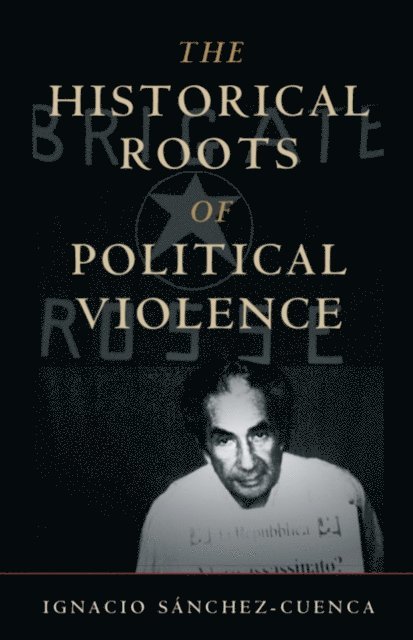
Historical Roots of Political Violence
Revolutionary Terrorism in Affluent Countries
E-bok, 2019
606 kr
Lägg i varukorg
Following the protest movements and radicalism of the late sixties, many affluent countries experienced lethal revolutionary terrorism. Groups like the Red Brigades in Italy and the Red Army Faction in Germany provoked political crises in their countries. Other affluent countries, however, did not …
Voters and Parties in the Spanish Political Space
Av Elias Dinas, Ignacio Sanchez-Cuenca
E-bok, 2016
746 kr
Lägg i varukorg
This book deals with the structure of Spanish politics: how citizens and parties locate themselves in political space, and how these actors make decisions based on their positions in the various dimensions this space consists of. The authors of this volume address the questions surrounding the …
Voters and Parties in the Spanish Political Space
Av Elias Dinas, Ignacio Sanchez-Cuenca
E-bok, 2016
746 kr
Lägg i varukorg
This book deals with the structure of Spanish politics: how citizens and parties locate themselves in political space, and how these actors make decisions based on their positions in the various dimensions this space consists of. The authors of this volume address the questions surrounding the …
Historical Roots of Political Violence
Revolutionary Terrorism in Affluent Countries
E-bok, 2019
620 kr
Lägg i varukorg
Following the protest movements and radicalism of the late sixties, many affluent countries experienced lethal revolutionary terrorism. Groups like the Red Brigades in Italy and the Red Army Faction in Germany provoked political crises in their countries. Other affluent countries, however, did not …
Atado y mal atado
El suicidio institucional del franquismo y el surgimiento de la democracia
E-bok, 2014
145 kr
Lägg i varukorg
Franco quiso que el régimen quedara "atado y bien atado" tras su muerte. Pero un año después de su desaparición, el propio régimen desató el nudo sin demasiadas dificultades. La transición a la democracia se produjo mediante la aprobación en las Cortes, el 18 de noviembre de 1976, de la octava Ley …
Más democracia, menos liberalismo
E-bok, 2010
106 kr
Lägg i varukorg
En este libro -señala Ignacio Sánchez-Cuenca- pretendo recuperar parte de la confianza perdida en el funcionamiento del sistema democrático. La democracia -afirma- puede ofrecer más de lo que sus críticos admiten. El ideal de un conjunto de personas libres e iguales que toman decisiones colectivas …