Ikenna Mike Alumona - Böcker
Visar alla böcker från författaren Ikenna Mike Alumona. Handla med fri frakt och snabb leverans.
5 produkter
5 produkter
613 kr
Skickas inom 10-15 vardagar
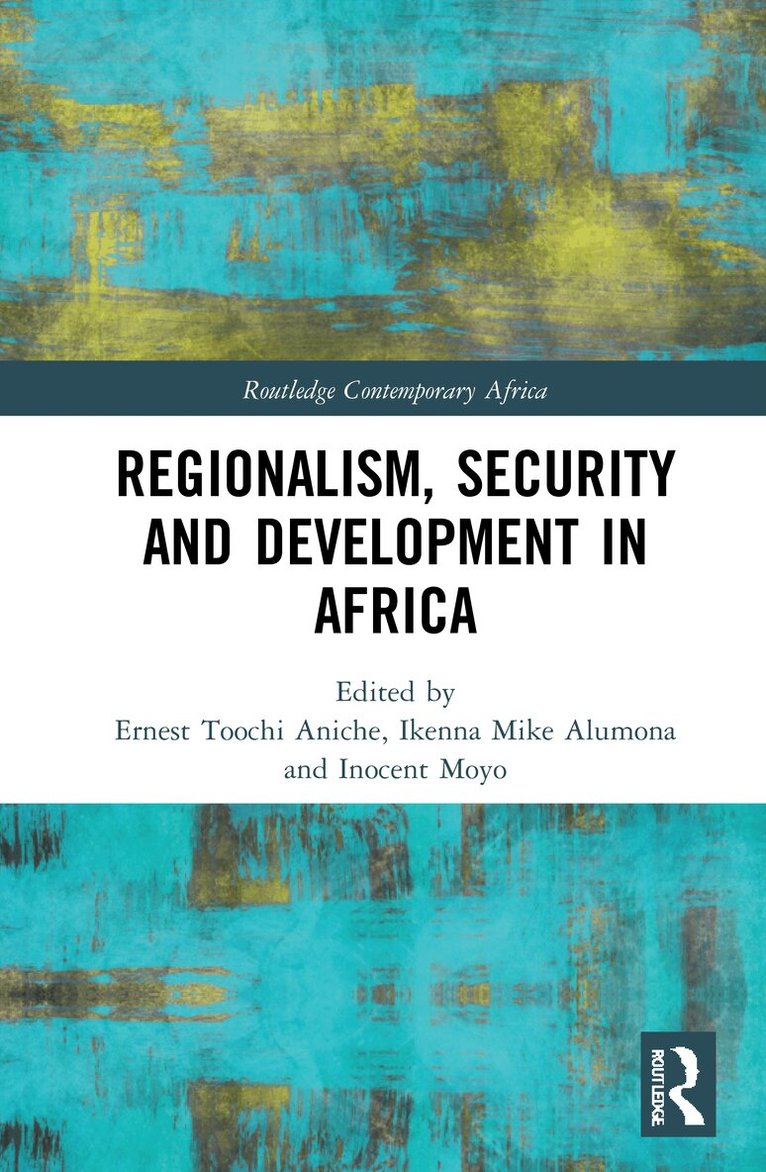
This book charts the history and contemporary landscape of African regionalism, investigating how regional cooperation can be used to help to tackle security and development challenges in Africa.Africa has a long tradition of regional cooperation, with the oldest trade and monetary integration schemes in the developing world, but its colonial period and partition of have caused lasting damage that still be seen in today’s African economies. Contemporary post-colonial African regionalism, deeply rooted in notions of pan-Africanism, has served as a means of collective self-reliance and economic transformation and development. This book starts with the history and theory behind African regionalism before discussing and comparing regional organisations such as the Economic Community of Central African States (ECCAS), the Economic Community of West African States (ECOWAS), the Community of Sahel-Saharan States (CEN-SAD), Southern African Development Community (SADC), the Common Market for Eastern and Southern Africa (COMESA) and the East African Community (EAC). Finally, the book considers how regional integration and cooperation can help to address security and development challenges.This ambitious and broad-ranging book will be a valuable resource for researchers working on African regionalism, security, African integration and development, and comparative regionalism. Policymakers should also consider it a useful guide to the background and contemporary landscape of African regionalism.
2 096 kr
Skickas inom 10-15 vardagar
This book charts the history and contemporary landscape of African regionalism, investigating how regional cooperation can be used to help to tackle security and development challenges in Africa.Africa has a long tradition of regional cooperation, with the oldest trade and monetary integration schemes in the developing world, but its colonial period and partition of have caused lasting damage that still be seen in today’s African economies. Contemporary post-colonial African regionalism, deeply rooted in notions of pan-Africanism, has served as a means of collective self-reliance and economic transformation and development. This book starts with the history and theory behind African regionalism before discussing and comparing regional organisations such as the Economic Community of Central African States (ECCAS), the Economic Community of West African States (ECOWAS), the Community of Sahel-Saharan States (CEN-SAD), Southern African Development Community (SADC), the Common Market for Eastern and Southern Africa (COMESA) and the East African Community (EAC). Finally, the book considers how regional integration and cooperation can help to address security and development challenges.This ambitious and broad-ranging book will be a valuable resource for researchers working on African regionalism, security, African integration and development, and comparative regionalism. Policymakers should also consider it a useful guide to the background and contemporary landscape of African regionalism.
1 901 kr
Skickas inom 10-15 vardagar
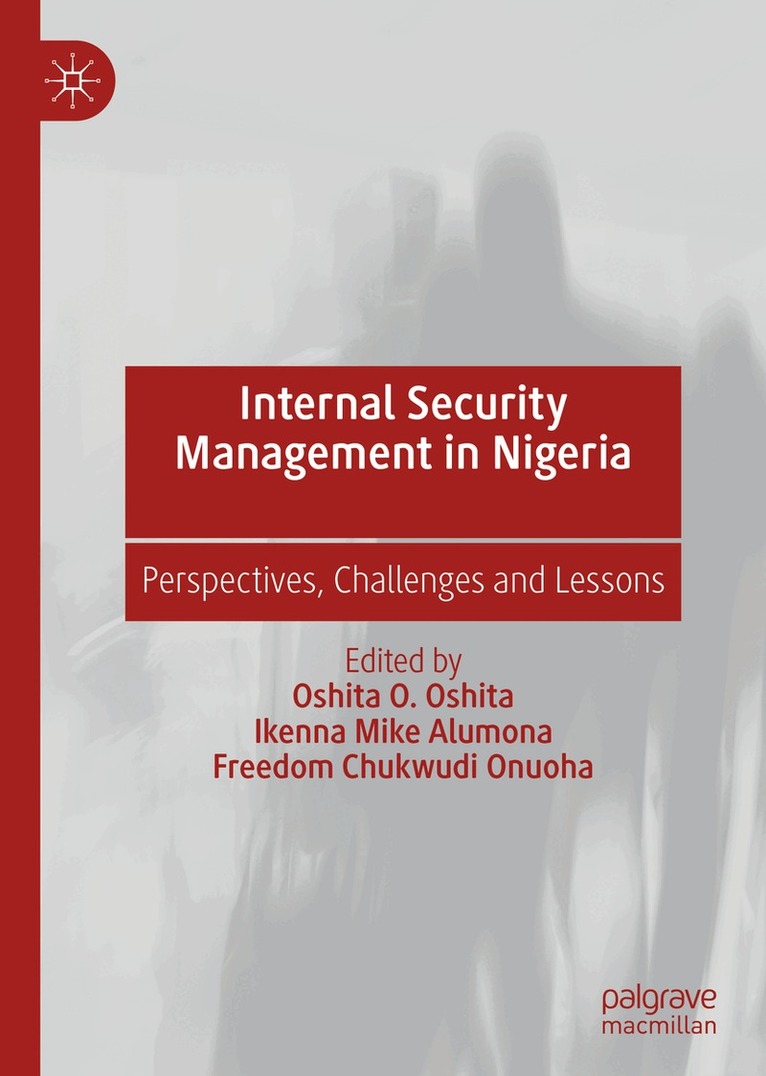
It offers a comprehensive discussion of the theoretical foundations of internal security, the threats to internal security, the role of formal and informal agencies in internal security management and the challenges of internal security management.
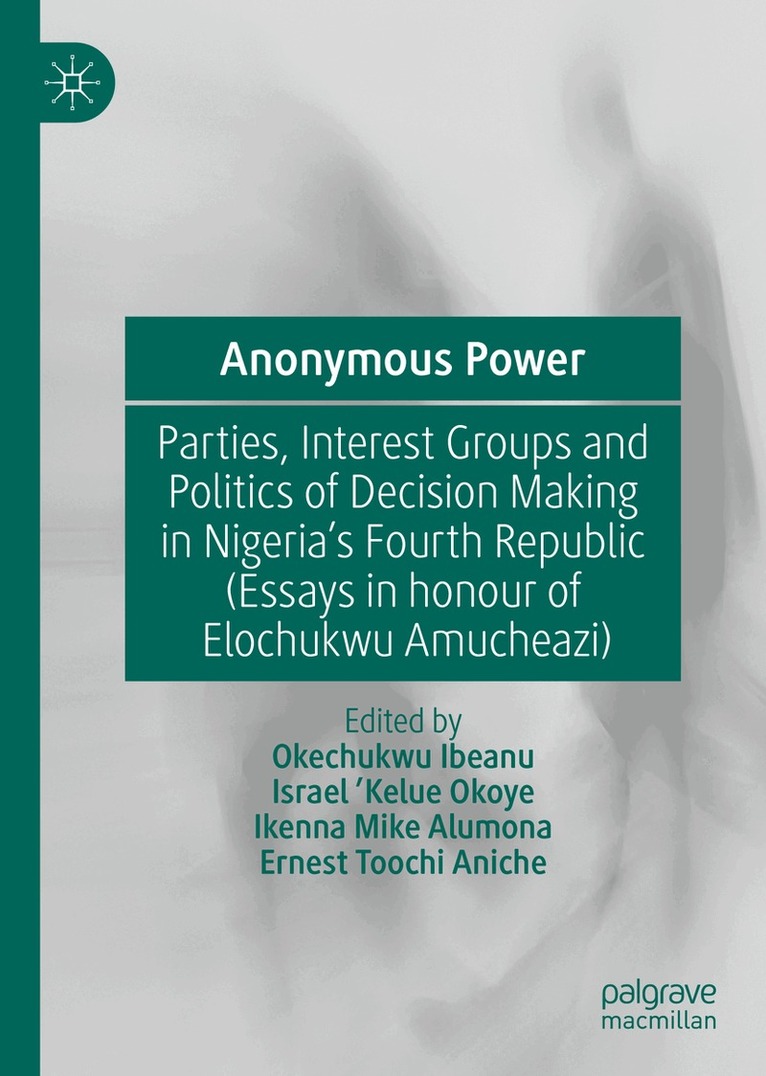
Anonymous Power
Parties, Interest Groups and Politics of Decision Making in Nigeria’s Fourth Republic (Essays in Honour of Elochukwu Amucheazi)
Inbunden, Engelska, 2022
1 480 kr
Skickas inom 10-15 vardagar
This book examines the structures and processes of political decision-making and governance in Nigeria. Since Nigeria returned to elected government in 1999, it has been observed that several factors account for the differences between the design of statutory structures and processes of political decision-making and how they operate in reality. In other words, there are wide gaps between statutes and practice of political decision-making. However, the nexus between the two remains largely understudied by political scientists. Instinctively, political scientists assume that informal influences in political decision-making are aberrations, episodic or temporary.This book is designed to interrogate the nexus between the formal and non-formal dimensions of the dynamics of political decision making in Nigeria and also provide evidence about the actual functioning of governmental structures in Nigeria. The thesis of the book is that the non-formal dimension of political decision making as evidenced in rising ethno-political patronages, religious sentiments, clientelism and factionalism, are interacting with formal decision-making structures in ways that largely undermine the latter and, by extension, the democratic system. The book pursues this thesis by examining the roles of actors and institutions including, electoral choices made by voters, legislations, which perhaps is the most fundamental form of political decision-making, policies made by the executive and administration, as well as decision making within political parties, since parties are sites for articulating and aggregating issues on which decisions are to be made.
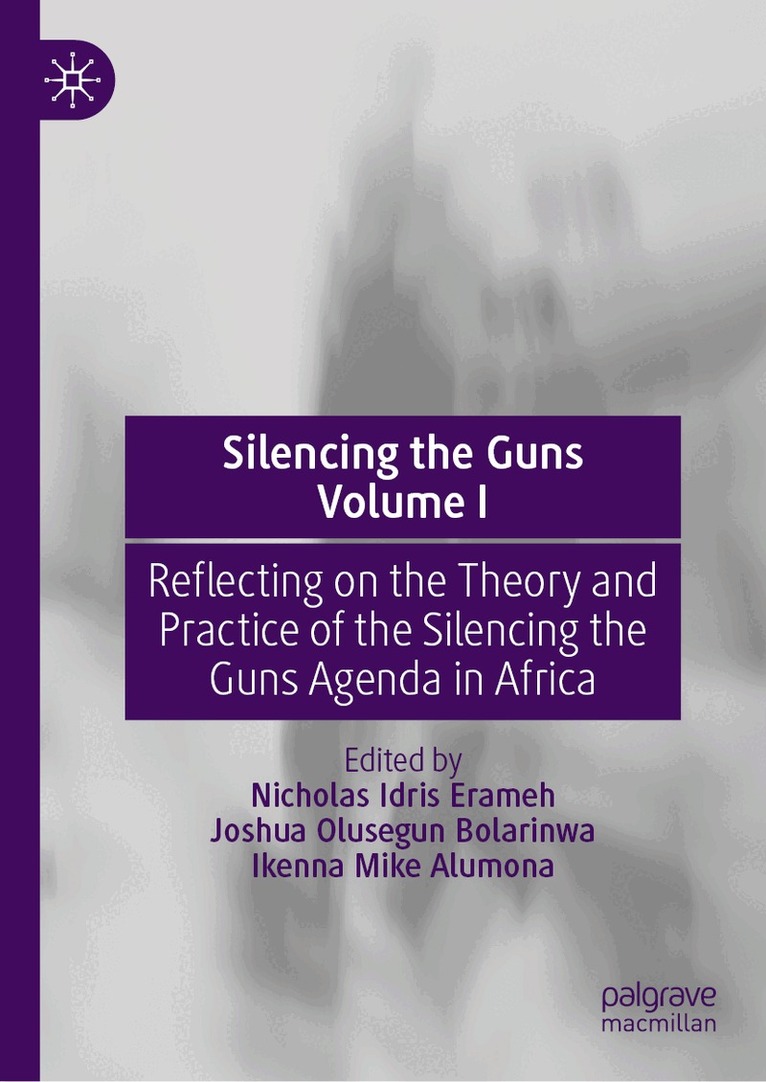
Silencing the Guns Volume I
Reflecting on the Theory and Practice of the Silencing the Guns Agenda in Africa
Inbunden, Engelska, 2025
1 375 kr
Skickas inom 10-15 vardagar
This book, Silencing the Guns: Reviewing the Agenda and Reassessing Prospects, which forms part of a two-volume series, examines the African Union Silencing the Guns (STG) role in eradicating armed violence in Africa, wars, civil conflicts, human rights violations, and mass atrocities by 2030. The first volume delves into the history, theory, and practice of the STG. It accomplishes this by reflecting on how rising insecurity is fueled by poverty, armed conflict, resource-induced conflict, mass atrocities, political and economic marginalization, terrorism, insurgency, piracy, border insecurity, environmental degradation, illicit arms trafficking, election violence, and democratic erosion in Africa influenced its development and implementation in specific cases across Africa. The second volume reflects on the experiences from these case studies and ponder on the possible factors that have accounted for these emerging and contending challenges, with a view to forecast the prospects of STG in Africa in line with the Agenda 2063.