Inocent Moyo – författare
2 438 kr
Skickas inom 10-15 vardagar
2 195 kr
Skickas inom 10-15 vardagar
2 438 kr
Skickas inom 10-15 vardagar
671 kr
Skickas inom 10-15 vardagar
2 198 kr
Skickas inom 10-15 vardagar
643 kr
Skickas inom 10-15 vardagar
643 kr
Skickas inom 10-15 vardagar
671 kr
Skickas inom 10-15 vardagar
2 438 kr
Skickas inom 10-15 vardagar
746 kr
Läs direkt efter köp
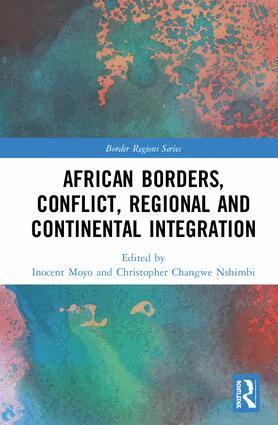
This book looks at the ways African borders impact war and conflict, as well as the ways continental integration could contribute towards cooperation, peace and well-being in Africa.
African borders or borderlands can be a source of problems and opportunity. There is often a historical, geospatial and geopolitical architecture rooted in trajectories of war, conflict and instability, which could be transformed into those of peace, regional and continental integration and development. An example is the cross-border and regional response to the Boko Haram insurgency in West Africa. This book engages with cross-border forms of cooperation and opportunity in Africa. It considers initiatives and innovations which can be put in place or are already being employed on the ground, within the current regional and continental integration projects. Another important element is that of cross-border informality, which similarly provides a ready resource that, if properly harnessed and regulated, could unleash the development potential of African borders and borderlands.
Students and scholars within Geography, International Relations and Border Studies will find this book useful. It will also benefit civil society practitioners, policymakers and activists in the NGO sector interested in issues such as migration, social cohesion, citizenship and local development.
746 kr
Läs direkt efter köp
This book looks at the ways African borders impact war and conflict, as well as the ways continental integration could contribute towards cooperation, peace and well-being in Africa.
African borders or borderlands can be a source of problems and opportunity. There is often a historical, geospatial and geopolitical architecture rooted in trajectories of war, conflict and instability, which could be transformed into those of peace, regional and continental integration and development. An example is the cross-border and regional response to the Boko Haram insurgency in West Africa. This book engages with cross-border forms of cooperation and opportunity in Africa. It considers initiatives and innovations which can be put in place or are already being employed on the ground, within the current regional and continental integration projects. Another important element is that of cross-border informality, which similarly provides a ready resource that, if properly harnessed and regulated, could unleash the development potential of African borders and borderlands.
Students and scholars within Geography, International Relations and Border Studies will find this book useful. It will also benefit civil society practitioners, policymakers and activists in the NGO sector interested in issues such as migration, social cohesion, citizenship and local development.
757 kr
Läs direkt efter köp
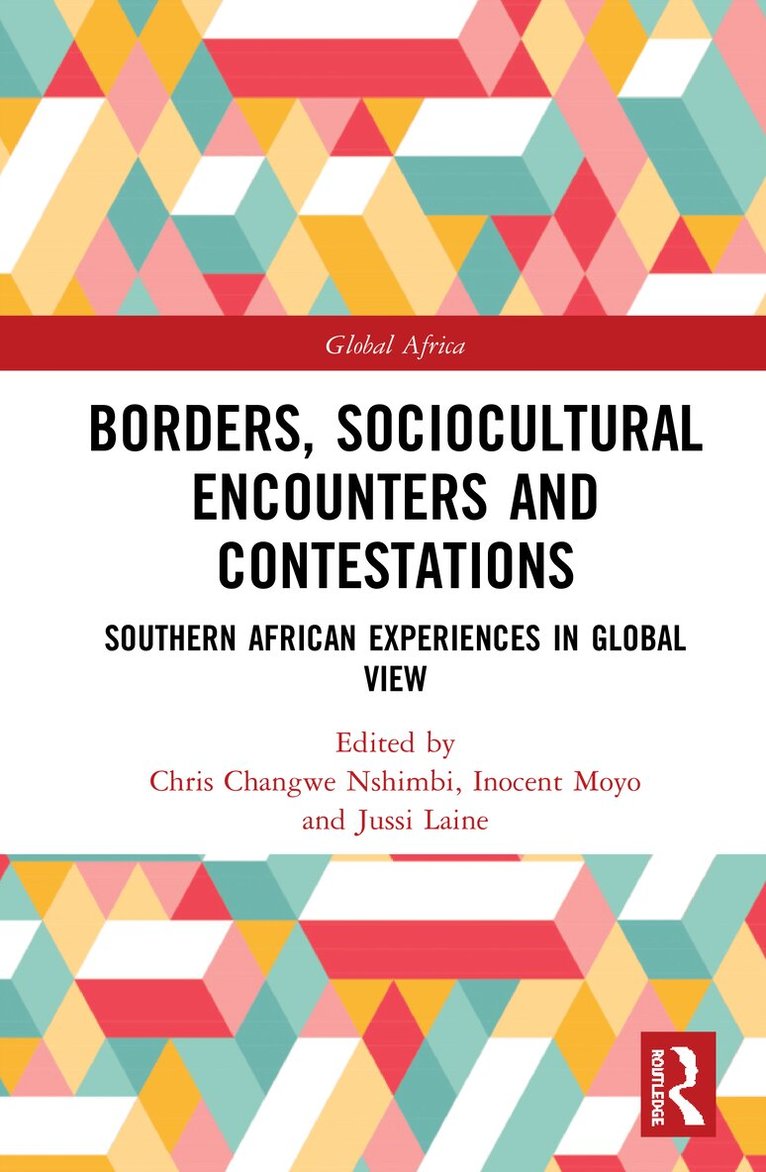
This book examines the enduring significance of borders in Southern Africa, covering encounters between people, ideas and matter, and the new spatialities and transformations they generate in their historical, social, economic and cultural contexts.
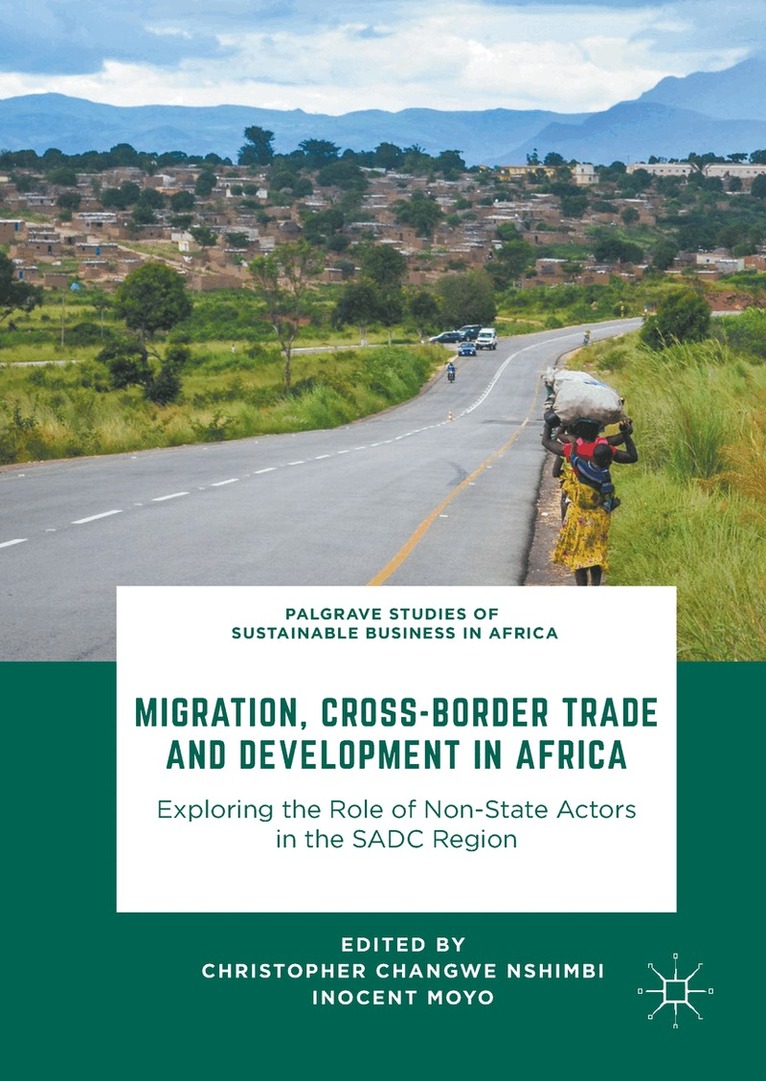
Situated within debates on borders, borderlands, sub- and regional integration, this volume examines local, grassroots and non-state actors and their cross-border economic and sociocultural encounters and contestations. Particular attention is also paid on the role they play in the Southern African Development Community (SADC) region and its integration project in its multiplicity. The interdisciplinary chapters address the diverse human activities relating to cross-border economic and sociocultural encounters and contestations that are manifested through multiform and -scalar interactions between or among grassroots actors, involving engagements between grassroots actors and the state or its agencies, and/or to the broader arrangements that bear consequences of the first two upon regional integration. By bringing these different, at times contrasting, forms of interaction under a holistic analysis, this volume devises novel ways to understand the persistence and role of borders and their relation to new transnational and transcultural integrative phenomena at various levels, extending from the (nation-)state and the political to the cultural and social at the everyday level of border practices.
Scholars and students of African studies, geography, economics, politics, sociology and border studies will find this book useful.
757 kr
Läs direkt efter köp
This book examines the enduring significance of borders in Southern Africa, covering encounters between people, ideas and matter, and the new spatialities and transformations they generate in their historical, social, economic and cultural contexts.
Situated within debates on borders, borderlands, sub- and regional integration, this volume examines local, grassroots and non-state actors and their cross-border economic and sociocultural encounters and contestations. Particular attention is also paid on the role they play in the Southern African Development Community (SADC) region and its integration project in its multiplicity. The interdisciplinary chapters address the diverse human activities relating to cross-border economic and sociocultural encounters and contestations that are manifested through multiform and -scalar interactions between or among grassroots actors, involving engagements between grassroots actors and the state or its agencies, and/or to the broader arrangements that bear consequences of the first two upon regional integration. By bringing these different, at times contrasting, forms of interaction under a holistic analysis, this volume devises novel ways to understand the persistence and role of borders and their relation to new transnational and transcultural integrative phenomena at various levels, extending from the (nation-)state and the political to the cultural and social at the everyday level of border practices.
Scholars and students of African studies, geography, economics, politics, sociology and border studies will find this book useful.
706 kr
Läs direkt efter köp
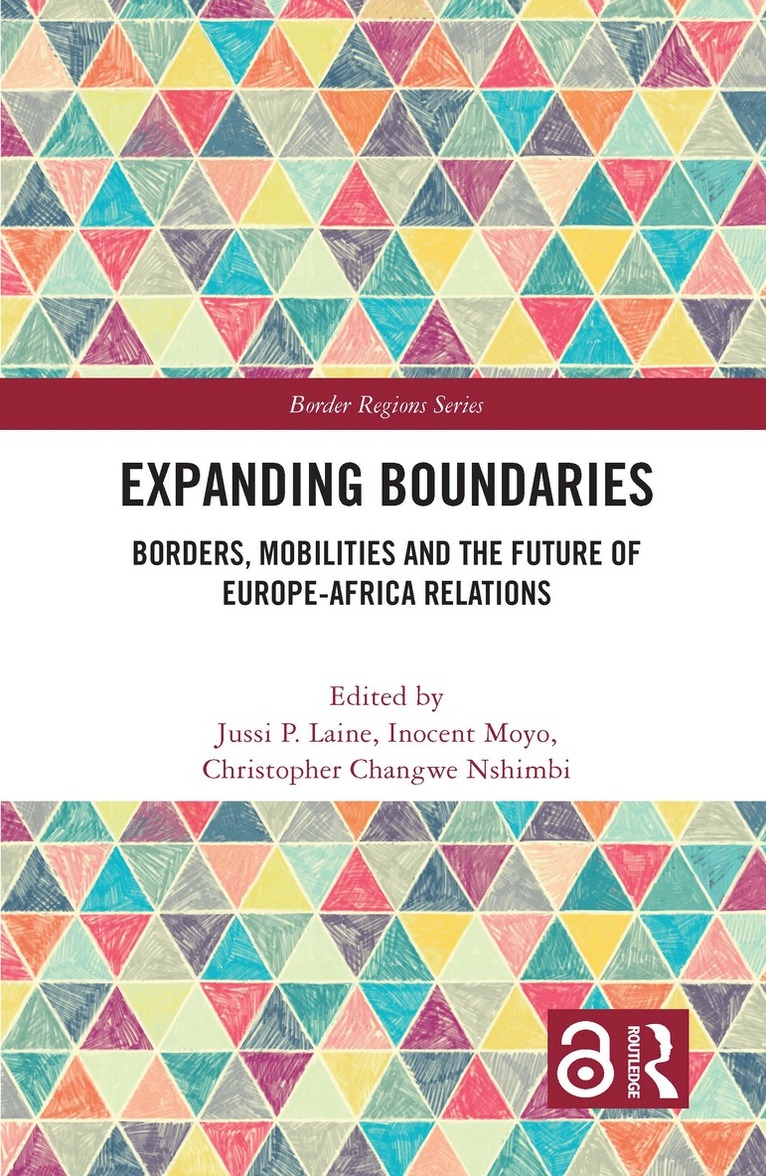
This book challenges the common European notions about African migration to Europe and offers a holistic understanding of the current situation in Africa. It advocates a need to rethink Africa-Europe relations and view migration and borders as a resource rather than sources of a crisis.
Migrant movement from Africa is often misunderstood and misrepresented as invasion caused by displacement due to poverty, violent conflict and environmental stress. To control this movement and preserve national identities, the EU and its various member states resort to closing borders as a way of reinforcing their migration policies. This book aims to dismantle this stereotypical view of migration from Africa by sharing cutting-edge research from the leading scholars in Africa and Europe. It refutes the flawed narratives that position Africa as a threat to the European societies, their economies and security, and encourages a nuanced understanding of the root causes as well as the socioeconomic factors that guide the migrants’ decision-making. With chapters written in a concise style, this book brings together the migration and border studies in an innovative way to delve into the broader societal impacts of both. It also serves to de-silence the African voices in order to offer fresh insights on African migration – a discourse dominated hitherto by the European perspective.
This book constitutes a valuable resource for research scholars and students of Border Studies, Migration Studies, Conflict and Security Studies, and Development Studies seeking specialisation in these areas. Written in an accessible style, it will also appeal to a more general public interested in gaining a fuller perspective on the African reality.
Chapter 13 of this book is freely available as a downloadable Open Access PDF at http://www.taylorfrancis.com under a Creative Commons Attribution-Non Commercial-No Derivatives (CC-BY-NC-ND) 4.0 license.
706 kr
Läs direkt efter köp
This book challenges the common European notions about African migration to Europe and offers a holistic understanding of the current situation in Africa. It advocates a need to rethink Africa-Europe relations and view migration and borders as a resource rather than sources of a crisis.
Migrant movement from Africa is often misunderstood and misrepresented as invasion caused by displacement due to poverty, violent conflict and environmental stress. To control this movement and preserve national identities, the EU and its various member states resort to closing borders as a way of reinforcing their migration policies. This book aims to dismantle this stereotypical view of migration from Africa by sharing cutting-edge research from the leading scholars in Africa and Europe. It refutes the flawed narratives that position Africa as a threat to the European societies, their economies and security, and encourages a nuanced understanding of the root causes as well as the socioeconomic factors that guide the migrants’ decision-making. With chapters written in a concise style, this book brings together the migration and border studies in an innovative way to delve into the broader societal impacts of both. It also serves to de-silence the African voices in order to offer fresh insights on African migration – a discourse dominated hitherto by the European perspective.
This book constitutes a valuable resource for research scholars and students of Border Studies, Migration Studies, Conflict and Security Studies, and Development Studies seeking specialisation in these areas. Written in an accessible style, it will also appeal to a more general public interested in gaining a fuller perspective on the African reality.
Chapter 13 of this book is freely available as a downloadable Open Access PDF at http://www.taylorfrancis.com under a Creative Commons Attribution-Non Commercial-No Derivatives (CC-BY-NC-ND) 4.0 license.
757 kr
Läs direkt efter köp
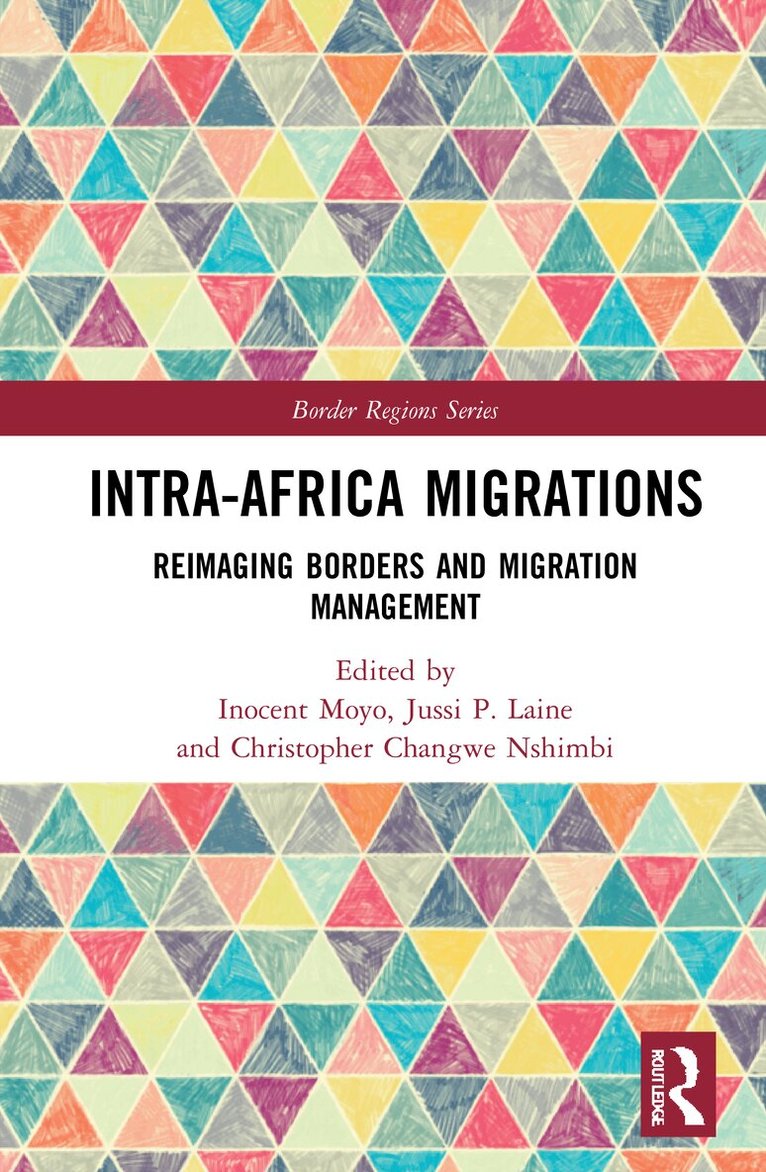
This book discusses regional and continental integration in Africa by examining the management of migration across the continent. It examines borders and securitisation of migration and the challenges and opportunities that arise out of reconfigured continental demographics.
The book offers insights on intra-Africa migrations and highlights how intra-continental migration creates socio-economic and cultural borders. It explores how these borders, beyond the physical boundaries of states, including the Berlin Conference-constructed borders, create cultural divides, challenges for economic integration and cross-border security, and irregular migration patterns. While the movement of economic goods is valued for regional economic integration, the mobility of people is seen as a threat. This approach to migration contradicts the intentions of true integration and development, and triggers negative responses such as xenophobia that cannot be addressed by simply managing the physical border and allowing free movement. This book engages in a pivotal discussion of these issues, which are hitherto missing in African border studies, by demonstrating the ubiquity and overreaching influence of various kinds of borders on the African continent.
With multidisciplinary contributions that provide an in-depth understanding of intra-Africa migrations and strategies for enhanced migration management, this book will be a useful resource for scholars and students studying geography, politics, security studies, development studies, African studies and sociology.
757 kr
Läs direkt efter köp
This book discusses regional and continental integration in Africa by examining the management of migration across the continent. It examines borders and securitisation of migration and the challenges and opportunities that arise out of reconfigured continental demographics.
The book offers insights on intra-Africa migrations and highlights how intra-continental migration creates socio-economic and cultural borders. It explores how these borders, beyond the physical boundaries of states, including the Berlin Conference-constructed borders, create cultural divides, challenges for economic integration and cross-border security, and irregular migration patterns. While the movement of economic goods is valued for regional economic integration, the mobility of people is seen as a threat. This approach to migration contradicts the intentions of true integration and development, and triggers negative responses such as xenophobia that cannot be addressed by simply managing the physical border and allowing free movement. This book engages in a pivotal discussion of these issues, which are hitherto missing in African border studies, by demonstrating the ubiquity and overreaching influence of various kinds of borders on the African continent.
With multidisciplinary contributions that provide an in-depth understanding of intra-Africa migrations and strategies for enhanced migration management, this book will be a useful resource for scholars and students studying geography, politics, security studies, development studies, African studies and sociology.
790 kr
Läs direkt efter köp
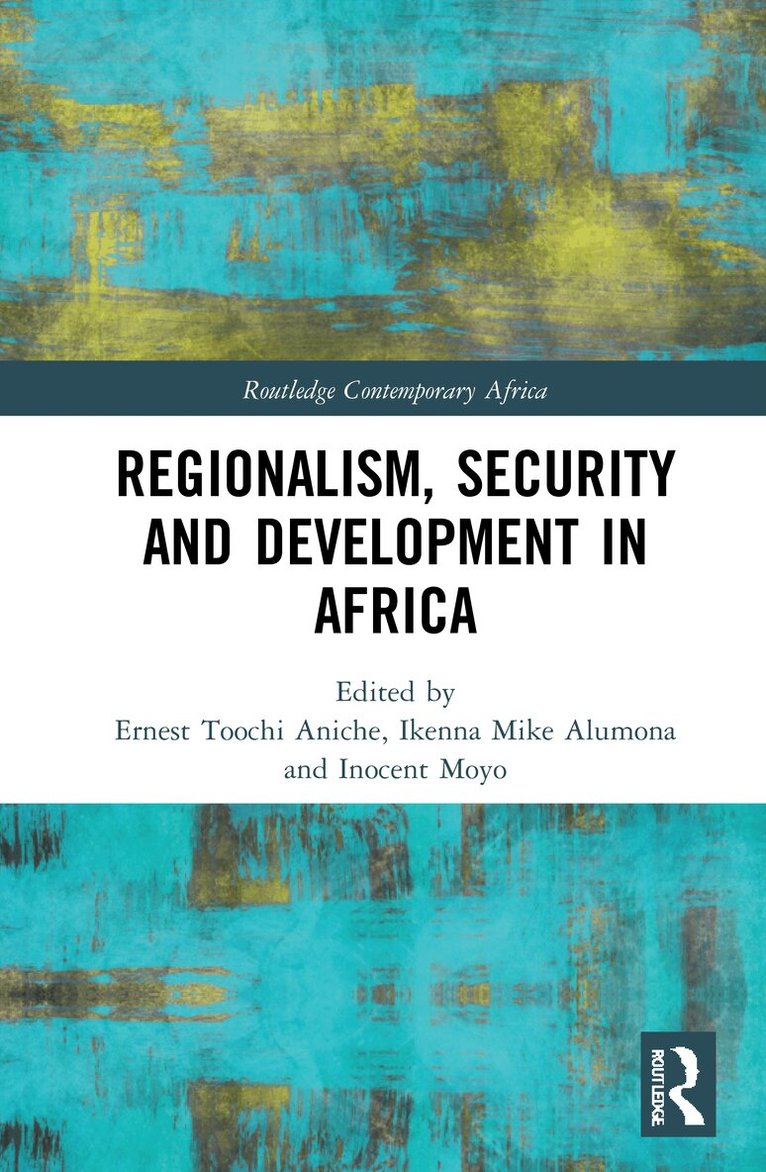
This book charts the history and contemporary landscape of African regionalism, investigating how regional cooperation can be used to help to tackle security and development challenges in Africa.
Africa has a long tradition of regional cooperation, with the oldest trade and monetary integration schemes in the developing world, but its colonial period and partition of have caused lasting damage that still be seen in today’s African economies. Contemporary post-colonial African regionalism, deeply rooted in notions of pan-Africanism, has served as a means of collective self-reliance and economic transformation and development. This book starts with the history and theory behind African regionalism before discussing and comparing regional organisations such as the Economic Community of Central African States (ECCAS), the Economic Community of West African States (ECOWAS), the Community of Sahel-Saharan States (CEN-SAD), Southern African Development Community (SADC), the Common Market for Eastern and Southern Africa (COMESA) and the East African Community (EAC). Finally, the book considers how regional integration and cooperation can help to address security and development challenges.
This ambitious and broad-ranging book will be a valuable resource for researchers working on African regionalism, security, African integration and development, and comparative regionalism. Policymakers should also consider it a useful guide to the background and contemporary landscape of African regionalism.
790 kr
Läs direkt efter köp
This book charts the history and contemporary landscape of African regionalism, investigating how regional cooperation can be used to help to tackle security and development challenges in Africa.
Africa has a long tradition of regional cooperation, with the oldest trade and monetary integration schemes in the developing world, but its colonial period and partition of have caused lasting damage that still be seen in today’s African economies. Contemporary post-colonial African regionalism, deeply rooted in notions of pan-Africanism, has served as a means of collective self-reliance and economic transformation and development. This book starts with the history and theory behind African regionalism before discussing and comparing regional organisations such as the Economic Community of Central African States (ECCAS), the Economic Community of West African States (ECOWAS), the Community of Sahel-Saharan States (CEN-SAD), Southern African Development Community (SADC), the Common Market for Eastern and Southern Africa (COMESA) and the East African Community (EAC). Finally, the book considers how regional integration and cooperation can help to address security and development challenges.
This ambitious and broad-ranging book will be a valuable resource for researchers working on African regionalism, security, African integration and development, and comparative regionalism. Policymakers should also consider it a useful guide to the background and contemporary landscape of African regionalism.
757 kr
Läs direkt efter köp
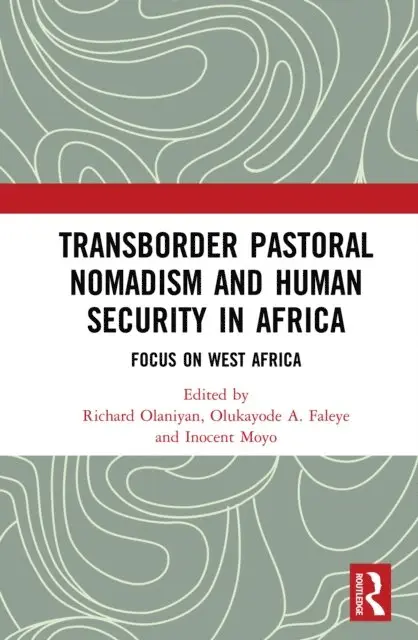
This book examines the nexus between political borders, pastoral nomadism, and human security in Africa. It uses a host of applied interdisciplinary insights to analyse social, political, and cultural processes, circumstances, and consequences to showcase the human security crisis in the context of climate change, inter-group relations, leadership strategies, institutions, and governance within the region.
With a special focus on West Africa and Nigeria, the volume discusses crucial themes that highlight the role of borders in the security architecture of the region which include,
• Political economy of herdsmen-farmers’ conflicts in West Africa;
• The scarcity-migration perspective of the Sahel region;
• Population pressure, urbanization, and nomadic pastoral violence in West Africa;
• Human trafficking and kidnapping for ransom in Nigeria;
• Drivers of ‘labour’ migration of Fulani herders to Ghana, and other topics.
A key contribution to a pressing issue, this volume will be of interest to scholars and students of history, political science, anthropology, geography, international relations, literature, environmental science, and peace and conflict studies.
757 kr
Läs direkt efter köp
This book examines the nexus between political borders, pastoral nomadism, and human security in Africa. It uses a host of applied interdisciplinary insights to analyse social, political, and cultural processes, circumstances, and consequences to showcase the human security crisis in the context of climate change, inter-group relations, leadership strategies, institutions, and governance within the region.
With a special focus on West Africa and Nigeria, the volume discusses crucial themes that highlight the role of borders in the security architecture of the region which include,
• Political economy of herdsmen-farmers’ conflicts in West Africa;
• The scarcity-migration perspective of the Sahel region;
• Population pressure, urbanization, and nomadic pastoral violence in West Africa;
• Human trafficking and kidnapping for ransom in Nigeria;
• Drivers of ‘labour’ migration of Fulani herders to Ghana, and other topics.
A key contribution to a pressing issue, this volume will be of interest to scholars and students of history, political science, anthropology, geography, international relations, literature, environmental science, and peace and conflict studies.
673 kr
Läs direkt efter köp
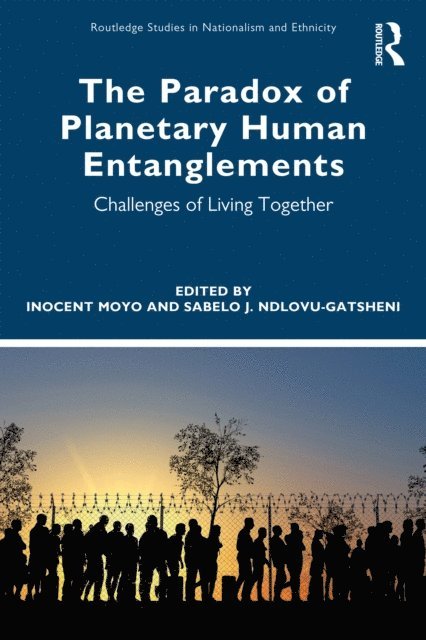
The Paradox of Planetary Human Entanglements provides a nuanced understanding of the complexity of planetary human entanglements in this age of increased borderisation and territorialisation, racism and xenophobia, and inclusion and exclusion.
One of the greatest paradoxes of the 21st century is that of increased planetary human entanglements enabled by globalisation on the one hand and by the rising tide of exclusionary right-wing politics of racism, xenophobia, and the building of walled states on the other. The characteristic feature of this paradox is the unrestrained move towards the detention and incarceration of those who attempt to migrate. This brings to the fore the issue of borders in terms of their materiality and symbolism and how this mediates belonging, citizenship, and the ethics (or lack thereof) and politics of living together. This book shows that at the core of border and migration restrictions is the desire to exclude certain categories of people, which aptly demonstrates that borders in their materiality are not for everyone but for those who are considered undesirable migrants. The authors examine questions of borders, nationalism, migration, immigration, and belonging, setting the basis of a campaign for planetary humanism grounded on human dignity, which transcends ethnicity and nationality.
This book will be a useful resource for students, scholars, and researchers of African Studies, Border Studies, Migration Studies, Development Studies, International Studies, Black Studies, International Relations, and Political Science.
673 kr
Läs direkt efter köp
The Paradox of Planetary Human Entanglements provides a nuanced understanding of the complexity of planetary human entanglements in this age of increased borderisation and territorialisation, racism and xenophobia, and inclusion and exclusion.
One of the greatest paradoxes of the 21st century is that of increased planetary human entanglements enabled by globalisation on the one hand and by the rising tide of exclusionary right-wing politics of racism, xenophobia, and the building of walled states on the other. The characteristic feature of this paradox is the unrestrained move towards the detention and incarceration of those who attempt to migrate. This brings to the fore the issue of borders in terms of their materiality and symbolism and how this mediates belonging, citizenship, and the ethics (or lack thereof) and politics of living together. This book shows that at the core of border and migration restrictions is the desire to exclude certain categories of people, which aptly demonstrates that borders in their materiality are not for everyone but for those who are considered undesirable migrants. The authors examine questions of borders, nationalism, migration, immigration, and belonging, setting the basis of a campaign for planetary humanism grounded on human dignity, which transcends ethnicity and nationality.
This book will be a useful resource for students, scholars, and researchers of African Studies, Border Studies, Migration Studies, Development Studies, International Studies, Black Studies, International Relations, and Political Science.
696 kr
Läs direkt efter köp
This book explores the extent to which the COVID-19 pandemic is poised to be a permanent fixture in the modern world which in contemporary times will be thought of in terms of before and after the pandemic. It looks at how the pandemic has brought to the fore the question of the appropriate ethics, politics, and spirituality and highlights the present condition of humanity and the need to rethink alternative planetary futures. It argues that the pandemic has existential and epistemic implications for human life on planet Earth, and a post–COVID-19 future requires a fundamental transformation of the present economic, political, and social conditions.
Drawing on empirical case studies on the COVID-19 pandemic from Africa and beyond, contributions in this book challenge the reader to rethink alternative planetary futures. It will be a useful resource for students, scholars, and researchers of African studies, citizenship studies, global development, global politics, human geography, migration studies, development studies, international studies, international relations, and political science.
696 kr
Läs direkt efter köp
This book explores the extent to which the COVID-19 pandemic is poised to be a permanent fixture in the modern world which in contemporary times will be thought of in terms of before and after the pandemic. It looks at how the pandemic has brought to the fore the question of the appropriate ethics, politics, and spirituality and highlights the present condition of humanity and the need to rethink alternative planetary futures. It argues that the pandemic has existential and epistemic implications for human life on planet Earth, and a post–COVID-19 future requires a fundamental transformation of the present economic, political, and social conditions.
Drawing on empirical case studies on the COVID-19 pandemic from Africa and beyond, contributions in this book challenge the reader to rethink alternative planetary futures. It will be a useful resource for students, scholars, and researchers of African studies, citizenship studies, global development, global politics, human geography, migration studies, development studies, international studies, international relations, and political science.
797 kr
Läs direkt efter köp
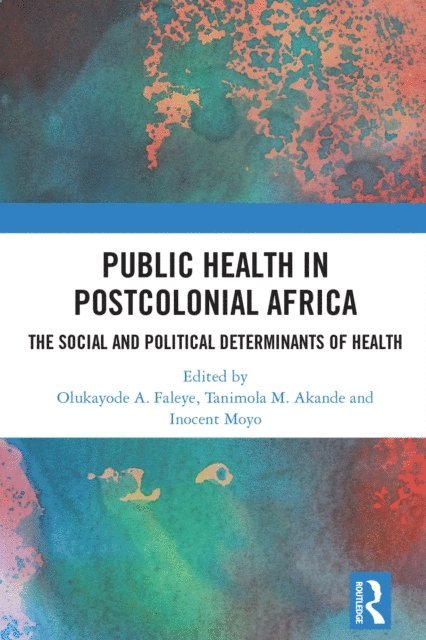
This fascinating, multi-disciplinary collection examines how public health interventions in postcolonial Africa mirror wider manifestations of power in the region.
Beyond the role of public health intervention in tackling disease and prolonging life, the book measures the social and political determinants of health which continue to exist in the postcolonial era. The volume features contributions from scholars across both the social sciences and humanities, exploring ongoing debates across a broad range of themes, including:
- Infopolitics, biopolitics and healthcare.
- Emerging infectious diseases, environment and food cultures.
- Health interventions and economic security.
- Church administration and healthcare.
- Livelihood, sex, sexuality and HIV/AIDS.
Offering a fresh and insightful understanding of health issues in this important global region, and including chapters on issues around the Covid-19 pandemic, the book will interest students and researchers across a range of disciplines, including global health, politics and African studies.
797 kr
Läs direkt efter köp
This fascinating, multi-disciplinary collection examines how public health interventions in postcolonial Africa mirror wider manifestations of power in the region.
Beyond the role of public health intervention in tackling disease and prolonging life, the book measures the social and political determinants of health which continue to exist in the postcolonial era. The volume features contributions from scholars across both the social sciences and humanities, exploring ongoing debates across a broad range of themes, including:
- Infopolitics, biopolitics and healthcare.
- Emerging infectious diseases, environment and food cultures.
- Health interventions and economic security.
- Church administration and healthcare.
- Livelihood, sex, sexuality and HIV/AIDS.
Offering a fresh and insightful understanding of health issues in this important global region, and including chapters on issues around the Covid-19 pandemic, the book will interest students and researchers across a range of disciplines, including global health, politics and African studies.
2 022 kr
Skickas inom 10-15 vardagar
592 kr
Skickas inom 10-15 vardagar
1 986 kr
Skickas inom 10-15 vardagar