Iping Liang - Böcker
Visar alla böcker från författaren Iping Liang. Handla med fri frakt och snabb leverans.
3 produkter
3 produkter
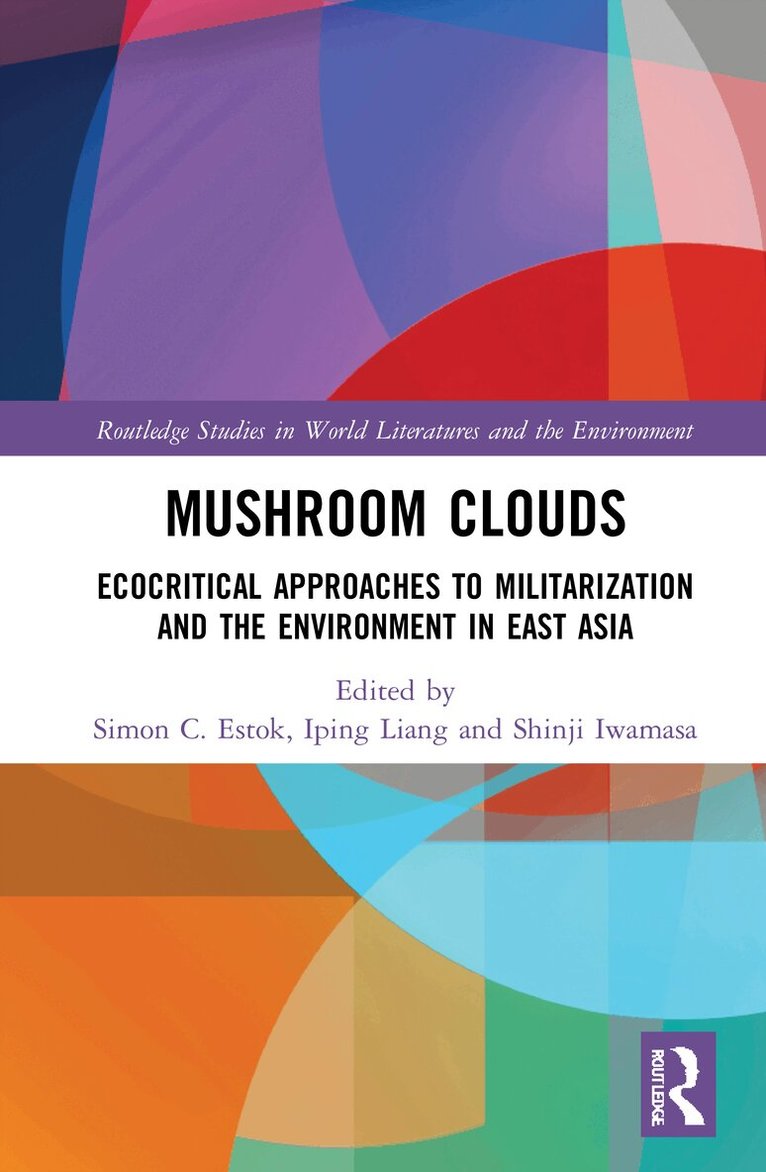
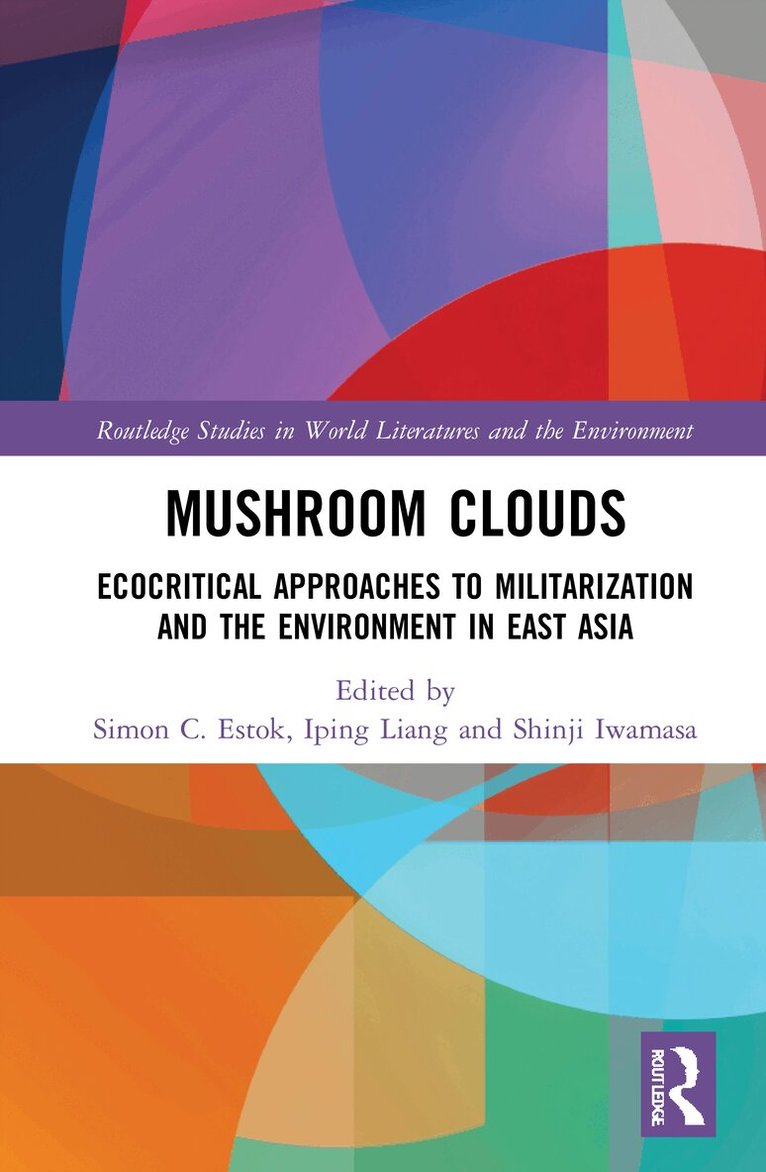
Mushroom Clouds
Ecocritical Approaches to Militarization and the Environment in East Asia
Inbunden, Engelska, 2021
2 633 kr
Skickas inom 10-15 vardagar
Mushroom Clouds: Ecocritical Approaches to Militarization and the Environment in East Asia examines the growing significance of the eco-implications of the increasing militarism of East Asia. As a transcultural image and metaphor, mushroom clouds signify anthropogenic violence and destruction, as exemplified by wars and nuclear bombings. Immediately evoking memories of Hiroshima and Nagasaki, the mushroom clouds metaphor has deep roots and implications in East Asia, and this volume explores these roots and implications from the perspectives of a variety of scholars and artists from different parts of East Asia. The chapters that comprise Mushroom Clouds respond to the increasingly dangerous developments in the world that led up to and have occurred since the 2016 presidential election of Donald Trump, developments that threaten the stability of the region and the world. In the wake of the 70th anniversary of the division of Korea, increasing attention has been focused on the legacy of the Cold War, on the one hand, and on the continuing militarization of East Asia, on the other. After the nuclear bombings in Hiroshima and Nagasaki, after the truce across the 38th parallel, after the shelling of Kinmen and Matsu, East Asia became (and remains) one of the most densely militarized regions in the world. Under the shadow of war, however, the concern about environmental impacts has been growing, not only in social discourse but also in literature and the visual arts. The first of its kind, Mushroom Clouds gathers ecocritics from East Asia to examine issues such as militarization, militarized islands, military tourism, military villages, post-war environments, nuclear accidents, and the demilitarized sone (DMZ) wildlife, among others, in East Asia.
Mushroom Clouds
Ecocritical Approaches to Militarization and the Environment in East Asia
Häftad, Engelska, 2022
725 kr
Skickas inom 10-15 vardagar
Mushroom Clouds: Ecocritical Approaches to Militarization and the Environment in East Asia examines the growing significance of the eco-implications of the increasing militarism of East Asia. As a transcultural image and metaphor, mushroom clouds signify anthropogenic violence and destruction, as exemplified by wars and nuclear bombings. Immediately evoking memories of Hiroshima and Nagasaki, the mushroom clouds metaphor has deep roots and implications in East Asia, and this volume explores these roots and implications from the perspectives of a variety of scholars and artists from different parts of East Asia. The chapters that comprise Mushroom Clouds respond to the increasingly dangerous developments in the world that led up to and have occurred since the 2016 presidential election of Donald Trump, developments that threaten the stability of the region and the world. In the wake of the 70th anniversary of the division of Korea, increasing attention has been focused on the legacy of the Cold War, on the one hand, and on the continuing militarization of East Asia, on the other. After the nuclear bombings in Hiroshima and Nagasaki, after the truce across the 38th parallel, after the shelling of Kinmen and Matsu, East Asia became (and remains) one of the most densely militarized regions in the world. Under the shadow of war, however, the concern about environmental impacts has been growing, not only in social discourse but also in literature and the visual arts. The first of its kind, Mushroom Clouds gathers ecocritics from East Asia to examine issues such as militarization, militarized islands, military tourism, military villages, post-war environments, nuclear accidents, and the demilitarized sone (DMZ) wildlife, among others, in East Asia.
1 209 kr
Skickas inom 10-15 vardagar
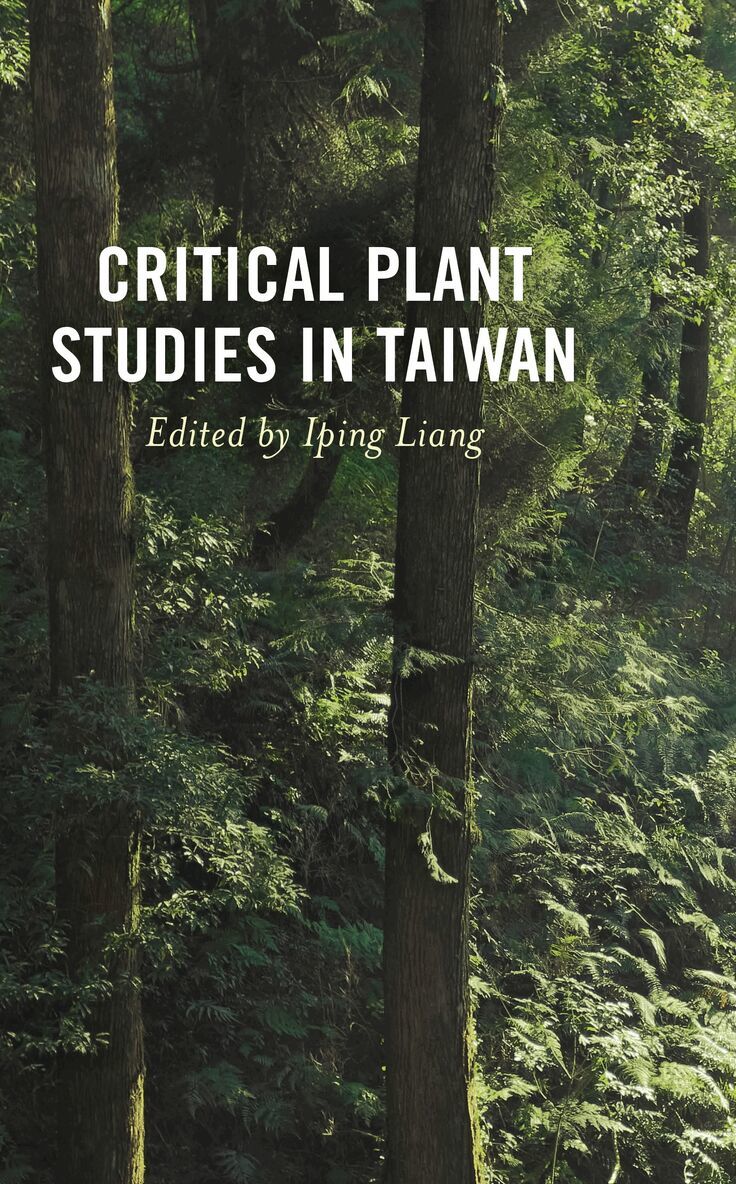
Critical Plant Studies in Taiwan presents a historical overview of vegetal ecocriticism in Taiwan. Divided into 12 chapters, it examines the human-plant entanglements on the island. Covering a wide spectrum of topics, such as the imperial plant explorations, the military casuarina afforestation, the mangrove conservation movement, the ecofeminist rooftop garden, the Indigenous millet restoration, the underground mycorrhizal network in urban Taipei, etc., it discloses the phyto-politics in the historical context of the vegetal materialist condition of the island. Intersecting the poetics and politics of plant narratives, it presents the multispecies plantscapes of the island. The first of its kind, the collection launches the historical and localized critical plant studies in Taiwan.