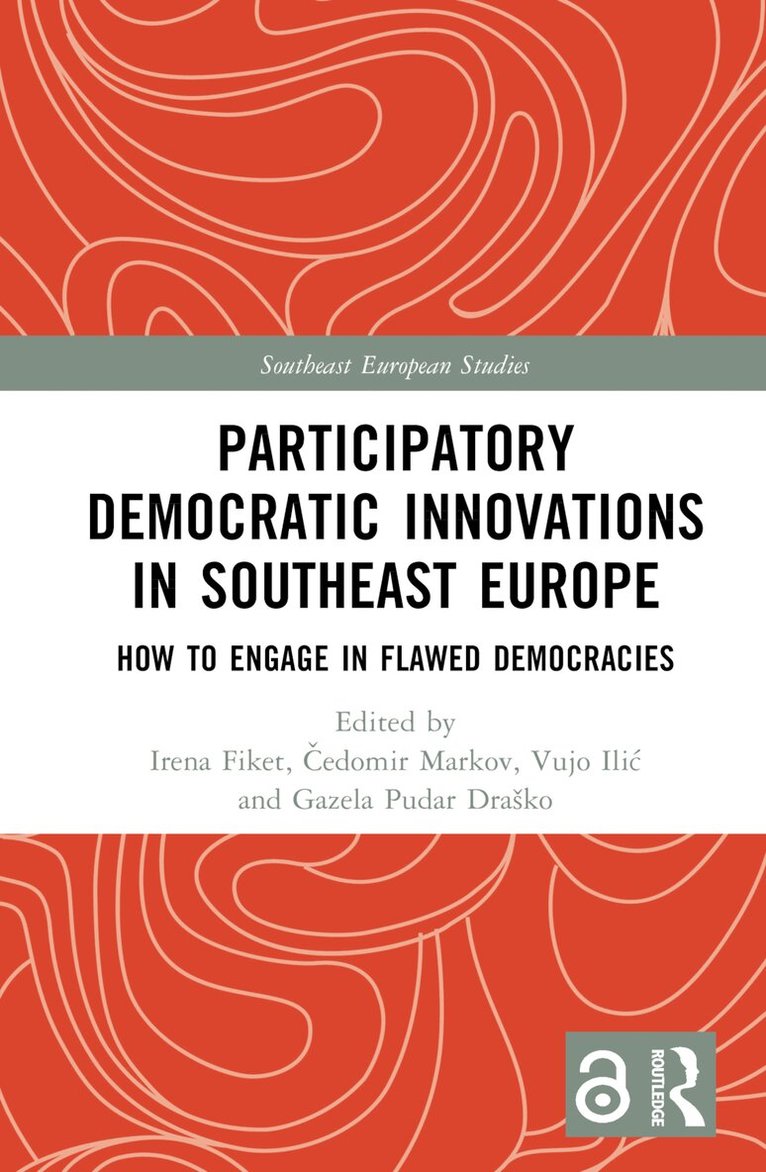
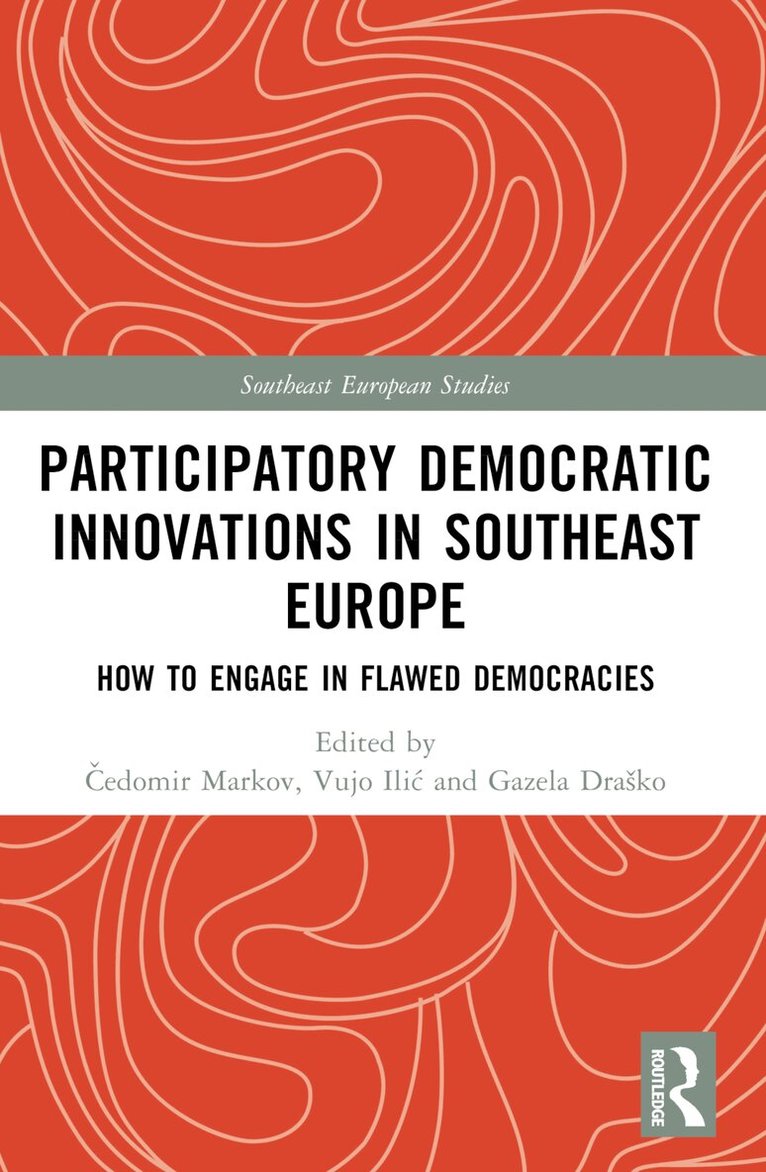
This volume strengthens the dialogue between conceptual perspectives, approaches and fields on deliberative and participatory forms of democratic innovation and offers novel insights, focusing on the Southeast European space. Traditional forms of participation seem insufficient in satisfying the growing complexity of the democratic processes, especially in the context of autocratizing societies. It is crucial to examine the possibilities of democratic innovation in political research and practice, trying to establish a connection between the possibilities and limits of representative democracy and social movements as possible carriers of the process of democratic innovation. This book offers novel insights into practices of civil society and social movements and their pathways carved to initiate a deep change in political thinking and practice and compelling insights for scholars and students of Southeast Europe, social movements and democracy.
This open access book examines deliberative and anti-deliberative practices in post-conflict contexts marked by democratic backsliding. It compares how deliberative ideals are upheld and violated across different deliberative domains, including parliaments, citizens’ assemblies, social media and interactions between local and international actors. The authors identify anti-deliberation as the active violation of deliberative norms through exclusion, manipulation and domination, along with weaponisation of difference. The expansion of anti-deliberation restricts the space for good-quality deliberation and accelerates democratic backsliding.This edited collection is useful to scholars of democracy, deliberation and communication with its novel comparative perspective on the quality of deliberation, to policy-makers and civil society with its lessons for supporting deliberation, and to international peace-builders working on democratisation and reversing democratic backsliding.
This volume strengthens the dialogue between conceptual perspectives, approaches and fields on deliberative and participatory forms of democratic innovation and offers novel insights, focusing on the Southeast European space. Traditional forms of participation seem insufficient in satisfying the growing complexity of the democratic processes, especially in the context of autocratizing societies. It is crucial to examine the possibilities of democratic innovation in political research and practice, trying to establish a connection between the possibilities and limits of representative democracy and social movements as possible carriers of the process of democratic innovation. This book offers novel insights into practices of civil society and social movements and their pathways carved to initiate a deep change in political thinking and practice and compelling insights for scholars and students of Southeast Europe, social movements and democracy.
This open access book examines deliberative and anti-deliberative practices in post-conflict contexts marked by democratic backsliding. It compares how deliberative ideals are upheld and violated across different deliberative domains, including parliaments, citizens’ assemblies, social media and interactions between local and international actors. The authors identify anti-deliberation as the active violation of deliberative norms through exclusion, manipulation and domination, along with weaponisation of difference. The expansion of anti-deliberation restricts the space for good-quality deliberation and accelerates democratic backsliding.This edited collection is useful to scholars of democracy, deliberation and communication with its novel comparative perspective on the quality of deliberation, to policy-makers and civil society with its lessons for supporting deliberation, and to international peace-builders working on democratisation and reversing democratic backsliding.