Iruka N. Okeke – författare
Visar alla böcker från författaren Iruka N. Okeke. Handla med fri frakt och snabb leverans.
5 produkter
5 produkter
961 kr
Skickas inom 5-8 vardagar
Recent advances that allow scientists to quickly and accurately sequence a genome have revolutionized our view of the structure and function of genes as well as our understanding of evolution. A new era of genetics is underway, one that allows us to fully embrace Dobzhansky's famous statement that "Nothing in biology makes sense except in the light of evolution". Genetics: Genes, Genomes, and Evolution presents the fundamental principles of genetics and molecular biology from an evolutionary perspective as informed by genome analysis.By using what has been learned from the analyses of bacterial and eukaryotic genomes as its basis, the book unites evolution, genomics, and genetics in one narrative approach. Genomic analysis is inherently both molecular and evolutionary, and every chapter is approached from this unified perspective. Similarly, genomic studies have provided a deeper appreciation of the profound relationships between all organisms - something reflected in the book's integrated discussion of bacterial and eukaryotic evolution, genetics and genomics. It is an approach that provides students with a uniquely flexible and contemporary view of genetics, genomics, and evolution. Online Resource Centre:- Video tutorials: a series of videos that provide deeper, step-by-step explanations of a range of topics featured in the text.- Flashcards: electronic flashcards covering the key terms from the text. For registered adopters of the text:- Digital image library: Includes electronic files in PowerPoint format of every illustration, photo, graph and table from the text- Lecture notes: Editable lecture notes in PowerPoint format for each chapter help make preparing lectures faster and easier than ever. Each chapter's presentation includes a succinct outline of key concepts, and incorporates the graphics from the chapter- Library of exam-style questions: a suite of questions from which you can pick potential assignments and exams.- Test bank of multiple-choice questions: a ready-made electronic testing resource that can be customized by lecturers and delivered via their institution's virtual learning environment.- Solutions to all questions featured in the book: solutions written by the authors help make the grading of homework assignments easier.- Journal Clubs: a series of questions that guide your students through the reading and interpretation of a research paper that relates to the subject matter of a given chapter. Each Journal club includes model answers for lecturers.- Instructor's guide: The instructor's guide discusses the educational approach taken by Genetics: Genes, Genomes, and Evolution in more detail, why this approach has been taken, what benefits it offers, and how it can be adopted in your class.
1 747 kr
Skickas inom 3-6 vardagar
Recent advances that allow scientists to quickly and accurately sequence a genome have revolutionized our view of the structure and function of genes as well as our understanding of evolution. A new era of genetics is underway, one that allows us to fully embrace Dobzhansky's famous statement that "Nothing in biology makes sense except in the light of evolution". Genetics: Genes, Genomes, and Evolution presents the fundamental principles of genetics and molecular biology from an evolutionary perspective as informed by genome analysis. By using what has been learned from the analyses of bacterial and eukaryotic genomes as its basis, the book unites evolution, genomics, and genetics in one narrative approach. Genomic analysis is inherently both molecular and evolutionary, and every chapter is approached from this unified perspective. Similarly, genomic studies have provided a deeper appreciation of the profound relationships between all organisms - something reflected in the book's integrated discussion of bacterial and eukaryotic evolution, genetics and genomics.It is an approach that provides students with a uniquely flexible and contemporary view of genetics, genomics, and evolution. Online Resource Centre: - Video tutorials: a series of videos that provide deeper, step-by-step explanations of a range of topics featured in the text. - Flashcards: electronic flashcards covering the key terms from the text. For registered adopters of the text: - Digital image library: Includes electronic files in PowerPoint format of every illustration, photo, graph and table from the text - Lecture notes: Editable lecture notes in PowerPoint format for each chapter help make preparing lectures faster and easier than ever. Each chapter's presentation includes a succinct outline of key concepts, and incorporates the graphics from the chapter - Library of exam-style questions: a suite of questions from which you can pick potential assignments and exams. - Test bank of multiple-choice questions: a ready-made electronic testing resource that can be customized by lecturers and delivered via their institution's virtual learning environment.- Solutions to all questions featured in the book: solutions written by the authors help make the grading of homework assignments easier. - Journal Clubs: a series of questions that guide your students through the reading and interpretation of a research paper that relates to the subject matter of a given chapter. Each Journal club includes model answers for lecturers. - Instructor's guide: The instructor's guide discusses the educational approach taken by Genetics: Genes, Genomes, and Evolution in more detail, why this approach has been taken, what benefits it offers, and how it can be adopted in your class.
1 637 kr
Skickas inom 10-15 vardagar
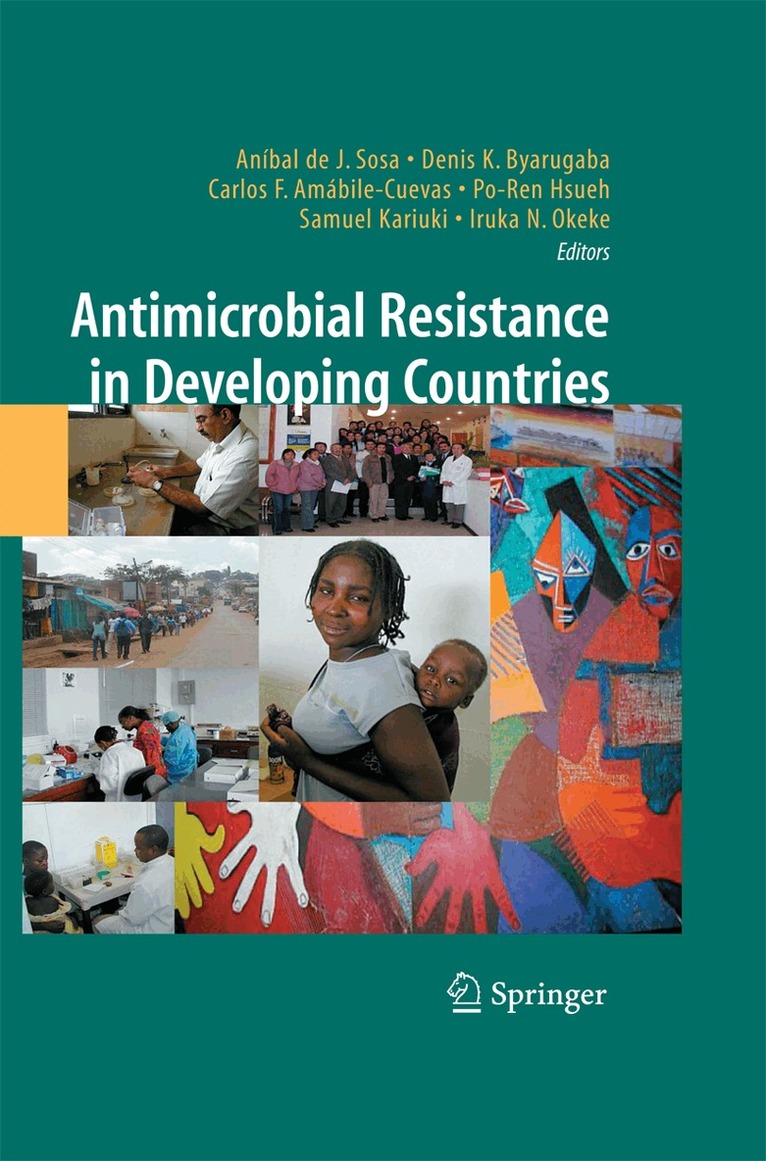
Today, there is considerable literature regarding the subject of antimicrobial resistance. However most of this information is based on information from developed countries. Very little organized information is available about the subject that critically examines the problem in developing countries. Scattered literature is available in various forms in journals that are often not easily accessible to the affected developing countries. The objective of the book is to put together data and information about the problem of antimicrobial resistance in developing countries addressing the general global perspectives, the risk factors, the current rates, trends, and possibilities for containment as they relate to specific conditions in those developing countries.
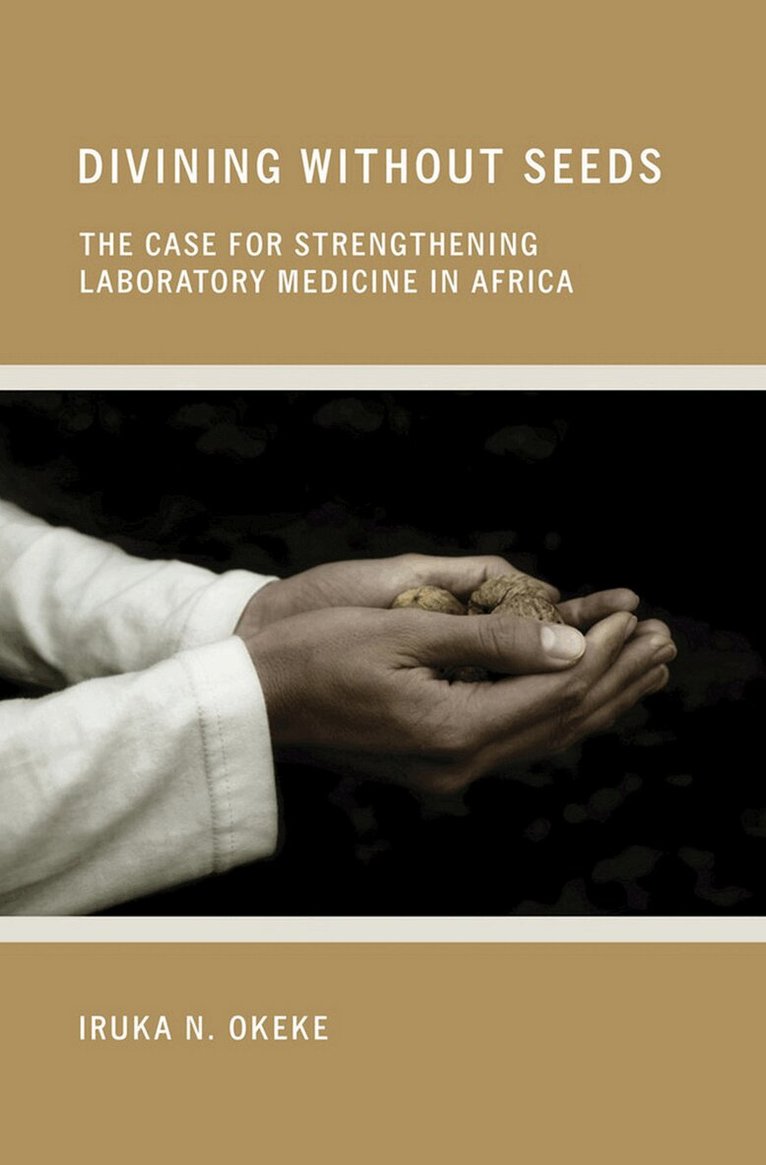
Divining Without Seeds
The Case for Strengthening Laboratory Medicine in Africa
Inbunden, Engelska, 2011
544 kr
Skickas inom 10-15 vardagar
Infectious disease is the most common cause of illness and death in Africa, yet health practitioners routinely fail to identify causative microorganisms in most patients. As a result, patients often do not receive the right medicine in time to cure them promptly even when such medicine is available, outbreaks are larger and more devastating than they should be, and the impact of control interventions is difficult to measure. Wrong prescriptions and prolonged infections amount to needless costs for patients and for health systems. In Divining without Seeds, Iruka N. Okeke forcefully argues that laboratory diagnostics are essential to the effective practice of medicine in Africa.The diversity of endemic life-threatening infections and limited public health resources in tropical Africa make the need for basic laboratory diagnostic support even more acute than in other parts of the world. This book gathers compelling case studies of inadequate diagnoses of diseases ranging from fevers—including malaria—to respiratory infections and sexually transmitted diseases. The inherited and widely prevalent health clinic model, which excludes or diminishes the hospital laboratory, is flawed, to often devastating effect. Fortunately, there are new technologies that make it possible to inexpensively implement testing at the primary care level. Divining without Seeds makes clear that routine use of appropriate diagnostic support should be part of every drug delivery plan in Africa and that diagnostic development should be given high priority.
1 637 kr
Skickas inom 10-15 vardagar
Some human populations escaped tropical infections by migrating into cold climates but then had to procure fuel, warm clothing, durable housing, and crops from a short growing season. Patients infected with bacteria expressing such resistance genes then failed treatment and remained infected or died.