E-bok, Engelska, 2009
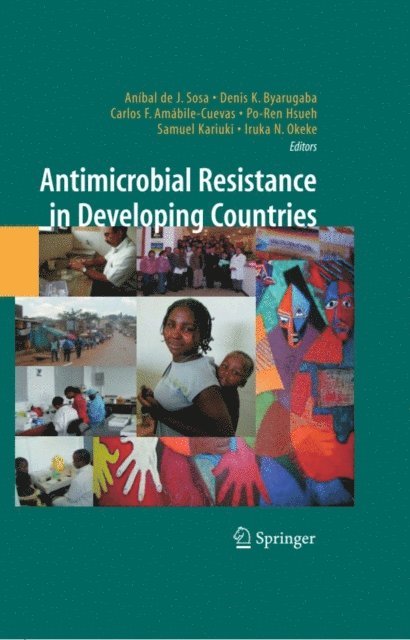
Antimicrobial Resistance in Developing Countries
Av Iruka N. Okeke, Samuel Kariuki, Po-Ren Hsueh, Carlos F. Amabile-Cuevas, Denis K. Byarugaba, Anibal de J. Sosa
2174 kr
Läs direkt i Bokus Reader – eller ladda ned till din enhet (PDF kräver ofta zoom och scroll på små skärmar).
Beskrivning
Avoiding infection has always been expensive. Some human populations escaped tropical infections by migrating into cold climates but then had to procure fuel, warm clothing, durable housing, and crops from a short growing season. Waterborne infections were averted by owning your own well or supporting a community reservoir. Everyone got vaccines in rich countries, while people in others got them later if at all. Antimicrobial agents seemed at first to be an exception. They did not need to be delivered through a cold chain and to everyone, as vaccines did. They had to be given only to infected patients and often then as relatively cheap injectables or pills off a shelf for only a few days to get astonishing cures. Antimicrobials not only were better than most other innovations but also reached more of the world’s people sooner. The problem appeared later. After each new antimicrobial became widely used, genes expressing resistance to it began to emerge and spread through bacterial populations. Patients infected with bacteria expressing such resistance genes then failed treatment and remained infected or died. Growing resistance to antimicrobial agents began to take away more and more of the cures that the agents had brought.
Produktinformation
- Utgivningsdatum: 2009-10-08
- Språk: Engelska
- Filformat: PDF
- Kopieringsskydd: LCP
- ISBN: 9780387893709
- Förlag: Springer New York
Betyg & recensioner
0 recensioner
Inga recensioner tillgängliga.