Iveta Silova – författare
Visar alla böcker från författaren Iveta Silova. Handla med fri frakt och snabb leverans.
17 produkter
Post-socialism is Not Dead
Reading the Global in Comparative Education
Av Iveta Silova
Inbunden, 2010
1352 kr
Lägg i varukorg
The 20th anniversary of the collapse of the Soviet Union is a time to reflect and call attention to the educational transformations in post-socialist nations of Southeast/Central Europe and the former Soviet Union and in educational systems around the world. While the educational landscape changed …
Post-socialism is Not Dead
Reading the Global in Comparative Education
Av Iveta Silova
E-bok, 2010
1426 kr
Lägg i varukorg
The 20th anniversary of the collapse of the Soviet Union is a time to reflect and call attention to the educational transformations in post-socialist nations of Southeast/Central Europe and the former Soviet Union and in educational systems around the world. While the educational landscape changed …
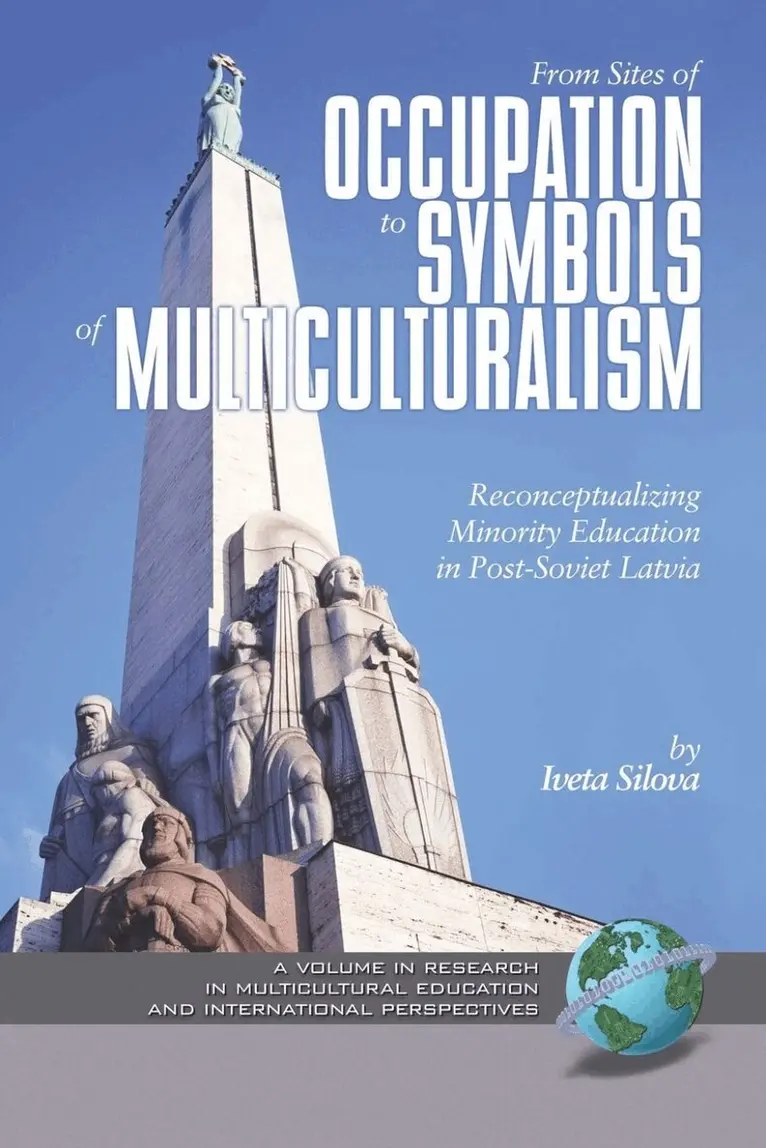
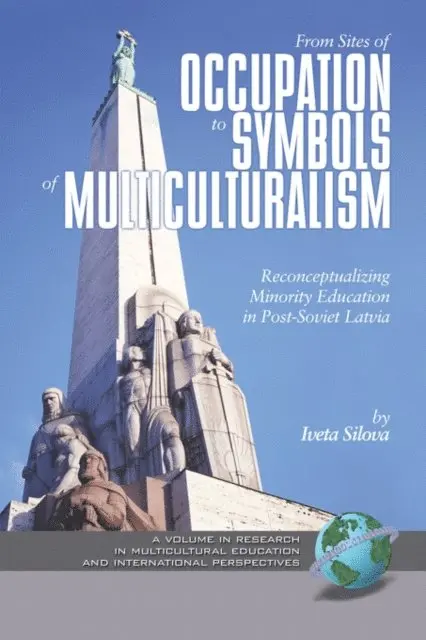
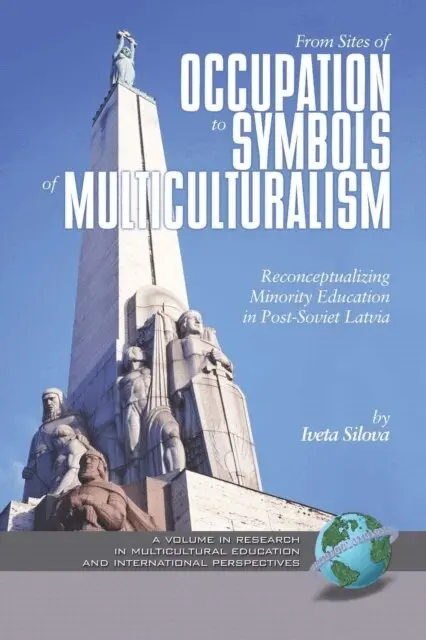
From Sites of Occupation to Symbols of Multiculturalism
Re-Conceptualizing Minority Education in Post-Soviet Latvia
Av Iveta Silova
Häftad, 2006
618 kr
Lägg i varukorg
Rarely do we find books in educational research that are both thick in context and rich in theory. Usually books emphasize one over the other. Authors that engage in thick descriptions tend to fall short of explaining what larger theoretical issue their case stands for. Vice versa, authors who make …
From Sites of Occupation to Symbols of Multiculturalism
Re-Conceptualizing Minority Education in Post-Soviet Latvia
Av Iveta Silova
Inbunden, 2006
1094 kr
Lägg i varukorg
Rarely do we find books in educational research that are both thick in context and rich in theory. Usually books emphasize one over the other. Authors that engage in thick descriptions tend to fall short of explaining what larger theoretical issue their case stands for. Vice versa, authors who make …
From Sites of Occupation to Symbols of Multiculturalism
Re-Conceptualizing Minority Education in Post-Soviet Latvia
Av Iveta Silova
E-bok, 2006
446 kr
Lägg i varukorg
Rarely do we find books in educational research that are both thick in context and rich in theory. Usually books emphasize one over the other. Authors that engage in thick descriptions tend to fall short of explaining what larger theoretical issue their case stands for. Vice versa, authors who make …
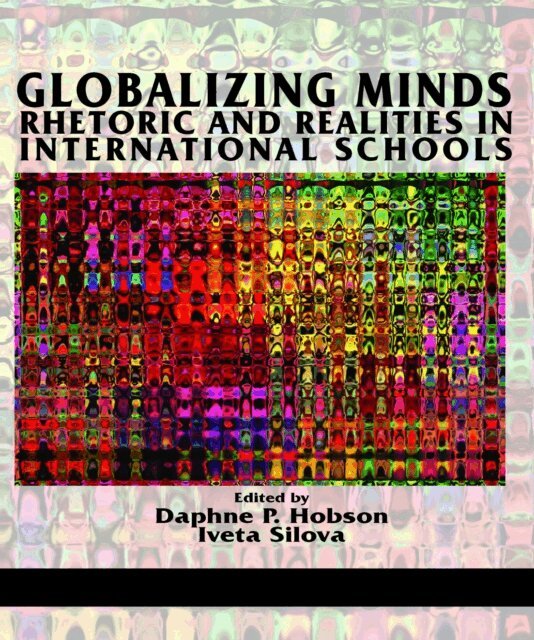
Globalizing Minds
Rhetoric and Realities in International Schools
Av Daphne P. Hobson, Iveta Silova
Häftad, 2014
618 kr
Lägg i varukorg
Globalization has a profound effect on the mission and goals of education worldwide. One of its most visible manifestations is the worldwide endorsement of the idea of 'education for global citizenship,' which has been enthusiastically supported by national governments, politicians, and …
Globalizing Minds
Rhetoric and Realities in International Schools
Av Daphne P. Hobson, Iveta Silova
Inbunden, 2014
1094 kr
Lägg i varukorg
Globalization has a profound effect on the mission and goals of education worldwide. One of its most visible manifestations is the worldwide endorsement of the idea of 'education for global citizenship,' which has been enthusiastically supported by national governments, politicians, and …
Globalizing Minds
Rhetoric and Realities in International Schools
Av Iveta Silova, Daphne P. Hobson
E-bok, 2014
446 kr
Lägg i varukorg
Globalization has a profound effect on the mission and goals of education worldwide. One of its most visible manifestations is the worldwide endorsement of the idea of ''education for global citizenship,'' which has been enthusiastically supported by national governments, politicians, and …
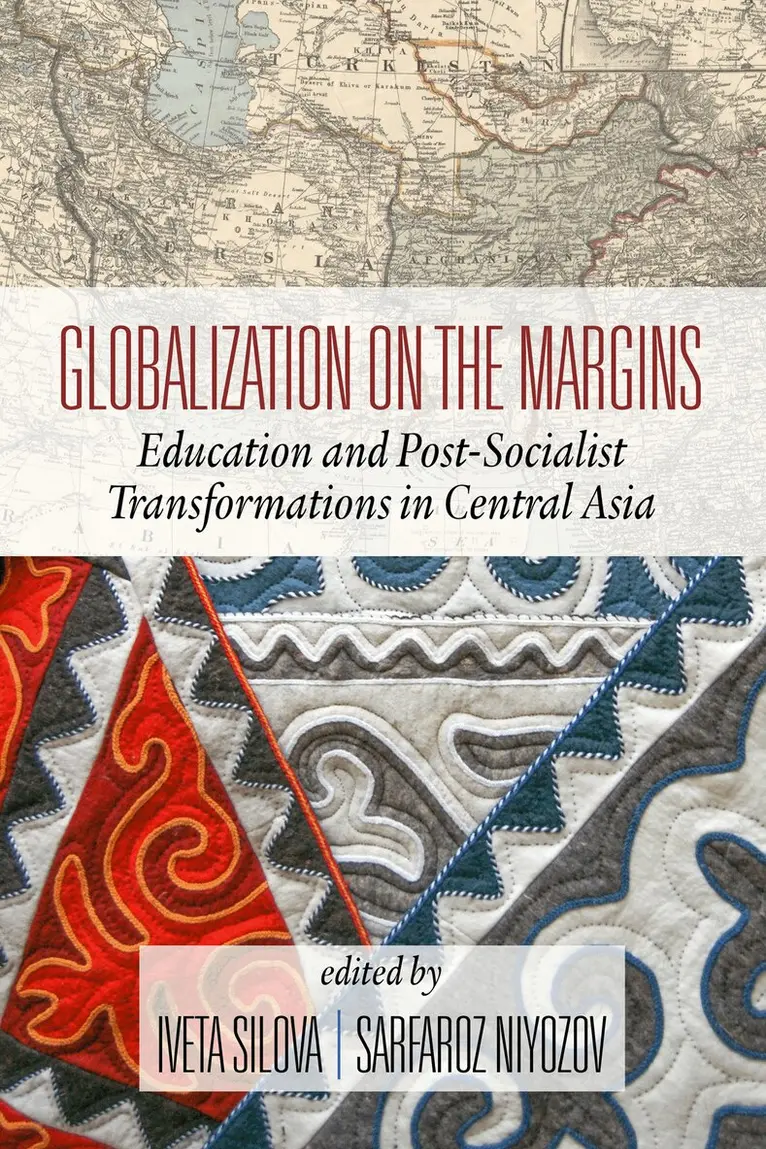
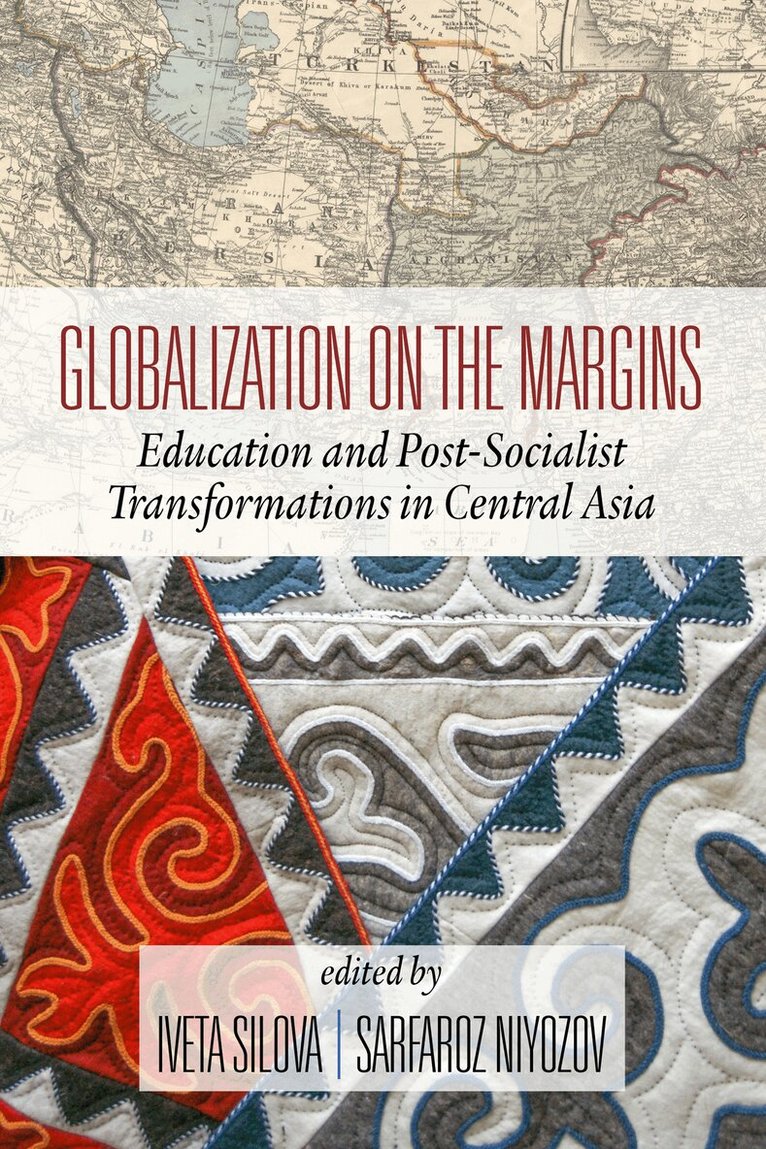
Globalization on the Margins
Education and Post-Socialist Transformations in Central Asia
Av Iveta Silova, Sarfaroz Niyozov
Häftad, 2020
754 kr
Lägg i varukorg
Reflecting on almost three decades of postsocialist transformations, the second edition of Globalization on the Margins explores continuities and changes in Central Asian education development since the dissolution of the Soviet Union in 1991, with a particular focus on the developments that took …
Globalization on the Margins
Education and Post-Socialist Transformations in Central Asia
Av Iveta Silova, Sarfaroz Niyozov
Inbunden, 2020
1230 kr
Lägg i varukorg
Reflecting on almost three decades of postsocialist transformations, the second edition of Globalization on the Margins explores continuities and changes in Central Asian education development since the dissolution of the Soviet Union in 1991, with a particular focus on the developments that took …
Globalization on the Margins
Education and Post-Socialist Transformations in Central Asia
Av Sarfaroz Niyozov, Iveta Silova
E-bok, 2020
708 kr
Lägg i varukorg
Reflecting on almost three decades of postsocialist transformations, the second edition of Globalization on the Margins explores continuities and changes in Central Asian education development since the dissolution of the Soviet Union in 1991, with a particular focus on the developments that took …
Globalization on the Margins
Education and Post-Socialist Transformations in Central Asia
Av Sarfaroz Niyozov, Iveta Silova
E-bok, 2020
817 kr
Lägg i varukorg
Reflecting on almost three decades of postsocialist transformations, the second edition of Globalization on the Margins explores continuities and changes in Central Asian education development since the dissolution of the Soviet Union in 1991, with a particular focus on the developments that took …
Globalizing Minds
Rhetoric and Realities in International Schools
Av Iveta Silova, Daphne P. Hobson
E-bok, 2014
669 kr
Lägg i varukorg
Globalization has a profound effect on the mission and goals of education worldwide. One of its most visible manifestations is the worldwide endorsement of the idea of 'education for global citizenship,' which has been enthusiastically supported by national governments, politicians, and …
From Sites of Occupation to Symbols of Multiculturalism
Re-Conceptualizing Minority Education in Post-Soviet Latvia
Av Iveta Silova
E-bok, 2006
647 kr
Lägg i varukorg
Rarely do we find books in educational research that are both thick in context and rich in theory. Usually books emphasize one over the other. Authors that engage in thick descriptions tend to fall short of explaining what larger theoretical issue their case stands for. Vice versa, authors who make …
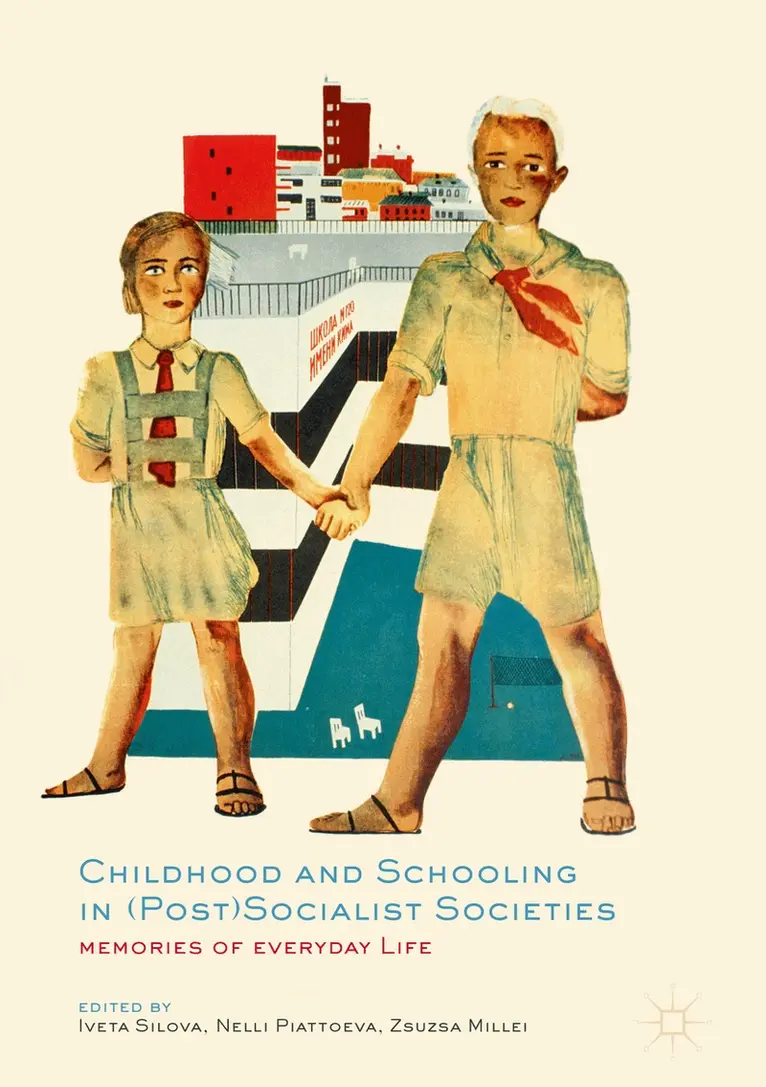
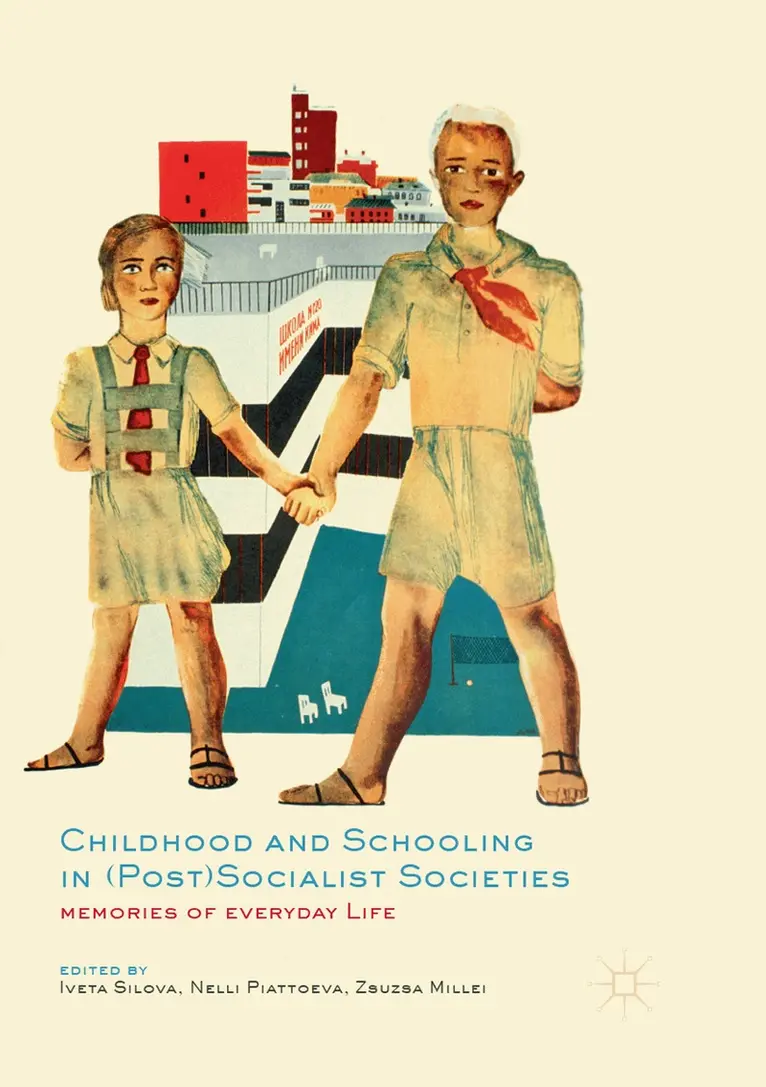
Childhood and Schooling in (Post)Socialist Societies
Memories of Everyday Life
Av Iveta Silova, Nelli Piattoeva m. fl.
Inbunden, 2017
1379 kr
Lägg i varukorg
This book explores childhood and schooling in late socialist societies by bringing into dialogue public narratives and personal memories that move beyond imaginaries of Cold War divisions between the East and West. Written by cultural insiders who were brought up and educated on the eastern side of …
Childhood and Schooling in (Post)Socialist Societies
Memories of Everyday Life
Av Zsuzsa Millei, Nelli Piattoeva m. fl.
E-bok, 2017
1232 kr
Lägg i varukorg
This book explores childhood and schooling in late socialist societies by bringing into dialogue public narratives and personal memories that move beyond imaginaries of Cold War divisions between the East and West. Written by cultural insiders who were brought up and educated on the eastern side of …
Childhood and Schooling in (Post)Socialist Societies
Memories of Everyday Life
Av Iveta Silova, Nelli Piattoeva m. fl.
Häftad, 2018
957 kr
Lägg i varukorg
This book explores childhood and schooling in late socialist societies by bringing into dialogue public narratives and personal memories that move beyond imaginaries of Cold War divisions between the East and West. Written by cultural insiders who were brought up and educated on the eastern side of …