J. Glass – författare
Visar alla böcker från författaren J. Glass. Handla med fri frakt och snabb leverans.
8 produkter
8 produkter
E-bok
PDF, Engelska, 2004441 kr
Läs direkt efter köp
It is a common belief that Jews did nothing to resist their own fate in the Holocaust. However, the realities of disintegrating physical and psychological conditions, and the efforts of ghetto undergrounds to counter collaborationist judenrat policies and the despair, could not but lead to a breakdown in spiritual life.

E-bok
PDF, Engelska, 2014687 kr
Läs direkt efter köp
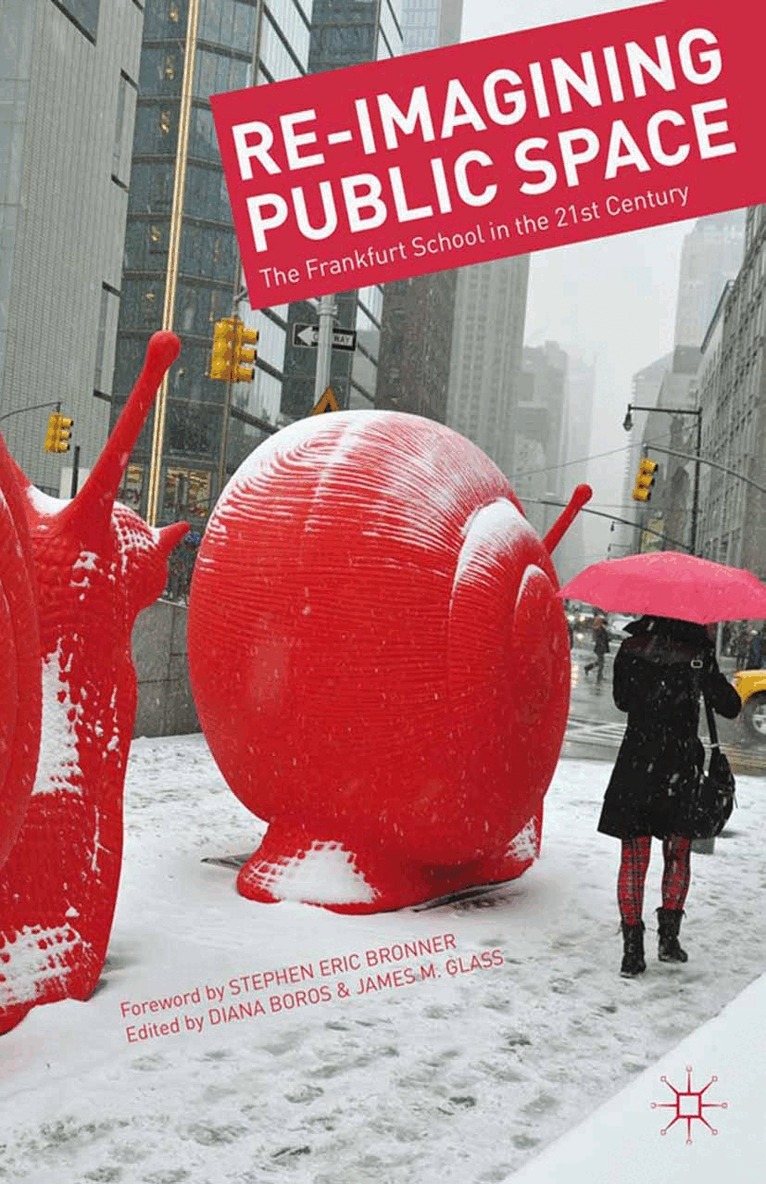
Public space, both literally and figuratively, is foundationally important to political life. From Socratic lectures in the public forum, to Occupy Wall Street and the Arab Spring, public spaces have long played host to political discussion and protest. The book provides a direct assessment of the role that public space plays in political life.
Inbunden, Engelska, 2014
549 kr
Skickas inom 10-15 vardagar
Public space, both literally and figuratively, is foundationally important to political life. From Socratic lectures in the public forum, to Occupy Wall Street and the Arab Spring, public spaces have long played host to political discussion and protest. The book provides a direct assessment of the role that public space plays in political life.
Häftad, Engelska, 2014
548 kr
Skickas inom 10-15 vardagar
Public space, both literally and figuratively, is foundationally important to political life. From Socratic lectures in the public forum, to Occupy Wall Street and the Arab Spring, public spaces have long played host to political discussion and protest. The book provides a direct assessment of the role that public space plays in political life.
Häftad, Engelska, 2004
375 kr
Skickas inom 10-15 vardagar
It is a common belief that Jews did nothing to resist their own fate in the Holocaust. However, the realities of disintegrating physical and psychological conditions, and the efforts of ghetto undergrounds to counter collaborationist judenrat policies and the despair, could not but lead to a breakdown in spiritual life.

Inbunden, Engelska, 2004
454 kr
Skickas inom 10-15 vardagar
It is a common belief that Jews did nothing to resist their own fate in the Holocaust. However, the realities of disintegrating physical and psychological conditions, and the efforts of ghetto undergrounds to counter collaborationist judenrat policies and the despair, could not but lead to a breakdown in spiritual life.
Häftad, Engelska, 2011
549 kr
Skickas inom 10-15 vardagar
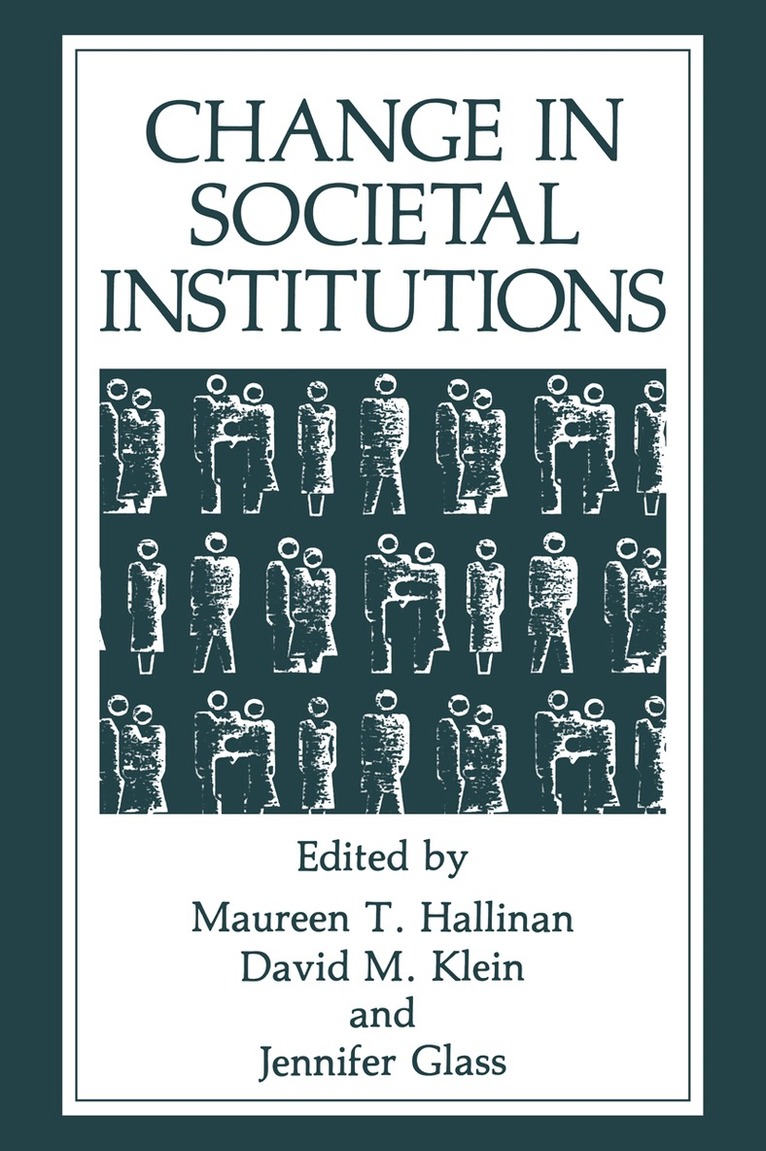
In the second half of the twentieth century, a number of researchers have conceptualized modern society as a social system composed of differenti ated yet interrelated institutional spheres. Commonly identified institu tional spheres are the family, religion, the economy, the polity or state, medicine or health care, religion, law, and education. The institutional perspective has sometimes been linked to a structural-functional frame work; it has often been asserted that institutions must be understood as parts of a larger whole operating at the societal level. Equally important have been recent institutional theory and research focusing on the more microscopic dynamics of intrainstitutional change. The concern here has been processes governing the institutionalization of rules and practices and the formation and decline of particular social structures. Although valid and useful, neither of these perspectives has yielded a systematic comparative assessment of societal institutions. The aim of this edited volume is to meet this critical need. It brings together recent theo retical and empirical research on societal institutions in a time of rapid change. The chapters focus on how these institutions adapt to societal change and what the outcomes of these changes are.
E-bok
PDF, Engelska, 2013687 kr
Läs direkt efter köp
In the second half of the twentieth century, a number of researchers have conceptualized modern society as a social system composed of differenti ated yet interrelated institutional spheres. Commonly identified institu tional spheres are the family, religion, the economy, the polity or state, medicine or health care, religion, law, and education. The institutional perspective has sometimes been linked to a structural-functional frame work; it has often been asserted that institutions must be understood as parts of a larger whole operating at the societal level. Equally important have been recent institutional theory and research focusing on the more microscopic dynamics of intrainstitutional change. The concern here has been processes governing the institutionalization of rules and practices and the formation and decline of particular social structures. Although valid and useful, neither of these perspectives has yielded a systematic comparative assessment of societal institutions. The aim of this edited volume is to meet this critical need. It brings together recent theo retical and empirical research on societal institutions in a time of rapid change. The chapters focus on how these institutions adapt to societal change and what the outcomes of these changes are.