J. Mark Parnis – författare
Visar alla böcker från författaren J. Mark Parnis. Handla med fri frakt och snabb leverans.
8 produkter
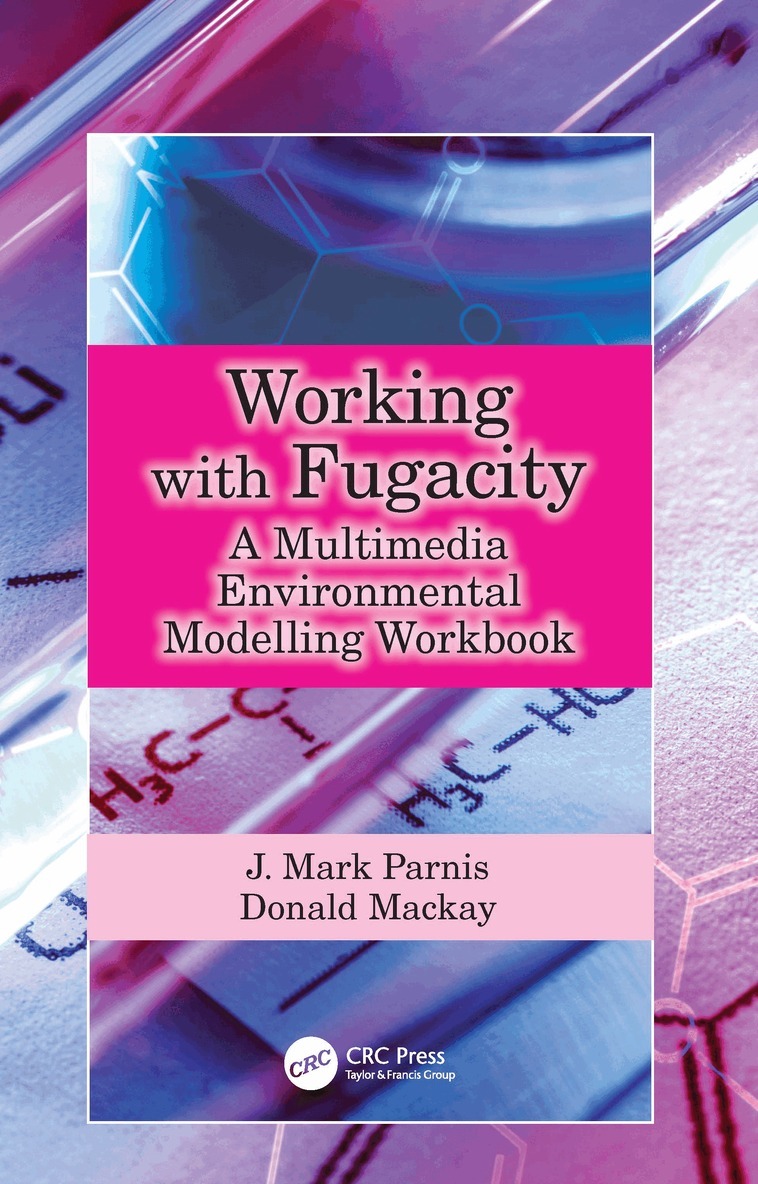
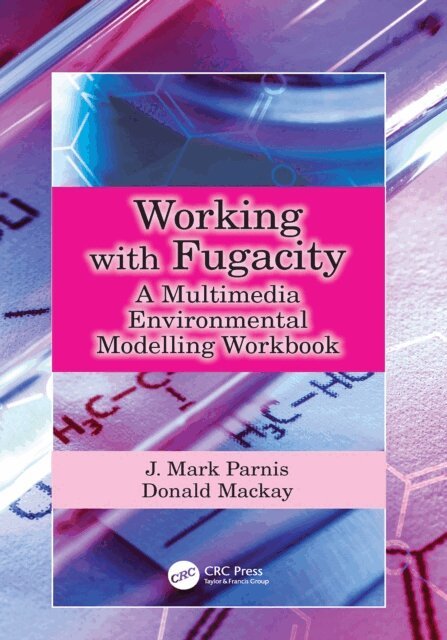
Working with Fugacity
A Multimedia Environmental Modelling Workbook
Av J. Mark Parnis, Donald Mackay
Häftad, 2025
829 kr
Lägg i varukorg
Multimedia environmental models are powerful tools for predicting the fate and distribution of chemicals in the environment. They are used for assessing the potential exposure of ecosystems and humans to contaminants, as well as for developing and evaluating chemical management approaches. This …
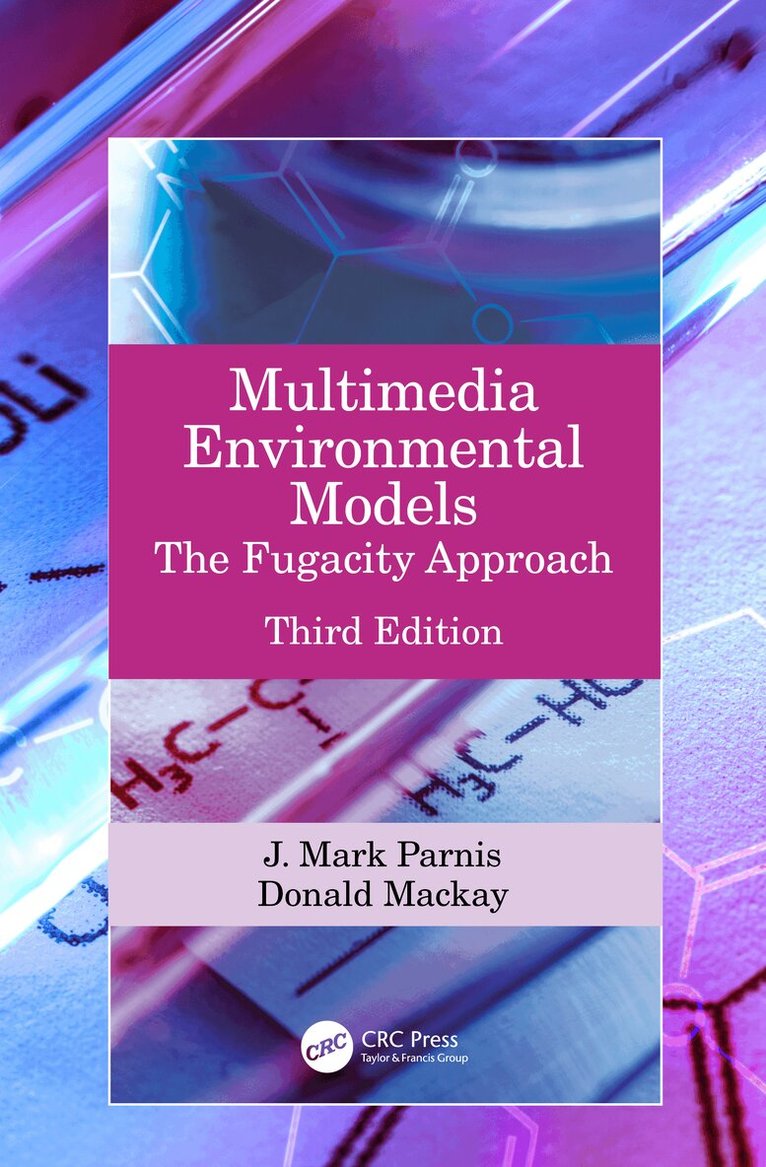
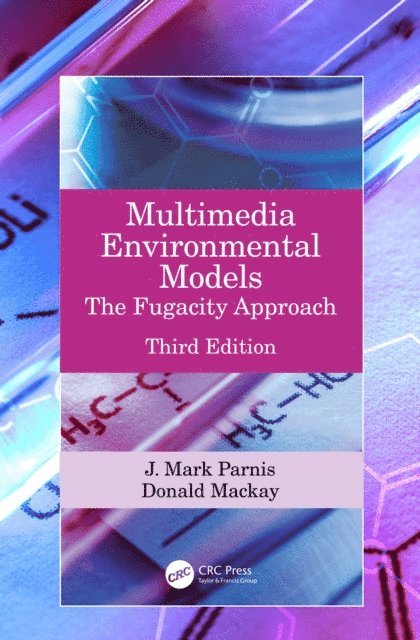
Multimedia Environmental Models
The Fugacity Approach
Av J. Mark Parnis, Donald Mackay
Inbunden, 2020
3147 kr
Lägg i varukorg
Multimedia Environmental Models: The Fugacity Approach, Third Edition, takes a broad approach of viewing chemical behavior in the total biosphere of connected biotic and abiotic compartments. Chemicals are subject to the laws of "mass balance," a constraint that provides the opportunity to …
Multimedia Environmental Models
The Fugacity Approach
Av J. Mark Parnis, Donald Mackay
Häftad, 2022
1323 kr
Lägg i varukorg
Multimedia Environmental Models: The Fugacity Approach, Third Edition, takes a broad approach of viewing chemical behavior in the total biosphere of connected biotic and abiotic compartments. Chemicals are subject to the laws of "mass balance," a constraint that provides the opportunity to …
Multimedia Environmental Models
The Fugacity Approach
Av Donald Mackay, J. Mark Parnis
E-bok, 2020
1475 kr
Lägg i varukorg
Multimedia Environmental Models: The Fugacity Approach, Third Edition , takes a broad approach of viewing chemical behavior in the total biosphere of connected biotic and abiotic compartments. Chemicals are subject to the laws of "mass balance," a constraint that provides the opportunity to …
Multimedia Environmental Models
The Fugacity Approach
Av Donald Mackay, J. Mark Parnis
E-bok, 2020
1491 kr
Lägg i varukorg
Multimedia Environmental Models: The Fugacity Approach, Third Edition , takes a broad approach of viewing chemical behavior in the total biosphere of connected biotic and abiotic compartments. Chemicals are subject to the laws of "mass balance," a constraint that provides the opportunity to …
Working with Fugacity
A Multimedia Environmental Modelling Workbook
Av Donald Mackay, J. Mark Parnis
E-bok, 2025
953 kr
Lägg i varukorg
Multimedia environmental models are powerful tools for predicting the fate and distribution of chemicals in the environment. They are used for assessing the potential exposure of ecosystems and humans to contaminants, as well as for developing and evaluating chemical management approaches. This …
Working with Fugacity
A Multimedia Environmental Modelling Workbook
Av Donald Mackay, J. Mark Parnis
E-bok, 2025
922 kr
Lägg i varukorg
Multimedia environmental models are powerful tools for predicting the fate and distribution of chemicals in the environment. They are used for assessing the potential exposure of ecosystems and humans to contaminants, as well as for developing and evaluating chemical management approaches. This …
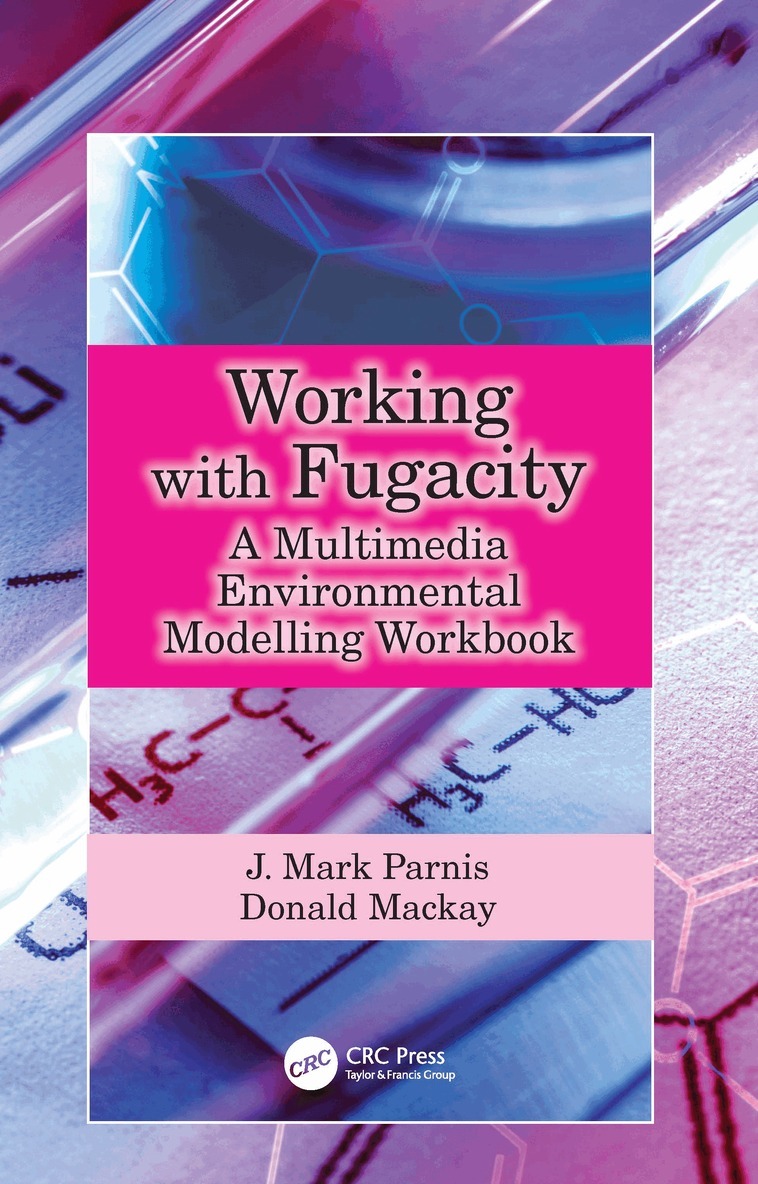
Working with Fugacity
A Multimedia Environmental Modelling Workbook
Av J. Mark Parnis, Donald Mackay
Inbunden, 2025
1562 kr
Lägg i varukorg
Multimedia environmental models are powerful tools for predicting the fate and distribution of chemicals in the environment. They are used for assessing the potential exposure of ecosystems and humans to contaminants, as well as for developing and evaluating chemical management approaches. This …