Jack Bouchard - Böcker
Visar alla böcker från författaren Jack Bouchard. Handla med fri frakt och snabb leverans.
3 produkter
3 produkter
381 kr
Skickas
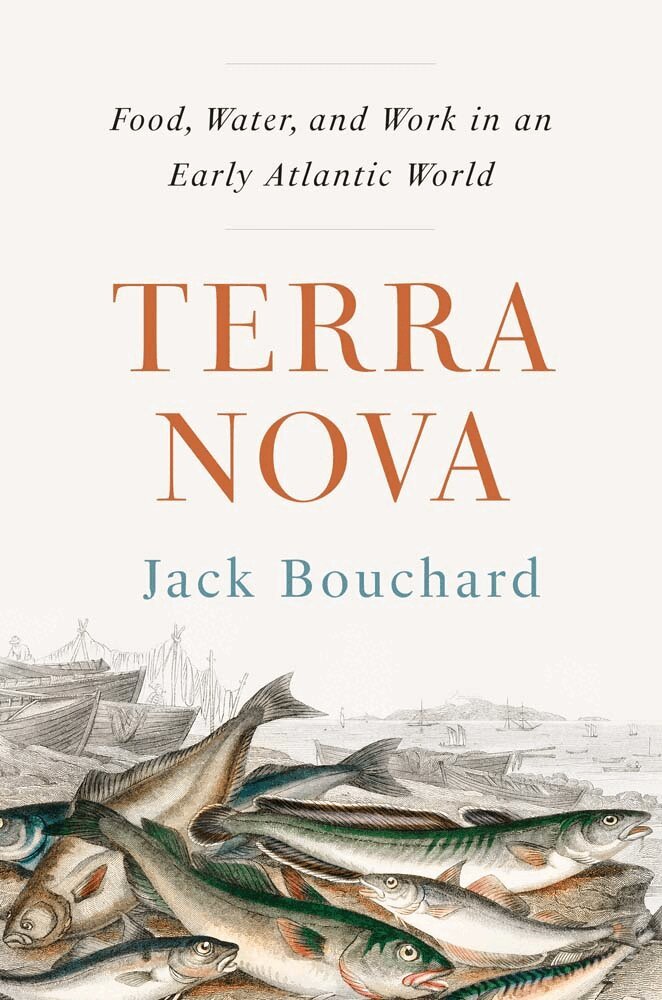
A bottom-up story of the fishworkers, whalers, First Nations, merchantwomen, oceans, and animals who together made a new colonial world in the early Atlantic In the early decades of the sixteenth century, mariners from across Europe forged a vast seasonal fishery along the coasts of the northwest Atlantic. Long before there was Newfoundland or Canada, Europeans called this floating colony Terra Nova, and they laid the foundation for a history of extracting food and fuel that extended into the twentieth century. Once one of the largest European colonies in the Atlantic basin, Terra Nova has never before been considered in its historical entirety or in a wider Atlantic context. Historian Jack Bouchard tells the story of Terra Nova, showing that its early development was shaped by colonial histories across the Atlantic world. He demonstrates that when we put food production, ocean environments, and maritime labor at the center of the story, we can see the overlooked lives and voices of those who made change in these early years. The result is a new history of the Atlantic world: one where humans migrate in the wake of ice and fish, where Indigenous American and Arctic trade routes are joined to transatlantic exchange, where colonies exist without settlement or empire, and where food production, labor, and maritime landscapes are at the center of our shared history.
2 150 kr
Skickas inom 10-15 vardagar
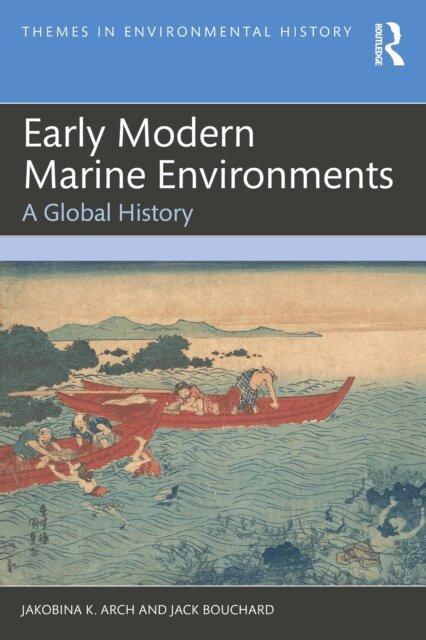
Across the early modern world (late 1400s to mid-1900s), oceans provided the key connection between far-flung communities in an age of empire and colonial expansion, while also serving as an increasingly important source of resources, from salted fish to whale oil to luxurious pearls.This story has rarely been told from the perspective of the marine environment itself. This book brings together the newest research to explore an era of newfound importance for the global ocean, focusing on the changing human relationships with maritime environments as cultures around the world found new ways to use and manipulate different aspects of this environment. The book focuses on key themes in early modern maritime history: harvesting marine life, movement through and on water, changing coastal environments, sea–land connections, and the metaphysics of the ocean in an age of change. While making a case for the importance of early modern marine environmental history throughout all the oceans of the world, this book also provides a foundation for more work on the topic.This book is for undergraduate and graduate students beginning work on premodern environmental, maritime, ocean and global history, as well as literary scholars or ocean scientists interested in ocean history.
593 kr
Skickas inom 10-15 vardagar
Across the early modern world (late 1400s to mid-1900s), oceans provided the key connection between far-flung communities in an age of empire and colonial expansion, while also serving as an increasingly important source of resources, from salted fish to whale oil to luxurious pearls.This story has rarely been told from the perspective of the marine environment itself. This book brings together the newest research to explore an era of newfound importance for the global ocean, focusing on the changing human relationships with maritime environments as cultures around the world found new ways to use and manipulate different aspects of this environment. The book focuses on key themes in early modern maritime history: harvesting marine life, movement through and on water, changing coastal environments, sea–land connections, and the metaphysics of the ocean in an age of change. While making a case for the importance of early modern marine environmental history throughout all the oceans of the world, this book also provides a foundation for more work on the topic.This book is for undergraduate and graduate students beginning work on premodern environmental, maritime, ocean and global history, as well as literary scholars or ocean scientists interested in ocean history.