Jacob A. Moulijn - Böcker
Visar alla böcker från författaren Jacob A. Moulijn. Handla med fri frakt och snabb leverans.
8 produkter
8 produkter
698 kr
Skickas inom 10-15 vardagar
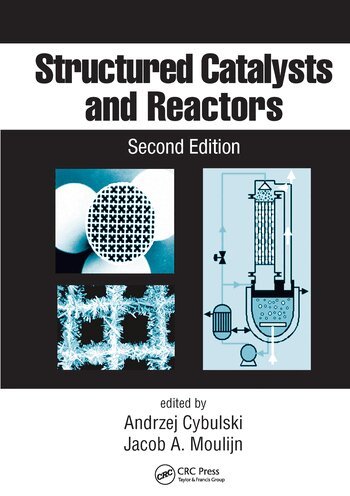
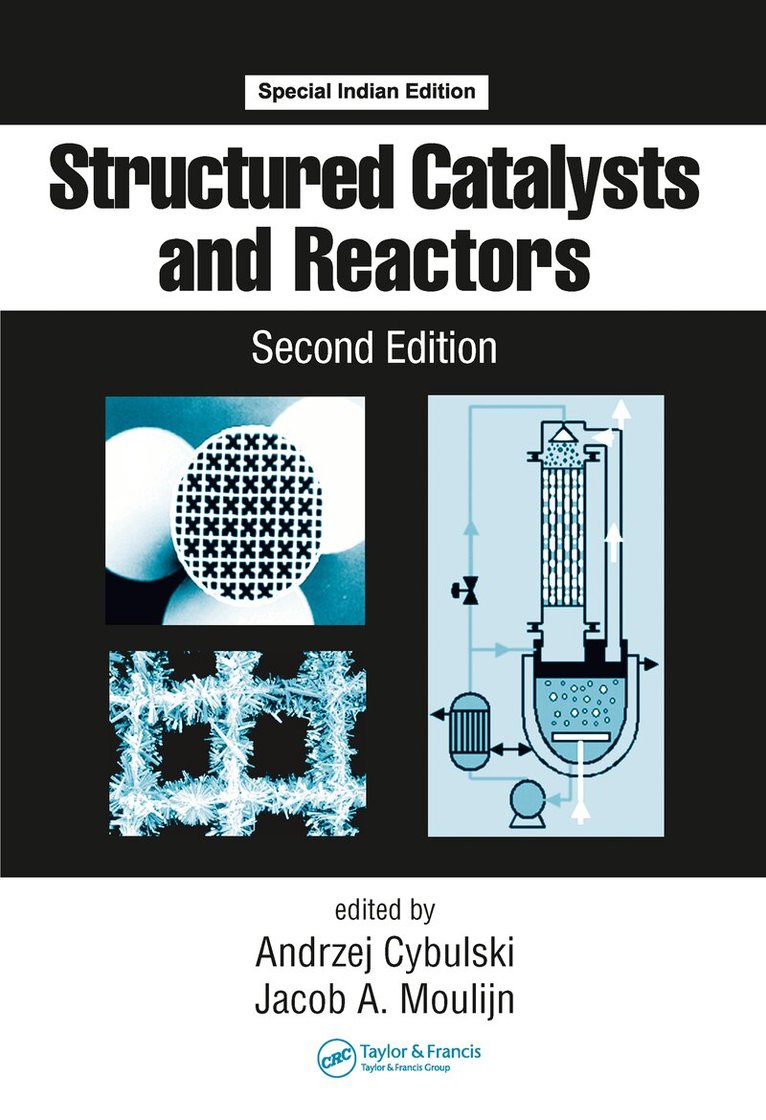
Interest in structured catalysts is steadily increasing due to the already proven, as well as potential, advantages of these catalysts. Updating the comprehensive coverage of the first edition published in 1998 with the latest science and applications, Structured Catalysts and Reactors, Second Edition gives detailed information on all aspects of structured catalysts and reactors, including: materials, mass transfer, selectivity, activity, and stability; catalyst preparation, design, and characterization; process development; modeling and optimization; reactor design; and operation costs and considerations.The book first examines how monolithic catalysts are used to clean exhaust gas from gasoline engines, treat industrial off-gases, burn fuels in commercial settings, and synthesize chemicals in two- and three-phase processes. It discusses configurations, microstructure, physical properties, and manufacture of ceramic and metallic monoliths before directing its focus to arranged catalysts and structured packings in terms of mass transfer. The book then explores catalytically active membranes and filters, featuring metallic membranes, permeation mechanisms, preparation and modeling, commercial membranes, and the latest applications, such as zeolitic membranes. Finally, several chapters present techniques for incorporating catalytic species into the structured catalyst support and controlling catalyst nanoporosity. This book conveys the scientific as well as economic advantages of using these unconventional catalytic techniques. With over 1500 references, tables, drawings, and photographs, as well as in-depth discussions and a new approach to catalytic processes, Structured Catalysts and Reactors, Second Edition is an essential reference for anyone working with or studying catalysis.
4 062 kr
Skickas inom 10-15 vardagar
Interest in structured catalysts is steadily increasing due to the already proven, as well as potential, advantages of these catalysts. Updating the comprehensive coverage of the first edition published in 1998 with the latest science and applications, Structured Catalysts and Reactors, Second Edition gives detailed information on all aspects of structured catalysts and reactors, including: materials, mass transfer, selectivity, activity, and stability; catalyst preparation, design, and characterization; process development; modeling and optimization; reactor design; and operation costs and considerations.The book first examines how monolithic catalysts are used to clean exhaust gas from gasoline engines, treat industrial off-gases, burn fuels in commercial settings, and synthesize chemicals in two- and three-phase processes. It discusses configurations, microstructure, physical properties, and manufacture of ceramic and metallic monoliths before directing its focus to arranged catalysts and structured packings in terms of mass transfer. The book then explores catalytically active membranes and filters, featuring metallic membranes, permeation mechanisms, preparation and modeling, commercial membranes, and the latest applications, such as zeolitic membranes. Finally, several chapters present techniques for incorporating catalytic species into the structured catalyst support and controlling catalyst nanoporosity. This book conveys the scientific as well as economic advantages of using these unconventional catalytic techniques. With over 1500 references, tables, drawings, and photographs, as well as in-depth discussions and a new approach to catalytic processes, Structured Catalysts and Reactors, Second Edition is an essential reference for anyone working with or studying catalysis.
4 062 kr
Skickas inom 10-15 vardagar
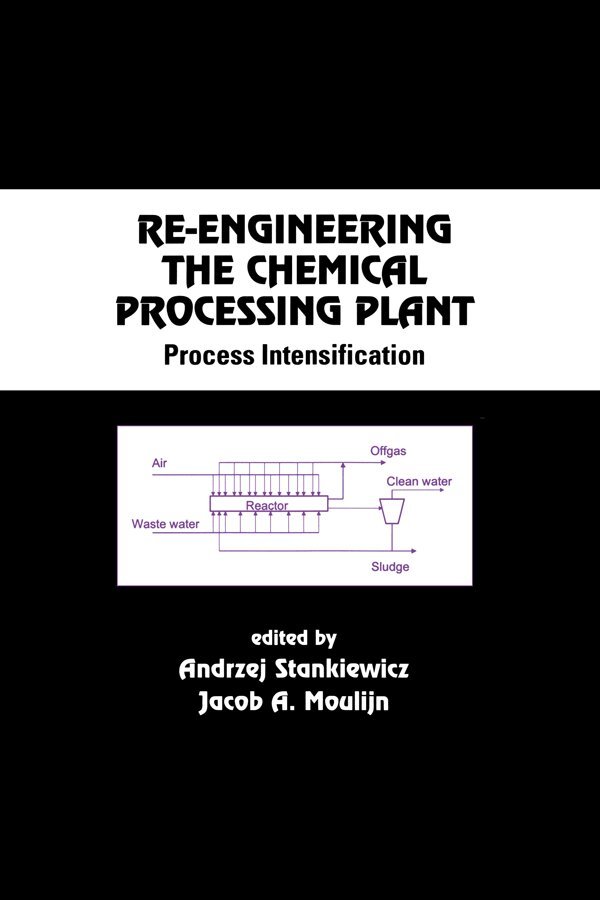
The first guide to compile current research and frontline developments in the science of process intensification (PI), Re-Engineering the Chemical Processing Plant illustrates the design, integration, and application of PI principles and structures for the development and optimization of chemical and industrial plants. This volume updates professionals on emerging PI equipment and methodologies to promote technological advances and operational efficacy in chemical, biochemical, and engineering environments and presents clear examples illustrating the implementation and application of specific process-intensifying equipment and methods in various commercial arenas.
847 kr
Kommande
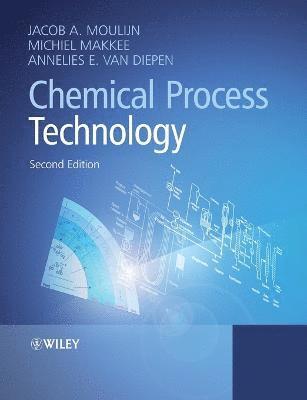
Chemical Process Technology provides a comprehensive, balanced, and structured introduction to chemical process technology, linking the fundamental theory and concepts to the applied nature of the subject. The work gives the reader an understanding of the basic disciplines of the most important chemical processes and provides an essential bridge between the chemical sciences and the chemical industry. Starting off with a general look at the chemical industry, subsequent chapters examine different processes in greater detail, such as oil refinery, steam cracking, synthesis gas, bulk chemicals, and much more. In all chapters, processes are represented by simplified flow schemes to help the reader think in terms of conceptual process designs. To aid in reader comprehension, the work includes text boxes containing case studies and examples from various industries, questions throughout to stimulate debate, and richly illustrated chapters with figures and flow diagrams. Sample topics covered in the work include: Processes for the conversion of biomass: production of biofuels, bioethanol, biobutanol, diesel-type biofuels, succinic acid, biorefinery concepts, and existing and projected biorefineriesInorganic bulk chemicals: sulfuric acid, SO2 conversion reactor, catalyst deactivation, sulfur production, nitric acid, and NOx abatementHeterogeneous catalysis: catalyst design, size, and shape, reactor types, exchanging heat, role of catalyst deactivation, and other issuesProduction of polymers: polymerization reactions, catalyst development, application, exothermicity, and production of polyethenesAs a comprehensive, updated, and modern resource for understanding many facets of chemical process technology, Chemical Process Technology is invaluable to students of chemical engineering, biotechnology, and industrial chemistry, as well as practicing chemical engineers.
1 579 kr
Skickas inom 7-10 vardagar
With a focus on actual industrial processes, e.g. the production of light alkenes, synthesis gas, fine chemicals, polyethene, it encourages the reader to think “out of the box” and invent and develop novel unit operations and processes. Reflecting today’s emphasis on sustainability, this edition contains new coverage of biomass as an alternative to fossil fuels, and process intensification.The second edition includes: New chapters on Process Intensification and Processes for the Conversion of BiomassUpdated and expanded chapters throughout with 35% new material overallText boxes containing case studies and examples from various different industries, e.g. synthesis loop designs, Sasol I Plant, Kaminsky catalysts, production of Ibuprofen, click chemistry, ammonia synthesis, fluid catalytic crackingQuestions throughout to stimulate debate and keep students awake!Richly illustrated chapters with improved figures and flow diagramsChemical Process Technology, Second Edition is a comprehensive introduction, linking the fundamental theory and concepts to the applied nature of the subject. It will be invaluable to students of chemical engineering, biotechnology and industrial chemistry, as well as practising chemical engineers. From reviews of the first edition:“The authors have blended process technology, chemistry and thermodynamics in an elegant manner… Overall this is a welcome addition to books on chemical technology.” – The Chemist“Impressively wide-ranging and comprehensive… an excellent textbook for students, with a combination of fundamental knowledge and technology.” – Chemistry in Britain (now Chemistry World)
581 kr
Skickas inom 7-10 vardagar
With a focus on actual industrial processes, e.g. the production of light alkenes, synthesis gas, fine chemicals, polyethene, it encourages the reader to think “out of the box” and invent and develop novel unit operations and processes. Reflecting today’s emphasis on sustainability, this edition contains new coverage of biomass as an alternative to fossil fuels, and process intensification.The second edition includes: New chapters on Process Intensification and Processes for the Conversion of BiomassUpdated and expanded chapters throughout with 35% new material overallText boxes containing case studies and examples from various different industries, e.g. synthesis loop designs, Sasol I Plant, Kaminsky catalysts, production of Ibuprofen, click chemistry, ammonia synthesis, fluid catalytic crackingQuestions throughout to stimulate debate and keep students awake!Richly illustrated chapters with improved figures and flow diagramsChemical Process Technology, Second Edition is a comprehensive introduction, linking the fundamental theory and concepts to the applied nature of the subject. It will be invaluable to students of chemical engineering, biotechnology and industrial chemistry, as well as practising chemical engineers. From reviews of the first edition:“The authors have blended process technology, chemistry and thermodynamics in an elegant manner… Overall this is a welcome addition to books on chemical technology.” – The Chemist“Impressively wide-ranging and comprehensive… an excellent textbook for students, with a combination of fundamental knowledge and technology.” – Chemistry in Britain (now Chemistry World)
3 149 kr
Skickas inom 10-15 vardagar
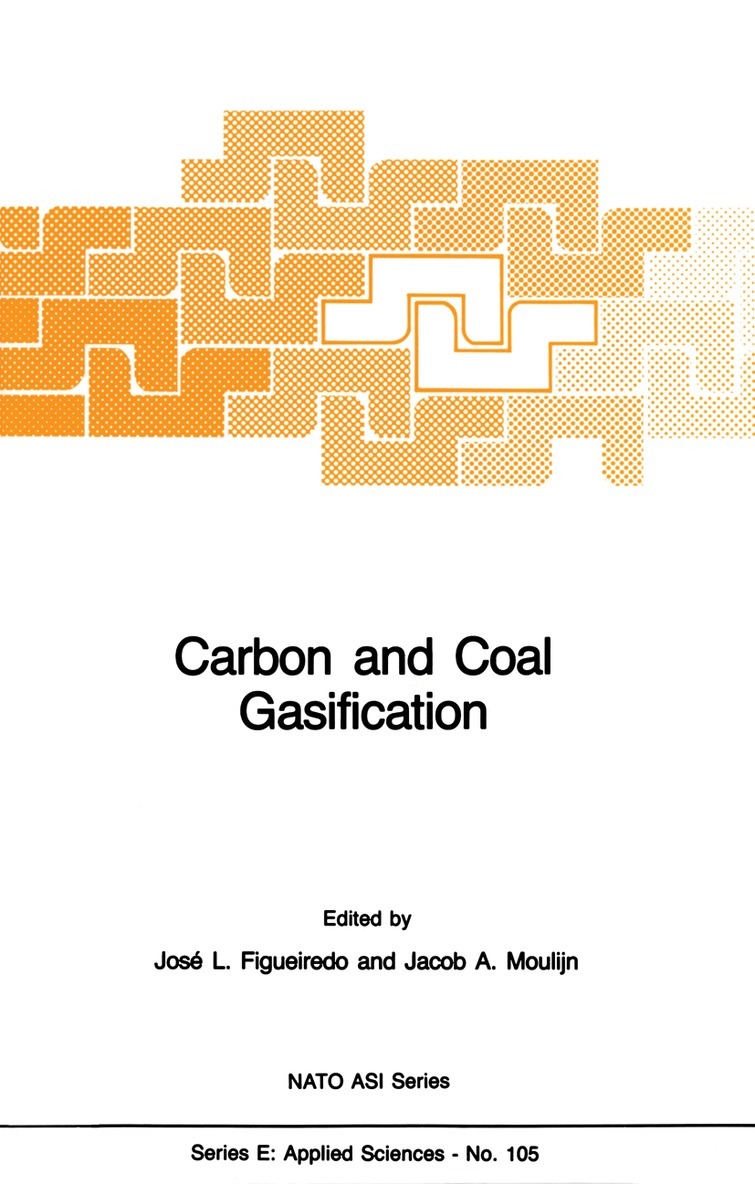
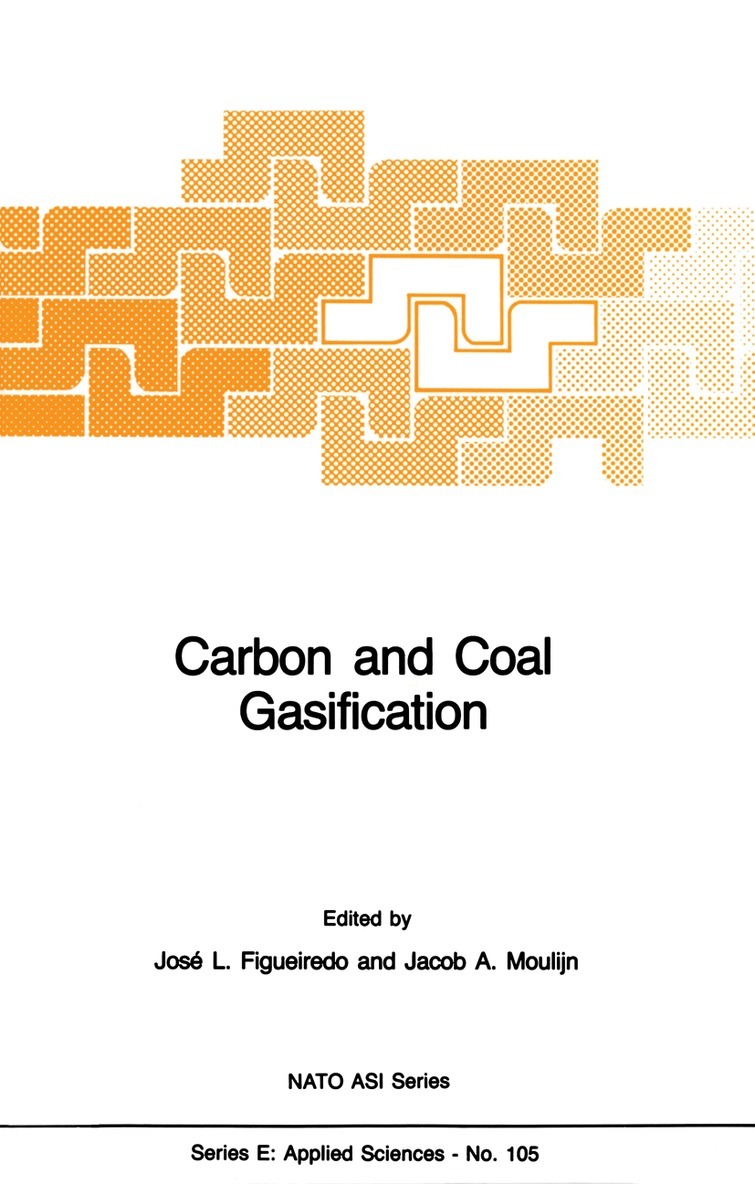
Carbon gasification reactions form the basis of many important industrial processes, such as the combustion of coal and the produc tion of synthesis gas, fuel gases and activated carbons. They are also involved in metallurgical processes and in the regeneration of coked catalysts. Thus, understanding the fundamentals of carbon gasification is of vital importance for further technological development. Moreover, the subject is of interdisciplinary nature, involving chemistry, ma terials science and chemical engineering. Therefore, it was thought that an Advanced Study Institute would be fruitful in establishing the state of the art, in bringing together experts from the various sectors involved and in identifying areas of required research and industrial development. Such a meeting was held at Alvor, Portugal, from the 20th to the 31st May 1985, and the lectures presented the reof are collected in this volume. The present volume is organized in seven chapters. The Intro duction presents the carbon gasification reactions an~ their rele vance for particular processes and industrial uses. In the second chapter, the structures of carbon and coal are reviewed, together with methods of structural, chemical and textural characterization.
3 149 kr
Skickas inom 10-15 vardagar
Carbon gasification reactions form the basis of many important industrial processes, such as the combustion of coal and the produc tion of synthesis gas, fuel gases and activated carbons. They are also involved in metallurgical processes and in the regeneration of coked catalysts. Thus, understanding the fundamentals of carbon gasification is of vital importance for further technological development. Moreover, the subject is of interdisciplinary nature, involving chemistry, ma terials science and chemical engineering. Therefore, it was thought that an Advanced Study Institute would be fruitful in establishing the state of the art, in bringing together experts from the various sectors involved and in identifying areas of required research and industrial development. Such a meeting was held at Alvor, Portugal, from the 20th to the 31st May 1985, and the lectures presented the reof are collected in this volume. The present volume is organized in seven chapters. The Intro duction presents the carbon gasification reactions an~ their rele vance for particular processes and industrial uses. In the second chapter, the structures of carbon and coal are reviewed, together with methods of structural, chemical and textural characterization.