Jacqueline Couti – författare
Visar alla böcker från författaren . Handla med fri frakt och snabb leverans.
5 produkter
5 produkter
Inbunden, Engelska, 2016
2 307 kr
Skickas inom 5-8 vardagar
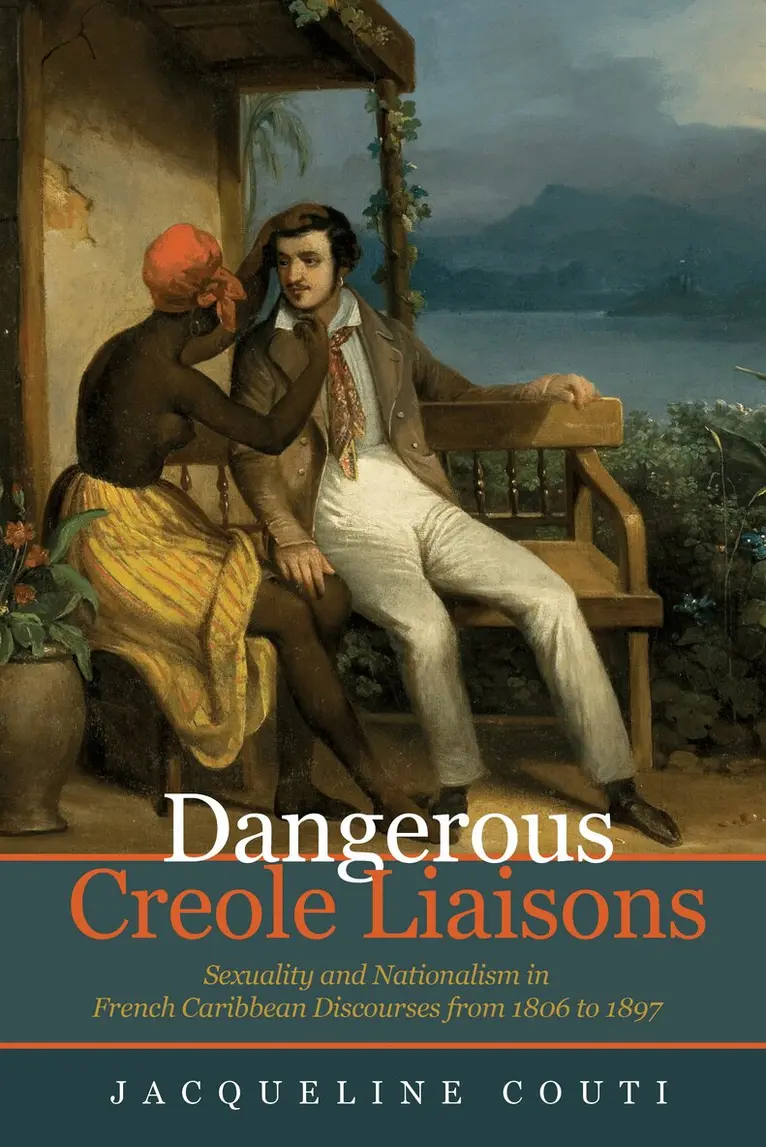
Dangerous Creole Liaisons explores a French Caribbean context to broaden discussions of sexuality, nation building, and colonialism in the Americas. Couti examines how white Creoles perceived their contributions to French nationalism through the course of the nineteenth century as they portrayed sexualized female bodies and sexual and racial difference to advance their political ideologies. Questioning their exhilarating exoticism and titillating eroticism underscores the ambiguous celebration of the Creole woman as both seductress and an object of lust. She embodies the Caribbean as a space of desire and a political site of contest that reflects colonial, slave and post-slave societies. The under-researched white Creole writers and non-Caribbean authors (such as Lafcadio Hearn) who traveled to and wrote about these islands offer an intriguing gendering and sexualization of colonial and nationalist discourses. Their use of the floating motif of the female body as the nation exposes a cultural cross-pollination, an intense dialogue of political identity between continental France and her Caribbean colonies. Couti suggests that this cross-pollination still persists. Eventually, representations of Creole women’s bodies (white and black) bring two competing conceptions of nationalism into play: a local, bounded, French nationalism against a transatlantic and more fluid nationalism that included the Antilles in a “greater France.”
Häftad, Engelska, 2021
703 kr
Skickas inom 5-8 vardagar
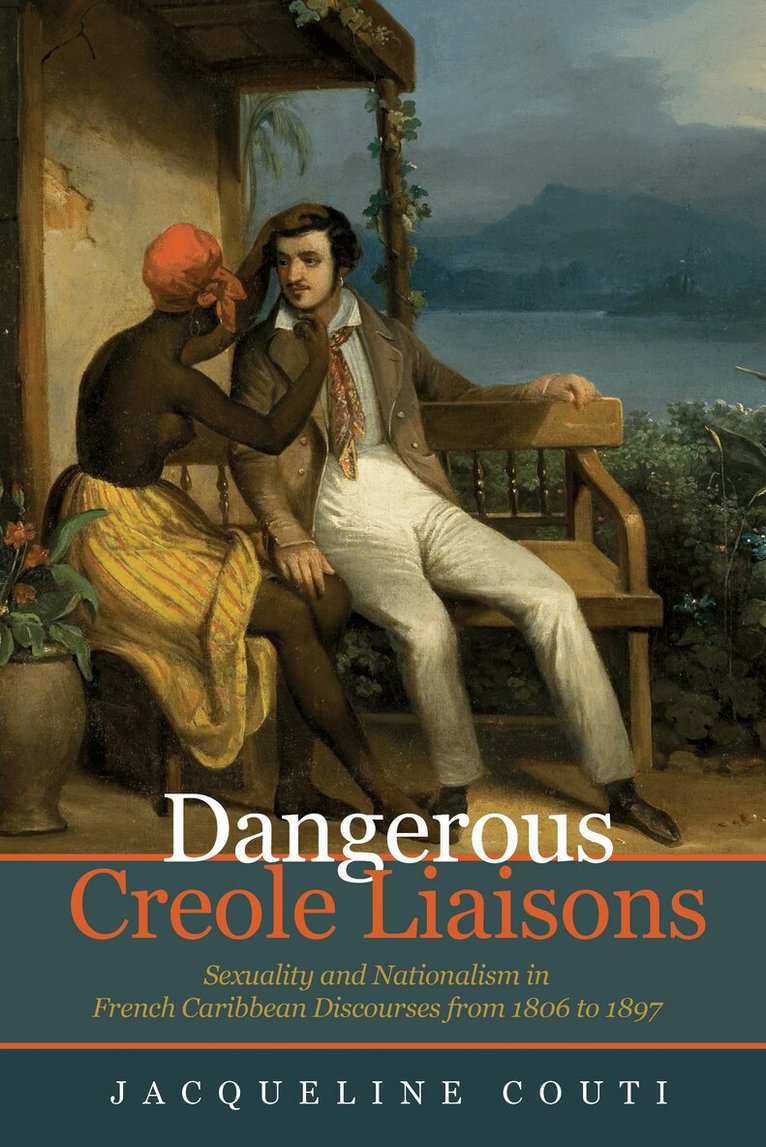
Dangerous Creole Liaisons explores a French Caribbean context to broaden discussions of sexuality, nation building, and colonialism in the Americas. Couti examines how white Creoles perceived their contributions to French nationalism through the course of the nineteenth century as they portrayed sexualized female bodies and sexual and racial difference to advance their political ideologies. Questioning their exhilarating exoticism and titillating eroticism underscores the ambiguous celebration of the Creole woman as both seductress and an object of lust. She embodies the Caribbean as a space of desire and a political site of contest that reflects colonial, slave and post-slave societies. The under-researched white Creole writers and non-Caribbean authors (such as Lafcadio Hearn) who traveled to and wrote about these islands offer an intriguing gendering and sexualization of colonial and nationalist discourses. Their use of the floating motif of the female body as the nation exposes a cultural cross-pollination, an intense dialogue of political identity between continental France and her Caribbean colonies. Couti suggests that this cross-pollination still persists. Eventually, representations of Creole women’s bodies (white and black) bring two competing conceptions of nationalism into play: a local, bounded, French nationalism against a transatlantic and more fluid nationalism that included the Antilles in a “greater France.”
Del 81 - Contemporary French and Francophone Cultures
Sex, Sea, and Self
Sexuality and Nationalism in French Caribbean Discourses, 1924-1948
Inbunden, Engelska, 2021
1 619 kr
Skickas
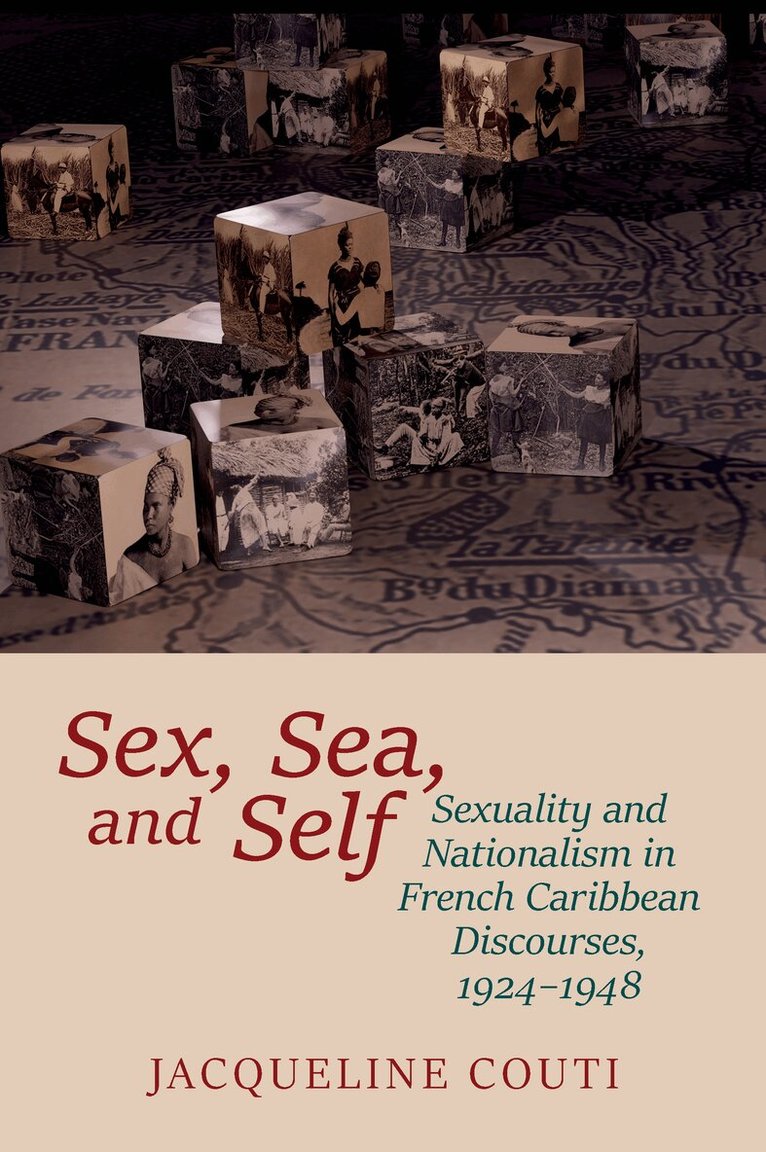
Sex, Sea, and Self reassesses the place of the French Antilles and French Caribbean literature within current postcolonial thought and visions of the Black Atlantic. Using a feminist lens, this study examines neglected twentieth-century French texts by Black writers from Martinique and Guadeloupe, making the analysis of some of these texts available to readers of English for the first time. This interdisciplinary study of female and male authors reconsiders their political strategies and the critical role of French creoles in the creation of their own history. This approach recalibrates overly simplistic understandings of the victimization and alienation of French Caribbean people. In the systems of cultural production under consideration, sexuality constitutes an instrument of political and cultural consciousness in the chaotic period between 1924 and 1948. Studying sexual imagery constructed around female bodies demonstrates the significance of agency and the legacy of the past in cultural resistance and political awareness. Sex, Sea, and Self particularly highlights Antillean women intellectuals’ theoretical contributions to Caribbean critical theory. Therefore, this analysis illuminates debates on the multifaceted and conflicted relationships between France and its overseas departments and expands ideas of nationhood in the Black Atlantic and the Americas.
Del 81 - Contemporary French and Francophone Cultures
Sex, Sea, and Self
Sexuality and Nationalism in French Caribbean Discourses, 1924-1948
Häftad, Engelska, 2021
648 kr
Skickas inom 5-8 vardagar
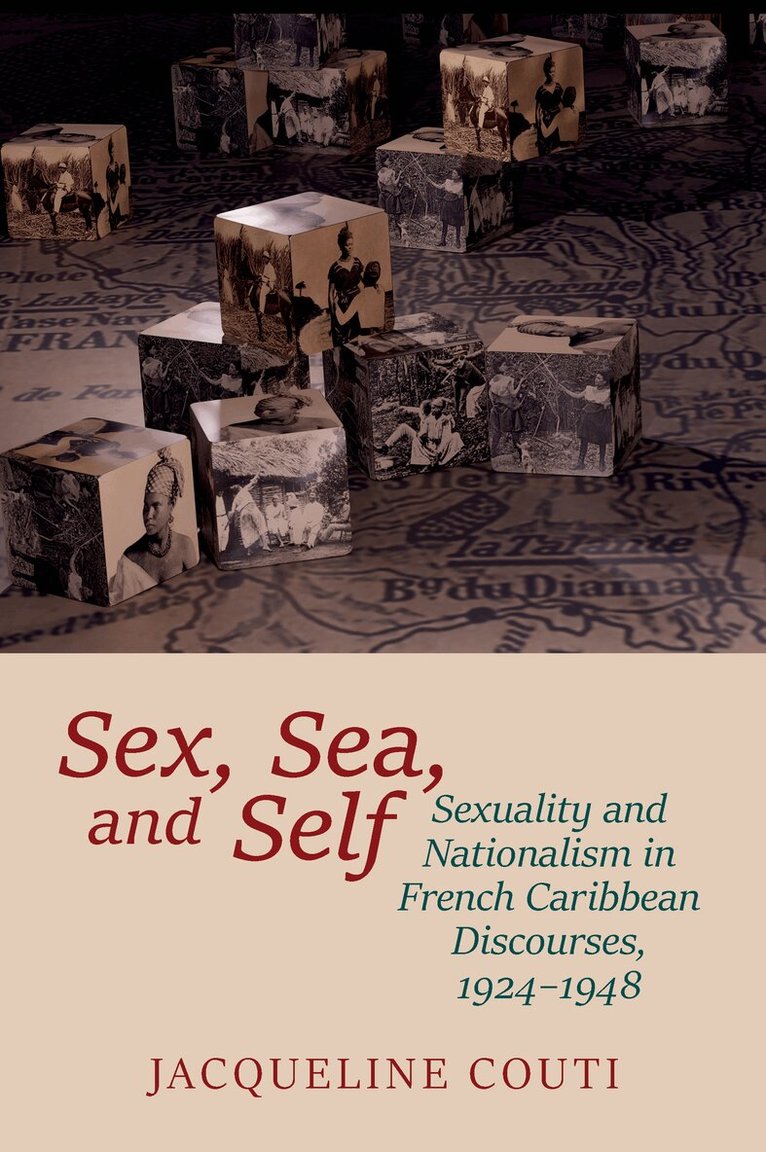
Sex, Sea, and Self reassesses the place of the French Antilles and French Caribbean literature within current postcolonial thought and visions of the Black Atlantic. Using a feminist lens, this study examines neglected twentieth-century French texts by Black writers from Martinique and Guadeloupe, making the analysis of some of these texts available to readers of English for the first time. This interdisciplinary study of female and male authors reconsiders their political strategies and the critical role of French creoles in the creation of their own history. This approach recalibrates overly simplistic understandings of the victimization and alienation of French Caribbean people. In the systems of cultural production under consideration, sexuality constitutes an instrument of political and cultural consciousness in the chaotic period between 1924 and 1948. Studying sexual imagery constructed around female bodies demonstrates the significance of agency and the legacy of the past in cultural resistance and political awareness. Sex, Sea, and Self particularly highlights Antillean women intellectuals’ theoretical contributions to Caribbean critical theory. Therefore, this analysis illuminates debates on the multifaceted and conflicted relationships between France and its overseas departments and expands ideas of nationhood in the Black Atlantic and the Americas.
Del 105 - Contemporary French and Francophone Cultures
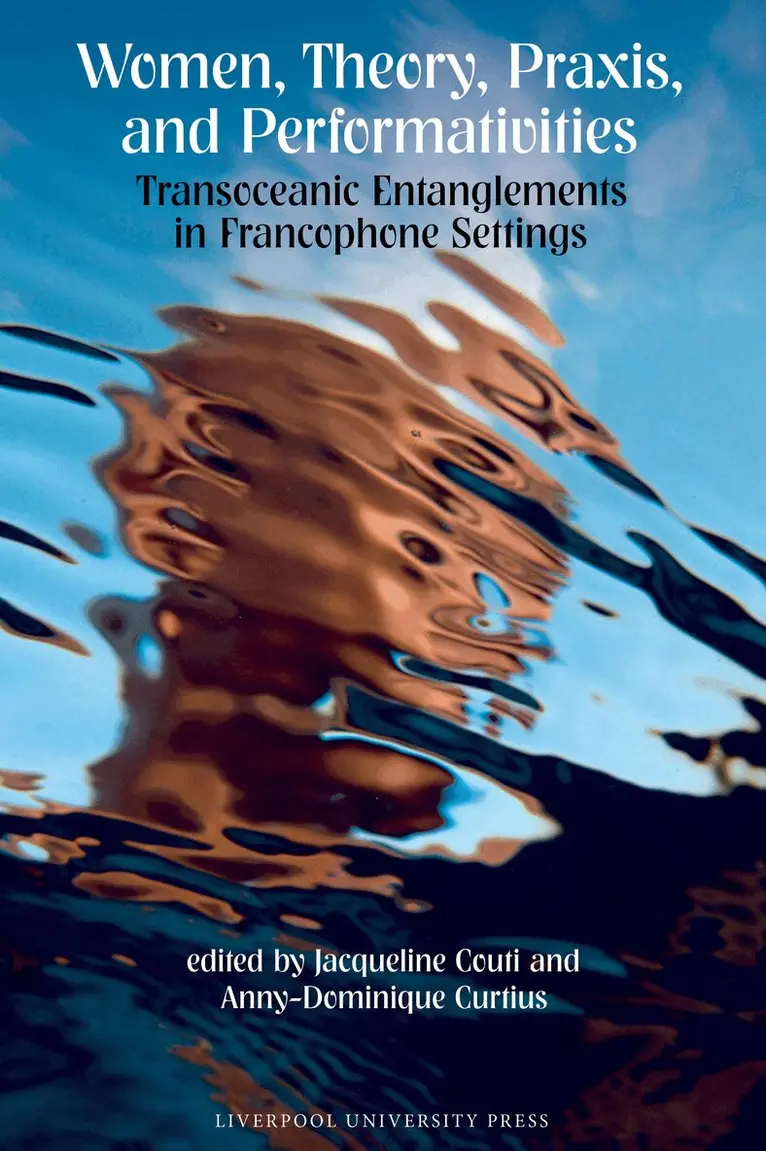
Women, Theory, Praxis, and Performativities
Transoceanic Entanglements in Francophone Settings
Häftad, Engelska, 2025
446 kr
Skickas inom 5-8 vardagar
An Open Access edition of this book is available on the Liverpool University Press website and the OAPEN library.Women, Theory, Praxis, and Performativities: Transoceanic Entanglements in Francophone Settings bridges the gap between the Caribbean, the Indian Ocean and the Pacific. It collectively fosters new transoceanic modes of thinking to reframe postcolonial debates and reveal the interconnected dialogues led by women from former French colonies and post-contact island territories. Thus, the volume unsettles the male agenda (captains, missionaries, mariners, ethnographers), and pays attention to the ways in which artists, writers, and activists have theorized or poetized women and the seas, reclaimed agency and created transformative possibilities. To critically map out a gendered conversation with the ocean, the contributors explore activisms and feminisms, intersectional praxes of care, ecological and health impacts of nuclear radiation and chlordecone contamination, queerness, decolonizing dance, the unsettling of official archives and female tidalectical corporeality and embodiments, Mā'ohi epistemologies and ontologies, silence as empowerment against colonial violence, forced migration and vulnerability.The volume’s overarching approach belongs to a “politics of refusal” which brings forth formerly discarded archives and discredited sites of knowledge to counter ideologies and doctrinal apparatus that promote forgetting or erasure among non-sovereign populations.In exploring transoceanic feminine spaces as vital sites of knowledge production, this interdisciplinary collaboration aims to ensure that readers actively engage with feminine praxes, understanding their significance not only as theoretical constructs but as lived experiences (re)occupying, (re)appropriating and transcending patriarchal and postcolonial spaces.