Jacqueline Leonard - Böcker
Visar alla böcker från författaren Jacqueline Leonard. Handla med fri frakt och snabb leverans.
8 produkter
8 produkter
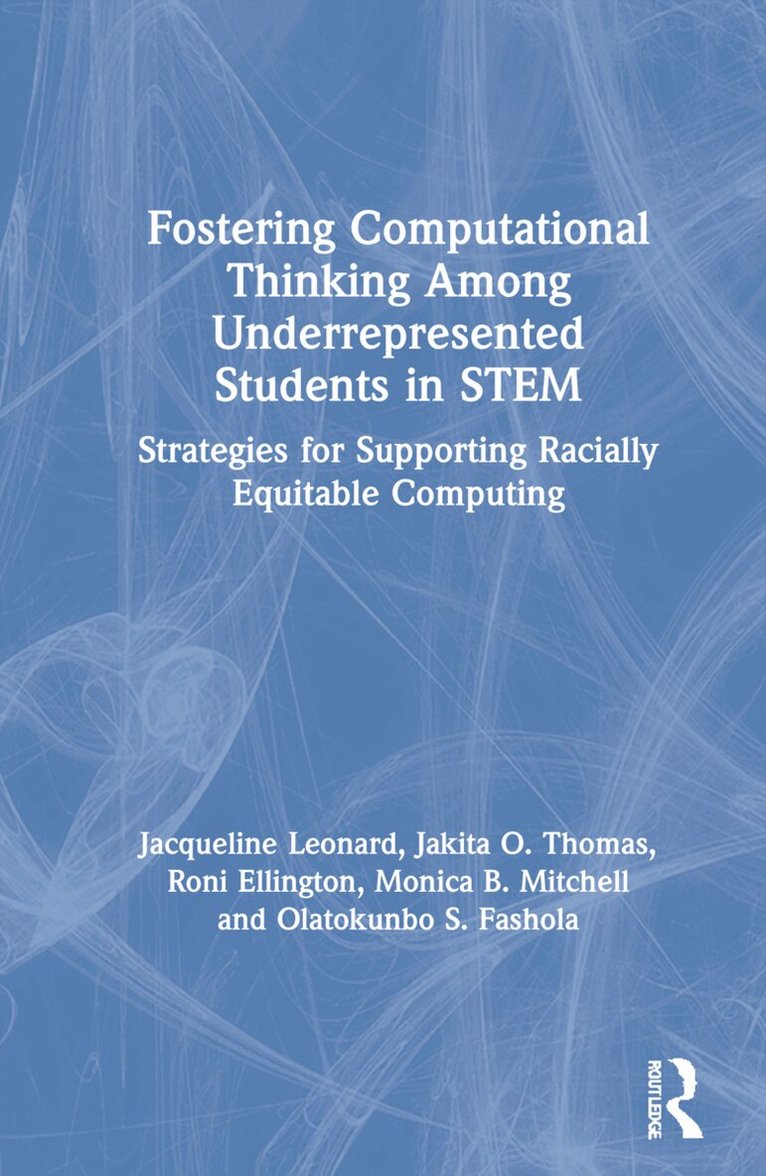
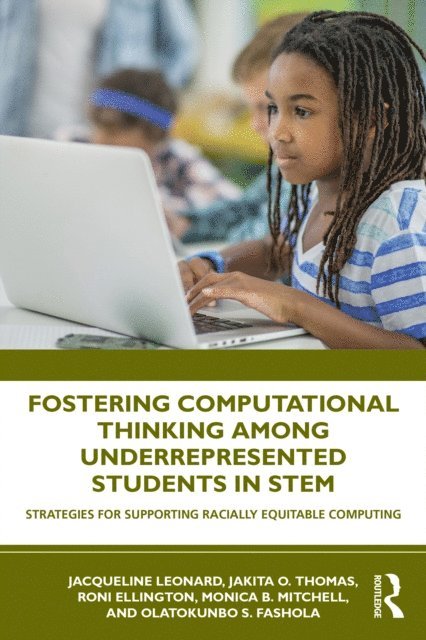
Fostering Computational Thinking Among Underrepresented Students in STEM
Strategies for Supporting Racially Equitable Computing
Inbunden, Engelska, 2021
2 045 kr
Skickas inom 10-15 vardagar
This book broadly educates preservice teachers and scholars about current research on computational thinking (CT). More specifically, attention is given to computational algorithmic thinking (CAT), particularly among underrepresented K–12 student groups in STEM education. Computational algorithmic thinking (CAT)—a precursor to CT—is explored in this text as the ability to design, implement, and evaluate the application of algorithms to solve a variety of problems. Drawing on observations from research studies that focused on innovative STEM programs, including underrepresented students in rural, suburban, and urban contexts, the authors reflect on project-based learning experiences, pedagogy, and evaluation that are conducive to developing advanced computational thinking, specifically among diverse student populations.This practical text includes vignettes and visual examples to illustrate how coding, computer modeling, robotics, and drones may be used to promote CT and CAT among students in diverse classrooms.
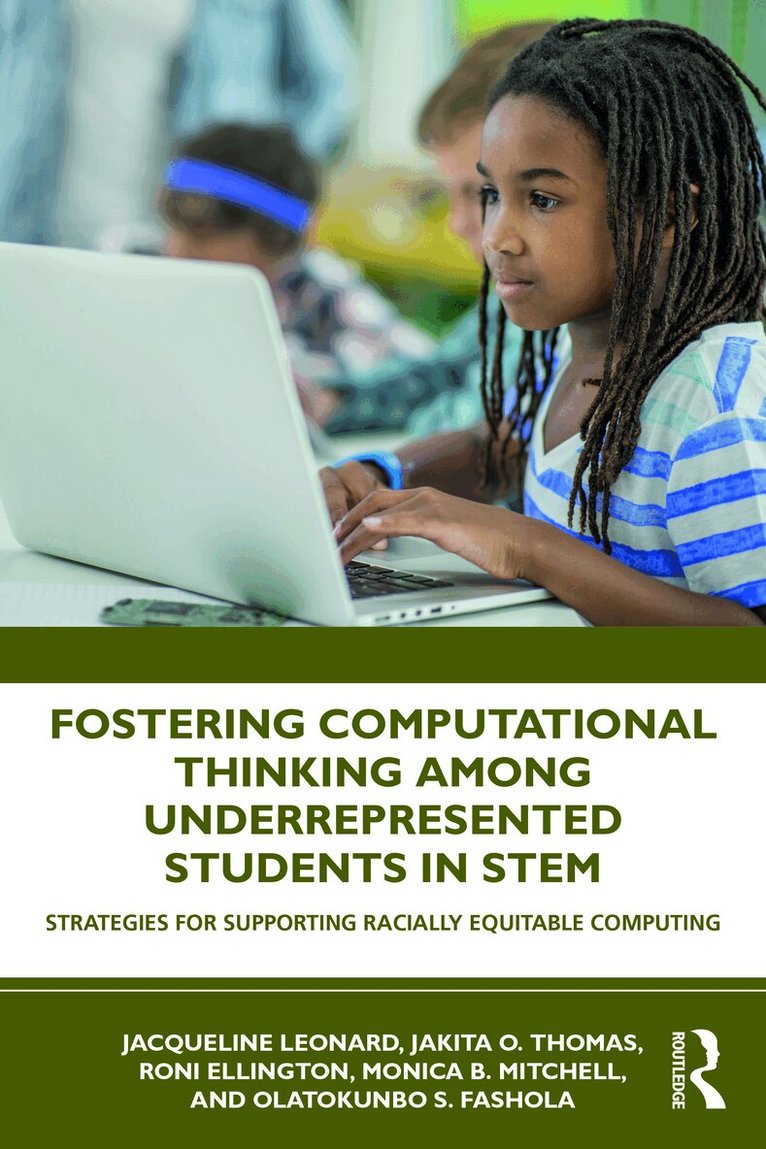
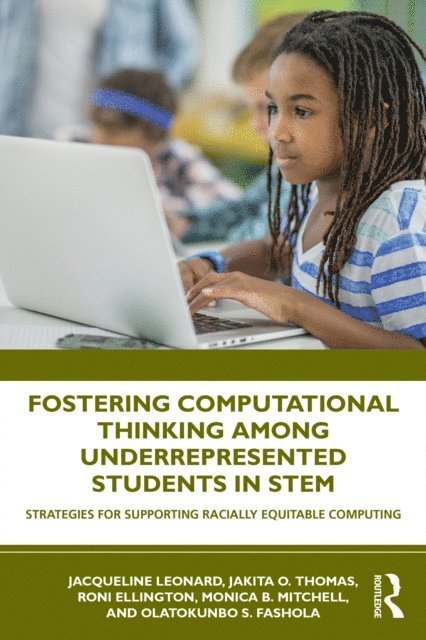
Fostering Computational Thinking Among Underrepresented Students in STEM
Strategies for Supporting Racially Equitable Computing
Häftad, Engelska, 2021
559 kr
Skickas inom 10-15 vardagar
This book broadly educates preservice teachers and scholars about current research on computational thinking (CT). More specifically, attention is given to computational algorithmic thinking (CAT), particularly among underrepresented K–12 student groups in STEM education. Computational algorithmic thinking (CAT)—a precursor to CT—is explored in this text as the ability to design, implement, and evaluate the application of algorithms to solve a variety of problems. Drawing on observations from research studies that focused on innovative STEM programs, including underrepresented students in rural, suburban, and urban contexts, the authors reflect on project-based learning experiences, pedagogy, and evaluation that are conducive to developing advanced computational thinking, specifically among diverse student populations.This practical text includes vignettes and visual examples to illustrate how coding, computer modeling, robotics, and drones may be used to promote CT and CAT among students in diverse classrooms.
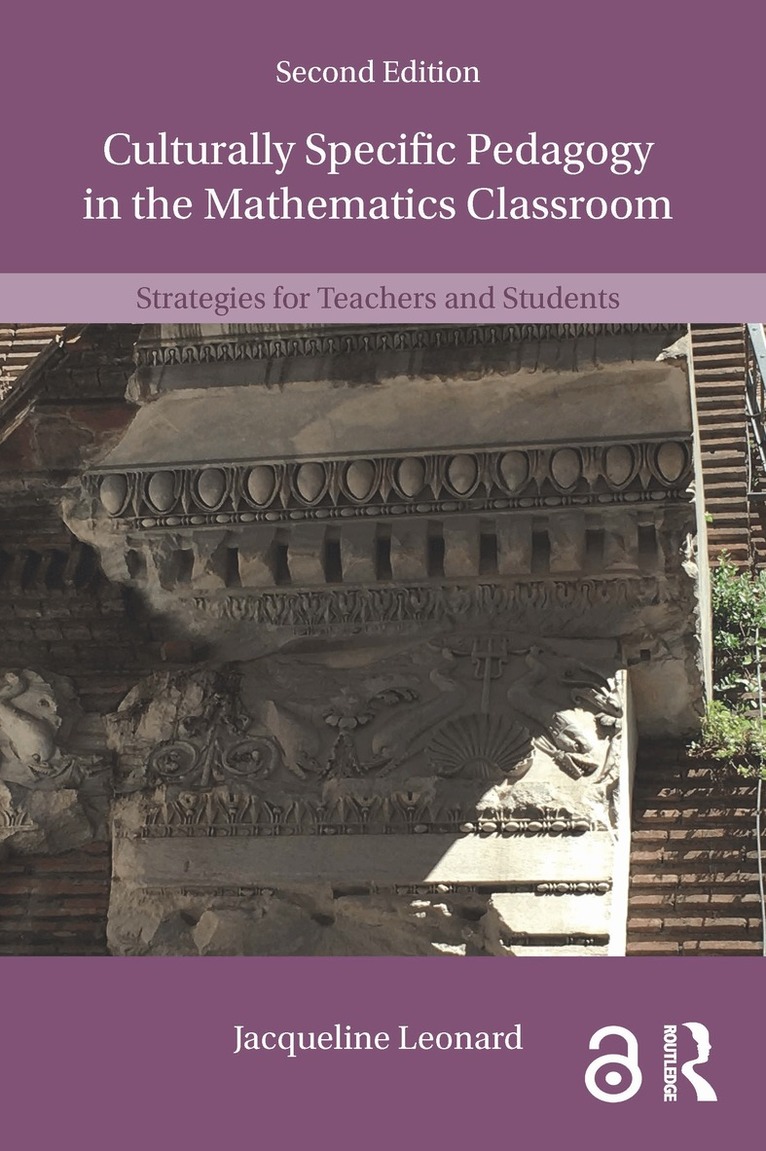
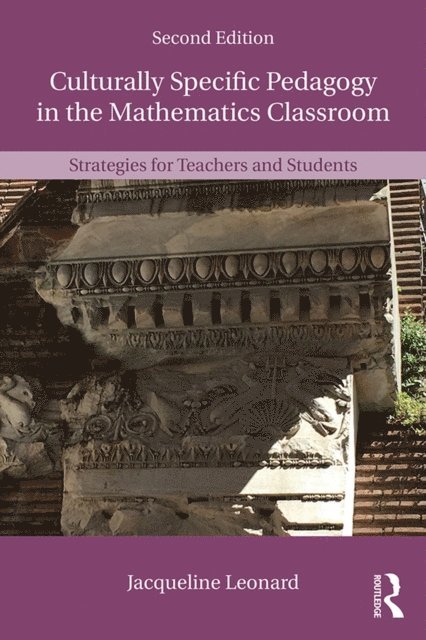
Culturally Specific Pedagogy in the Mathematics Classroom
Strategies for Teachers and Students
Häftad, Engelska, 2018
641 kr
Skickas inom 10-15 vardagar
Advocating for the use of culturally specific pedagogy to enhance the mathematics instruction of diverse students, this revised second edition offers a wide variety of conceptual and curricular resources for teaching mathematics in a way that combats and confronts the forms of oppression that students face today. Addressing stratification based on race, class, and gender, Leonard offers lesson templates that teachers can use with ethnically and culturally diverse students and makes the link between research and practice. Connecting cutting-edge and emerging technologies to culturally specific pedagogy, the second edition features new chapters on mathematics and social justice, robotics, and spatial visualization. Applying a more expansive focus, the new edition discusses current movements such as Black Lives Matter and incorporates examples of rural and tribal students to paint a broader picture of what culturally rich mathematics classrooms actually look like. The text builds on sociocultural theory and research on culture and mathematics cognition to extend the literature and better understand minority students’ goals and learning needs. Including new discussion questions and new examples, lessons, and vignettes of integrating culture in the mathematics classroom, this book employs pedagogical research to field-test new instructional methods for culturally diverse and female students.Chapter 8 of this book is freely available as a downloadable Open Access PDF at http://www.taylorfrancis.com under a Creative Commons Attribution-Non Commercial-No Derivatives (CC-BY-NC-ND) 4.0 license.
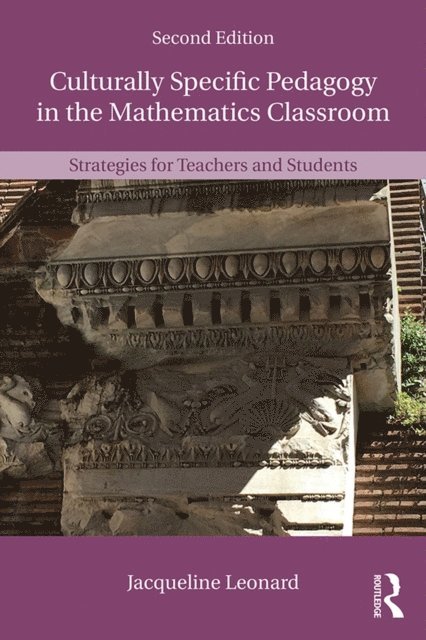
Culturally Specific Pedagogy in the Mathematics Classroom
Strategies for Teachers and Students
Inbunden, Engelska, 2018
2 053 kr
Skickas inom 10-15 vardagar
Advocating for the use of culturally specific pedagogy to enhance the mathematics instruction of diverse students, this revised second edition offers a wide variety of conceptual and curricular resources for teaching mathematics in a way that combats and confronts the forms of oppression that students face today. Addressing stratification based on race, class, and gender, Leonard offers lesson templates that teachers can use with ethnically and culturally diverse students and makes the link between research and practice. Connecting cutting-edge and emerging technologies to culturally specific pedagogy, the second edition features new chapters on mathematics and social justice, robotics, and spatial visualization. Applying a more expansive focus, the new edition discusses current movements such as Black Lives Matter and incorporates examples of rural and tribal students to paint a broader picture of what culturally rich mathematics classrooms actually look like. The text builds on sociocultural theory and research on culture and mathematics cognition to extend the literature and better understand minority students’ goals and learning needs. Including new discussion questions and new examples, lessons, and vignettes of integrating culture in the mathematics classroom, this book employs pedagogical research to field-test new instructional methods for culturally diverse and female students.Chapter 8 of this book is freely available as a downloadable Open Access PDF at http://www.taylorfrancis.com under a Creative Commons Attribution-Non Commercial-No Derivatives (CC-BY-NC-ND) 4.0 license.
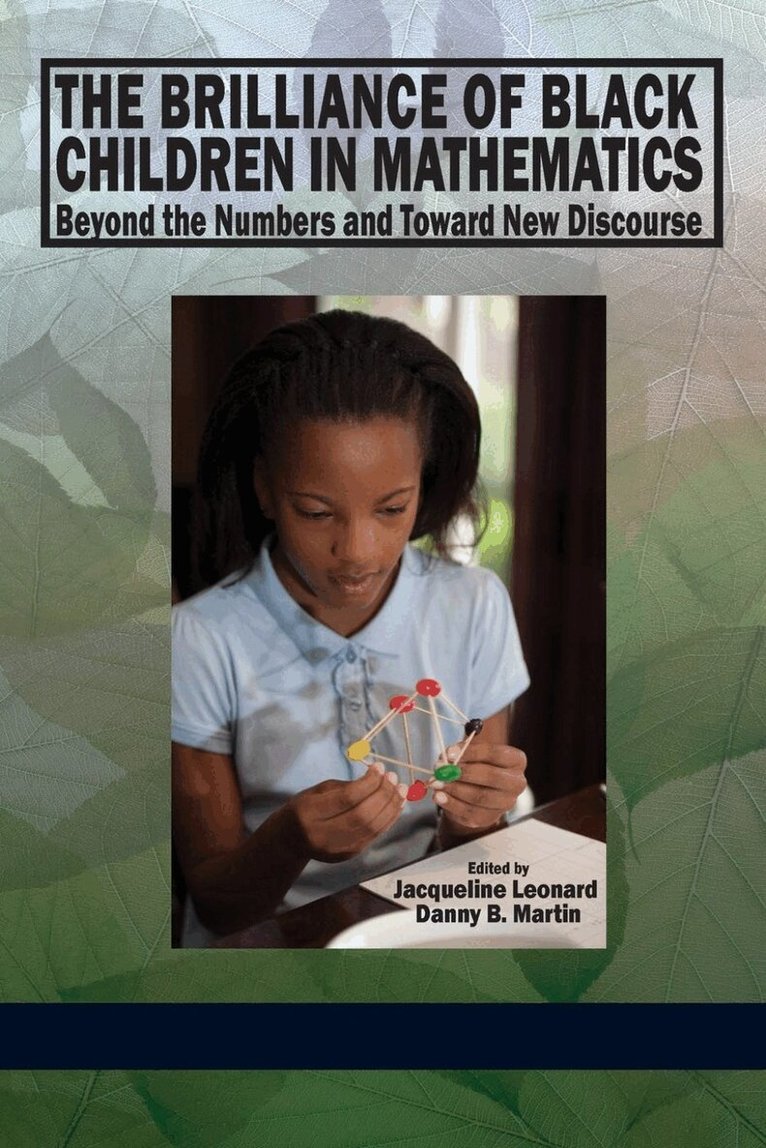
Brilliance of Black Children in Mathematics
Beyond the Numbers and Toward New Discourse
Häftad, Engelska, 2013
645 kr
Skickas inom 7-10 vardagar
This book is a critically important contribution to the work underway to transform schooling for students who have historically been denied access to a quality education, specifically African American children. The first section of the book provides some historical perspective critical to understanding the current state of education in the U.S., specifically for the education of African American children. The following sections include chapters on policy, learning, ethnomathematics, student identity, and teacher preparation as it relates to the mathematical education of Black children. Through offering “counternarratives” about mathematically successful Black youth, advocating for a curriculum that is grounded in African American culture and ways of thinking, providing shining examples of the brilliance of Blacks students, and promoting high expectations for all rather than situating students as the problem, the authors of this book provide powerful insights related to the teaching and learning of mathematics for African American students. As is made evident in this book, effective teaching involves much more than just engaging students in inquiry-based pedagogy (Kitchen, 2003). The chapters offered in this book demonstrate how mathematics instruction for African American students needs to take into account historical marginalization and present-day policies that do harm to Black students (Kunjufu, 2005). Empowering mathematics instruction for African American students needs to take into consideration and promote students’ cultural, spiritual, and historical identities. Furthermore, mathematics instruction for African American students should create opportunities for students to express themselves and the needs of their communities as a means to promote social justice both within their classrooms and communities.
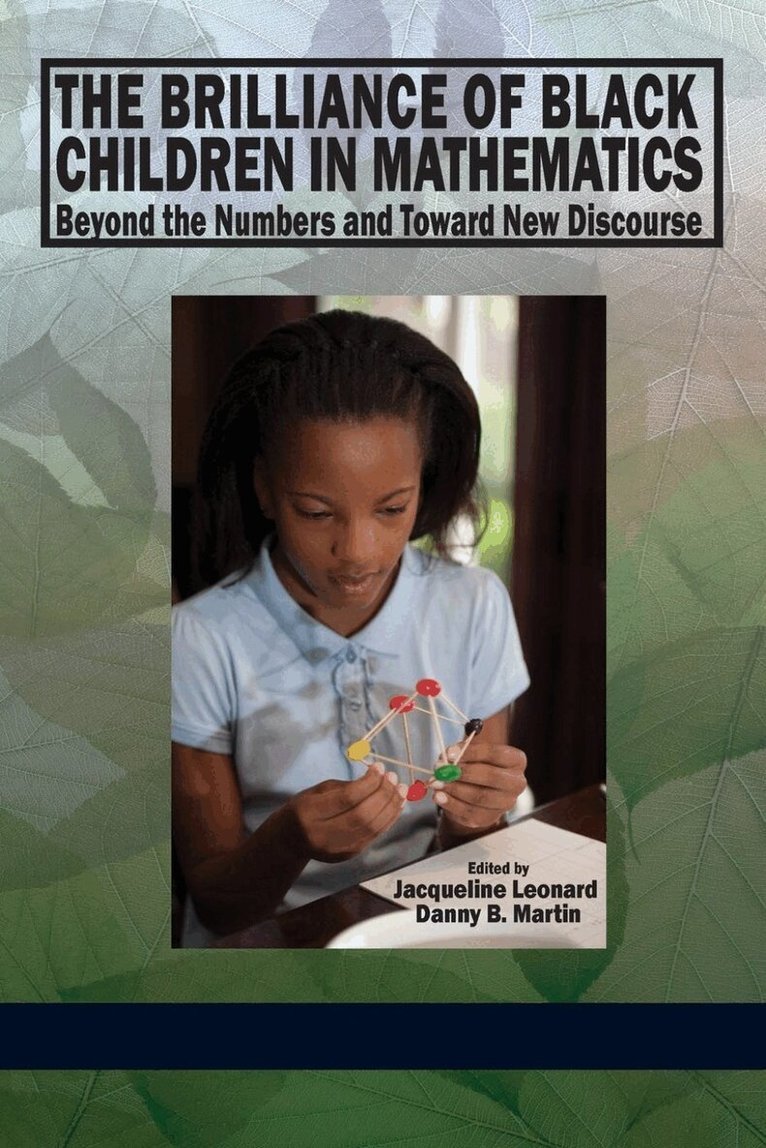
Brilliance of Black Children in Mathematics
Beyond the Numbers and Toward New Discourse
Inbunden, Engelska, 2013
1 096 kr
Skickas inom 7-10 vardagar
This book is a critically important contribution to the work underway to transform schooling for students who have historically been denied access to a quality education, specifically African American children. The first section of the book provides some historical perspective critical to understanding the current state of education in the U.S., specifically for the education of African American children. The following sections include chapters on policy, learning, ethnomathematics, student identity, and teacher preparation as it relates to the mathematical education of Black children. Through offering “counternarratives” about mathematically successful Black youth, advocating for a curriculum that is grounded in African American culture and ways of thinking, providing shining examples of the brilliance of Blacks students, and promoting high expectations for all rather than situating students as the problem, the authors of this book provide powerful insights related to the teaching and learning of mathematics for African American students. As is made evident in this book, effective teaching involves much more than just engaging students in inquiry-based pedagogy (Kitchen, 2003). The chapters offered in this book demonstrate how mathematics instruction for African American students needs to take into account historical marginalization and present-day policies that do harm to Black students (Kunjufu, 2005). Empowering mathematics instruction for African American students needs to take into consideration and promote students’ cultural, spiritual, and historical identities. Furthermore, mathematics instruction for African American students should create opportunities for students to express themselves and the needs of their communities as a means to promote social justice both within their classrooms and communities.
2 294 kr
Skickas inom 5-8 vardagar
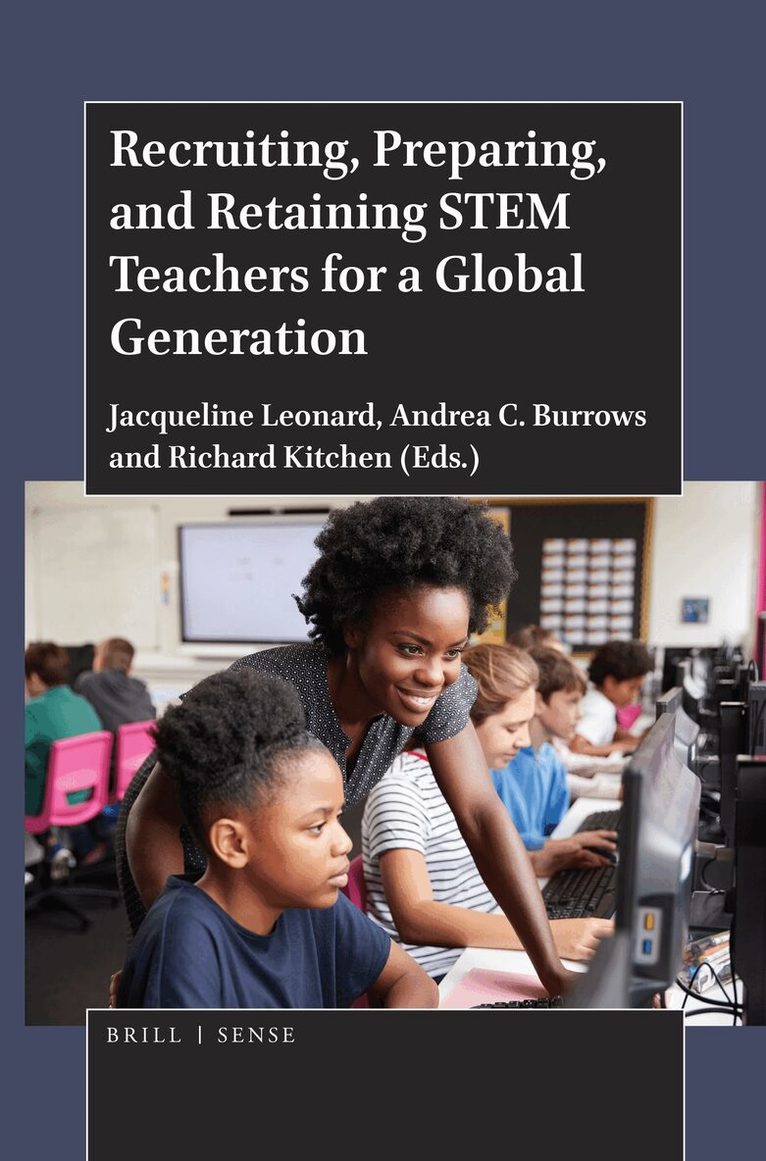
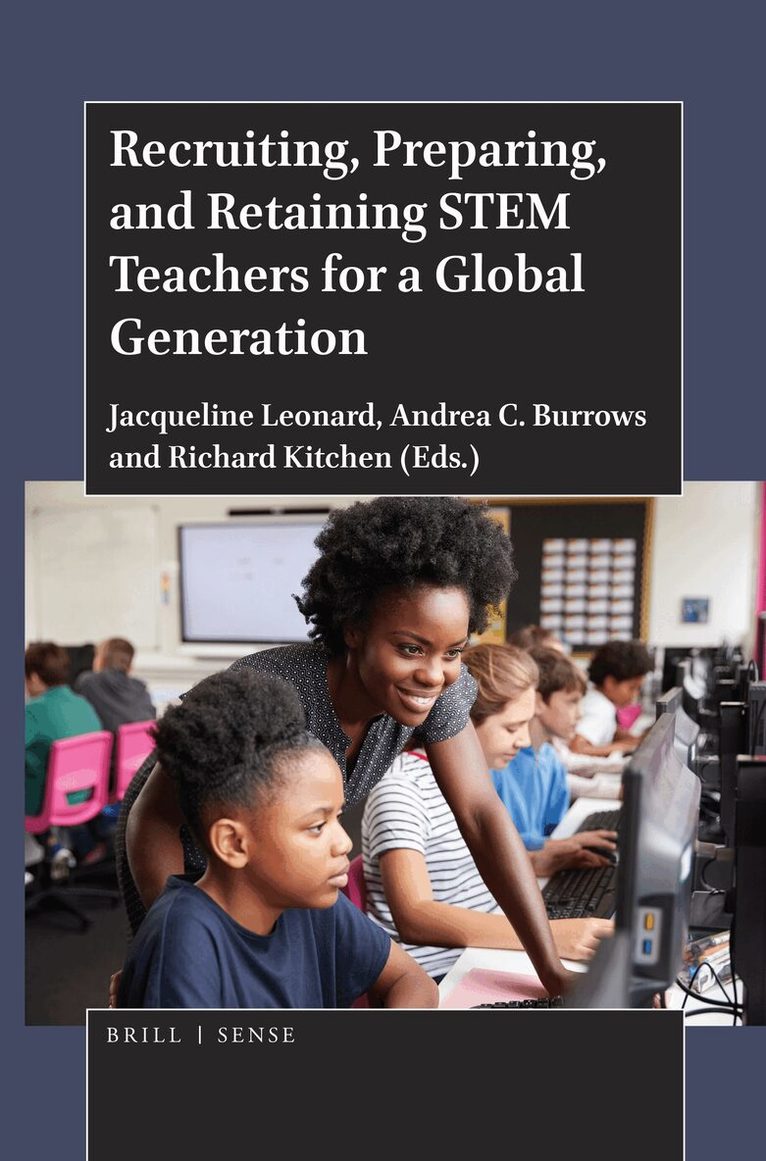
There is a critical need to prepare diverse teachers with expertise in science, technology, engineering, and mathematics (STEM) with the skills necessary to work effectively with underrepresented K-12 students. Three major goals of funded STEM programs are to attract and prepare students at all educational levels to pursue coursework in the STEM content areas, to prepare graduates to pursue careers in STEM fields, and to improve teacher education programs in the STEM content areas. Drawing upon these goals as the framework for Recruiting, Preparing, and Retaining STEM Teachers for a Global Generation, the 15 chapters contained herein highlight both the challenges and successes of recruiting, preparing, and sustaining novice teachers in the STEM content areas in high-need schools.Recruiting, retaining and sustaining highly-qualified teachers with expertise in STEM content areas to work in hard-to-staff schools and geographic areas are necessary to equalize educational opportunities for rural and urban Title 1 students. High teacher turnover rates, in combination with teachers working out-of-field, leave many students without highly-qualified teachers in STEM fields. Most of the chapters in this volume were prepared by scholars who received NSF funding through Noyce and are engaged in addressing research questions related to these endeavours.Contributors are: Lillie R. Albert, Cynthia Anhalt, Saman A. Aryana, Joy Barnes-Johnson, Lora Bartlett, Brezhnev Batres, Diane Bonilla, Patti Brosnan, Andrea C. Burrows, Alan Buss, Laurie O. Campbell, Phil Cantor, Michelle T. Chamberlin, Scott A. Chamberlin, Marta Civil, Lin Ding, Teresa Dunleavy, Belinda P. Edwards, Jennifer A. Eli, Joshua Ellis, Adrian Epps, Anne Even, Angela Frausto, Samantha Heller, Karen E. Irving, Heather Johnson, Nicole M. Joseph, Richard Kitchen, Karen Kuhel, Marina Lazic, Jacqueline Leonard, Rebecca H. McGraw, Daniel Morales-Doyle, Sultana N. Nahar, Justina Ogodo, Anil K. Pradhan, Carolina Salinas, David Segura, Lynette Gayden Thomas, Alisun Thompson, Maria Varelas, Dorothy Y. White, Desha Williams, and Ryan Ziols.
990 kr
Skickas inom 5-8 vardagar
There is a critical need to prepare diverse teachers with expertise in science, technology, engineering, and mathematics (STEM) with the skills necessary to work effectively with underrepresented K-12 students. Three major goals of funded STEM programs are to attract and prepare students at all educational levels to pursue coursework in the STEM content areas, to prepare graduates to pursue careers in STEM fields, and to improve teacher education programs in the STEM content areas. Drawing upon these goals as the framework for Recruiting, Preparing, and Retaining STEM Teachers for a Global Generation, the 15 chapters contained herein highlight both the challenges and successes of recruiting, preparing, and sustaining novice teachers in the STEM content areas in high-need schools.Recruiting, retaining and sustaining highly-qualified teachers with expertise in STEM content areas to work in hard-to-staff schools and geographic areas are necessary to equalize educational opportunities for rural and urban Title 1 students. High teacher turnover rates, in combination with teachers working out-of-field, leave many students without highly-qualified teachers in STEM fields. Most of the chapters in this volume were prepared by scholars who received NSF funding through Noyce and are engaged in addressing research questions related to these endeavours.Contributors are: Lillie R. Albert, Cynthia Anhalt, Saman A. Aryana, Joy Barnes-Johnson, Lora Bartlett, Brezhnev Batres, Diane Bonilla, Patti Brosnan, Andrea C. Burrows, Alan Buss, Laurie O. Campbell, Phil Cantor, Michelle T. Chamberlin, Scott A. Chamberlin, Marta Civil, Lin Ding, Teresa Dunleavy, Belinda P. Edwards, Jennifer A. Eli, Joshua Ellis, Adrian Epps, Anne Even, Angela Frausto, Samantha Heller, Karen E. Irving, Heather Johnson, Nicole M. Joseph, Richard Kitchen, Karen Kuhel, Marina Lazic, Jacqueline Leonard, Rebecca H. McGraw, Daniel Morales-Doyle, Sultana N. Nahar, Justina Ogodo, Anil K. Pradhan, Carolina Salinas, David Segura, Lynette Gayden Thomas, Alisun Thompson, Maria Varelas, Dorothy Y. White, Desha Williams, and Ryan Ziols.