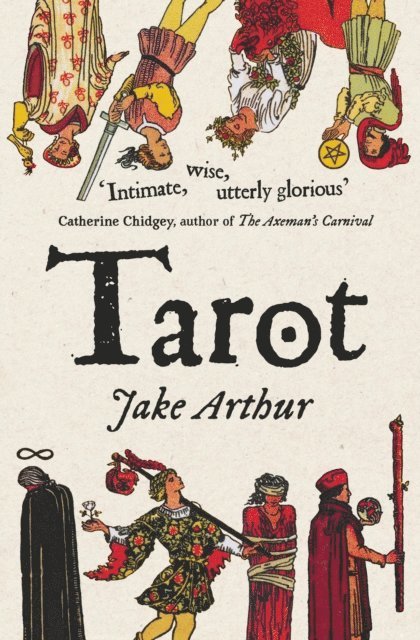
Here are the cards. Put your hand on them,Close your eyes. You don'' t want to?But you are blind with them open.Jake Arthur'' s beguiling second poetry collection opens with a tarot reader coaxing us into a reading over a cup of tea. And in a rush of vivid scenes and impressions, we begin to imagine episodes from different lives – a woman tries to train a robin; parents anxiously attend a teacher– parent interview; a man is cast overboard and wonders if he will ever be found. Each card prompts a new character to mull over their uncertainties, hopes, obstacles and joys.Loosely inspired by the illustrations of the famous 1909 Rider-Waite tarot deck, with its riotous depictions of magicians, occultists, lovers, fools and angels, these poems have us grappling our way towards a clear path.
A system of government primary schools for Maori children created by Parliament in 1867 was regarded as a temporary measure until they learnt English and were Europeanised. But it lasted for 100 years despite criticisms of ‘ separatism'' and ‘ pampering'' of Maori.Official policies for the schools reflected European attitudes towards Maori, including the view that they were particularly suited to a practical, non-academic type of schooling leading to manual and domestic occupations. The policy of assimilation, designed to turn Maori into brown Europeans, was not modified until the 1930s when a cultural renaissance led by Apirana Ngata, combined with influences from anthropology and Britain'' s African education policies, contributed to a limited form of bi-culturalism.
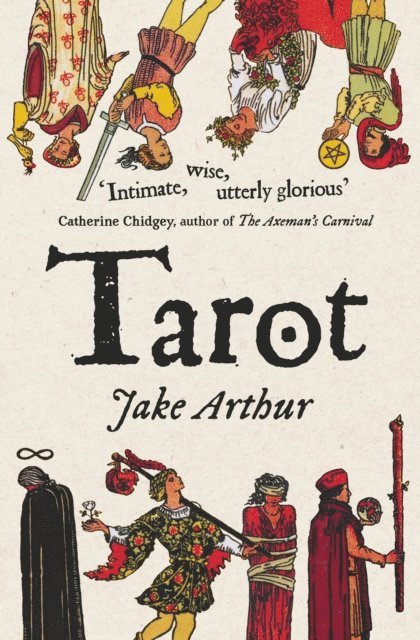
Here are the cards. Put your hand on them,Close your eyes. You don'' t want to?But you are blind with them open.Jake Arthur'' s beguiling second poetry collection opens with a tarot reader coaxing us into a reading over a cup of tea. And in a rush of vivid scenes and impressions, we begin to imagine episodes from different lives – a woman tries to train a robin; parents anxiously attend a teacher– parent interview; a man is cast overboard and wonders if he will ever be found. Each card prompts a new character to mull over their uncertainties, hopes, obstacles and joys.Loosely inspired by the illustrations of the famous 1909 Rider-Waite tarot deck, with its riotous depictions of magicians, occultists, lovers, fools and angels, these poems have us grappling our way towards a clear path.
A system of government primary schools for Maori children created by Parliament in 1867 was regarded as a temporary measure until they learnt English and were Europeanised. But it lasted for 100 years despite criticisms of ‘ separatism'' and ‘ pampering'' of Maori.Official policies for the schools reflected European attitudes towards Maori, including the view that they were particularly suited to a practical, non-academic type of schooling leading to manual and domestic occupations. The policy of assimilation, designed to turn Maori into brown Europeans, was not modified until the 1930s when a cultural renaissance led by Apirana Ngata, combined with influences from anthropology and Britain'' s African education policies, contributed to a limited form of bi-culturalism.