James A. Diamond - Böcker
Visar alla böcker från författaren James A. Diamond. Handla med fri frakt och snabb leverans.
6 produkter
6 produkter
1 975 kr
Skickas inom 5-8 vardagar
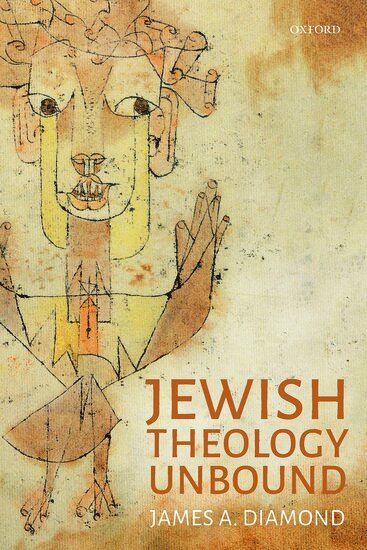
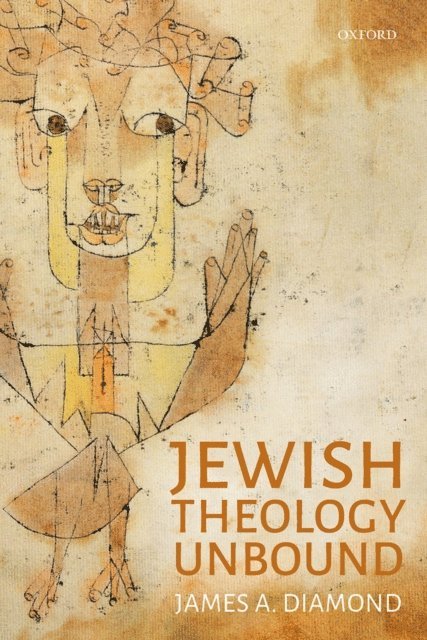
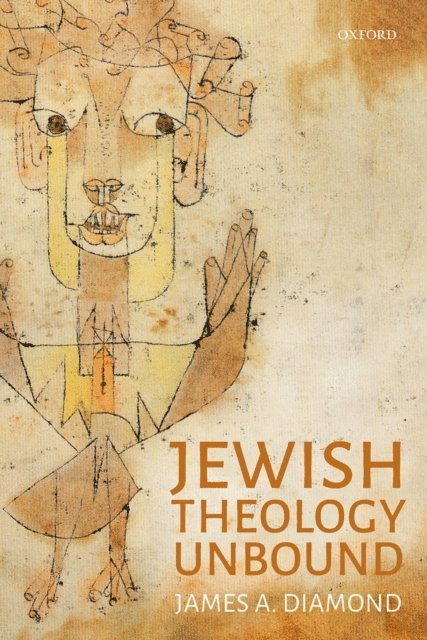
Jewish Theology Unbound challenges the widespread misinterpretation of Judaism as a religion of law as opposed to theology. James A. Diamond provides close readings of the Bible, classical rabbinic texts, Jewish philosophers, and mystics from the ancient, medieval, and modern period, which communicate a profound Jewish philosophical theology on human nature, God, and the relationship between the two.The study begins with an examination of questioning in the Hebrew Bible, demonstrating that what the Bible encourages is independent philosophical inquiry into how to situate oneself in the world ethically, spiritually, and teleologically. It explores such themes as the nature of God through the various names by which God is known in the Jewish intellectual tradition, love of others and of God, death, martyrdom, freedom, angels, the philosophical quest, the Holocaust, and the state of Israel, all in light of the Hebrew Bible and the way it is filtered through the rabbinic, philosophical, and mystical traditions.
514 kr
Skickas inom 10-15 vardagar
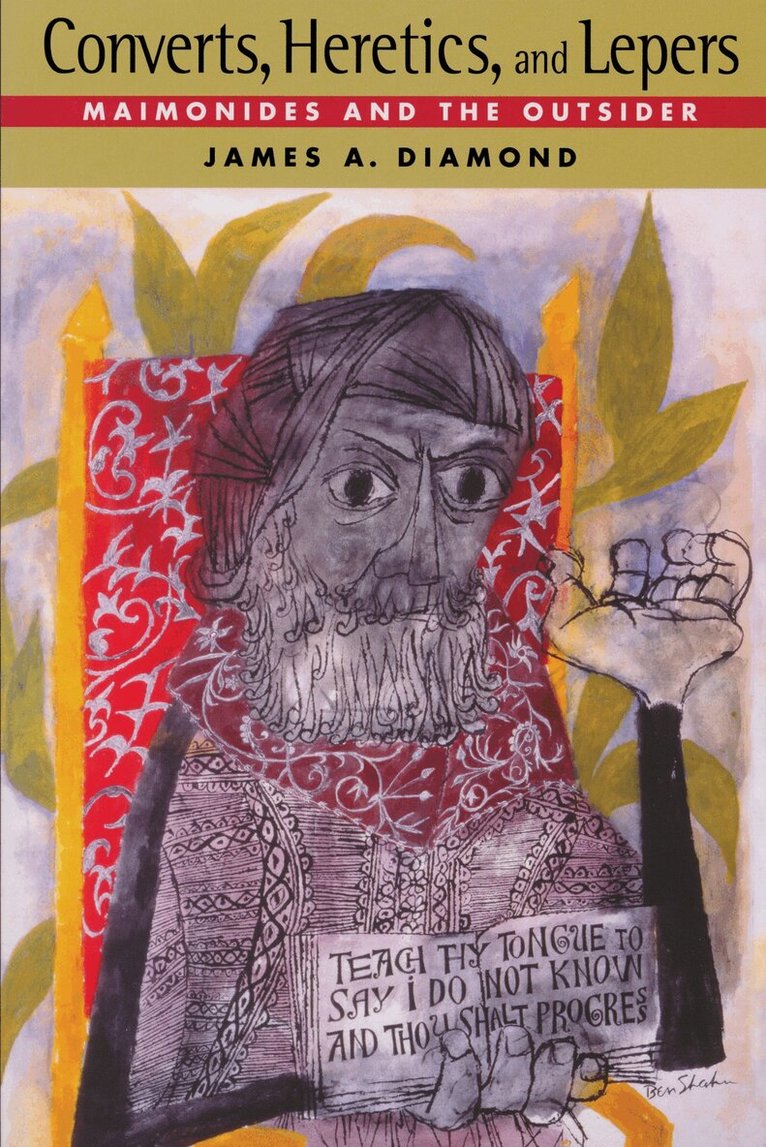
James Diamond's new book consists of a series of studies addressing Moses Maimonides' (1138–1204) appropriation of marginal figures—lepers, converts, heretics, and others—normally considered on the fringes of society and religion. Each chapter focuses on a type or character that, in Maimonides' hands, becomes a metaphor for a larger, more substantive theological and philosophical issue. Diamond offers a close reading of key texts, such as the Guide of the Perplexed and the Mishneh Torah, demonstrating the importance of integrating Maimonides' legal and philosophical writings.Converts, Heretics, and Lepers fills an important void in Jewish studies by focusing on matters of exegesis and hermeneutics as well as philosophical concerns. Diamond's alternative reading of central topics in Maimonides suggests that literary appreciation is a key to deciphering Maimonides' writings in particular and Jewish exegetical texts in general.
1 258 kr
Skickas inom 7-10 vardagar
Jewish thought since the Middle Ages can be regarded as a sustained dialogue with Moses Maimonides, regardless of the different social, cultural, and intellectual environments in which it was conducted. Much of Jewish intellectual history can be viewed as a series of engagements with him, fueled by the kind of 'Jewish' rabbinic and esoteric writing Maimonides practiced. This book examines a wide range of theologians, philosophers, and exegetes who share a passionate engagement with Maimonides, assaulting, adopting, subverting, or adapting his philosophical and jurisprudential thought. This ongoing enterprise is critical to any appreciation of the broader scope of Jewish law, philosophy, biblical interpretation, and Kabbalah. Maimonides's legal, philosophical, and exegetical corpus became canonical in the sense that many subsequent Jewish thinkers were compelled to struggle with it in order to advance their own thought. As such, Maimonides joins fundamental Jewish canon alongside the Bible, the Talmud, and the Zohar.
428 kr
Skickas inom 7-10 vardagar
Jewish thought since the Middle Ages can be regarded as a sustained dialogue with Moses Maimonides, regardless of the different social, cultural, and intellectual environments in which it was conducted. Much of Jewish intellectual history can be viewed as a series of engagements with him, fueled by the kind of 'Jewish' rabbinic and esoteric writing Maimonides practiced. This book examines a wide range of theologians, philosophers, and exegetes who share a passionate engagement with Maimonides, assaulting, adopting, subverting, or adapting his philosophical and jurisprudential thought. This ongoing enterprise is critical to any appreciation of the broader scope of Jewish law, philosophy, biblical interpretation, and Kabbalah. Maimonides's legal, philosophical, and exegetical corpus became canonical in the sense that many subsequent Jewish thinkers were compelled to struggle with it in order to advance their own thought. As such, Maimonides joins fundamental Jewish canon alongside the Bible, the Talmud, and the Zohar.
502 kr
Skickas inom 7-10 vardagar
Every work on Jewish thought and law since the twelfth century bears the imprint of Maimonides. A. N. Whitehead’s famous dictum that the entire European philosophical tradition ‘consists of a series of footnotes to Plato’ could equally characterize Maimonides’ place in the Jewish tradition. The critical studies in this volume explore how Orthodox rabbis of different orientations—Shlomo Aviner, Naftali Zvi Yehudah Berlin (Netziv), Kalonymus Kalman Shapira, Joseph Kafih, Abraham Isaac Kook, Aaron Kotler, Joseph Soloveitchik, and Elhanan Wasserman—have read and provided footnotes to Maimonides in the long twentieth century. How well did they really understand Maimonides? And where do their arguments fit in the mainstream debates about him and his works? Each of the seven core chapters examines a particular approach. Some rabbis have tried to liberate themselves from the influence of his ideas. Others have sought to build on those ideas or expand them in ways which Maimonides himself did not pursue, and which he may well not have agreed with. Still others advance patently non-Maimonidean positions, while attributing them to none other than Maimonides. Above all, the essays published here demonstrate that his legacy remains vibrantly alive today.
621 kr
Skickas inom 7-10 vardagar
Every work on Jewish thought and law since the twelfth century bears the imprint of Maimonides. A. N. Whitehead’s famous dictum that the entire European philosophical tradition ‘consists of a series of footnotes to Plato’ could equally characterize Maimonides’ place in the Jewish tradition. The critical studies in this volume explore how Orthodox rabbis of different orientations—Shlomo Aviner, Naftali Zvi Yehudah Berlin (Netziv), Kalonymus Kalman Shapira, Joseph Kafih, Abraham Isaac Kook, Aaron Kotler, Joseph Soloveitchik, and Elhanan Wasserman—have read and provided footnotes to Maimonides in the long twentieth century. How well did they really understand Maimonides? And where do their arguments fit in the mainstream debates about him and his works? Each of the seven core chapters examines a particular approach. Some rabbis have tried to liberate themselves from the influence of his ideas. Others have sought to build on those ideas or expand them in ways which Maimonides himself did not pursue, and which he may well not have agreed with. Still others advance patently non-Maimonidean positions, while attributing them to none other than Maimonides. Above all, the essays published here demonstrate that his legacy remains vibrantly alive today.