James A. Hanson – författare
Visar alla böcker från författaren James A. Hanson. Handla med fri frakt och snabb leverans.
4 produkter
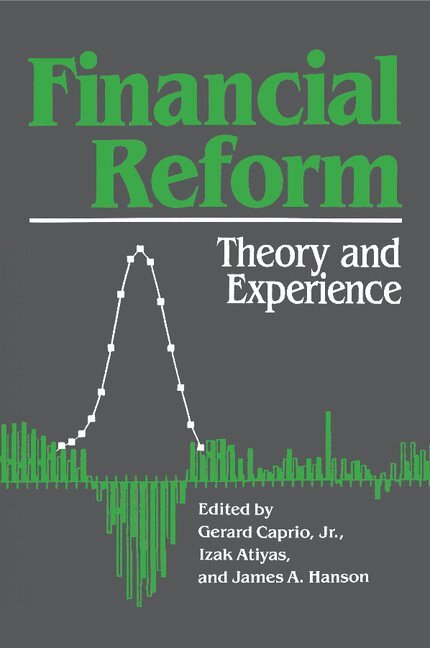
Financial Reform
Theory and Experience
Av Gerard Caprio Jr, Izak Atiyas m. fl.
Häftad, 1996
720 kr
Lägg i varukorg
This book examines the analytical basis and practical experience of financial reforms in a number of primarily developing countries. A key finding is that financial reforms have led to improved resource allocation - an a priori belief not hitherto tested. This finding is consistent with the …
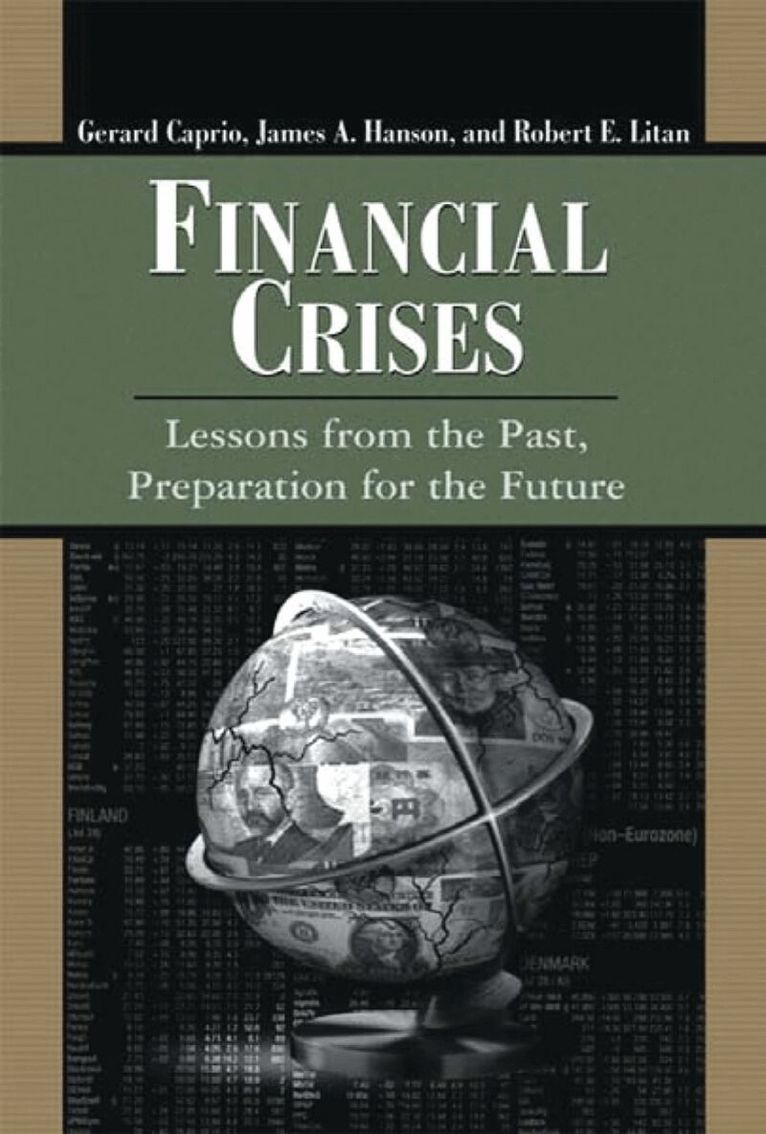
Financial Crises
Lessons from the Past, Preparation for the Future
Av Gerard Caprio Jr., James A. Hanson m. fl.
Häftad, 2005
515 kr
Lägg i varukorg
Throughout the 1990s, numerous financial crises rocked the world financial sector. The Asian bubble burst, for example; Argentina and Brazil suffered currency crises; and the post-Soviet economy bottomed out in Russia. In Financial Crises, a distinguished group of economists and policy analysts …
Financial Crises
Lessons from the Past, Preparation for the Future
Av Gerard Caprio Jr., James A. Hanson m. fl.
E-bok, 2005
578 kr
Lägg i varukorg
Throughout the 1990s, numerous financial crises rocked the world financial sector. The Asian bubble burst, for example; Argentina and Brazil suffered currency crises; and the post-Soviet economy bottomed out in Russia. In Financial Crises, a distinguished group of economists and policy analysts …
Globalization and National Financial Systems
Av Patrick Honohan, James A. Hanson m. fl.
Häftad, 2003
344 kr
Tillfälligt slut
The impact of globalization on developing economies is the defining economic theme, as is reflected in an explosion of globalization-related research. This work covers the interaction of the main segments of developing countries' financial sector with global financial markets and its implications.