James A. Yunker – författare
Visar alla böcker från författaren James A. Yunker. Handla med fri frakt och snabb leverans.
18 produkter
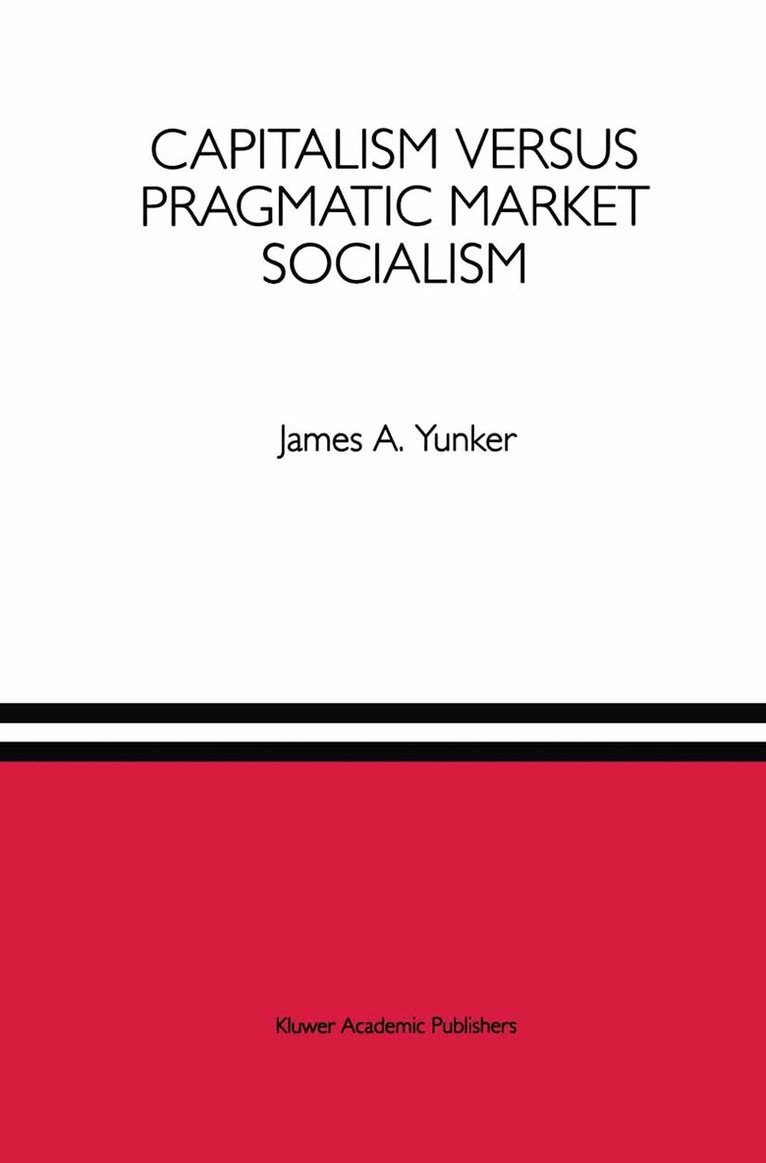
Capitalism versus Pragmatic Market Socialism
A General Equilibrium Evaluation
Inbunden, 1993
1126 kr
Lägg i varukorg
Capitalism versus Pragmatic Market Socialism: A General Equilibrium Evaluation contains important contributions both to general economic theory and to the evaluation of potential market socialist economic systems. As a contribution to economic theory, the general equilibrium model utilized in the …
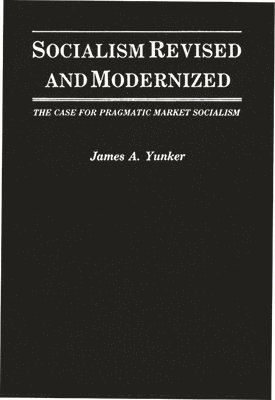
Socialism Revised and Modernized
The Case for Pragmatic Market Socialism
Inbunden, 1992
1068 kr
Lägg i varukorg
This volume advocates pragmatic market socialism and offers a penetrating critique of the entire range of capitalist apologetics. As James A. Yunker envisions it, pragmatic market socialism would virtually duplicate the everyday economic functions of market capitalist economies, such as the United …
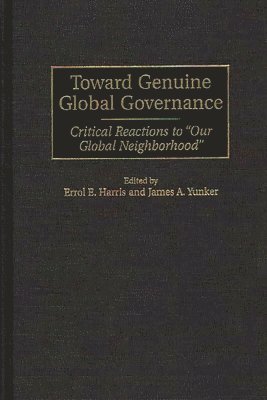
Toward Genuine Global Governance
Critical Reactions to Our Global Neighborhood
Av Errol E. Harris, James A. Yunker
Inbunden, 1999
1068 kr
Lägg i varukorg
Nine well-known authors associated with the world federalist movement critique the 1995 Report of the Commission on Global Governance entitled Our Global Neighborhood. Although the contributors manifest a variety of viewpoints, styles, and approaches, they are unanimous in condemning the Report as …
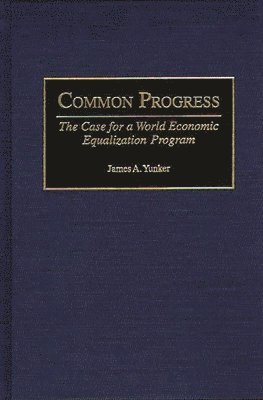
Common Progress
The Case for a World Economic Equalization Program
Inbunden, 2000
1068 kr
Lägg i varukorg
Yunker sets forth the case for initiation of a massive foreign development assistance effort termed the World Economic Equalization Program (WEEP). The scale of the program would dwarf that of all historical foreign aid programs, yet the proposed contributions by the donor nations would not be …
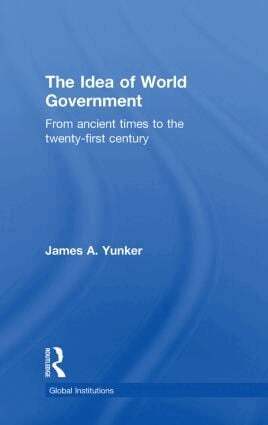
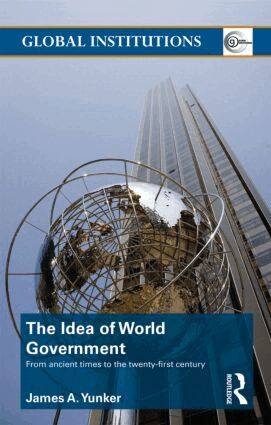
Idea of World Government
From ancient times to the twenty-first century
Av James A. Yunker, Alistair Burns
Inbunden, 2011
2591 kr
Lägg i varukorg
The notion of a single political organization encompassing the whole of humanity—a world state—has intrigued mankind since earliest recorded history. This book provides a concise yet comprehensive overview of the history of world government, and questions whether political globalization, in the …
Idea of World Government
From ancient times to the twenty-first century
Av James A. Yunker, Alistair Burns
Häftad, 2011
668 kr
Lägg i varukorg
The notion of a single political organization encompassing the whole of humanity—a world state—has intrigued mankind since earliest recorded history. This book provides a concise yet comprehensive overview of the history of world government, and questions whether political globalization, in the …
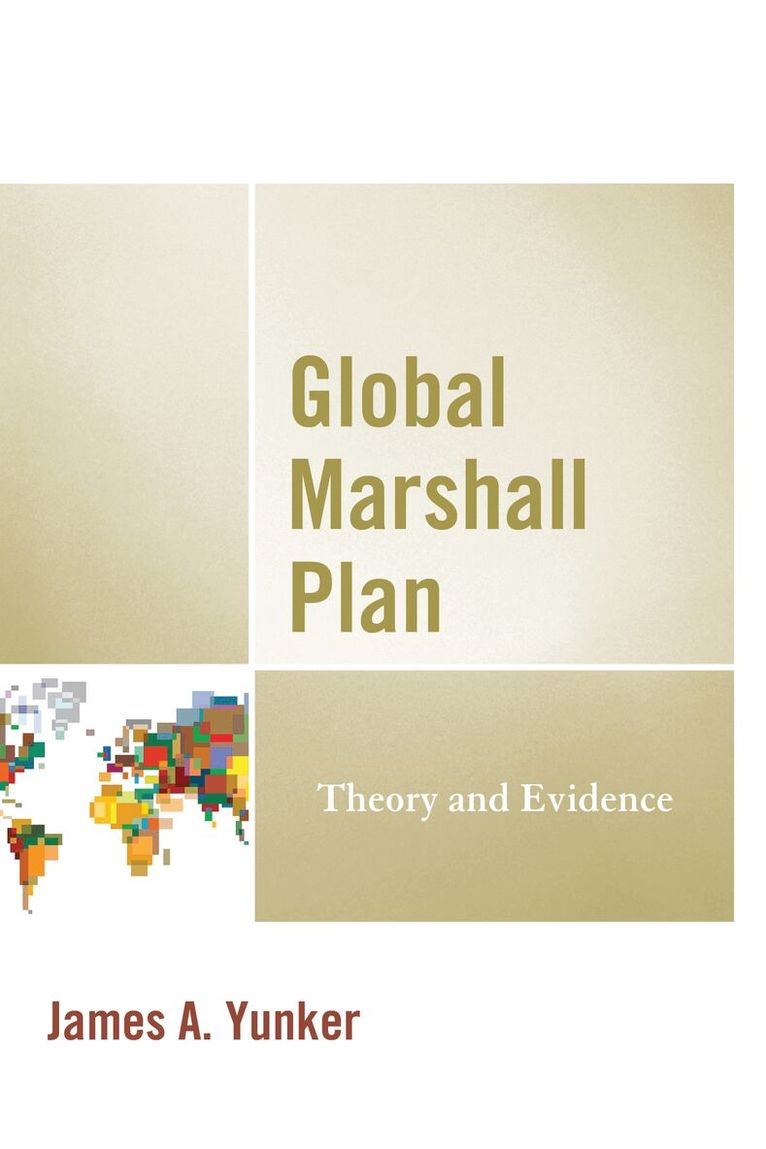
Global Marshall Plan
Theory and Evidence
Inbunden, 2014
1392 kr
Lägg i varukorg
Today’s foreign aid programs are small-scale because of the widespread belief that they are ineffective. This could be an example of a self-fulfilling prophecy: small scale virtually guarantees ineffectiveness. However, the pervasive contemporary pessimism regarding global economic inequality is …
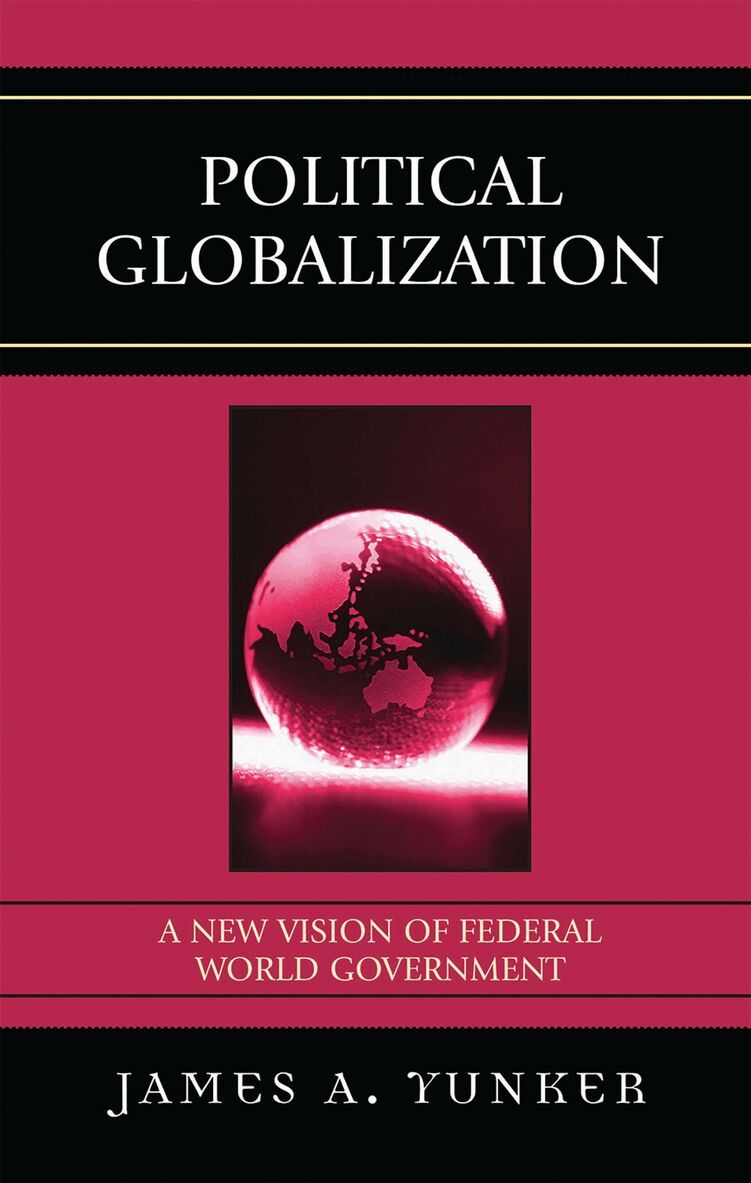
Political Globalization
A New Vision of Federal World Government
Inbunden, 2007
1425 kr
Lägg i varukorg
According to conventional opinion, world government would be undesirable because it might develop into global tyranny, as well as almost certainly entailing bureaucratic overload. This work vigorously contests this conventional opinion on the basis of an innovative plan for a limited world …
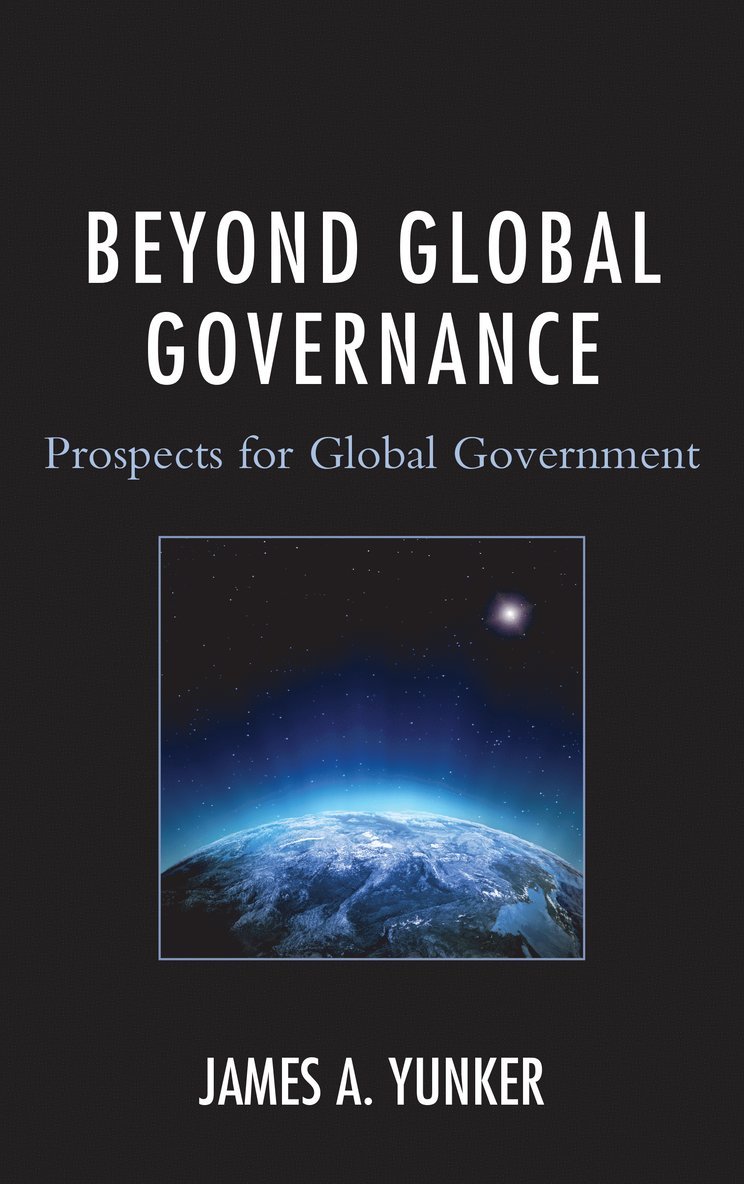
Beyond Global Governance
Prospects for Global Government
Inbunden, 2014
1000 kr
Lägg i varukorg
In these ground-breaking essays, James A. Yunker issues a powerful challenge to conventional thinking on world government. Based on an innovative plan for a limited world government tentatively designated the “Federal Union of Democratic Nations,” this book envisions a legitimate world government a …
Beyond Global Governance
Prospects for Global Government
E-bok, 2014
1091 kr
Lägg i varukorg
In these ground-breaking essays, James A. Yunker issues a powerful challenge to conventional thinking on world government. Based on an innovative plan for a limited world government tentatively designated the “Federal Union of Democratic Nations,” this book envisions a legitimate world government a …
Idea of World Government
From ancient times to the twenty-first century
E-bok, 2011
785 kr
Lägg i varukorg
The notion of a single political organization encompassing the whole of humanity—a world state—has intrigued mankind since earliest recorded history. This book provides a concise yet comprehensive overview of the history of world government, and questions whether political globalization, in the …
Idea of World Government
From ancient times to the twenty-first century
E-bok, 2011
785 kr
Lägg i varukorg
The notion of a single political organization encompassing the whole of humanity—a world state—has intrigued mankind since earliest recorded history. This book provides a concise yet comprehensive overview of the history of world government, and questions whether political globalization, in the …
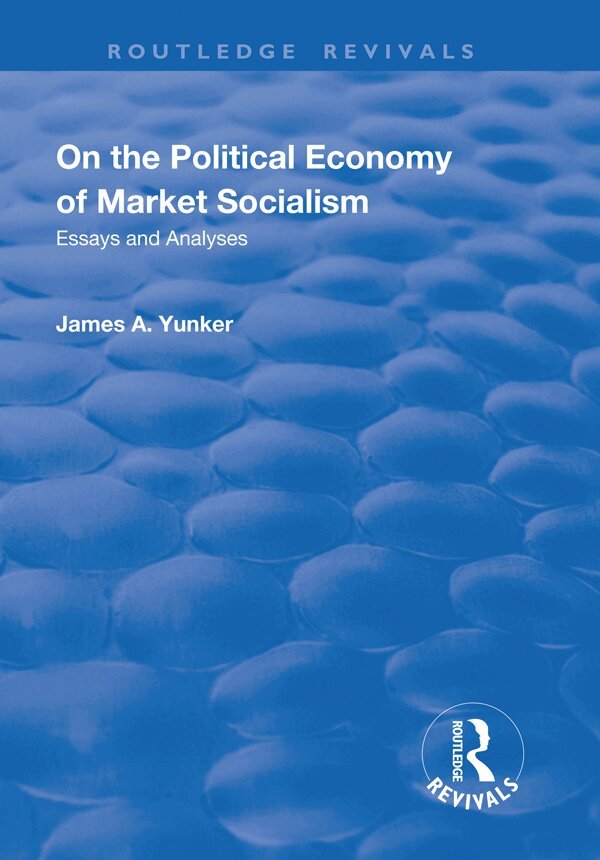
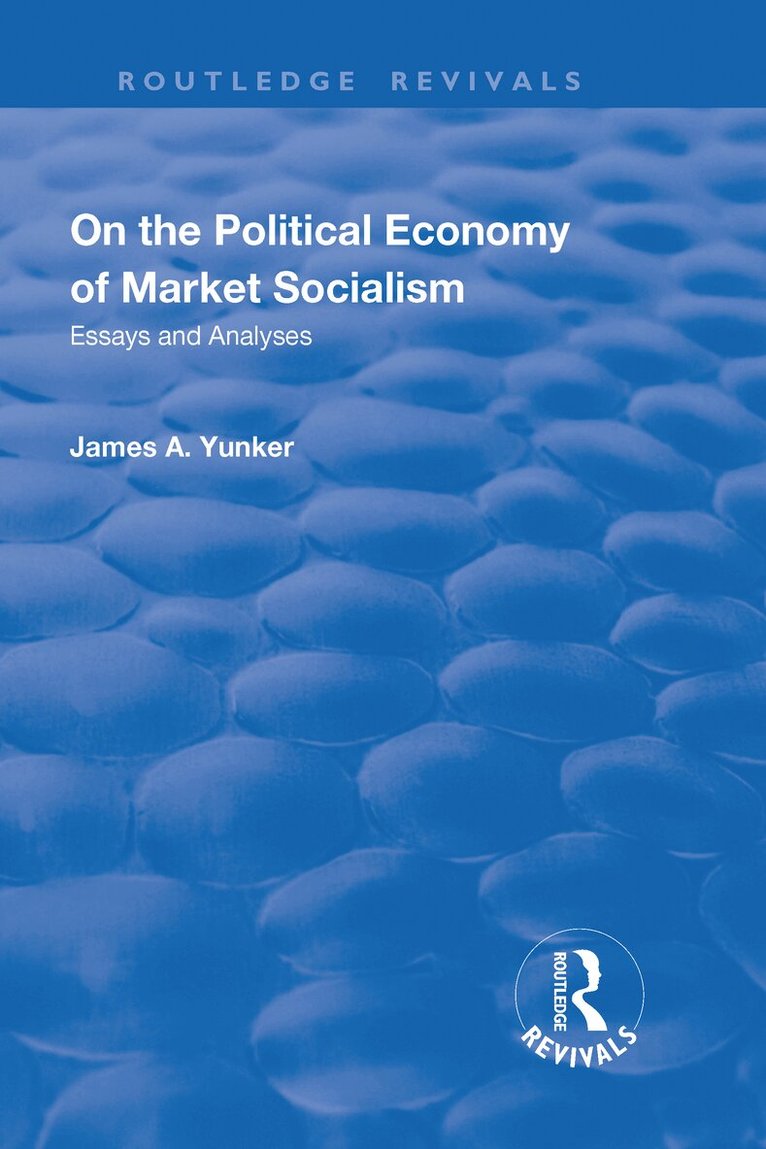
On the Political Economy of Market Socialism
Essays and Analyses
Häftad, 2019
579 kr
Lägg i varukorg
This title was first published in 2001. Spanning a quarter of a century, this collection makes conveniently accessible 14 of Yunker’s thorough and highly illuminating contributions to the literature on market socialism.
On the Political Economy of Market Socialism
Essays and Analyses
Inbunden, 2017
2596 kr
Lägg i varukorg
This title was first published in 2001. Spanning a quarter of a century, this collection makes conveniently accessible 14 of Yunker’s thorough and highly illuminating contributions to the literature on market socialism.
On the Political Economy of Market Socialism
Essays and Analyses
E-bok, 2018
644 kr
Lägg i varukorg
This title was first published in 2001. Spanning a quarter of a century, this collection makes conveniently accessible 14 of Yunker’s thorough and highly illuminating contributions to the literature on market socialism.
On the Political Economy of Market Socialism
Essays and Analyses
E-bok, 2018
678 kr
Lägg i varukorg
This title was first published in 2001. Spanning a quarter of a century, this collection makes conveniently accessible 14 of Yunker’s thorough and highly illuminating contributions to the literature on market socialism.
Capitalism versus Pragmatic Market Socialism
A General Equilibrium Evaluation
Häftad, 2012
1095 kr
Lägg i varukorg
Capitalism versus Pragmatic Market Socialism: A General Equilibrium Evaluation contains important contributions both to general economic theory and to the evaluation of potential market socialist economic systems. As a contribution to economic theory, the general equilibrium model utilized in the …
Capitalism versus Pragmatic Market Socialism
A General Equilibrium Evaluation
E-bok, 2012
1459 kr
Lägg i varukorg
Capitalism versus Pragmatic Market Socialism: A General Equilibrium Evaluation contains important contributions both to general economic theory and to the evaluation of potential market socialist economic systems. As a contribution to economic theory, the general equilibrium model utilized in the …