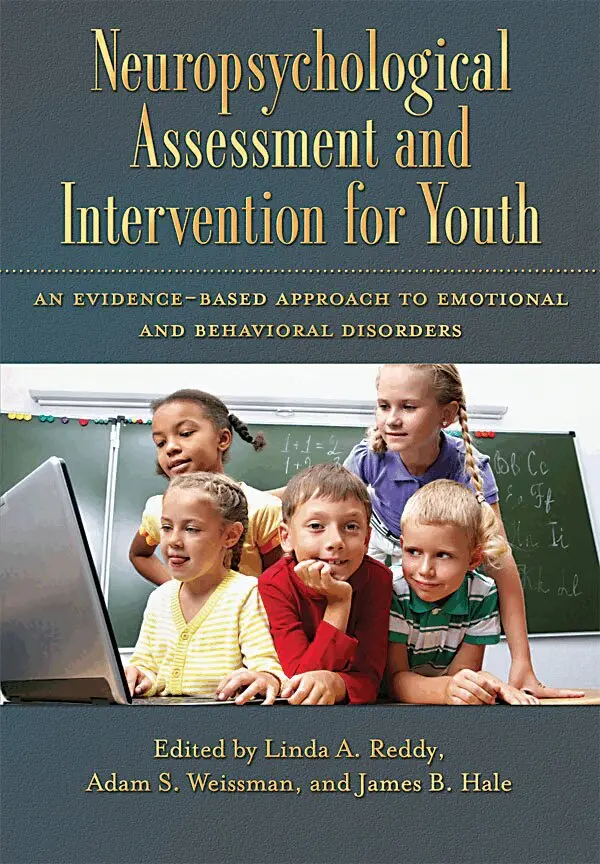
This is the first comprehensive text that bridges the gap between neuropsychological assessment and intervention for children and adolescents with common emotional and behavioral disorders. This is a timely and important issue as clinical researchers-and the field at large-are increasingly able to translate basic brain science into empirically supported clinical assessments and interventions. Co-editors Reddy, Weissman, and Hale-all first-rate clinical researchers-selected the emotional and behavioral disorders examined in each chapter based on their high prevalence in children and adolescents (e.g., OCD, ADHD, anxiety disorders, conduct disorders, etc.) and the lack of published books integrating neuropsychology and treatment for these conditions.Written for clinicians and other practitioners who are involved with treating children and adolescents with common behavioral disorders in this young population, this book will also appeal to clinical researchers and to students in graduate psychology courses.
Now in a revised and expanded second edition reflecting key developments in understanding brain–behavior relationships, this accessible book helps school practitioners integrate neuropsychological principles into data-based decision making. The expert authors present a framework for comprehensively evaluating students' cognitive strengths and weaknesses to aid in developing individualized interventions. Chapters elucidate the neuropsychological processes involved in reading, math, and writing disabilities; neurodevelopmental and mental health disorders; and medical issues that may affect learning and behavior. In a convenient large-size format, the book includes concrete assessment and intervention guidance, case examples, "In-Depth" boxes, and reproducible and downloadable tools.New to This EditionChapters on genetic disorders and chronic medical disorders. An expanded three-dimensional understanding of brain networks and brain functioning. Updated neuroscientific and school psychology research. New and updated case studies.
Now in a revised and expanded second edition reflecting key developments in understanding brainbehavior relationships, this accessible book helps school practitioners integrate neuropsychological principles into data-based decision making. The expert authors present a framework for comprehensively evaluating students cognitive strengths and weaknesses to aid in developing individualized interventions. Chapters elucidate the neuropsychological processes involved in reading, math, and writing disabilities; neurodevelopmental and mental health disorders; and medical issues that may affect learning and behavior. In a convenient large-size format, the book includes concrete assessment and intervention guidance, case examples, In-Depth boxes, and reproducible and downloadable tools. New to This Edition Chapters on genetic disorders and chronic medical disorders. An expanded three-dimensional understanding of brain networks and brain functioning. Updated neuroscientific and school psychology research. New and updated case studies.
Now in a revised and expanded second edition reflecting key developments in understanding brain–behavior relationships, this accessible book helps school practitioners integrate neuropsychological principles into data-based decision making. The expert authors present a framework for comprehensively evaluating students' cognitive strengths and weaknesses to aid in developing individualized interventions. Chapters elucidate the neuropsychological processes involved in reading, math, and writing disabilities; neurodevelopmental and mental health disorders; and medical issues that may affect learning and behavior. In a convenient large-size format, the book includes concrete assessment and intervention guidance, case examples, "In-Depth" boxes, and reproducible and downloadable tools.New to This EditionChapters on genetic disorders and chronic medical disorders. An expanded three-dimensional understanding of brain networks and brain functioning. Updated neuroscientific and school psychology research. New and updated case studies.
This important resource presents the latest information on brain-behavior relationships and describes ways school practitioners can apply neuropsychological principles in their work with children. Bridging the gap between neuropsychological theory, assessment, and intervention, this accessible text addresses complex topics in a straightforward, easy-to-understand fashion. The authors challenge previous conceptions about brain functions and present the cognitive hypothesis-testing model, an innovative method that helps practitioners form accurate understandings of learner characteristics and conduct meaningful and valid individualized interventions with children with a range of learning and behavior disorders. Including case studies and examples that illustrate what practitioners might actually see and do in the classroom, the volume comes in a large-size format with reproducible worksheets and forms.