James C. Klagge – författare
Visar alla böcker från författaren James C. Klagge. Handla med fri frakt och snabb leverans.
15 produkter
Methods of Interpreting Plato and his Dialogues
Oxford Studies in Ancient Philosophy: Supplementary Volume, 1992
Av KLAGGE, James C. Klagge m. fl.
Inbunden, 1992
2517 kr
Lägg i varukorg
Oxford Studies in Ancient Philosophy is an annual publication which includes original articles on a wide range of topics in ancient philosophy, and review articles of major books. In this supplementary volume, a number of renowned scholars of Plato reflect upon their interpretative methods. Topics …
Wittgenstein in Exile
E-bok, 2010
492 kr
Lägg i varukorg
A new way of looking at Wittgenstein: as an exile from an earlier cultural era. Ludwig Wittgenstein''s Tractatus Logico-Philosophicus (1922) and Philosophical Investigations (1953) are among the most influential philosophical books of the twentieth century, and also among the most perplexing. …
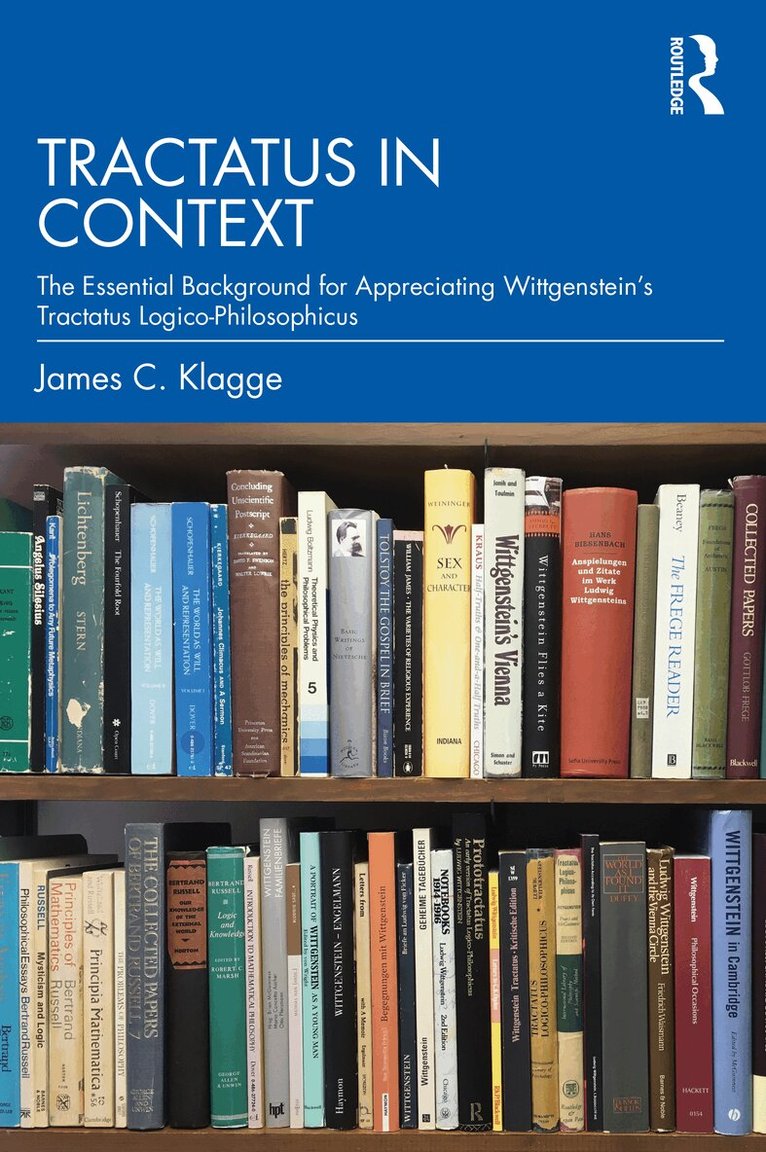
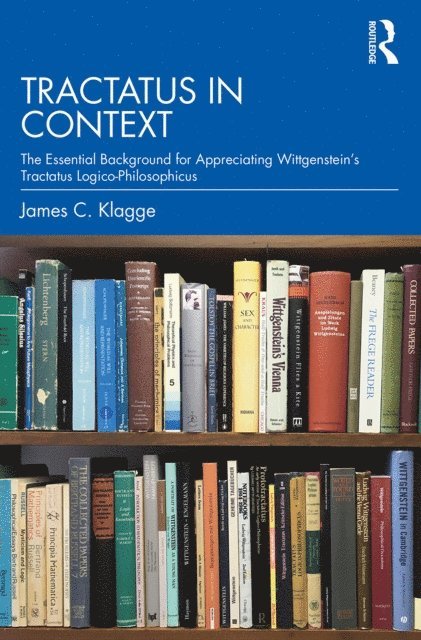
Tractatus in Context
The Essential Background for Appreciating Wittgenstein’s Tractatus Logico-Philosophicus
Häftad, 2021
735 kr
Lägg i varukorg
Ludwig Wittgenstein’s brief Tractatus Logico-Philosophicus (1922) is one of the most important philosophical works of the twentieth century, yet it offers little orientation for the reader. The first-time reader is left wondering what it could be about, and the scholar is left with little guidance …
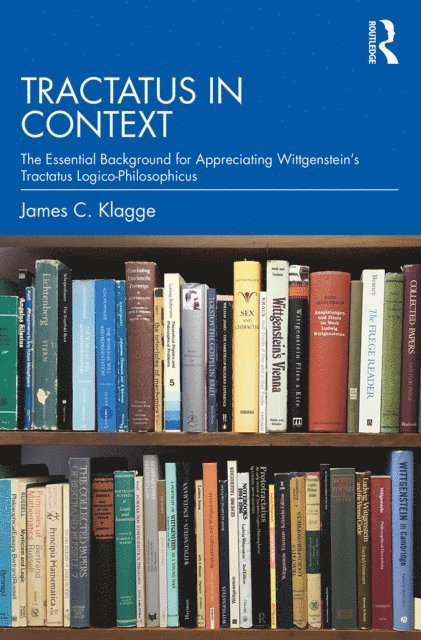
Tractatus in Context
The Essential Background for Appreciating Wittgenstein’s Tractatus Logico-Philosophicus
Inbunden, 2021
2513 kr
Lägg i varukorg
Ludwig Wittgenstein’s brief Tractatus Logico-Philosophicus (1922) is one of the most important philosophical works of the twentieth century, yet it offers little orientation for the reader. The first-time reader is left wondering what it could be about, and the scholar is left with little guidance …
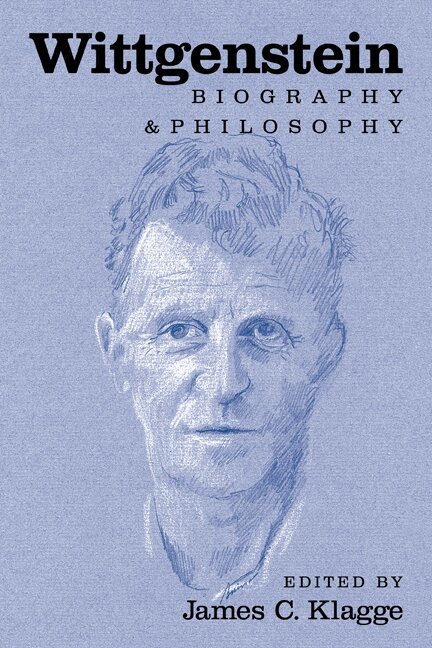
Wittgenstein
Biography and Philosophy
Häftad, 2001
716 kr
Lägg i varukorg
This collection of essays deals with the relationship between Wittgenstein's life and his philosophy. The first two essays reflect on general problems inherent in philosophical biography itself. The essays that follow draw on recently published letters as well as recently published diaries from the …
Wittgenstein
Biography and Philosophy
Inbunden, 2001
1351 kr
Lägg i varukorg
This collection of essays deals with the relationship between Wittgenstein's life and his philosophy. The first two essays reflect on general problems inherent in philosophical biography itself. The essays that follow draw on recently published letters as well as recently published diaries from the …
Ludwig Wittgenstein
Public and Private Occasions
Av James C. Klagge, Alfred Nordmann
Inbunden, 2003
2297 kr
Lägg i varukorg
In the safety of his manuscripts, Ludwig Wittgenstein was free to endlessly revise, rework and reframe his philosophical thoughts. Thus his published work yields a glimpse of just a small portion of Wittgenstein's philosophical thought—the portion that eventually appeared in print. Yet for …
Tractatus in Context
The Essential Background for Appreciating Wittgenstein’s Tractatus Logico-Philosophicus
E-bok, 2021
779 kr
Lägg i varukorg
Ludwig Wittgenstein’s brief Tractatus Logico-Philosophicus (1922) is one of the most important philosophical works of the twentieth century, yet it offers little orientation for the reader. The first-time reader is left wondering what it could be about, and the scholar is left with little guidance …
Tractatus in Context
The Essential Background for Appreciating Wittgenstein’s Tractatus Logico-Philosophicus
E-bok, 2021
779 kr
Lägg i varukorg
Ludwig Wittgenstein’s brief Tractatus Logico-Philosophicus (1922) is one of the most important philosophical works of the twentieth century, yet it offers little orientation for the reader. The first-time reader is left wondering what it could be about, and the scholar is left with little guidance …
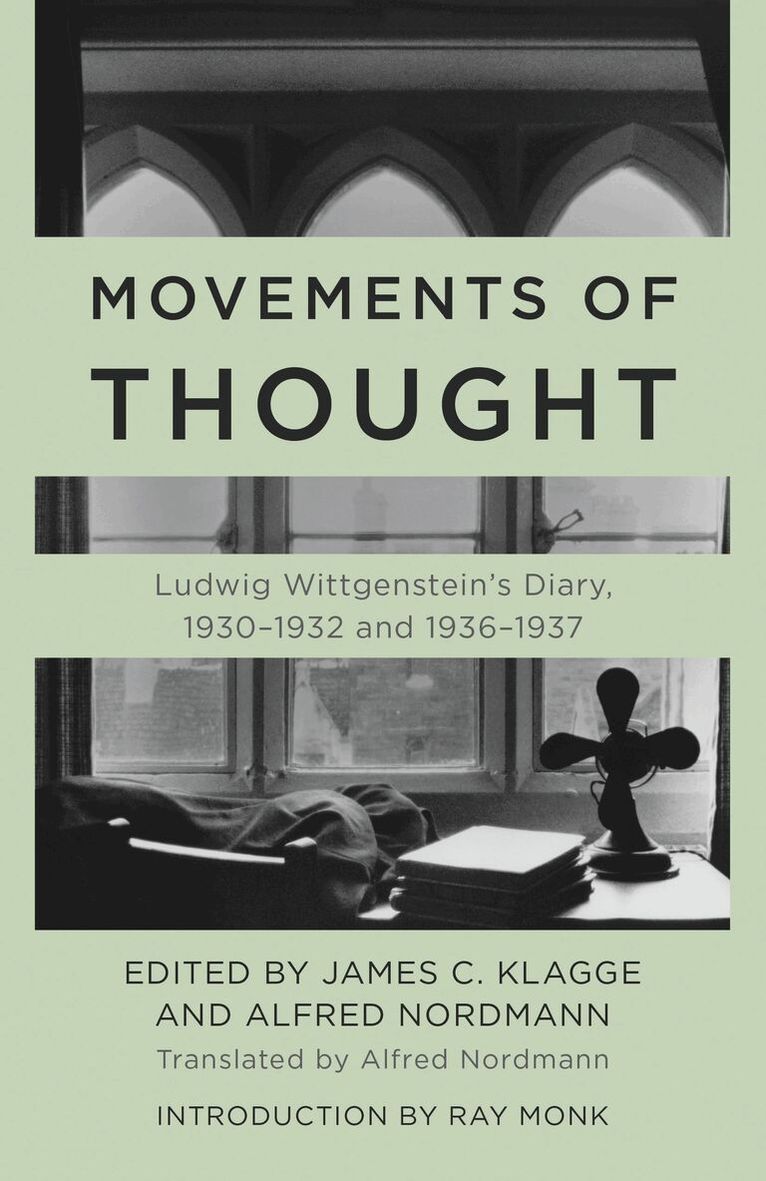
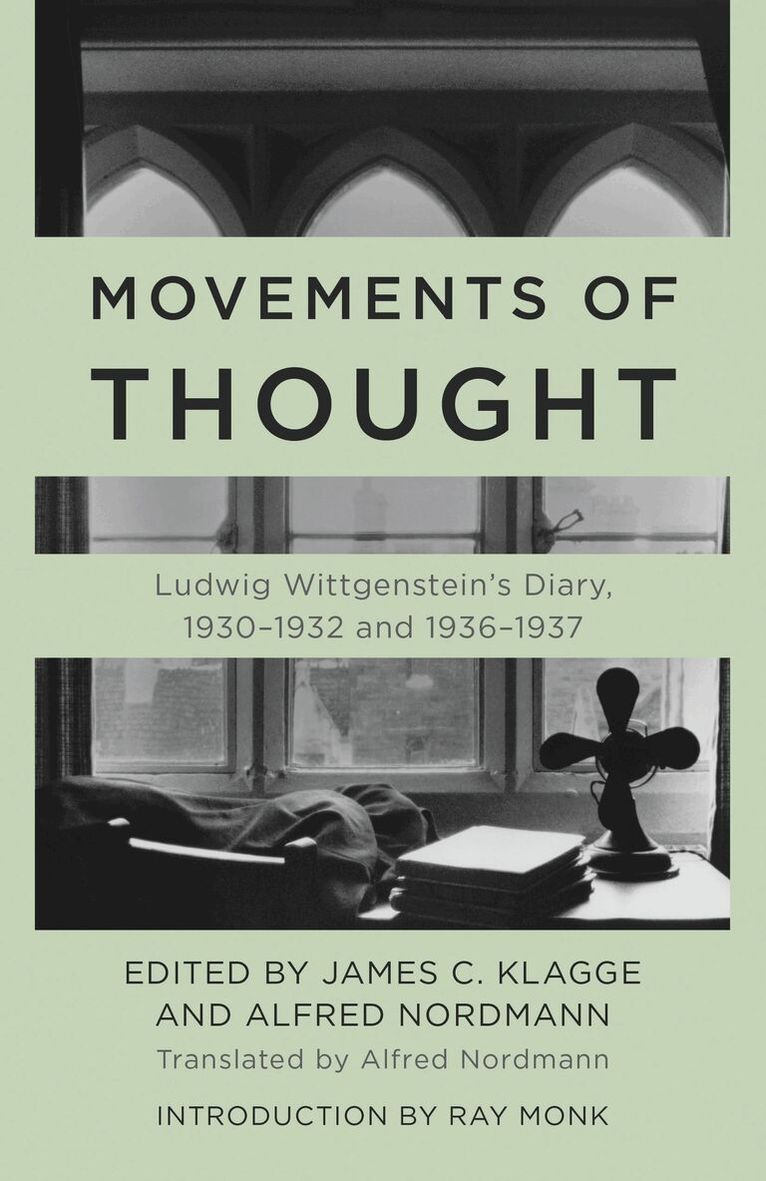
Movements of Thought
Ludwig Wittgenstein's Diary, 1930–1932 and 1936–1937
Av Ludwig Wittgenstein, James C. Klagge m. fl.
Inbunden, 2023
999 kr
Lägg i varukorg
While the published works of Ludwig Wittgenstein reveal the final, coalesced thoughts of this philosophical giant, Wittgenstein’s diary reveals his process of doing philosophy. Only in his private writing does Wittgenstein's philosophical practice fully come to light. Wittgenstein’s diary entries …
Movements of Thought
Ludwig Wittgenstein's Diary, 1930–1932 and 1936–1937
Av Ludwig Wittgenstein, James C. Klagge m. fl.
Häftad, 2022
276 kr
Lägg i varukorg
While the published works of Ludwig Wittgenstein reveal the final, coalesced thoughts of this philosophical giant, Wittgenstein’s diary reveals his process of doing philosophy. Only in his private writing does Wittgenstein's philosophical practice fully come to light. Wittgenstein’s diary entries …
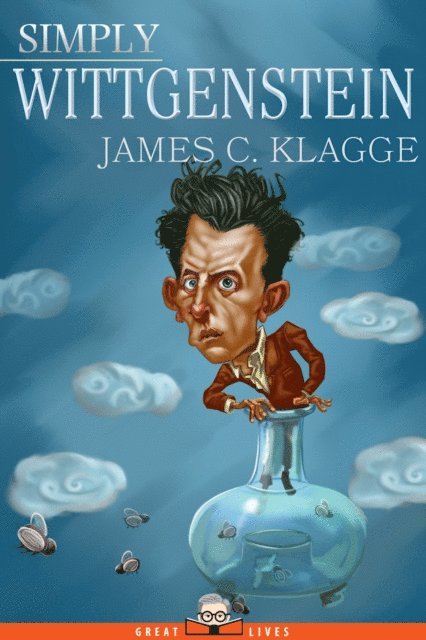
Simply Wittgenstein
Great Lives
E-bok, 2016
130 kr
Lägg i varukorg
"There are many introductions to the life and work of Ludwig Wittgenstein, but I think James Klagge has produced the very best. Taking as his premise that his reader may know nothing about Wittgenstein or, for that matter, about philosophy, Klagge gives a lucid, charming, and wholly convincing …