James H. Wandersee – författare
Visar alla böcker från författaren James H. Wandersee. Handla med fri frakt och snabb leverans.
3 produkter
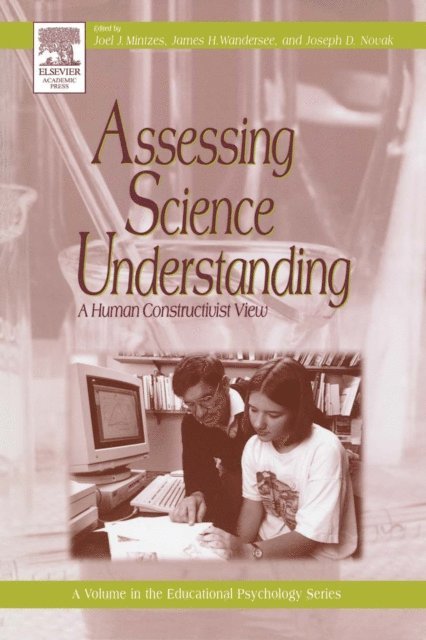
Assessing Science Understanding
A Human Constructivist View
Av Joseph D. Novak, James H. Wandersee m. fl.
E-bok, 2005
681 kr
Lägg i varukorg
Recent government publications like "Benchmarks for Scientific Literacy" and "Science for all Americans" have given teachers a mandate for improving science education in America. What we know about how learners construct meaning--particularly in the natural sciences--has undergone a virtual …
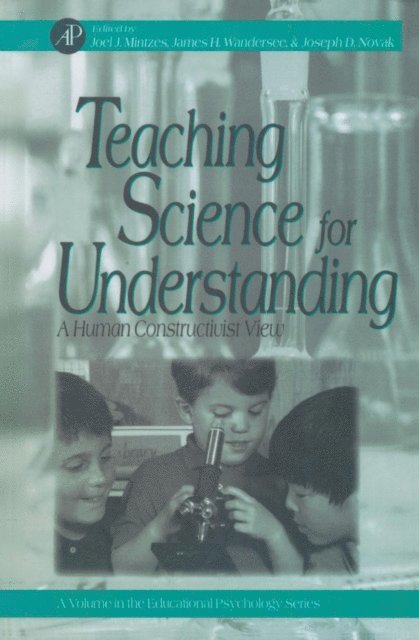
Teaching Science for Understanding
A Human Constructivist View
Av Joseph D. Novak, James H. Wandersee m. fl.
E-bok, 2005
681 kr
Lägg i varukorg
Teaching Science for Understanding
Assessing Science Understanding
A Human Constructivist View
Av Joel J. Mintzes, James H. Wandersee m. fl.
Häftad, 2005
662 kr
Lägg i varukorg
Recent government publications like "Benchmarks for Scientific Literacy" and "Science for all Americans" have given teachers a mandate for improving science education in America. What we know about how learners construct meaning--particularly in the natural sciences--has undergone a virtual …