James J. Bono – författare
Visar alla böcker från författaren James J. Bono. Handla med fri frakt och snabb leverans.
3 produkter
3 produkter
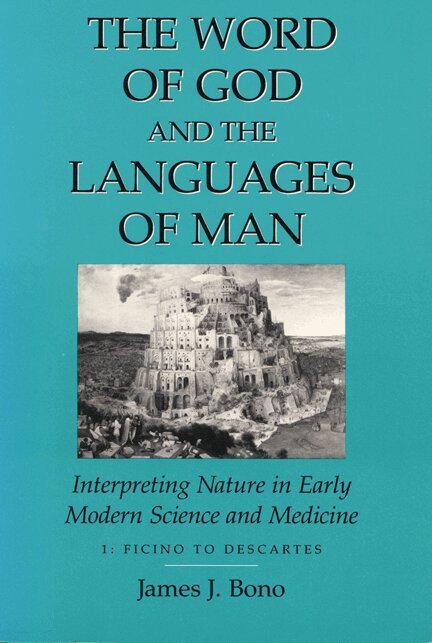
Word of God & the Languages of Man
Interpreting Nature in Early Modern Science and Medicine Volume I, Ficino to Descartes
Häftad, Engelska, 1995
234 kr
Skickas inom 10-15 vardagar
This remarkably ambitious work relates changes in scientific and medical thought during the Scientific Revolution (circa 1500–1700) to the emergence of new principles and practices for interpreting language, texts, and nature. An invaluable history of ideas about the nature of language during this period, The Word of God and the Languages of Man also explores the wider cultural origins and impact of these ideas. Its broad and deeply complex picture of a profound sociocultural and intellectual transformation will alter our definition of the scientific revolution. James J. Bono shows how the new interpretive principles and scientific practices of the sixteenth and seventeenth centuries evolved in response to new views of the relationship between the "Word of God" and the "Languages of Man" fostered by Renaissance Humanism, Neoplatonism, magic, and both the reformed and radical branches of Protestantism. He traces the cultural consequences of these ideas in the thought and work of major and minor actors in the scientific revolution—from Ficino and Paracelsus to Francis Bacon and Descartes. By considering these natural philosophers in light of their own intellectual, religious, philosophical, cultural, linguistic, and especially narrative frameworks, Bono suggests a new way of viewing the sociocultural dynamics of scientific change in the premodern period—and ultimately, a new way of understanding the nature and history of scientific thought. The narrative configuration he proposes provides a powerful alternative to the longstanding "revolutionary" metaphor of the history of the scientific revolution.
1 054 kr
Skickas inom 10-15 vardagar
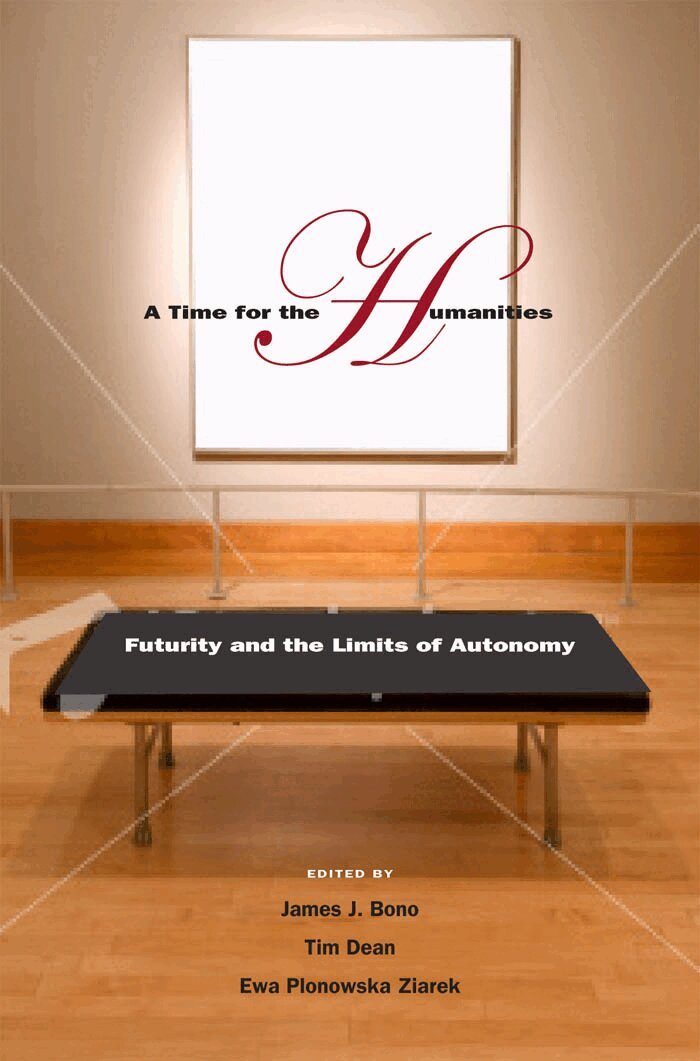
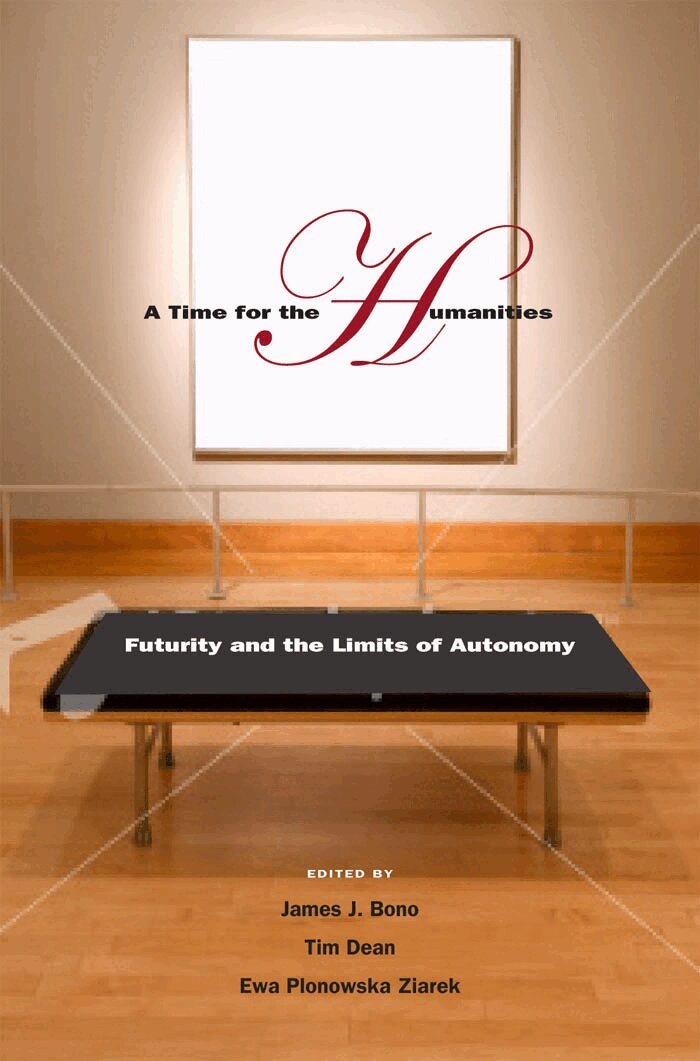
This book brings together an international roster of renowned scholars from disciplines including philosophy, political theory, intellectual history, and literary studies to address the conceptual foundations of the humanities and the question of their future. What notions of the future, of the human, and of finitude underlie recurring anxieties about the humanities in our current geopolitical situation? How can we think about the unpredictable and unthought dimensions of praxis implicit in the very notion of futurity?The essays here argue that the uncertainty of the future represents both an opportunity for critical engagement and a matrix for invention. Broadly conceived, the notion of invention, or cultural poiesis, questions the key assumptions and tasks of a whole range of practices in the humanities, beginning with critique, artistic practices, and intellectual inquiry, and ending with technology, emancipatory politics, and ethics. The essays discuss a wide range of key figures (e.g., Deleuze, Freud, Lacan, Foucault, Kristeva, Irigaray), problems (e.g., becoming, kinship and the foreign, "disposable populations" within a global political economy, queerness and the death drive, the parapoetic, electronic textuality, invention and accountability, political and social reform in Latin America), disciplines and methodologies (philosophy, art and art history, visuality, political theory, criticism and critique, psychoanalysis, gender analysis, architecture, literature, art). The volume should be required reading for all who feel a deep commitment to the humanities, its practices, and its future.
469 kr
Skickas inom 10-15 vardagar
This book brings together an international roster of renowned scholars from disciplines including philosophy, political theory, intellectual history, and literary studies to address the conceptual foundations of the humanities and the question of their future. What notions of the future, of the human, and of finitude underlie recurring anxieties about the humanities in our current geopolitical situation? How can we think about the unpredictable and unthought dimensions of praxis implicit in the very notion of futurity?The essays here argue that the uncertainty of the future represents both an opportunity for critical engagement and a matrix for invention. Broadly conceived, the notion of invention, or cultural poiesis, questions the key assumptions and tasks of a whole range of practices in the humanities, beginning with critique, artistic practices, and intellectual inquiry, and ending with technology, emancipatory politics, and ethics. The essays discuss a wide range of key figures (e.g., Deleuze, Freud, Lacan, Foucault, Kristeva, Irigaray), problems (e.g., becoming, kinship and the foreign, "disposable populations" within a global political economy, queerness and the death drive, the parapoetic, electronic textuality, invention and accountability, political and social reform in Latin America), disciplines and methodologies (philosophy, art and art history, visuality, political theory, criticism and critique, psychoanalysis, gender analysis, architecture, literature, art). The volume should be required reading for all who feel a deep commitment to the humanities, its practices, and its future.