James J. Winebrake - Böcker
Visar alla böcker från författaren James J. Winebrake. Handla med fri frakt och snabb leverans.
4 produkter
4 produkter
799 kr
Skickas inom 10-15 vardagar
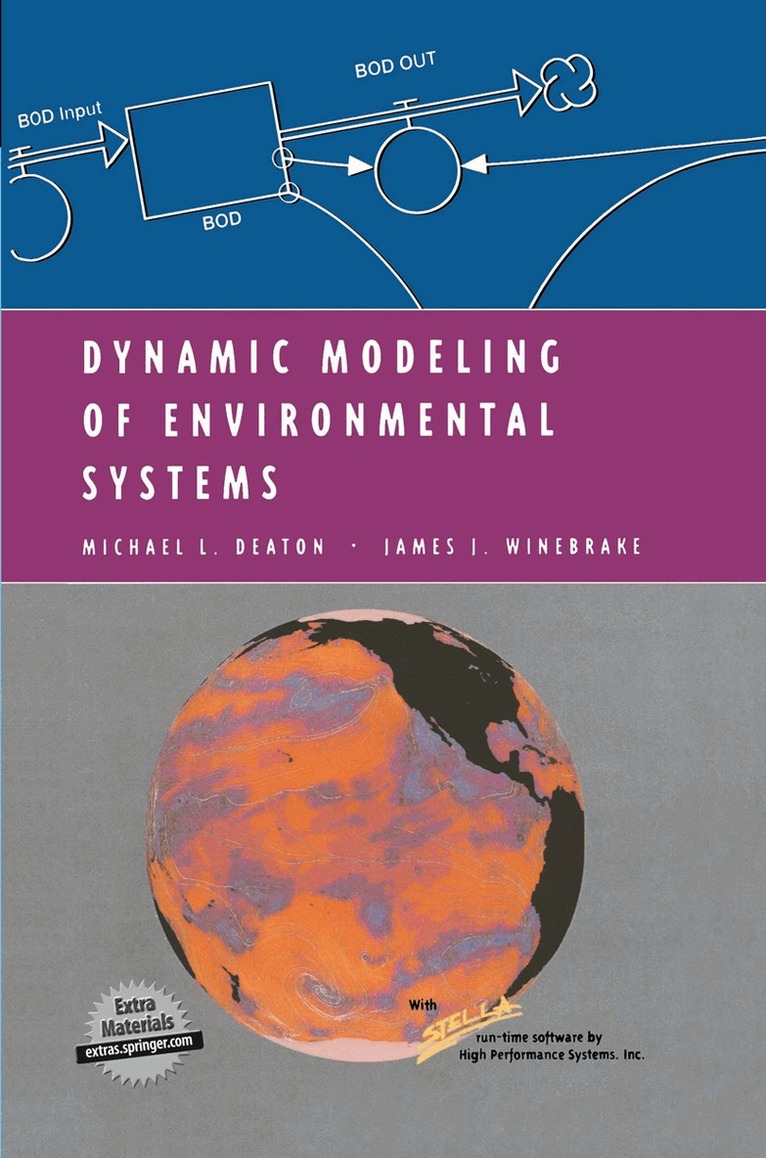
Dynamic Modeling of Environmental Systems is a primer on using models to understand environmental problems. With their many natural, economic, political, and technical aspects, environmental problems require a systems approach. This book provides an introduction to modeling concepts and applications that is specifically geared toward the environmental field. Sections on modeling terminology, the uses of models, the model-building process, and the interpretation of output provide the foundation for detailed applications. After an introduction to the basics of dynamic modeling, the book leads students through an analysis of several environmental problems, including surface-water pollution, matter-cycling disruptions, and global warming. The scientific and technical context is provided for each problem, and the methods for analyzing and designing appropriate modeling approaches is provided. An accompanying CD for both Macintosh and Windows computers contains a run-time version of STELLA modeling software with models from the text.While the mathematical content does not exceed the level of a first-semester Calculus course, the book gives students all of the background, examples, and practice exercises needed both to use and understand environmental modeling. It is suitable for upper-level undergraduate and beginning-graduate-level environmental science courses. The text is also useful for environmental professionals seeking an introduction to modeling in their field. About the Series: The availability of powerful, intuitive software for developing and running simulation models of real-world phenomena promises a revolution in studying, teaching, and thinking about complex problems that range from the functioning of a cell to that of an ecosystem to
1 943 kr
Skickas inom 10-15 vardagar
Here's your opportunity to look into the future of energy technologies, with emphasis on alternative, or non-conventional technologies, their potential impacts, and the technical, economic and policy issues that will affect their successful integration into global energy markets. Over the past several years, industry and government have turned to a strategic planning technique called "roadmapping" to help assess future energy management practices and technologies. This book considers energy management and technology development over the next several decades by exploring data from these energy technology roadmaps. International in scope, the book examines both the technical and non-technical aspects of emerging technologies. Detailed technology assessments for specific alternative energy resources are presented. An overview of the problems associated with conventional energy consumption is included, as well as an insightful discussion of technology implementation issues from the author's own well-informed and cautiously optimistic perspective
588 kr
Skickas inom 10-15 vardagar
Dynamic Modeling of Environmental Systems is a primer on using models to understand environmental problems. With their many natural, economic, political, and technical aspects, environmental problems require a systems approach. This book provides an introduction to modeling concepts and applications that is specifically geared toward the environmental field. Sections on modeling terminology, the uses of models, the model-building process, and the interpretation of output provide the foundation for detailed applications. After an introduction to the basics of dynamic modeling, the book leads students through an analysis of several environmental problems, including surface-water pollution, matter-cycling disruptions, and global warming. The scientific and technical context is provided for each problem, and the methods for analyzing and designing appropriate modeling approaches is provided. While the mathematical content does not exceed the level of a first-semester Calculus course, the book gives students all of the background, examples, and practice exercises needed both to use and understand environmental modeling. It is suitable for upper-level undergraduate and beginning-graduate-level environmental science courses. The text is also useful for environmental professionals seeking an introduction to modeling in their field.
847 kr
Skickas inom 10-15 vardagar
Here's your opportunity to look into the future of energy technologies, with emphasis on alternative, or non-conventional technologies, their potential impacts, and the technical, economic and policy issues that will affect their successful integration into global energy markets. Over the past several years, industry and government have turned to a strategic planning technique called "roadmapping" to help assess future energy management practices and technologies. This book considers energy management and technology development over the next several decades by exploring data from these energy technology roadmaps. International in scope, the book examines both the technical and non-technical aspects of emerging technologies. Detailed technology assessments for specific alternative energy resources are presented. An overview of the problems associated with conventional energy consumption is included, as well as an insightful discussion of technology implementation issues from the author's own well-informed and cautiously optimistic perspective.