
James Kalema – författare
Visar alla böcker från författaren James Kalema. Handla med fri frakt och snabb leverans.
3 produkter
3 produkter
Inbunden, Engelska, 2020
995 kr
Skickas inom 5-8 vardagar
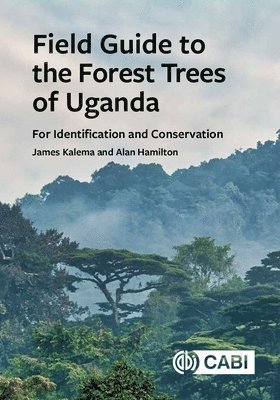
This book is a guide for the identification of the indigenous forest trees of Uganda. It will be useful for those who wish to contribute towards the conservation of the forests or to plant indigenous trees. Information is provided on how to propagate and cultivate about 80 of the most valuable species. Indigenous trees provide numerous resources useful for welfare and development. They include many types of timber and non-timber forest products, such as craft materials, foods and medicines. The proximity of indigenous forest helps to moderate the local climate, making it more suitable for agriculture. Indigenous forests protect springs, therefore safeguarding water supplies more effectively than exotic trees such as pines and eucalyptus. All 450 known indigenous tree species from the forests are included. Both scientific and local names are provided, the latter in 21 languages. Local names facilitate access to knowledge and values traditionally attached to the species, useful when planning pathways of development firmly rooted in local culture. The book will be invaluable for botanists, foresters, rural development workers and members of the general public concerned about contributing to conservation and sustainable development in Uganda. Many of the species grow in neighbouring countries, so the book has relevance there too.
E-bok
PDF, Engelska, 2020432 kr
Läs direkt efter köp
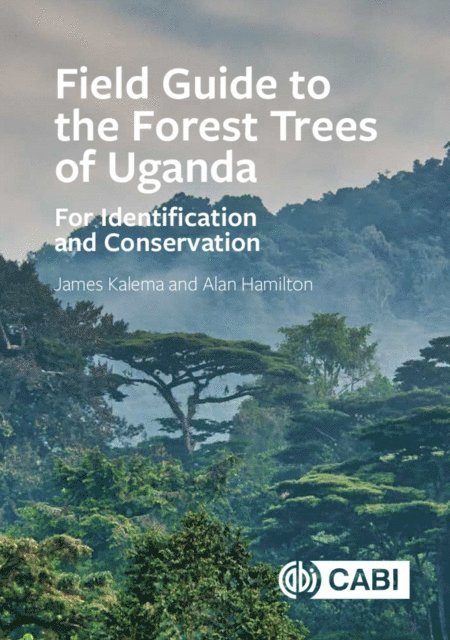
This book is a guide for the identification of the indigenous forest trees of Uganda. It will be useful for those who wish to contribute towards the conservation of the forests or to plant indigenous trees. Information is provided on how to propagate and cultivate about 80 of the most valuable species. Indigenous trees provide numerous resources useful for welfare and development. They include many types of timber and non-timber forest products, such as craft materials, foods and medicines. The proximity of indigenous forest helps to moderate the local climate, making it more suitable for agriculture. Indigenous forests protect springs, therefore safeguarding water supplies more effectively than exotic trees such as pines and eucalyptus. All 450 known indigenous tree species from the forests are included. Both scientific and local names are provided, the latter in 21 languages. Local names facilitate access to knowledge and values traditionally attached to the species, useful when planning pathways of development firmly rooted in local culture. The book will be invaluable for botanists, foresters, rural development workers and members of the general public concerned about contributing to conservation and sustainable development in Uganda. Many of the species grow in neighbouring countries, so the book has relevance there too.
E-bok
Engelska, 2020432 kr
Läs direkt efter köp
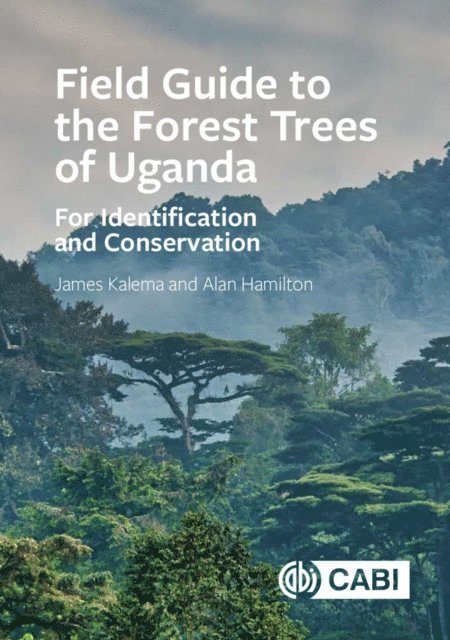
This book is a guide for the identification of the indigenous forest trees of Uganda. It will be useful for those who wish to contribute towards the conservation of the forests or to plant indigenous trees. Information is provided on how to propagate and cultivate about 80 of the most valuable species. Indigenous trees provide numerous resources useful for welfare and development. They include many types of timber and non-timber forest products, such as craft materials, foods and medicines. The proximity of indigenous forest helps to moderate the local climate, making it more suitable for agriculture. Indigenous forests protect springs, therefore safeguarding water supplies more effectively than exotic trees such as pines and eucalyptus. All 450 known indigenous tree species from the forests are included. Both scientific and local names are provided, the latter in 21 languages. Local names facilitate access to knowledge and values traditionally attached to the species, useful when planning pathways of development firmly rooted in local culture. The book will be invaluable for botanists, foresters, rural development workers and members of the general public concerned about contributing to conservation and sustainable development in Uganda. Many of the species grow in neighbouring countries, so the book has relevance there too.