James Keener – författare
Visar alla böcker från författaren James Keener. Handla med fri frakt och snabb leverans.
10 produkter
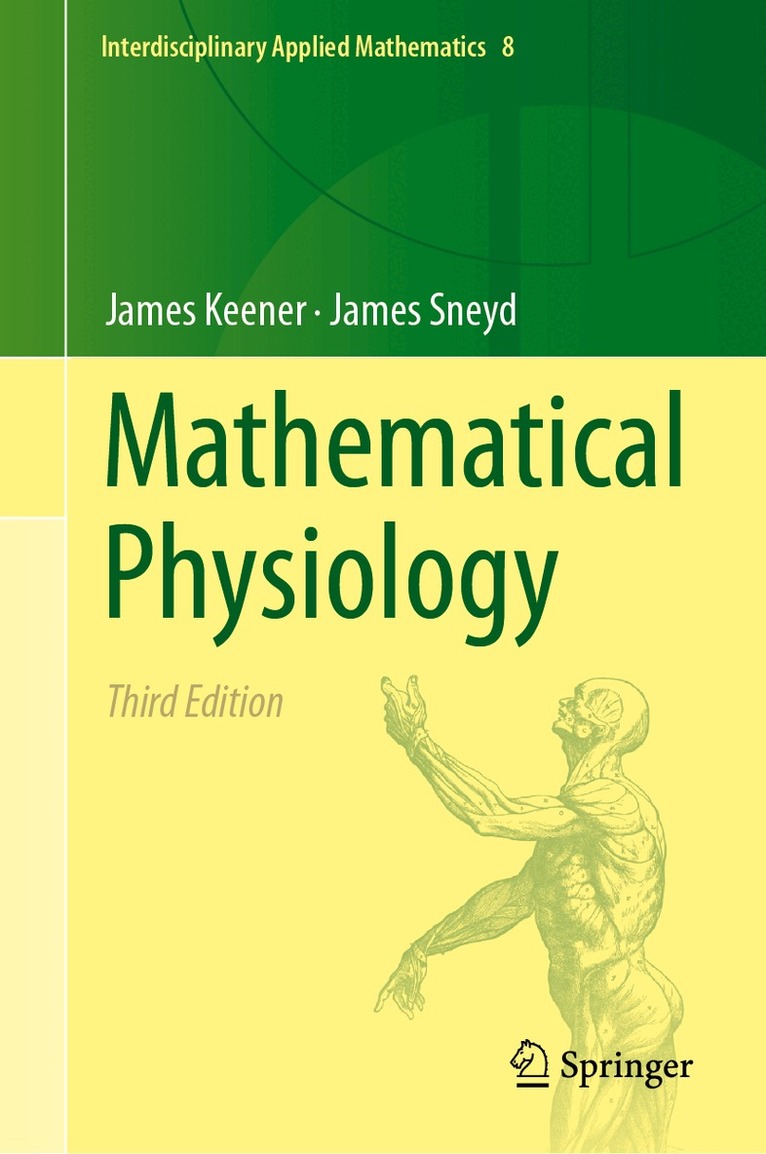
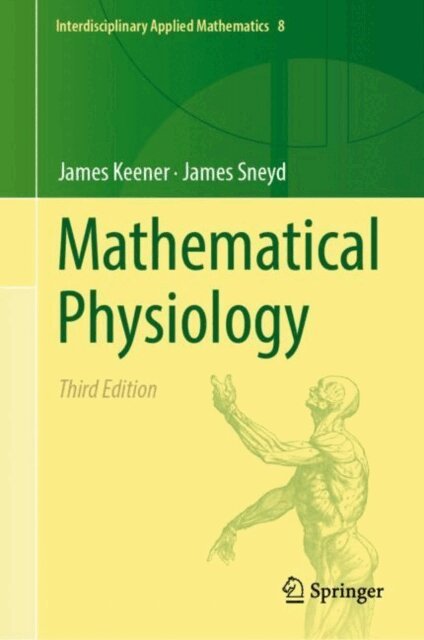
Mathematical Physiology
Inbunden, 2026
1237 kr
Lägg i varukorg
The intersection of mathematics and physiology has a rich history, with mathematical models playing a critical role in advancing our understanding of physiological systems, from basic cellular dynamics to complex systems biology. Through the examination of both classic and contemporary models, this …
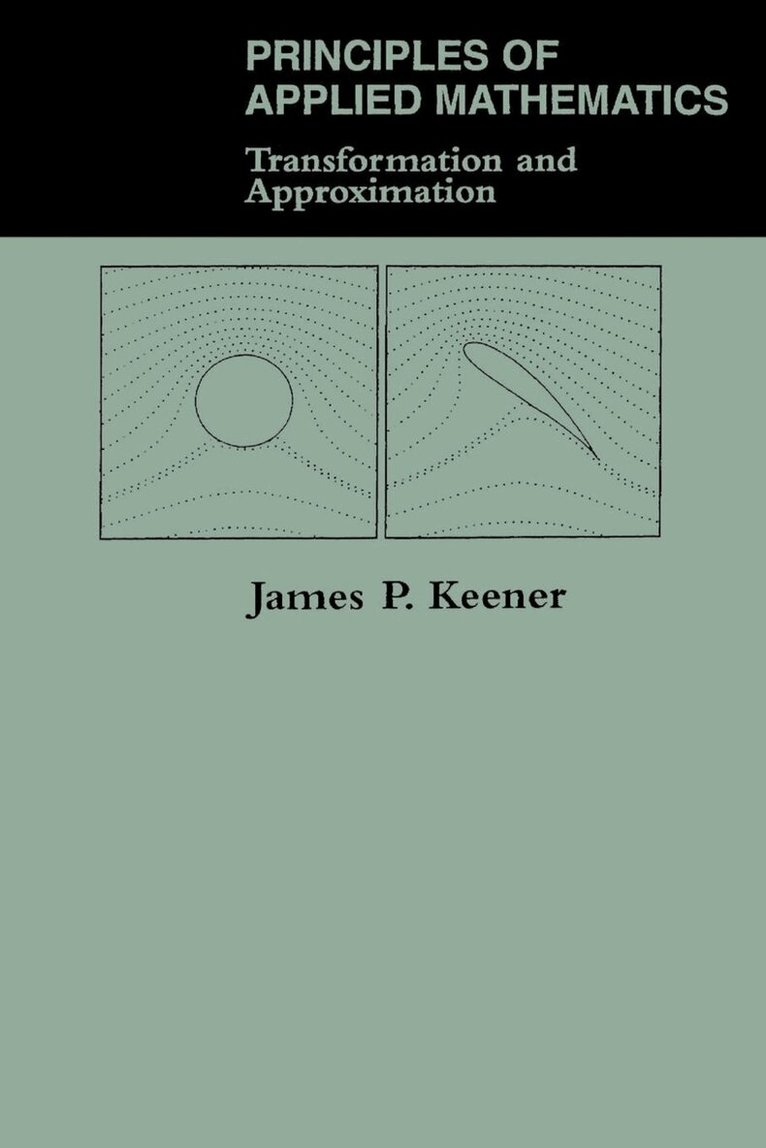
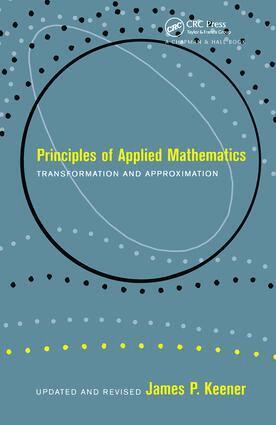
Principles Of Applied Mathematics
Transformation And Approximation
Av James Keener
Häftad, 1995
1346 kr
Lägg i varukorg
This book is written for beginning graduate students in applied mathematics, science, and engineering, and is appropriate as a one-year course in applied mathematical techniques (although I have never been able to cover all of this material in one year). We assume that the students have studied at …
Mathematical Physiology
E-bok, 2006
1209 kr
Lägg i varukorg
Mathematical Physiology provides an introduction into physiology using the tools and perspectives of mathematical modeling and analysis. It describes ways in which mathematical theory may be used to give insights into physiological questions and how physiological questions can in turn lead to new …
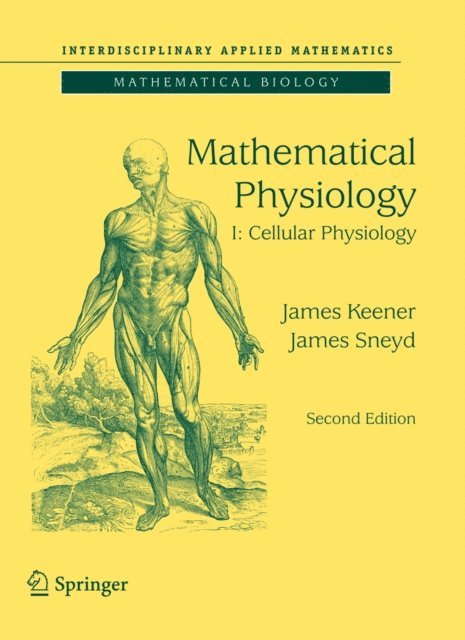
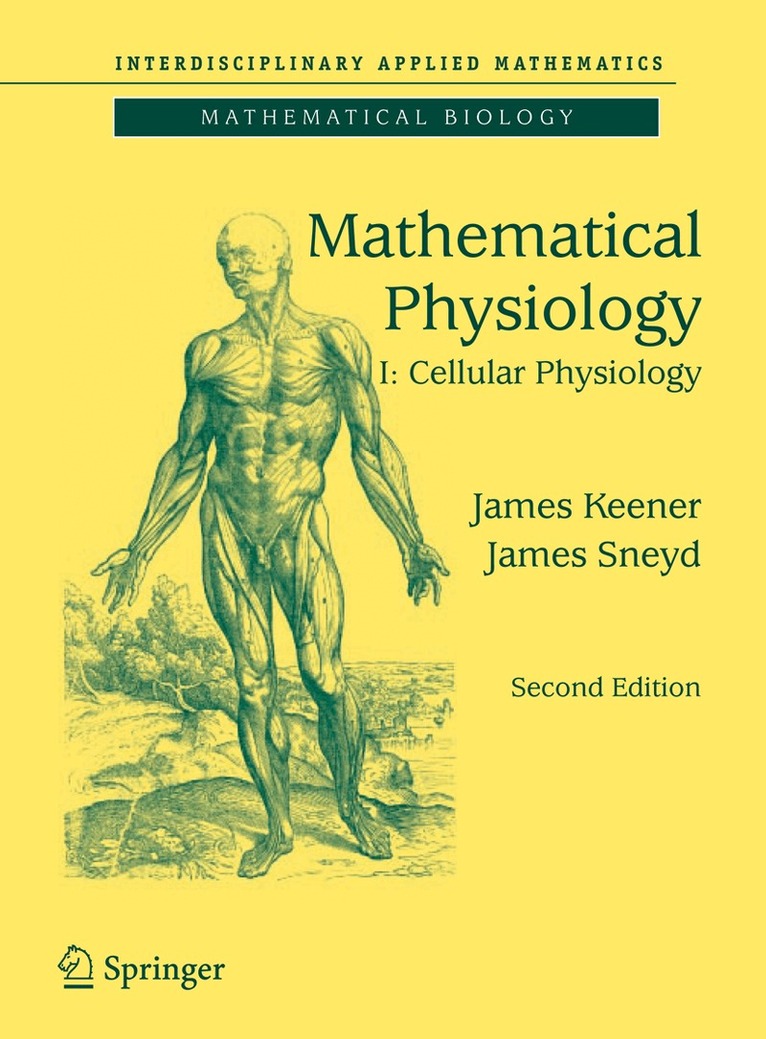
Mathematical Physiology
I: Cellular Physiology
E-bok, 2010
923 kr
Lägg i varukorg
This book is an overview of mathematical physiology. It contains a variety of physiological problems and the current and new mathematical techniques used in this area. It will be of interest both to applied mathematicians and quantitative physiologists.
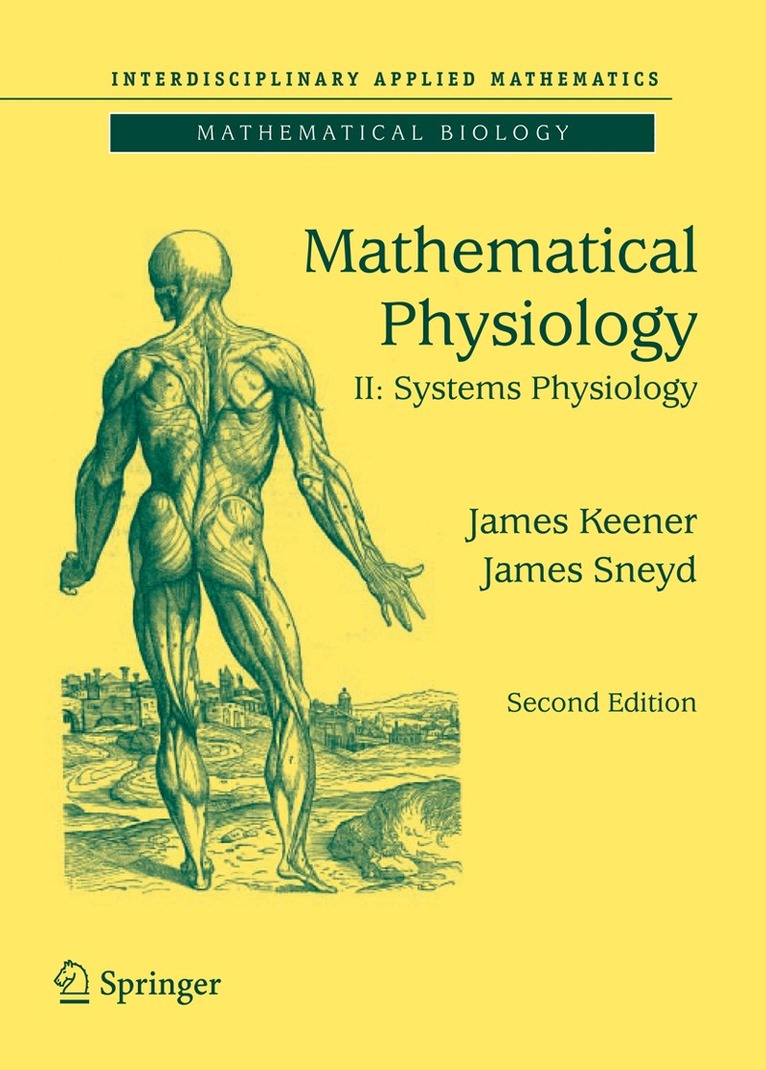
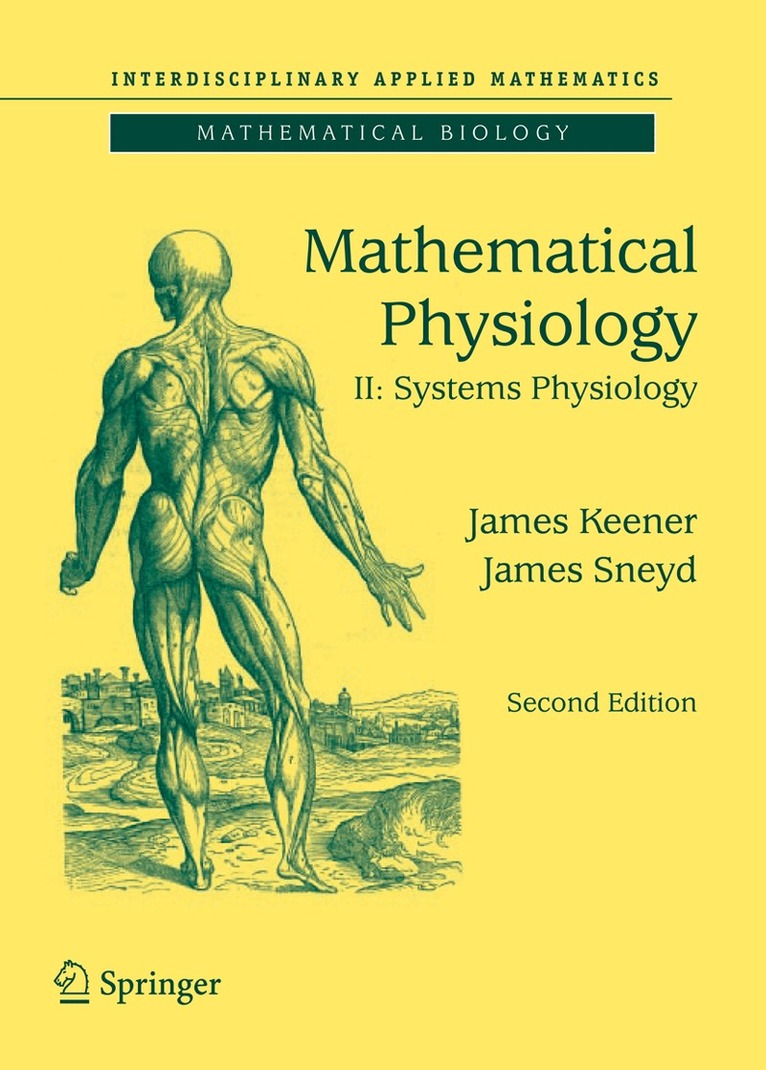
Mathematical Physiology
II: Systems Physiology
Inbunden, 2008
1419 kr
Lägg i varukorg
There has been a long history of interaction between mathematics and physiology. This book looks in detail at a wide selection of mathematical models in physiology, showing how physiological problems can be formulated and studied mathematically, and how such models give rise to interesting and …
Mathematical Physiology
II: Systems Physiology
E-bok, 2009
1326 kr
Lägg i varukorg
There has been a long history of interaction between mathematics and physiology. This book looks in detail at a wide selection of mathematical models in physiology, showing how physiological problems can be formulated and studied mathematically, and how such models give rise to interesting and …
Principles Of Applied Mathematics
Av James Keener
Inbunden, 2000
2131 kr
Lägg i varukorg
Principles of Applied Mathematics provides a comprehensive look at how classical methods are used in many fields and contexts. Updated to reflect developments of the last twenty years, it shows how two areas of classical applied mathematics,spectral theory of operators and asymptotic analysis,are …
Mathematical Physiology
I: Cellular Physiology
Häftad, 2014
741 kr
Lägg i varukorg
This book is an overview of mathematical physiology. It contains a variety of physiological problems and the current and new mathematical techniques used in this area. It will be of interest both to applied mathematicians and quantitative physiologists.
Mathematical Physiology
II: Systems Physiology
Häftad, 2008
1014 kr
Lägg i varukorg
There has been a long history of interaction between mathematics and physiology. This book looks in detail at a wide selection of mathematical models in physiology, showing how physiological problems can be formulated and studied mathematically, and how such models give rise to interesting and …
Mathematical Physiology
E-bok, 2026
1617 kr
Lägg i varukorg
The intersection of mathematics and physiology has a rich history, with mathematical models playing a critical role in advancing our understanding of physiological systems, from basic cellular dynamics to complex systems biology. Through the examination of both classic and contemporary models, this …