James L. Gelvin – författare
Visar alla böcker från författaren James L. Gelvin. Handla med fri frakt och snabb leverans.
19 produkter
19 produkter
Engelska, 2017
189 kr
Skickas inom 5-8 vardagar
E-bok
PDF, Engelska, 2017112 kr
Läs direkt efter köp
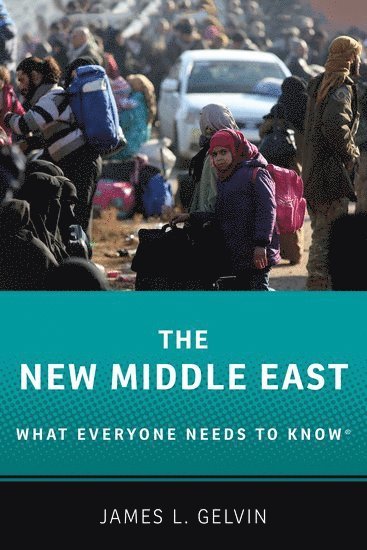
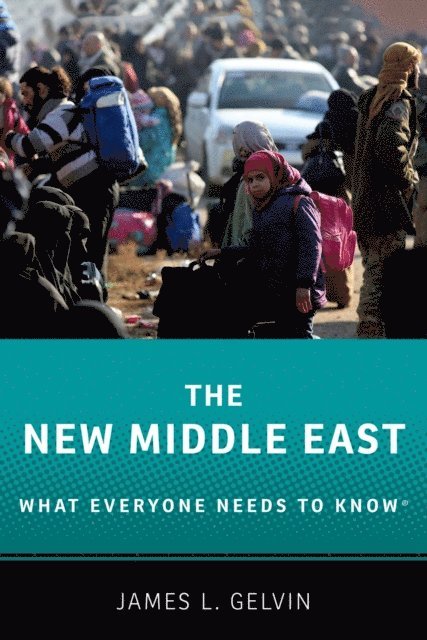
In the aftermath of the collapse of the USSR, the American invasion of Iraq, and the Arab uprisings of 2010-11, a new Middle East has emerged. The Syrian civil war has displaced half the country''s population, and ISIS and other jihadi groups thrive in the political vacuum there and in Iraq, setting a new standard for political violence. Meanwhile, regimes in Egypt and Bahrain have become even more repressive after the uprisings there, and Libya and Yemen have virtually ceased to exist as states. The hallmarks of this new Middle East are rebellion and repression, proxy wars, sectarian strife, the rise of the Islamic State, and intraregional polarization. International and regional actors stoke the flames, with the United States and Russia seeking to reposition themselves in the region and Saudi Arabia and Iran vying for supremacy. In the long term, perils including climate change, food and water insecurity, and population growth, along with bad governance and stagnant economies, will determine the destiny of the region. In The New Middle East: What Everyone Needs to Know®, renowned Middle East scholar James L. Gelvin explains all these developments and more in a concise question-and-answer format. Outlining the social, political, and economic contours of the New Middle East, he illuminates the current crisis in the region and explores how the region will continue to change in the decades to come.
E-bok
Engelska, 2017112 kr
Läs direkt efter köp
In the aftermath of the collapse of the USSR, the American invasion of Iraq, and the Arab uprisings of 2010-11, a new Middle East has emerged. The Syrian civil war has displaced half the country''s population, and ISIS and other jihadi groups thrive in the political vacuum there and in Iraq, setting a new standard for political violence. Meanwhile, regimes in Egypt and Bahrain have become even more repressive after the uprisings there, and Libya and Yemen have virtually ceased to exist as states. The hallmarks of this new Middle East are rebellion and repression, proxy wars, sectarian strife, the rise of the Islamic State, and intraregional polarization. International and regional actors stoke the flames, with the United States and Russia seeking to reposition themselves in the region and Saudi Arabia and Iran vying for supremacy. In the long term, perils including climate change, food and water insecurity, and population growth, along with bad governance and stagnant economies, will determine the destiny of the region. In The New Middle East: What Everyone Needs to Know®, renowned Middle East scholar James L. Gelvin explains all these developments and more in a concise question-and-answer format. Outlining the social, political, and economic contours of the New Middle East, he illuminates the current crisis in the region and explores how the region will continue to change in the decades to come.
Inbunden, Engelska, 2024
548 kr
Skickas inom 7-10 vardagar
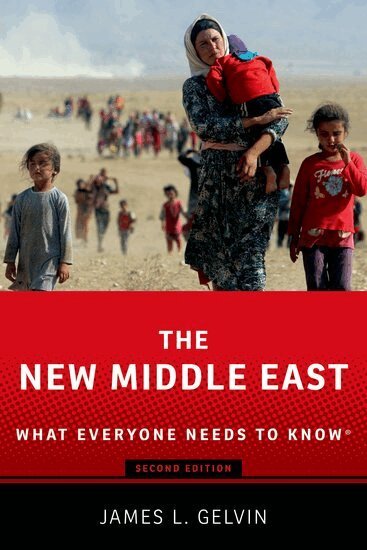
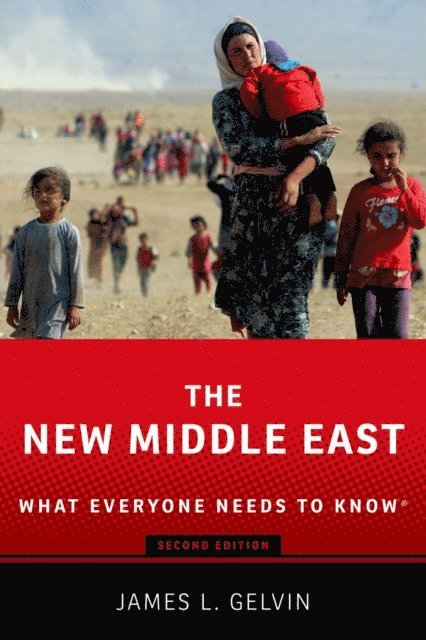
In the second edition of The New Middle East: What Everyone Needs to Know, renowned Middle East scholar James L. Gelvin explains how in the aftermath of the collapse of the USSR, the American invasion of Iraq, and the Arab uprisings of 2010-11, a new Middle East has emerged. Syria, Libya, and Yemen have become "crisis states," where warlords vie against governments and each other. The economies of Iran, Turkey, and Lebanon, weakened by corruption, sanctions, and neoliberal economic policies, have imploded. Some states have doubled-down on repression, while others intervene in the internal affairs of their neighbors with impunity. The revised and expanded edition explores these hallmarks of the New Middle East, along with the end of American hegemony in the region, the expansion of "conflict zones," the continued centrality of the Saudi-Iranian competition, and the ramifications of the breakdown of the Israel-Palestine peace process. It also highlights the crisis of human security brought on by the COVID-19 pandemic, bad governance, stagnant economies, poor healthcare and educational delivery systems, climate change, food and water insecurity, population growth and imbalance, and the unprecedented displacement of populations. In a concise question-and-answer format, Gelvin outlines the social, political, and economic contours of the New Middle East, illuminating the current crisis in the region and exploring how it is likely to evolve in the decades to come.
E-bok
PDF, Engelska, 2023133 kr
Läs direkt efter köp
In the second edition of The New Middle East: What Everyone Needs to Know, renowned Middle East scholar James L. Gelvin explains how in the aftermath of the collapse of the USSR, the American invasion of Iraq, and the Arab uprisings of 2010-11, a new Middle East has emerged. Syria, Libya, and Yemen have become "crisis states," where warlords vie against governments and each other. The economies of Iran, Turkey, and Lebanon, weakened by corruption, sanctions, and neoliberal economic policies, have imploded. Some states have doubled-down on repression, while others intervene in the internal affairs of their neighbors with impunity. The revised and expanded edition explores these hallmarks of the New Middle East, along with the end of American hegemony in the region, the expansion of "conflict zones," the continued centrality of the Saudi-Iranian competition, and the ramifications of the breakdown of the Israel-Palestine peace process. It also highlights the crisis of human security brought on by the COVID-19 pandemic, bad governance, stagnant economies, poor healthcare and educational delivery systems, climate change, food and water insecurity, population growth and imbalance, and the unprecedented displacement of populations. In a concise question-and-answer format, Gelvin outlines the social, political, and economic contours of the New Middle East, illuminating the current crisis in the region and exploring how it is likely to evolve in the decades to come.
E-bok
Engelska, 2023133 kr
Läs direkt efter köp
In the second edition of The New Middle East: What Everyone Needs to Know, renowned Middle East scholar James L. Gelvin explains how in the aftermath of the collapse of the USSR, the American invasion of Iraq, and the Arab uprisings of 2010-11, a new Middle East has emerged. Syria, Libya, and Yemen have become "crisis states," where warlords vie against governments and each other. The economies of Iran, Turkey, and Lebanon, weakened by corruption, sanctions, and neoliberal economic policies, have imploded. Some states have doubled-down on repression, while others intervene in the internal affairs of their neighbors with impunity. The revised and expanded edition explores these hallmarks of the New Middle East, along with the end of American hegemony in the region, the expansion of "conflict zones," the continued centrality of the Saudi-Iranian competition, and the ramifications of the breakdown of the Israel-Palestine peace process. It also highlights the crisis of human security brought on by the COVID-19 pandemic, bad governance, stagnant economies, poor healthcare and educational delivery systems, climate change, food and water insecurity, population growth and imbalance, and the unprecedented displacement of populations. In a concise question-and-answer format, Gelvin outlines the social, political, and economic contours of the New Middle East, illuminating the current crisis in the region and exploring how it is likely to evolve in the decades to come.
Häftad, Engelska, 2025
959 kr
Kommande
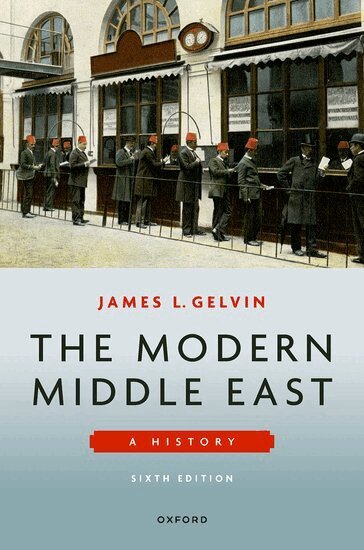
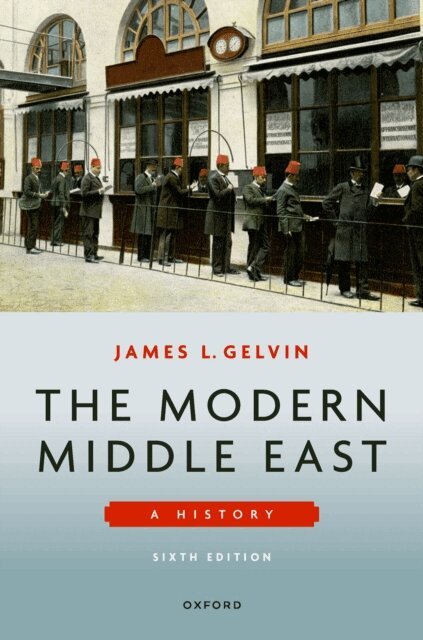
Extensively revised and updated in this sixth edition, The Modern Middle East explores how the forces associated with global modernity have shaped the social, economic, cultural, and political life in the region over the course of the past 500 years. Beginning with the first glimmerings of the current international state and economic systems in the sixteenth century, this book examines the impact of imperial and imperialist legacies, the great nineteenth-century transformation, cultural continuities and upheavals, international diplomacy, economic booms and busts, and the emergence of authoritarian regimes and the varied forms of resistance to them and to imperialism in an area of vital concern to us all. The text is engagingly written--drawing from the author's own research and other studies--and enriched with maps and photographs, original documents, and other supplementary materials.
E-bok
Engelska, 2025652 kr
Läs direkt efter köp
Extensively revised and updated in this sixth edition, The Modern Middle East explores how the forces associated with global modernity have shaped the social, economic, cultural, and political life in the region over the course of the past 500 years. Beginning with the first glimmerings of the current international state and economic systems in the sixteenth century, this book examines the impact of imperial and imperialist legacies, the great nineteenth-century transformation, cultural continuities and upheavals, international diplomacy, economic booms and busts, and the emergence of authoritarian regimes and the varied forms of resistance to them and to imperialism in an area of vital concern to us all. The text is engagingly written--drawing from the author's own research and other studies--and enriched with maps and photographs, original documents, and other supplementary materials.
Häftad, Engelska, 1999
414 kr
Skickas inom 5-8 vardagar
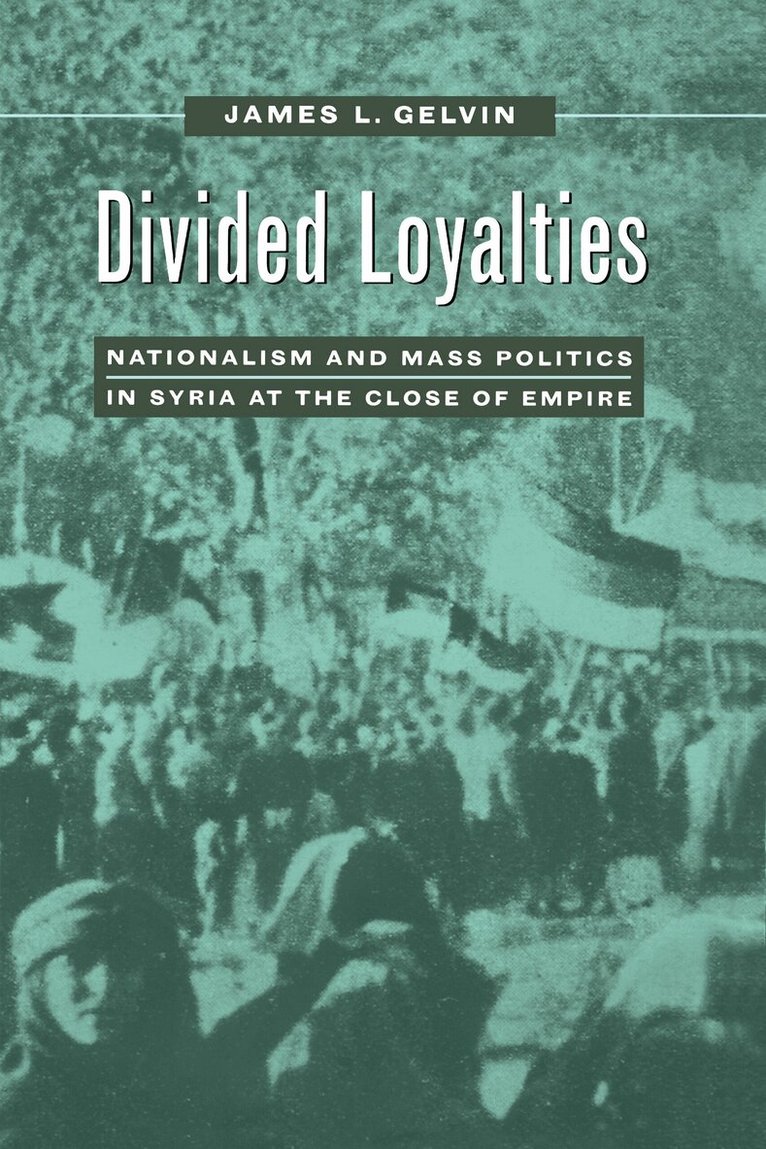
James L. Gelvin brings a new and distinctive perspective to the perennially fascinating topic of nationalism in the Arab Middle East. Unlike previous historians who have focused on the activities and ideas of a small group of elites, Gelvin details the role played by non-elites in nationalist politics during the early part of the twentieth century. Drawing from previously untapped sources, he documents the appearance of a new form of political organization--the popular committee--that sprang up in cities and villages throughout greater Syria in the immediate aftermath of the First World War. These committees empowered a new type of nationalist leadership, made nationalist politics a mass phenomenon for the first time, and articulated a view of nation and nationalism that continues to inform the politics of the region today. Gelvin does more than recount an episode in the history of nationalism in the Arab Middle East. His examination of leaflets, graffiti, speeches, rumors, and editorials offers fresh insights into the symbolic construction of national communities.His analysis of ceremonies--national celebrations, demonstrations, theater--contributes to our understanding of the emergence of mass politics. By situating his study within a broader historical context, Gelvin has written a book that will be of interest to all who wish to understand nationalism in the region and beyond.
Häftad, Engelska, 2013
306 kr
Skickas inom 5-8 vardagar
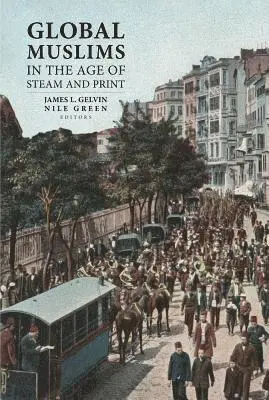
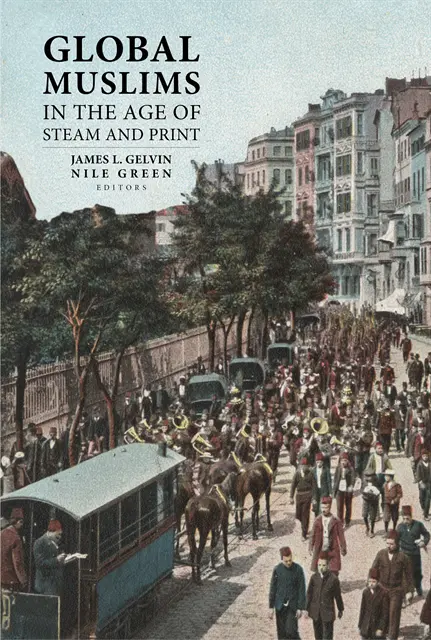
The second half of the nineteenth century marks a watershed in human history. Railroads linked remote hinterlands with cities; overland and undersea cables connected distant continents. New and accessible print technologies made the wide dissemination of ideas possible; oceangoing steamers carried goods to faraway markets and enabled the greatest long-distance migrations in recorded history. In this volume, leading scholars of the Islamic world recount the enduring consequences these technological, economic, social, and cultural revolutions had on Muslim communities from North Africa to South Asia, the Indian Ocean, and China. Drawing on a multiplicity of approaches and genres, from commodity history to biography to social network theory, the essays in Global Muslims in the Age of Steam and Print offer new and diverse perspectives on a transnational community in an era of global transformation.
503 kr
Läs direkt efter köp
James L. Gelvin brings a new and distinctive perspective to the perennially fascinating topic of nationalism in the Arab Middle East. Unlike previous historians who have focused on the activities and ideas of a small group of elites, Gelvin details the role played by non-elites in nationalist politics during the early part of the twentieth century. Drawing from previously untapped sources, he documents the appearance of a new form of political organization—the popular committee—that sprang up in cities and villages throughout greater Syria in the immediate aftermath of the First World War. These committees empowered a new type of nationalist leadership, made nationalist politics a mass phenomenon for the first time, and articulated a view of nation and nationalism that continues to inform the politics of the region today.Gelvin does more than recount an episode in the history of nationalism in the Arab Middle East. His examination of leaflets, graffiti, speeches, rumors, and editorials offers fresh insights into the symbolic construction of national communities. His analysis of ceremonies—national celebrations, demonstrations, theater—contributes to our understanding of the emergence of mass politics. By situating his study within a broader historical context, Gelvin has written a book that will be of interest to all who wish to understand nationalism in the region and beyond.James L. Gelvin brings a new and distinctive perspective to the perennially fascinating topic of nationalism in the Arab Middle East. Unlike previous historians who have focused on the activities and ideas of a small group of elites, Gelvin details the ro
E-bok
Engelska, 2013520 kr
Läs direkt efter köp
The second half of the nineteenth century marks a watershed in human history. Railroads linked remote hinterlands with cities; overland and undersea cables connected distant continents. New and accessible print technologies made the wide dissemination of ideas possible; oceangoing steamers carried goods to faraway markets and enabled the greatest long-distance migrations in recorded history.In this volume, leading scholars of the Islamic world recount the enduring consequences these technological, economic, social, and cultural revolutions had on Muslim communities from North Africa to South Asia, the Indian Ocean, and China. Drawing on a multiplicity of approaches and genres, from commodity history to biography to social network theory, the essays in Global Muslims in the Age of Steam and Print offer new and diverse perspectives on a transnational community in an era of global transformation.
Inbunden, Engelska, 2021
1 195 kr
Skickas inom 7-10 vardagar
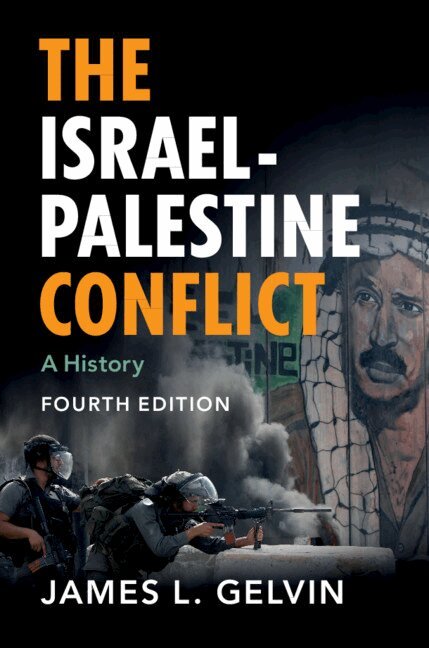
Now in its fourth edition, James L. Gelvin's award-winning account of the conflict between Israel and Palestine offers a compelling, accessible and current introduction for students and general readers. The book traces the struggle from the emergence of nationalism among the Jews of Europe and the Arab inhabitants of Ottoman Palestine through to the present, exploring the external pressures and internal logic that have propelled it. Placing events in Palestine within the framework of global history, The Israel-Palestine Conflict: A History skilfully interweaves biographical sketches, eyewitness accounts, poetry, fiction, and official documentation into its narrative. This updated edition features new material on the fate of the two-state solution during the Trump/Netanyahu era, alongside an expanded glossary and suggestions for further reading.
Häftad, Engelska, 2021
403 kr
Skickas inom 7-10 vardagar
Now in its fourth edition, James L. Gelvin's award-winning account of the conflict between Israel and Palestine offers a compelling, accessible and current introduction for students and general readers. The book traces the struggle from the emergence of nationalism among the Jews of Europe and the Arab inhabitants of Ottoman Palestine through to the present, exploring the external pressures and internal logic that have propelled it. Placing events in Palestine within the framework of global history, The Israel-Palestine Conflict: A History skilfully interweaves biographical sketches, eyewitness accounts, poetry, fiction, and official documentation into its narrative. This updated edition features new material on the fate of the two-state solution during the Trump/Netanyahu era, alongside an expanded glossary and suggestions for further reading.
E-bok
Engelska, 2021473 kr
Läs direkt efter köp
Now in its fourth edition, James L. Gelvin''s award-winning account of the conflict between Israel and Palestine offers a compelling, accessible and current introduction for students and general readers. The book traces the struggle from the emergence of nationalism among the Jews of Europe and the Arab inhabitants of Ottoman Palestine through to the present, exploring the external pressures and internal logic that have propelled it. Placing events in Palestine within the framework of global history, The Israel-Palestine Conflict: A History skilfully interweaves biographical sketches, eyewitness accounts, poetry, fiction, and official documentation into its narrative. This updated edition features new material on the fate of the two-state solution during the Trump/Netanyahu era, alongside an expanded glossary and suggestions for further reading.
E-bok
PDF, Engelska, 2021473 kr
Läs direkt efter köp
Now in its fourth edition, James L. Gelvin''s award-winning account of the conflict between Israel and Palestine offers a compelling, accessible and current introduction for students and general readers. The book traces the struggle from the emergence of nationalism among the Jews of Europe and the Arab inhabitants of Ottoman Palestine through to the present, exploring the external pressures and internal logic that have propelled it. Placing events in Palestine within the framework of global history, The Israel-Palestine Conflict: A History skilfully interweaves biographical sketches, eyewitness accounts, poetry, fiction, and official documentation into its narrative. This updated edition features new material on the fate of the two-state solution during the Trump/Netanyahu era, alongside an expanded glossary and suggestions for further reading.
Inbunden, Engelska, 2021
1 363 kr
Skickas inom 5-8 vardagar
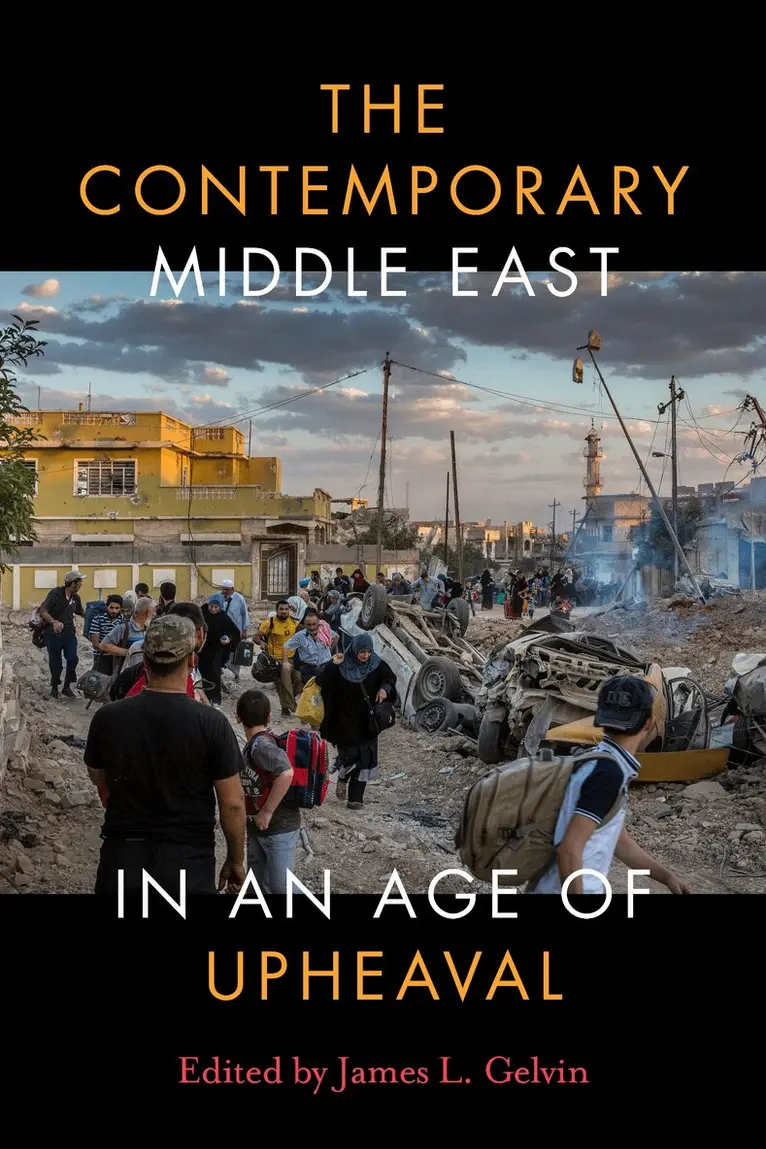
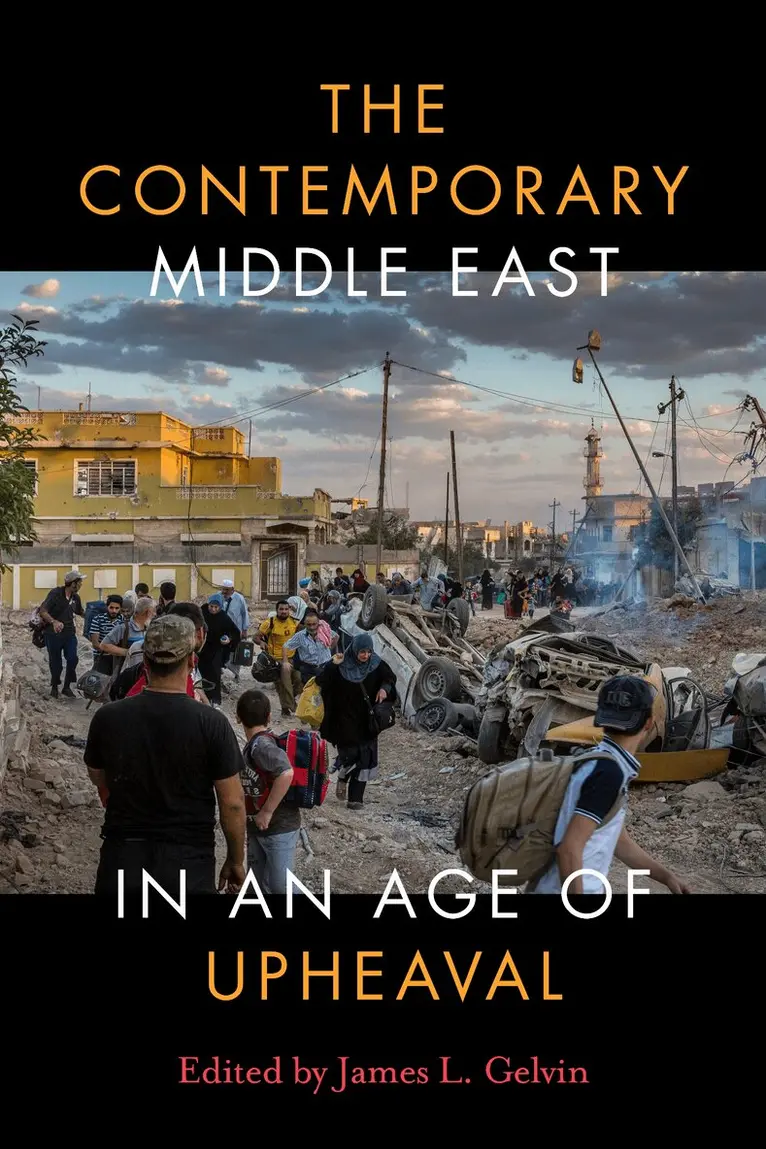
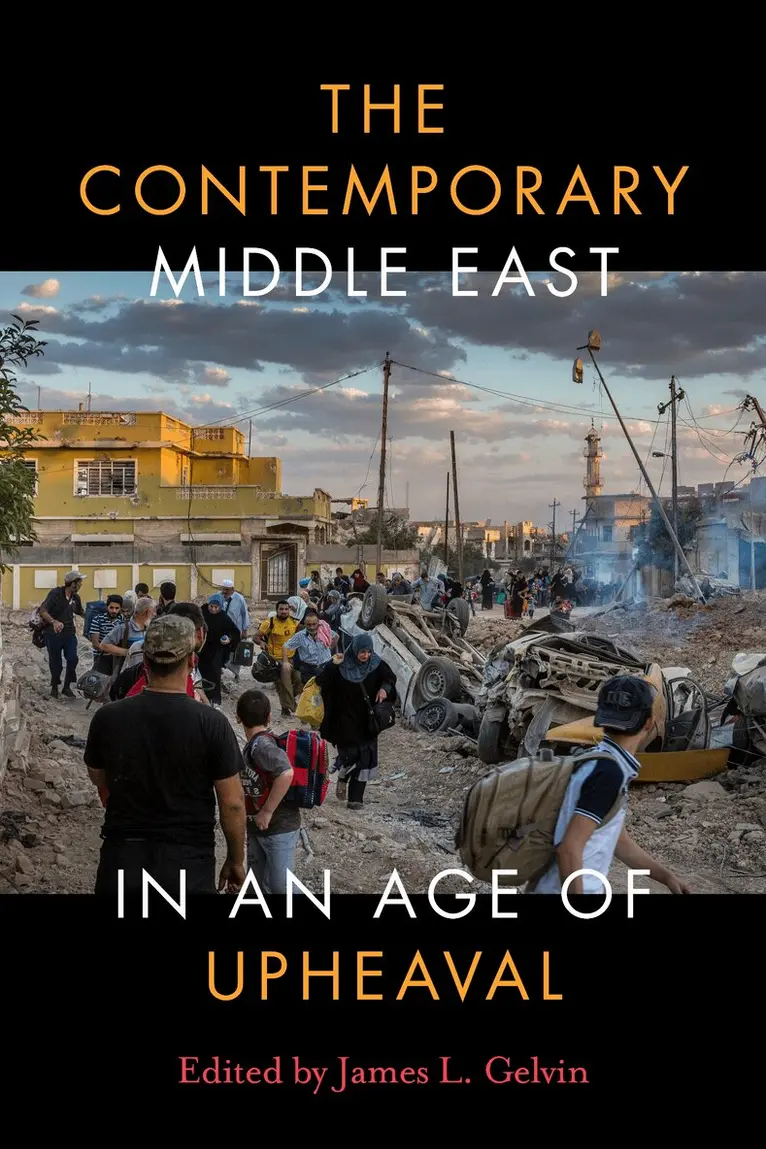
The US invasion of Iraq in 2003 and the Arab uprisings of 2010–11 left indelible imprints on the Middle East. Yet, these events have not reshaped the region as pundits once predicted. With this volume, top experts on the region offer wide-ranging considerations of the characteristics, continuities, and discontinuities of the contemporary Middle East, addressing topics from international politics to political Islam, hip hop to human security. This book engages six themes to understand the contemporary Middle East—the spread of sectarianism, abandonment of principles of state sovereignty, the lack of a regional hegemonic power, increased Saudi-Iranian competition, decreased regional attention to the Israel-Palestine conflict, and fallout from the Arab uprisings—as well as offers individual country studies. With analysis from historians, political scientists, sociologists, and anthropologists, and up-to-date discussions of the Syrian Civil War, impacts of the Trump presidency, and the 2020 uprisings in Lebanon, Algeria, and Sudan, this book will be an essential guide for anyone seeking to understand the current state of the region.
Häftad, Engelska, 2021
332 kr
Skickas inom 5-8 vardagar
The US invasion of Iraq in 2003 and the Arab uprisings of 2010–11 left indelible imprints on the Middle East. Yet, these events have not reshaped the region as pundits once predicted. With this volume, top experts on the region offer wide-ranging considerations of the characteristics, continuities, and discontinuities of the contemporary Middle East, addressing topics from international politics to political Islam, hip hop to human security. This book engages six themes to understand the contemporary Middle East—the spread of sectarianism, abandonment of principles of state sovereignty, the lack of a regional hegemonic power, increased Saudi-Iranian competition, decreased regional attention to the Israel-Palestine conflict, and fallout from the Arab uprisings—as well as offers individual country studies. With analysis from historians, political scientists, sociologists, and anthropologists, and up-to-date discussions of the Syrian Civil War, impacts of the Trump presidency, and the 2020 uprisings in Lebanon, Algeria, and Sudan, this book will be an essential guide for anyone seeking to understand the current state of the region.
E-bok
Engelska, 2021398 kr
Läs direkt efter köp
The US invasion of Iraq in 2003 and the Arab uprisings of 2010–11 left indelible imprints on the Middle East. Yet, these events have not reshaped the region as pundits once predicted. With this volume, top experts on the region offer wide-ranging considerations of the characteristics, continuities, and discontinuities of the contemporary Middle East, addressing topics from international politics to political Islam, hip hop to human security. This book engages six themes to understand the contemporary Middle East—the spread of sectarianism, abandonment of principles of state sovereignty, the lack of a regional hegemonic power, increased Saudi-Iranian competition, decreased regional attention to the Israel-Palestine conflict, and fallout from the Arab uprisings—as well as offers individual country studies. With analysis from historians, political scientists, sociologists, and anthropologists, and up-to-date discussions of the Syrian Civil War, impacts of the Trump presidency, and the 2020 uprisings in Lebanon, Algeria, and Sudan, this book will be an essential guide for anyone seeking to understand the current state of the region.