James Leo Cahill - Böcker
Visar alla böcker från författaren James Leo Cahill. Handla med fri frakt och snabb leverans.
4 produkter
4 produkter
616 kr
Skickas inom 10-15 vardagar
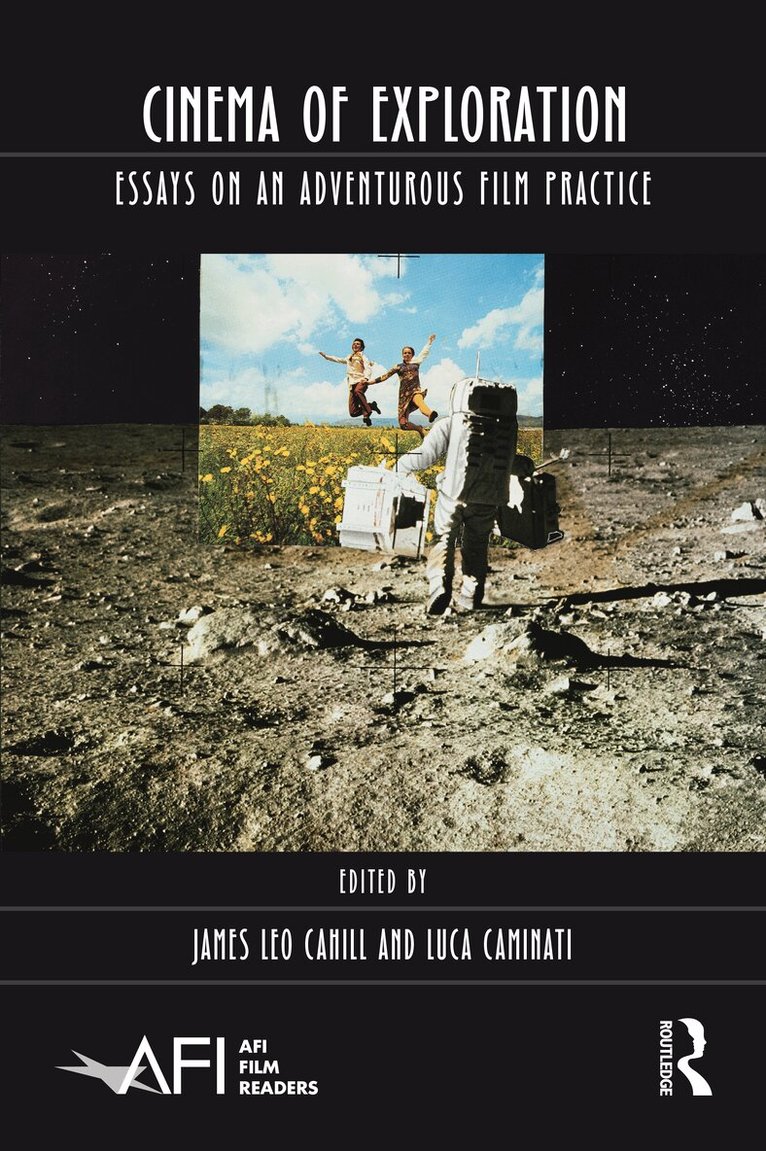
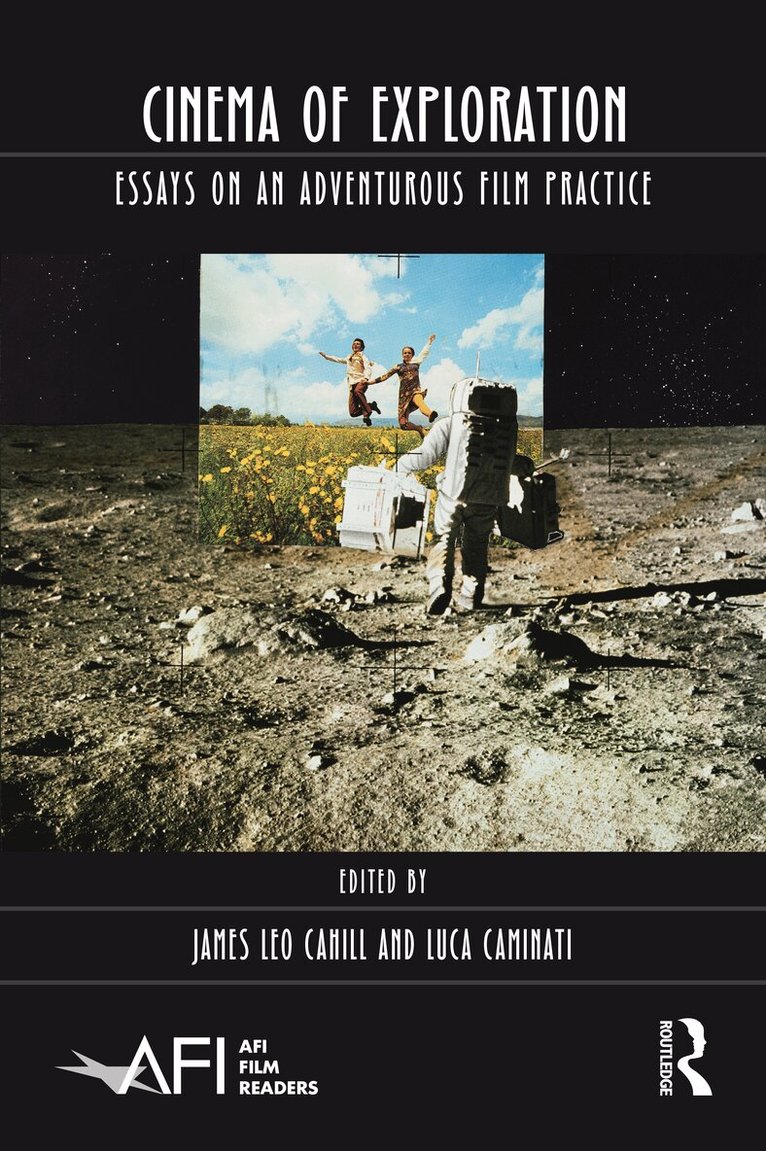
Drawing together 18 contributions from leading international scholars, this book conceptualizes the history and theory of cinema’s century-long relationship to modes of exploration in its many forms, from colonialist expeditions to decolonial radical cinemas to the perceptual voyage of the senses made possible by the cinematic apparatus. This is the first anthology dedicated to analysing cinema’s relationship to exploration from a global, decolonial, and ecological perspective. Featuring leading scholars working with pathbreaking interdisciplinary methodologies (drawing on insights from science and technology studies, postcolonial theory, indigenous ways of knowing, and film theory and history), it theorizes not only cinema’s implication in imperial conquest but also its cutting-edge role in empirical expansion and experiments in sensual and critical perception. The collected essays consider filmmaking in cross-cultural contexts and films made in or about peoples in South America, Asia, Africa, Indigenous North America, as well as polar, outer space, and underwater exploration, with famous figures such as Jacques Yves Cousteau alongside amateur and scientific filmmakers.The essays in this collection are ideal for a broad range of scholars, graduate students, and advanced undergraduate students in cinema and media studies, cultural studies, and cognate fields.
2 103 kr
Skickas inom 10-15 vardagar
Drawing together 18 contributions from leading international scholars, this book conceptualizes the history and theory of cinema’s century-long relationship to modes of exploration in its many forms, from colonialist expeditions to decolonial radical cinemas to the perceptual voyage of the senses made possible by the cinematic apparatus. This is the first anthology dedicated to analysing cinema’s relationship to exploration from a global, decolonial, and ecological perspective. Featuring leading scholars working with pathbreaking interdisciplinary methodologies (drawing on insights from science and technology studies, postcolonial theory, indigenous ways of knowing, and film theory and history), it theorizes not only cinema’s implication in imperial conquest but also its cutting-edge role in empirical expansion and experiments in sensual and critical perception. The collected essays consider filmmaking in cross-cultural contexts and films made in or about peoples in South America, Asia, Africa, Indigenous North America, as well as polar, outer space, and underwater exploration, with famous figures such as Jacques Yves Cousteau alongside amateur and scientific filmmakers.The essays in this collection are ideal for a broad range of scholars, graduate students, and advanced undergraduate students in cinema and media studies, cultural studies, and cognate fields.
1 279 kr
Skickas inom 10-15 vardagar
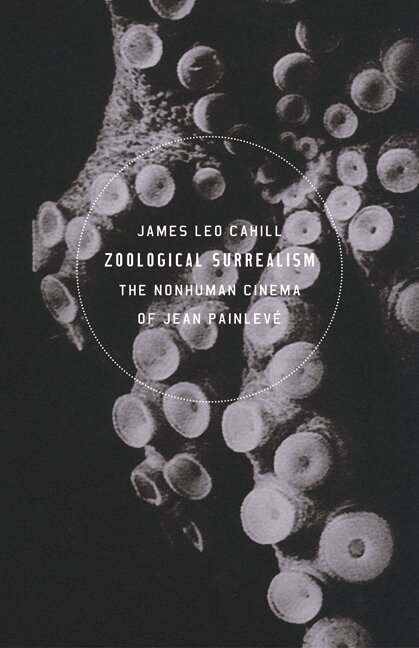
An archive-based, in-depth analysis of the surreal nature and science movies of the pioneering French filmmaker Jean PainlevÉBefore Jacques-Yves Cousteau, there was Jean PainlevÉ, a pioneering French scientific and nature filmmaker with a Surrealist’s eye. Creator of more than two hundred films, his studies of strange animal worlds doubled as critical reimaginations of humanity. With an unerring eye for the uncanny and unexpected, PainlevÉ and his assistant GeneviÈve Hamon captured oneiric octopuses, metamorphic crustaceans, erotic seahorses, mythic vampire bats, and insatiable predatory insects.Zoological Surrealism draws from PainlevÉ’s early oeuvre to rethink the entangled histories of cinema, Surrealism, and scientific research in interwar France. Delving deeply into PainlevÉ’s archive, James Leo Cahill develops an account of “cinema’s Copernican vocation”-how it was used to forge new scientific discoveries while also displacing and critiquing anthropocentric viewpoints.From PainlevÉ’s engagements with Sergei Eisenstein, Georges Franju, and competing Surrealists to the historiographical dimensions of Jean Vigo’s concept of social cinema, Zoological Surrealism taps never-before-examined sources to offer a completely original perspective on a cutting-edge filmmaker. The first extensive English-language study of PainlevÉ’s early films and their contexts, it adds important new insight to our understanding of film while also contributing to contemporary investigations of the increasingly surreal landscapes of climate change and ecological emergency.
300 kr
Skickas inom 7-10 vardagar
An archive-based, in-depth analysis of the surreal nature and science movies of the pioneering French filmmaker Jean PainlevÉBefore Jacques-Yves Cousteau, there was Jean PainlevÉ, a pioneering French scientific and nature filmmaker with a Surrealist’s eye. Creator of more than two hundred films, his studies of strange animal worlds doubled as critical reimaginations of humanity. With an unerring eye for the uncanny and unexpected, PainlevÉ and his assistant GeneviÈve Hamon captured oneiric octopuses, metamorphic crustaceans, erotic seahorses, mythic vampire bats, and insatiable predatory insects.Zoological Surrealism draws from PainlevÉ’s early oeuvre to rethink the entangled histories of cinema, Surrealism, and scientific research in interwar France. Delving deeply into PainlevÉ’s archive, James Leo Cahill develops an account of “cinema’s Copernican vocation”-how it was used to forge new scientific discoveries while also displacing and critiquing anthropocentric viewpoints.From PainlevÉ’s engagements with Sergei Eisenstein, Georges Franju, and competing Surrealists to the historiographical dimensions of Jean Vigo’s concept of social cinema, Zoological Surrealism taps never-before-examined sources to offer a completely original perspective on a cutting-edge filmmaker. The first extensive English-language study of PainlevÉ’s early films and their contexts, it adds important new insight to our understanding of film while also contributing to contemporary investigations of the increasingly surreal landscapes of climate change and ecological emergency.