Luca Caminati - Böcker
Visar alla böcker från författaren Luca Caminati. Handla med fri frakt och snabb leverans.
4 produkter
4 produkter
764 kr
Skickas inom 7-10 vardagar
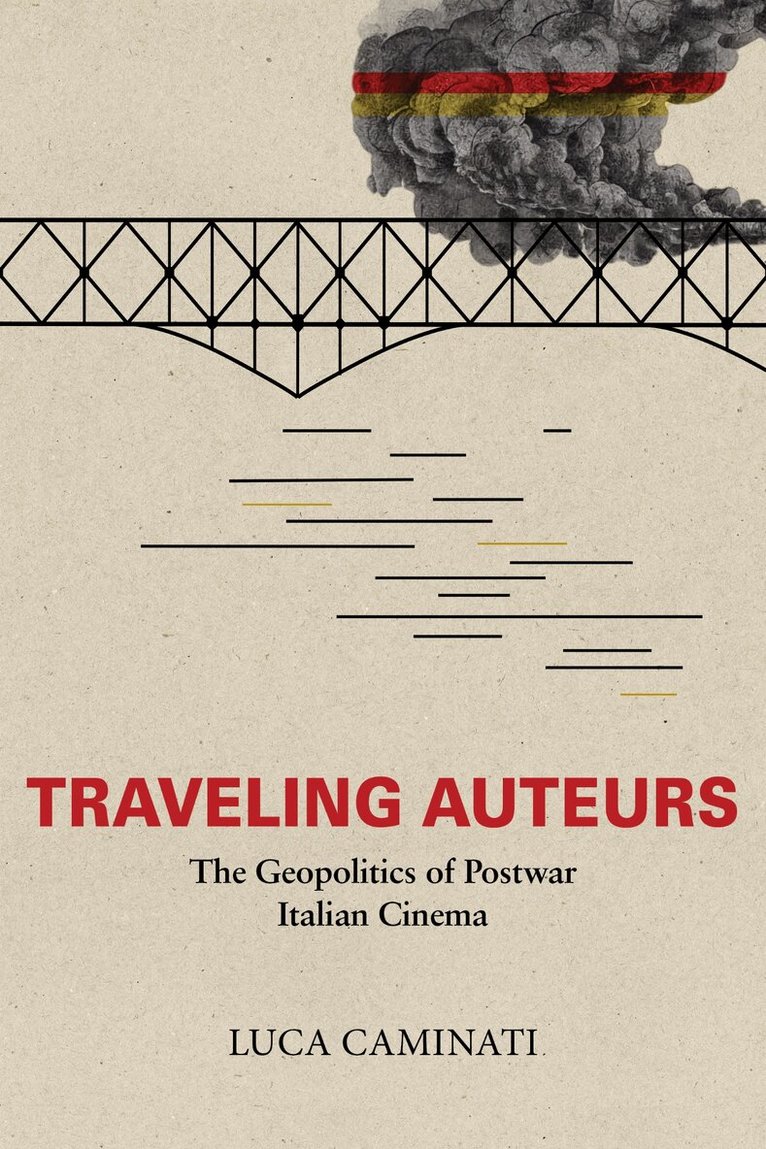
What tensions characterized the relationships between cinema, European Leftists, and emerging postcolonial ideologies after World War II? In Traveling Auteurs, author Luca Caminati analyzes the work of influential Italian filmmakers Roberto Rossellini, Pier Paolo Pasolini, and Michelangelo Antonioni as they engaged politically and aesthetically with the global landscapes and politics of the Cold War period. As documentaries, the films considered in this book record specific manifestations of political sensibilities of the twentieth century. As bodies of work, they reveal that the traveling auteurs who made them were symptomatic actors in complex geopolitical networks. As cultural objects reflecting and shaping contemporaneous debates, they provoke a complex afterlife at home and abroad. In the three chapters dedicated to Rossellini in India, Pasolini in Africa and the Middle East, and Antonioni in China, Caminati pays particular attention both to the reception that these films had in the countries where they were shot and to their legacies in Italian film history. As it follows the entanglements of filmmakers, artists, and activists involved as allies or direct witnesses to momentous political change, this book sheds new light on anticolonial struggles, the reaffirmation of the Non-Aligned Movement, and the consolidation of the Chinese Communist Party.
318 kr
Skickas inom 7-10 vardagar
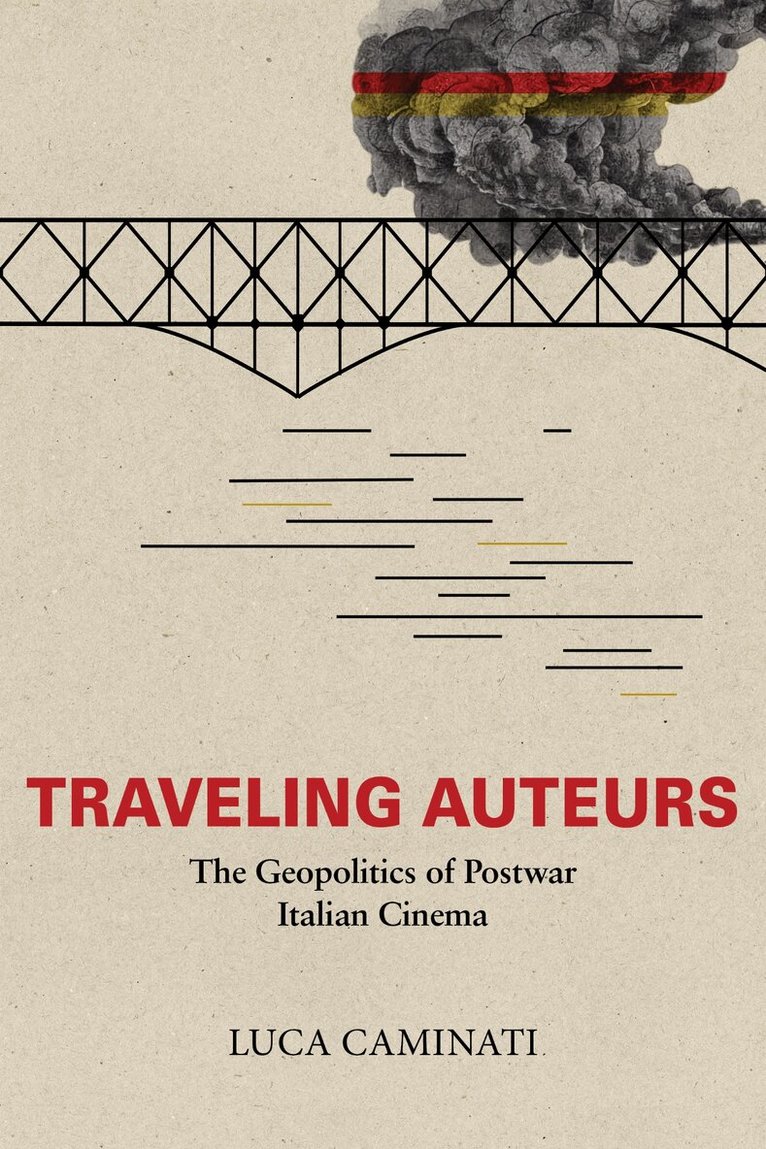
What tensions characterized the relationships between cinema, European Leftists, and emerging postcolonial ideologies after World War II? In Traveling Auteurs, author Luca Caminati analyzes the work of influential Italian filmmakers Roberto Rossellini, Pier Paolo Pasolini, and Michelangelo Antonioni as they engaged politically and aesthetically with the global landscapes and politics of the Cold War period. As documentaries, the films considered in this book record specific manifestations of political sensibilities of the twentieth century. As bodies of work, they reveal that the traveling auteurs who made them were symptomatic actors in complex geopolitical networks. As cultural objects reflecting and shaping contemporaneous debates, they provoke a complex afterlife at home and abroad. In the three chapters dedicated to Rossellini in India, Pasolini in Africa and the Middle East, and Antonioni in China, Caminati pays particular attention both to the reception that these films had in the countries where they were shot and to their legacies in Italian film history. As it follows the entanglements of filmmakers, artists, and activists involved as allies or direct witnesses to momentous political change, this book sheds new light on anticolonial struggles, the reaffirmation of the Non-Aligned Movement, and the consolidation of the Chinese Communist Party.
616 kr
Skickas inom 10-15 vardagar
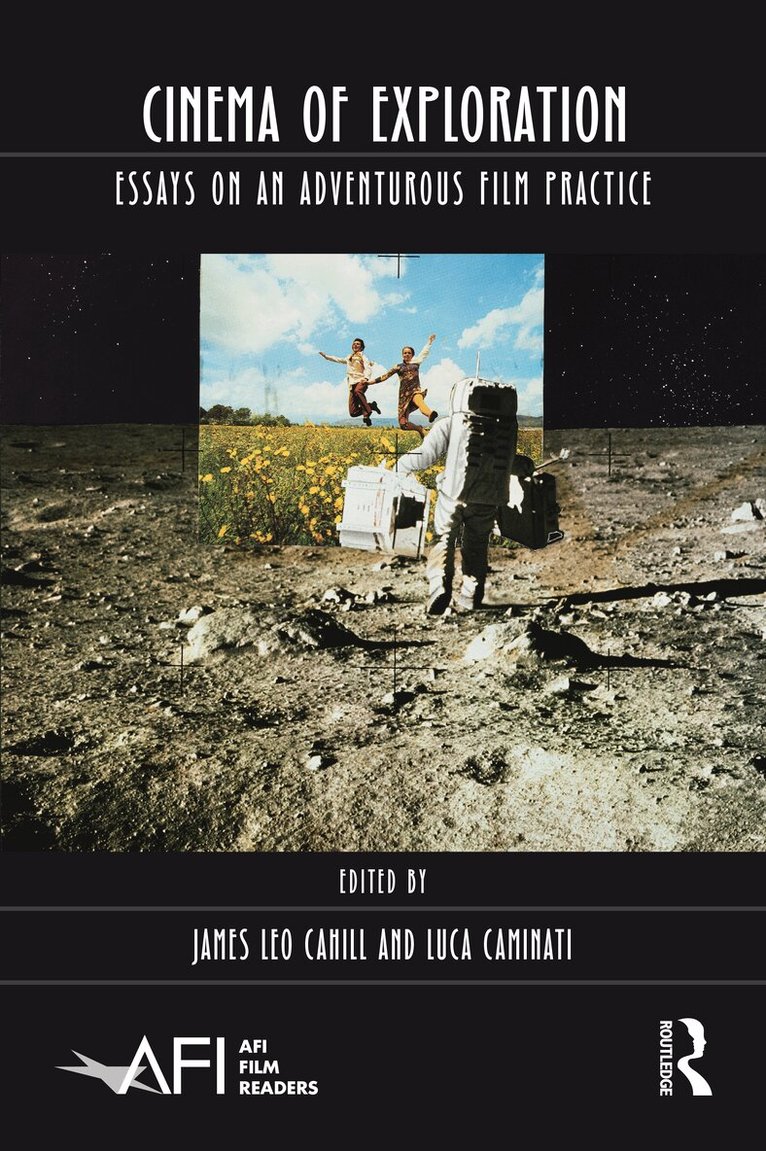
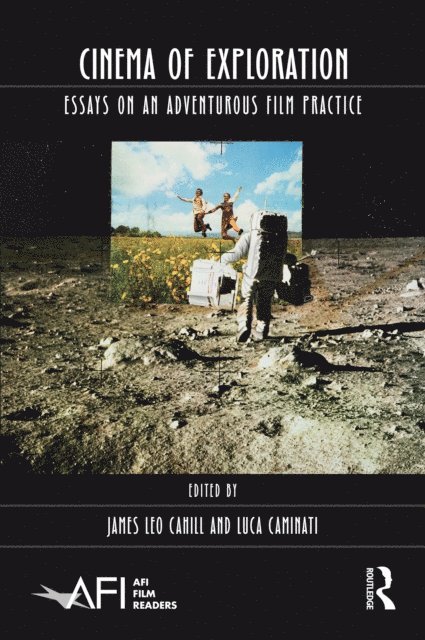
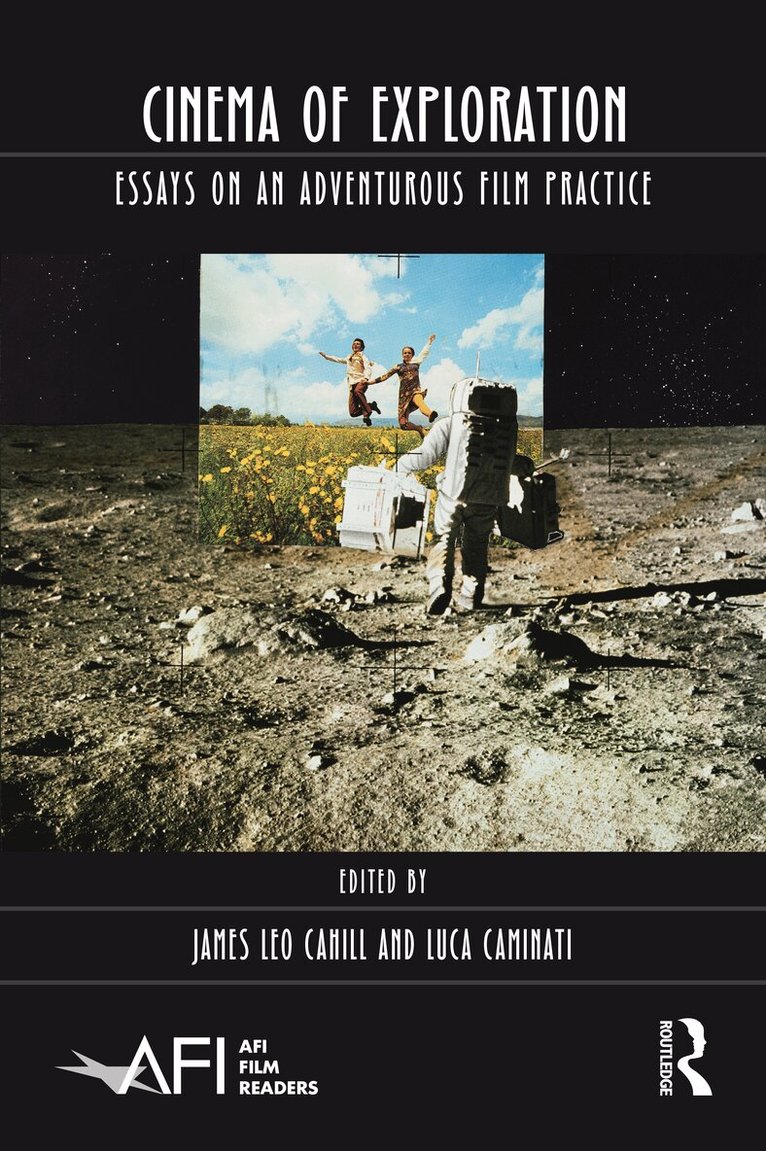
Drawing together 18 contributions from leading international scholars, this book conceptualizes the history and theory of cinema’s century-long relationship to modes of exploration in its many forms, from colonialist expeditions to decolonial radical cinemas to the perceptual voyage of the senses made possible by the cinematic apparatus. This is the first anthology dedicated to analysing cinema’s relationship to exploration from a global, decolonial, and ecological perspective. Featuring leading scholars working with pathbreaking interdisciplinary methodologies (drawing on insights from science and technology studies, postcolonial theory, indigenous ways of knowing, and film theory and history), it theorizes not only cinema’s implication in imperial conquest but also its cutting-edge role in empirical expansion and experiments in sensual and critical perception. The collected essays consider filmmaking in cross-cultural contexts and films made in or about peoples in South America, Asia, Africa, Indigenous North America, as well as polar, outer space, and underwater exploration, with famous figures such as Jacques Yves Cousteau alongside amateur and scientific filmmakers.The essays in this collection are ideal for a broad range of scholars, graduate students, and advanced undergraduate students in cinema and media studies, cultural studies, and cognate fields.
2 103 kr
Skickas inom 10-15 vardagar
Drawing together 18 contributions from leading international scholars, this book conceptualizes the history and theory of cinema’s century-long relationship to modes of exploration in its many forms, from colonialist expeditions to decolonial radical cinemas to the perceptual voyage of the senses made possible by the cinematic apparatus. This is the first anthology dedicated to analysing cinema’s relationship to exploration from a global, decolonial, and ecological perspective. Featuring leading scholars working with pathbreaking interdisciplinary methodologies (drawing on insights from science and technology studies, postcolonial theory, indigenous ways of knowing, and film theory and history), it theorizes not only cinema’s implication in imperial conquest but also its cutting-edge role in empirical expansion and experiments in sensual and critical perception. The collected essays consider filmmaking in cross-cultural contexts and films made in or about peoples in South America, Asia, Africa, Indigenous North America, as well as polar, outer space, and underwater exploration, with famous figures such as Jacques Yves Cousteau alongside amateur and scientific filmmakers.The essays in this collection are ideal for a broad range of scholars, graduate students, and advanced undergraduate students in cinema and media studies, cultural studies, and cognate fields.