James M. Estes – författare
Visar alla böcker från författaren James M. Estes. Handla med fri frakt och snabb leverans.
17 produkter
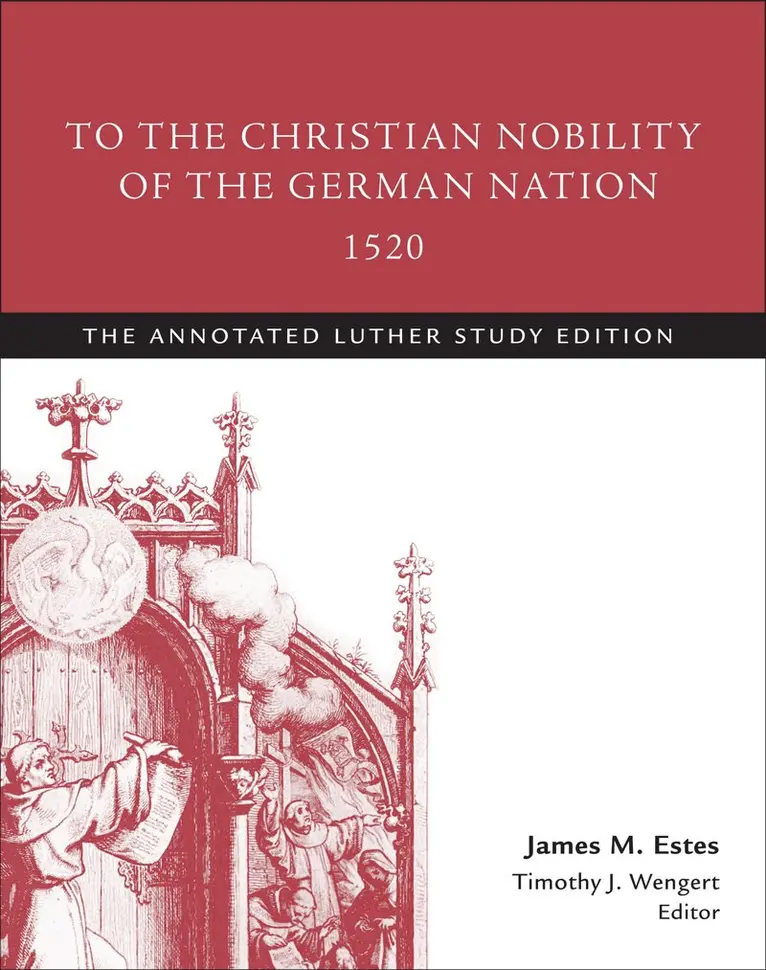
To the Christian Nobility of the German Nation, 1520
The Annotated Luther Study Edition
Av Martin Luther, James M. Estes m. fl.
Häftad, 2016
351 kr
Lägg i varukorg
Correspondence of Erasmus
Letters 2357 to 2471, Volume 17
Av Desiderius Erasmus, James M. Estes
E-bok, 2016
2475 kr
Lägg i varukorg
Many of the letters in this volume, which covers the period August 1530 to March 1531, reflect Erasmus' anxieties over events at the Diet of Augsburg (June-November 1530), at which the first of many attempts to achieve a negotiated settlement of the religious division in Germany came to a rancorous …
Correspondence of Erasmus
Letters 2357 to 2471, Volume 17
Av Desiderius Erasmus, James M. Estes
E-bok, 2016
2667 kr
Lägg i varukorg
Many of the letters in this volume, which covers the period August 1530 to March 1531, reflect Erasmus' anxieties over events at the Diet of Augsburg (June-November 1530), at which the first of many attempts to achieve a negotiated settlement of the religious division in Germany came to a rancorous …
Correspondence of Erasmus
Letters 1926 to 2081, Volume 14
Av Desiderius Erasmus, James M. Estes
Inbunden, 2011
2139 kr
Lägg i varukorg
The predominant theme of the letters of 1528 is Erasmus' controversies with a variety of critics and opponents. The publication in March of the dialogue Ciceronianus, for example, provoked a huge uproar in France because it included an ironic jest that was considered insulting to the great French …
Correspondence of Erasmus
Letters 2082 to 2203, Volume 15
Av Desiderius Erasmus, James M. Estes
Inbunden, 2012
2139 kr
Lägg i varukorg
This volume contains the surviving correspondence of Erasmus for the first seven months of 1529. For nearly eight years he had lived happily and productively in Basel. In the winter of 1528-9, however, the Swiss version of the Lutheran Reformation triumphed in the city, destroying the …
Correspondence of Erasmus
Letters 2357 to 2471, Volume 17
Av Desiderius Erasmus, James M. Estes
Inbunden, 2016
2188 kr
Lägg i varukorg
Many of the letters in this volume, which covers the period August 1530 to March 1531, reflect Erasmus' anxieties over events at the Diet of Augsburg (June-November 1530), at which the first of many attempts to achieve a negotiated settlement of the religious division in Germany came to a rancorous …
Correspondence of Erasmus
Letters 1926 to 2081, Volume 14
Av Desiderius Erasmus, James M. Estes
E-bok, 2010
2958 kr
Lägg i varukorg
The predominant theme of the letters of 1528 is Erasmus' controversies with a variety of critics and opponents. The publication in March of the dialogue Ciceronianus, for example, provoked a huge uproar in France because it included an ironic jest that was considered insulting to the great French …
Correspondence of Erasmus
Letters 2082 to 2203, Volume 15
Av Desiderius Erasmus, James M. Estes
E-bok, 2011
1108 kr
Lägg i varukorg
This volume contains the surviving correspondence of Erasmus for the first seven months of 1529. For nearly eight years he had lived happily and productively in Basel. In the winter of 1528-9, however, the Swiss version of the Lutheran Reformation triumphed in the city, destroying the …
Correspondence of Erasmus
Letters 2803 to 2939, Volume 20
Av Desiderius Erasmus, James M. Estes
Inbunden, 2020
2169 kr
Lägg i varukorg
In the months covered by this volume, Erasmus experienced sharply deteriorating health and thoughts of approaching death, although he remained active in the promotion of good causes and the defence of his good name. The seemingly imminent threat of religious civil war in Germany affected Erasmus in …
Correspondence of Erasmus
Letters 2940 to 3141, Volume 21
Av Desiderius Erasmus, James M. Estes
Inbunden, 2021
2310 kr
Lägg i varukorg
This volume comprises Erasmus' correspondence during the final two years of his life, June 1534–August 1536. In the public sphere it was a time of dramatic events: the reconquest of the duchy Württemberg from its Austrian occupiers; the siege and destruction of the Anabaptist "kingdom" at Münster; …
Correspondence of Erasmus
Letters 2082 to 2203, Volume 15
Av Desiderius Erasmus, James M. Estes
E-bok, 2017
1185 kr
Lägg i varukorg
This volume contains the surviving correspondence of Erasmus for the first seven months of 1529. For nearly eight years he had lived happily and productively in Basel. In the winter of 1528-9, however, the Swiss version of the Lutheran Reformation triumphed in the city, destroying the …
Correspondence of Erasmus
Letters 2082 to 2203, Volume 15
Av Desiderius Erasmus, James M. Estes
Häftad, 2017
961 kr
Lägg i varukorg
This volume contains the surviving correspondence of Erasmus for the first seven months of 1529. For nearly eight years he had lived happily and productively in Basel. In the winter of 1528-9, however, the Swiss version of the Lutheran Reformation triumphed in the city, destroying the …
Correspondence of Erasmus
Letters 2803 to 2939, Volume 20
Av Desiderius Erasmus, James M. Estes
E-bok, 2020
3064 kr
Lägg i varukorg
In the months covered by this volume, Erasmus experienced sharply deteriorating health and thoughts of approaching death, although he remained active in the promotion of good causes and the defence of his good name. The seemingly imminent threat of religious civil war in Germany affected Erasmus in …
Correspondence of Erasmus
Letters 2803 to 2939, Volume 20
Av Desiderius Erasmus, James M. Estes
E-bok, 2020
3064 kr
Lägg i varukorg
In the months covered by this volume, Erasmus experienced sharply deteriorating health and thoughts of approaching death, although he remained active in the promotion of good causes and the defence of his good name. The seemingly imminent threat of religious civil war in Germany affected Erasmus in …
Correspondence of Erasmus
Letters 2940 to 3141, Volume 21
Av Desiderius Erasmus, James M. Estes
E-bok, 2021
2774 kr
Lägg i varukorg
This volume comprises Erasmus'' correspondence during the final two years of his life, June 1534–August 1536. In the public sphere it was a time of dramatic events: the reconquest of the duchy Württemberg from its Austrian occupiers; the siege and destruction of the Anabaptist "kingdom" at Münster; …
Correspondence of Erasmus
Letters 2940 to 3141, Volume 21
Av Desiderius Erasmus, James M. Estes
E-bok, 2021
2836 kr
Lägg i varukorg
This volume comprises Erasmus'' correspondence during the final two years of his life, June 1534–August 1536. In the public sphere it was a time of dramatic events: the reconquest of the duchy Württemberg from its Austrian occupiers; the siege and destruction of the Anabaptist "kingdom" at Münster; …
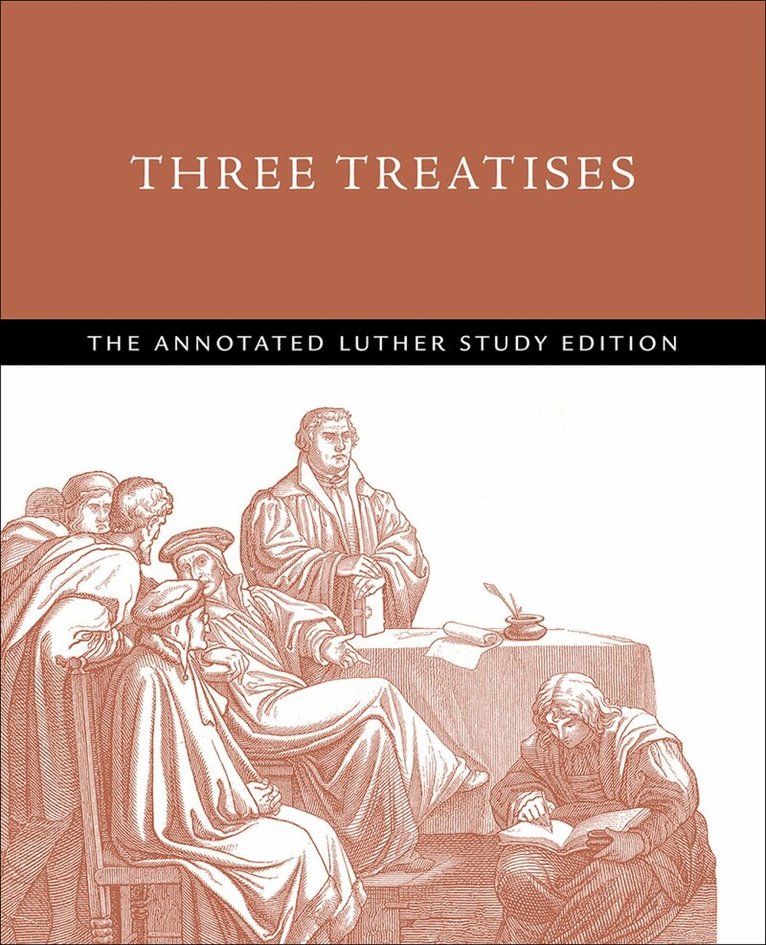
Three Treatises
The Annotated Luther Study Edition
Av Timothy J. Wengert, Erik H. Herrmann m. fl.
Häftad, 2023
229 kr
Lägg i varukorg