James Nguyen – författare
Visar alla böcker från författaren James Nguyen. Handla med fri frakt och snabb leverans.
6 produkter
6 produkter
E-bok
Engelska, 2022278 kr
Läs direkt efter köp
This Element presents a philosophical exploration of the notion of scientific representation. It does so by focussing on an important class of scientific representations, namely scientific models. Models are important in the scientific process because scientists can study a model to discover features of reality. But what does it mean for something to represent something else? This is the question discussed in this Element. The authors begin by disentangling different aspects of the problem of representation and then discuss the dominant accounts in the philosophical literature: the resemblance view and inferentialism. They find them both wanting and submit that their own preferred option, the so-called DEKI account, not only eschews the problems that beset these conceptions, but further provides a comprehensive answer to the question of how scientific representation works. This title is also available as Open Access on Cambridge Core.
E-bok
PDF, Engelska, 2022285 kr
Läs direkt efter köp
This Element presents a philosophical exploration of the notion of scientific representation. It does so by focussing on an important class of scientific representations, namely scientific models. Models are important in the scientific process because scientists can study a model to discover features of reality. But what does it mean for something to represent something else? This is the question discussed in this Element. The authors begin by disentangling different aspects of the problem of representation and then discuss the dominant accounts in the philosophical literature: the resemblance view and inferentialism. They find them both wanting and submit that their own preferred option, the so-called DEKI account, not only eschews the problems that beset these conceptions, but further provides a comprehensive answer to the question of how scientific representation works. This title is also available as Open Access on Cambridge Core.
Häftad, Engelska, 2022
230 kr
Skickas inom 7-10 vardagar
This Element presents a philosophical exploration of the notion of scientific representation. It does so by focussing on an important class of scientific representations, namely scientific models. Models are important in the scientific process because scientists can study a model to discover features of reality. But what does it mean for something to represent something else? This is the question discussed in this Element. The authors begin by disentangling different aspects of the problem of representation and then discuss the dominant accounts in the philosophical literature: the resemblance view and inferentialism. They find them both wanting and submit that their own preferred option, the so-called DEKI account, not only eschews the problems that beset these conceptions, but further provides a comprehensive answer to the question of how scientific representation works. This title is also available as Open Access on Cambridge Core.
Inbunden, Engelska, 2020
1 191 kr
Skickas inom 10-15 vardagar
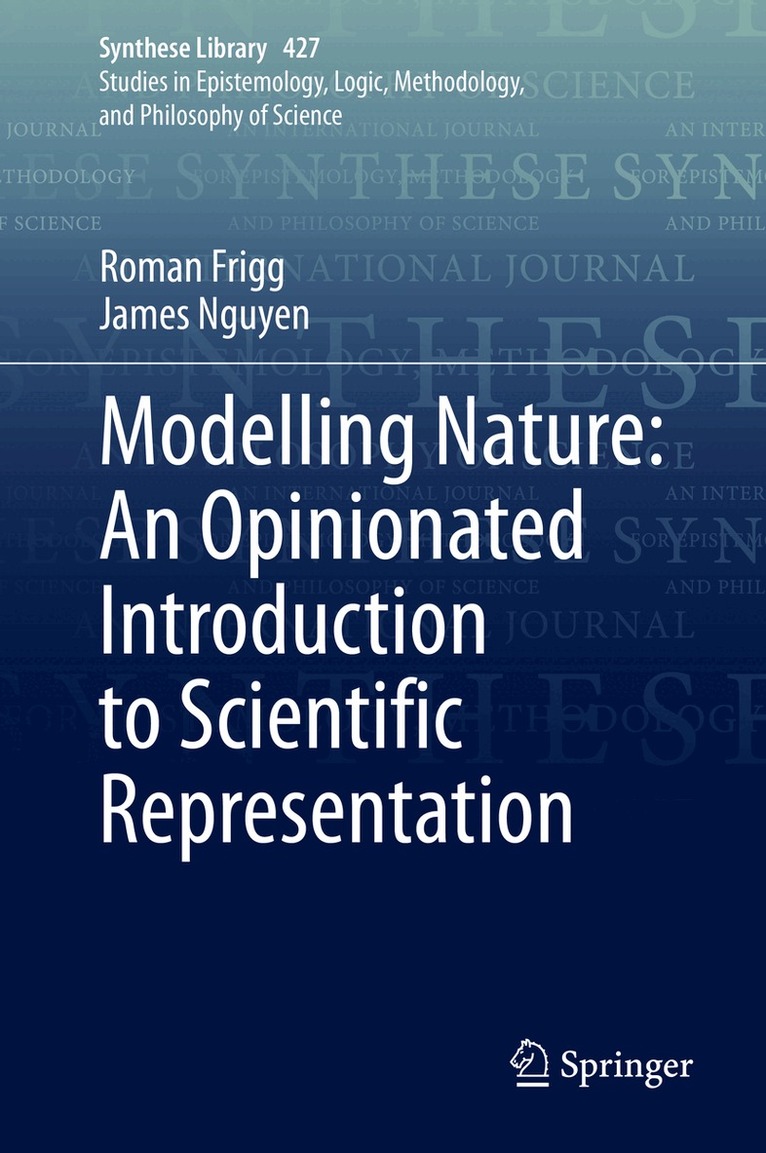
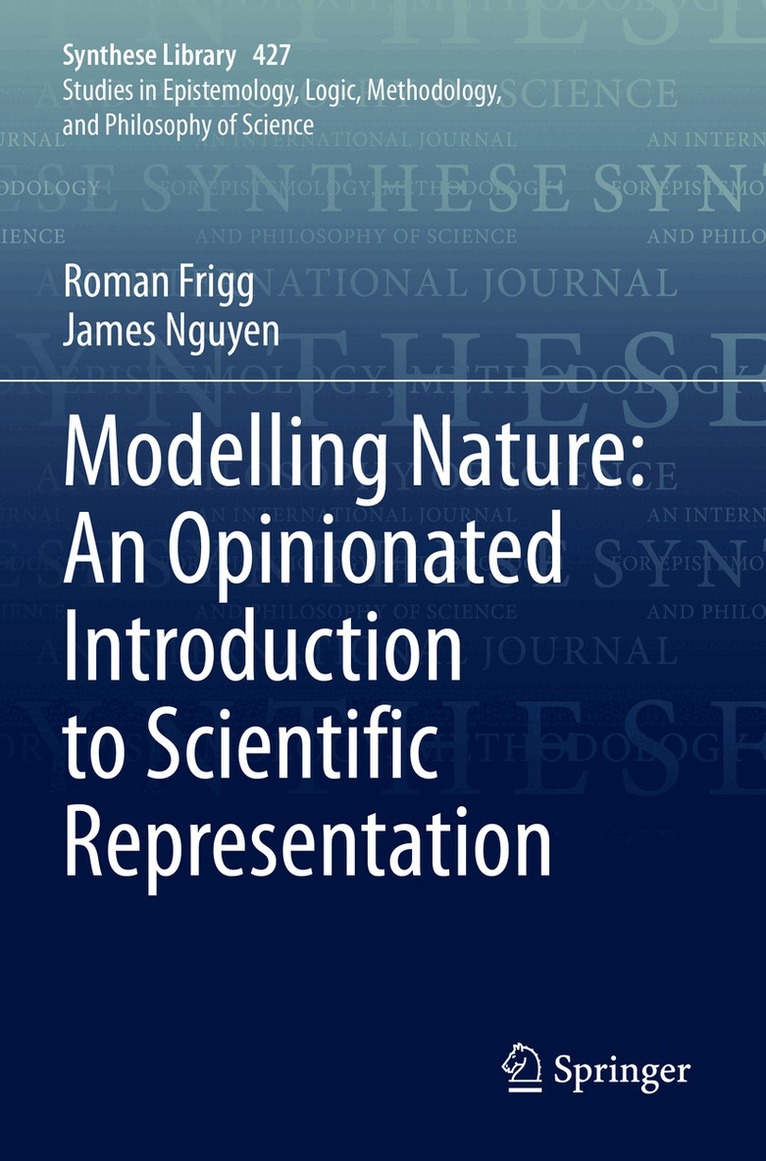
This monograph offers a critical introduction to current theories of how scientific models represent their target systems. Representation is important because it allows scientists to study a model to discover features of reality. The authors provide a map of the conceptual landscape surrounding the issue of scientific representation, arguing that it consists of multiple intertwined problems. They provide an encyclopaedic overview of existing attempts to answer these questions, and they assess their strengths and weaknesses. The book also presents a comprehensive statement of their alternative proposal, the DEKI account of representation, which they have developed over the last few years. They show how the account works in the case of material as well as non-material models; how it accommodates the use of mathematics in scientific modelling; and how it sheds light on the relation between representation in science and art. The issue of representation has generated a sizeable literature,which has been growing fast in particular over the last decade. This makes it hard for novices to get a handle on the topic because so far there is no book-length introduction that would guide them through the discussion. Likewise, researchers may require a comprehensive review that they can refer to for critical evaluations. This book meets the needs of both groups.
E-bok
Engelska, 20201 575 kr
Läs direkt efter köp
This monograph offers a critical introduction to current theories of how scientific models represent their target systems. Representation is important because it allows scientists to study a model to discover features of reality. The authors provide a map of the conceptual landscape surrounding the issue of scientific representation, arguing that it consists of multiple intertwined problems. They provide an encyclopaedic overview of existing attempts to answer these questions, and they assess their strengths and weaknesses. The book also presents a comprehensive statement of their alternative proposal, the DEKI account of representation, which they have developed over the last few years. They show how the account works in the case of material as well as non-material models; how it accommodates the use of mathematics in scientific modelling; and how it sheds light on the relation between representation in science and art. The issue of representation has generated a sizeable literature,which has been growing fast in particular over the last decade. This makes it hard for novices to get a handle on the topic because so far there is no book-length introduction that would guide them through the discussion. Likewise, researchers may require a comprehensive review that they can refer to for critical evaluations. This book meets the needs of both groups.
Häftad, Engelska, 2021
1 191 kr
Skickas inom 10-15 vardagar
This monograph offers a critical introduction to current theories of how scientific models represent their target systems. Representation is important because it allows scientists to study a model to discover features of reality. The authors provide a map of the conceptual landscape surrounding the issue of scientific representation, arguing that it consists of multiple intertwined problems. They provide an encyclopaedic overview of existing attempts to answer these questions, and they assess their strengths and weaknesses. The book also presents a comprehensive statement of their alternative proposal, the DEKI account of representation, which they have developed over the last few years. They show how the account works in the case of material as well as non-material models; how it accommodates the use of mathematics in scientific modelling; and how it sheds light on the relation between representation in science and art. The issue of representation has generated a sizeable literature,which has been growing fast in particular over the last decade. This makes it hard for novices to get a handle on the topic because so far there is no book-length introduction that would guide them through the discussion. Likewise, researchers may require a comprehensive review that they can refer to for critical evaluations. This book meets the needs of both groups.